Gratitude and Resilience: Bouncing Back from Injury
Integrating gratitude practices with mindset development can create a powerful synergy during recovery. The practice of gratitude fosters a positive perspective, enabling individuals to focus on what they can control rather than what they cannot. A study published in *Psychological Science* indicates that individuals who regularly practice gratitude report higher levels of resilience and overall well-being, making it a vital component of the recovery process.
A simple yet effective strategy includes maintaining a gratitude journal, where individuals can reflect on their progress and experiences each day. This exercise not only enhances the overall mindset but also reinforces resilience against adversity. Practicing Gratitude, combined with a resilient mindset, equips individuals with tools to navigate the challenges of recovery more effectively.
In conclusion, the relationship between mindset and recovery is profound. By adopting a growth mindset, utilizing practical strategies, and incorporating gratitude practices, individuals can significantly enhance their recovery journeys, leading to improved outcomes and a more resilient approach to life's challenges.
Gratitude as a Healing Tool

Understanding the Science Behind Gratitude
Research has shown that practicing gratitude can significantly affect mental health and well-being. According to a study published in the Journal of Psychological Science, individuals who regularly engage in gratitude journaling reported lower levels of depression and stress compared to those who did not. Grateful individuals tend to have a more positive outlook on life, which can enhance their ability to cope with injuries.
The effects of gratitude extend beyond emotional benefits. A meta-analysis by Kazdin (2019) indicates that gratitude practices can also boost physical health. Grateful people are more likely to engage in healthy behaviors, including regular exercise and proper nutrition, contributing to a quicker recovery from injuries.
The Role of Gratitude in Recovery
- Improves emotional well-being
- Enhances social connections
- Promotes healthier lifestyle choices
Gratitude can serve as a motivational tool during the rehabilitation process. A survey conducted among athletes found that those who practiced gratitude showed greater perseverance in their recovery journey. This resilience is crucial, as recovery from injury can be physically and mentally taxing. Having a mindset focused on gratitude helps individuals acknowledge small victories along the way, fostering a sense of achievement.
Moreover, expressing gratitude can reinforce social ties. By thanking friends, family, or healthcare providers for their support, individuals create a positive feedback loop that can strengthen relationships. These connections are vital, as research indicates that strong social support can significantly reduce recovery times.
Practical Ways to Cultivate Gratitude
Incorporating gratitude into daily routines can be simple and effective. One approach is to maintain a gratitude journal where experiences from each day are noted down. For example, highlighting moments such as receiving assistance from a friend or achieving a small recovery milestone can refocus one's mindset positively. Setting aside just five minutes daily for reflection can yield substantial benefits.
Another practical method is to create gratitude moments. These can be short periods throughout the day where individuals consciously appreciate what they have, from supportive relationships to the healthcare team working on their recovery. Emphasizing these positive aspects can create a counterbalance when feelings of frustration or despair arise.
Building Emotional Resilience

Understanding Emotional Resilience
Emotional resilience refers to the ability to adapt in the face of adversity, trauma, or significant stress. This skill is essential for not only managing difficult situations but also for recovering from them effectively. Research indicates that individuals with higher emotional resilience possess a greater capacity for coping with stressors, allowing them to navigate life's challenges more smoothly.
Various factors contribute to emotional resilience, including personality traits, social networks, and coping strategies. Studies show that individuals who maintain strong relationships are generally more resilient, as they can draw on their support systems during tough times. Engaging in regular self-care practices further bolsters this resilience by promoting mental well-being.
Strategies to Build Emotional Resilience
- Develop self-awareness through mindfulness practices.
- Build a strong support network with friends and family.
- Adopt a growth mindset by viewing challenges as opportunities.
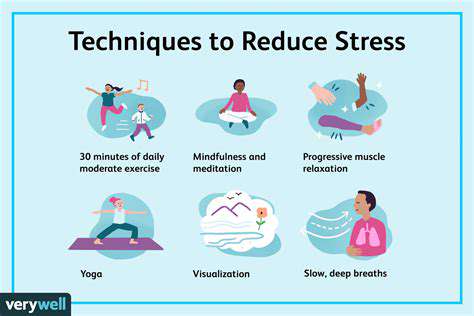
One effective method to enhance emotional resilience is through mindfulness practices such as meditation or yoga. These activities can help individuals interrupt negative thought patterns and cultivate a greater sense of presence. Engaging in mindfulness encourages a clearer perception of stressors and more effective coping responses.
Another useful strategy is leaning on your social circles. When stress and adversity strike, having a solid support system can significantly ease the burden. Individuals who are more connected tend to find comfort in sharing their experiences, which not only alleviates emotional pain but also strengthens bonds with others.
The Role of Gratitude in Resilience
Gratitude plays a pivotal role in Building emotional resilience. Numerous studies reveal that individuals who practice gratitude regularly tend to have lower levels of stress and increased feelings of happiness. By focusing on what we have rather than what we lack, we shift our mindset towards optimism and hope. This shift is crucial for bouncing back from injuries, whether they be physical or emotional.
Implementing gratitude exercises, such as keeping a gratitude journal or sharing daily appreciations, can further enhance resilience. Research shows that consistently acknowledging positive experiences can foster an inner strength that helps individuals recover from setbacks more readily. Additionally, these practices encourage a proactive approach to life, reinforcing the notion that even in tough times, there are always elements for which to be thankful.
The Role of Community and Support Systems
Understanding Community Dynamics
Community plays a pivotal role in the recovery process for individuals facing injury. Research has shown that support from friends, family, and local networks can significantly impact physical and mental rehabilitation. For example, studies indicate that individuals who engage in community-based support during recovery tend to report higher motivation and improved mental health outcomes.
Moreover, the social fabric of a community can create a sense of belonging and provide essential feedback during the healing process. Being part of a group encourages individuals to share experiences and coping strategies, normalizing the feelings of anxiety and uncertainty that often accompany injury recovery.
Building Support Systems
A robust support system is vital for addressing the multifaceted challenges presented by injuries. These systems include healthcare professionals, mental health experts, and even peers who have undergone similar experiences. Collaborative care approaches have been shown to increase adherence to treatment plans and can foster a more holistic view of recovery.
Additionally, engaging with support groups or networks allows injured individuals to exchange practical advice based on shared experiences. For instance, local community centers often organize workshops that focus on adaptive skills and lifestyle changes, offering tangible help and a sense of empowerment.
It's important to seek out or establish these networks when facing an injury. Don't hesitate to reach out to local organizations or online forums as they can significantly enhance your recovery experience.
The Impact of Gratitude on Resilience
The practice of gratitude can serve as an important tool within support systems, fostering resilience among those recovering from injuries. Psychological research indicates that cultivating gratitude can improve mood and alleviate feelings of stress and helplessness. By focusing on positive aspects of their lives and recovery, individuals can build a more resilient mindset.
Participating in gratitude exercises, such as journaling about the support received from others or reflecting on small wins during the recovery process, can enhance Emotional Well-Being. Evidence suggests that those who regularly express gratitude tend to report greater satisfaction in their relationships, thereby tightening their community bonds.
Finally, consider integrating gratitude practices into your daily routine, as doing so may lead to better resilience and a more successful recovery journey.
Read more about Gratitude and Resilience: Bouncing Back from Injury

![How to Build Muscle Without a Gym [Beginner Guide]](/static/images/26/2025-07/NutritionandRecovery3AFuelingYourGains.jpg)