Base Building for Runners: The Foundation of Endurance
Table of contents
Base building is essential for long-distance runners’ training regimens.
Focus on endurance through low-intensity, longer runs during base building.
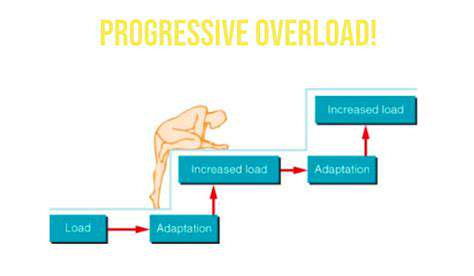
Progressive overload encourages gradual increases in running distance and duration.
Consistency is vital; include variety and regular training sessions.
Rest and nutrition aid recovery and prepare for further workouts.
Base-building duration varies; novices need 8-12 weeks for adequate preparation.
Timing base building before key races enhances performance readiness.
Avoid increasing mileage too quickly to reduce injury risk.
Cross-training enhances performance and reduces injury risk.
A balanced diet and hydration support endurance and recovery.
VO2 max indicates aerobic capacity crucial for running performance.
Aerobic training promotes cardiovascular health and improves performance.
Measuring aerobic capacity helps tailor running training plans.
Combine long runs with interval training to enhance aerobic capacity.
Strength training improves running economy and reduces injury risk.
Tracking progress ensures consistency and helps identify effective practices.
Warming up prevents injuries and enhances performance before runs.
Recovery is essential for muscle repair and overall performance improvement.
Cross-training prevents injury and strengthens various muscle groups.
Set realistic goals to avoid frustration and injuries in training.
What is Base Building?
Understanding the Concept of Base Building
Base building is a critical element in the training regimen for any long-distance runner. It involves gradually increasing the distance and duration of runs in order to develop a solid aerobic foundation. This foundational phase prepares the body to handle more intense workouts later on, making it essential for long-term athletic development.
The base building phase isn't about speed; it's about endurance. Runners focus on low-intensity, longer runs at a conversational pace, which allows the body to improve cardiovascular efficiency without overwhelming the muscles or joints. Athletes can expect improvements in their overall stamina, which is beneficial for both training and competition.
Key Principles of Base Building
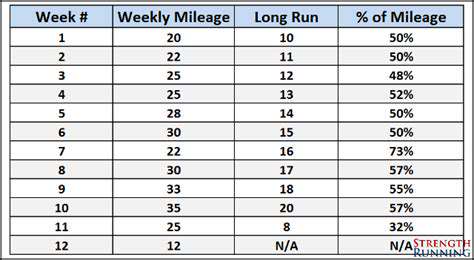
One of the main principles of effective base building is the principle of Progressive overload. This means gradually increasing your running load—whether that's distance, duration, or frequency—in a controlled manner. Many coaches recommend increasing your weekly mileage by no more than 10% to reduce the risk of injury while still promoting adaptation and growth.
Additionally, consistency is crucial. Runners should aim to train regularly, ideally running several times a week. To optimize adaptation, including variety such as easy runs, long runs, and even cross-training can make the process more enjoyable and sustainable.
Finally, recovery plays a vital role in base building. Incorporating rest days and proper nutrition assists in muscle repair and readiness for following workouts. Therefore, a holistic approach that encompasses various aspects of training and recovery is essential for any effective base-building strategy.
Duration and Timing of Base Building
The duration of the base-building phase can vary widely depending on the runner's experience level and race goals. For novices, a solid base may take anywhere from 8 to 12 weeks to develop, while seasoned runners may opt for a shorter timeframe if they are near a major race. Understanding one's own fitness level and setting clear, attainable goals is crucial during this phase.
It's also important to time this phase in relation to your race calendar. Starting the base building well in advance of key races not only enhances performance readiness but allows for a more robust framework to transition into speed work and race-specific training. Timing and structure should be personalized to align with individual performance objectives.
Common Mistakes in Base Building
One common mistake runners make during the base-building phase is increasing mileage too quickly. While the desire to improve can be strong, this approach often leads to injuries, which can derail training for extended periods. Sticking to the 10% rule can provide a safer path to improvement.
Another pitfall is neglecting cross-training. Many runners focus solely on running during their build. However, incorporating activities like cycling, swimming, or Strength training will not only reduce the risk of impact-related injuries but also enhance overall performance. Engaging various muscle groups can reinforce muscular balance and improve running efficiency.
The Role of Nutrition in Base Building
Nutritional strategies are integral to maximizing the benefits of the base-building phase. A balanced diet rich in carbohydrates, proteins, and healthy fats supports energy needs and muscle recovery. Carbohydrates are particularly important as they provide the necessary fuel for endurance activities.
Hydration is also essential. Runners should ensure they are adequately hydrated before, during, and after their runs. Even mild dehydration can adversely affect athletic performance. Incorporating electrolyte-rich foods or supplements can further enhance hydration levels, especially in hotter weather.
Finally, timing meals around workouts can significantly impact recovery. Consuming a combination of carbohydrates and protein post-run can expedite muscle repair and glycogen replenishment, enhancing the benefits of base building.
The Importance of Aerobic Capacity

Understanding Aerobic Capacity
Aerobic capacity, often referred to as VO2 max, is the maximum amount of oxygen that an individual can utilize during intense exercise. This measure is critical in determining an athlete's endurance performance, as a higher VO2 max generally indicates better aerobic fitness. Essentially, it reflects how well the body can transport and use oxygen during prolonged activities, which is particularly important for runners.
This capacity can be influenced by various factors, including genetics, training intensity, and even nutritional status. For runners, understanding their aerobic capacity allows for tailored training plans that enhance endurance. Studies suggest that improving VO2 max can lead to significant improvements in marathon performances.
Benefits of Aerobic Training
- Improves cardiovascular health and reduces the risk of heart disease.
- Enhances lung capacity and efficiency.
- Promotes better blood circulation.
Aerobic training not only improves performance but greatly contributes to overall health. Engaging in activities like long-distance running or cycling helps to strengthen the heart muscle, which in turn allows it to pump blood more efficiently. This efficiency means that less energy is required for rest and everyday activities, which can lead to improved daily productivity.
How to Measure Aerobic Capacity
There are several practical methods for measuring aerobic capacity that can be integrated into a runner’s training regimen. The most common method is a laboratory-based test, which involves maxing out on a treadmill while oxygen consumption is measured. However, not all runners have access to such facilities.
Alternatively, field tests like the Cooper Test, which involves running as far as possible in 12 minutes, can provide estimates of VO2 max. These simple yet effective methods can empower runners to monitor their progress over time. Regular assessments will help in adjusting training programs to optimize performance outcomes.
Implementing Aerobic Capacity Building in Training
To build aerobic capacity, runners should incorporate various training sessions, including long runs, tempo runs, and interval training. Long runs are essential for gradually increasing endurance, while tempo runs can enhance lactate threshold, allowing athletes to run faster without fatigue.
Interval training, which alternates between high intensity and recovery periods, has also been shown to significantly boost aerobic capacity in a relatively short time. By combining these training styles, individuals can create a well-rounded program that targets and improves overall endurance.
Personalized Strategies for Improving Aerobic Capacity
In the pursuit of better aerobic capacity, individualization of training plans becomes crucial. Factors such as age, original fitness level, and specific running goals should inform your training protocol. For beginners, starting with steady-state runs at a comfortable pace may be the best approach, gradually introducing intensity as their fitness improves.
More advanced runners can focus on high-intensity intervals but should always include adequate recovery to prevent overtraining. Consulting with a running coach or a sports scientist can help tailor a program that suits personal needs and capabilities, optimizing the potential for achieving higher levels of aerobic capacity.
Strategies for Effective Base Building
Understanding Aerobic Capacity
Aerobic capacity, commonly referred to as VO2 max, is a pivotal metric for runners aiming to build a solid endurance base. It indicates the maximum amount of oxygen your body can utilize during intense exercise. Training at or near your VO2 max can improve your body’s efficiency in using oxygen while running, which translates into better performance over longer distances. Research shows that incorporating interval training into your regimen can significantly improve anaerobic capacity and boost VO2 max levels.
To effectively build your aerobic base, aim for a combination of long, slow runs and shorter, more intense workouts. The long runs should be completed at a conversational pace, while the shorter runs can include intervals at 85-90% of your maximum heart rate. This allows your body to adapt to increasing workloads, which is essential for enhancing endurance and overall athletic performance.
Incorporating Strength Training
Strength training plays a crucial role in base building for runners, often overlooked by many. Focus on exercises that target your core, legs, and upper body. Regular strength workouts can help improve your running economy by fostering a more efficient stride and reducing the risk of injury. According to a study published in the Journal of Strength and Conditioning Research, runners who included strength training in their routine experienced improvements in endurance marked by increased distance coverage.
Maintaining Consistency and Tracking Progress
Consistency is key when it comes to effective base building. Establish a training schedule that allows you to incrementally increase your mileage while ensuring adequate recovery. It is advisable to follow a 10% rule wherein your weekly mileage does not exceed a 10% increase from the previous week. This helps in preventing injuries and burnout.
Tracking your progress through tools such as running apps or journals can provide valuable insights into your performance trends. Not only does this data assist in identifying effective practices, but it also facilitates accountability and motivation. By regularly reviewing your workouts, you can pinpoint areas needing improvement or celebrate your achievements as you advance towards your running goals.
Common Mistakes to Avoid

Neglecting Proper Warm-Up Techniques
One of the most common mistakes runners make is skipping warm-up sessions before hitting the track. Warming up is crucial as it prepares the body for physical exertion and can prevent injuries. Dynamic stretches and light jogs help to increase blood flow and gradually elevate heart rates.
A thorough warm-up should last at least 10–15 minutes, incorporating exercises targeting major muscle groups. So, don’t hurry into your run; properly warm up to enhance your performance and reduce any potential risks.
Ignoring the Importance of Recovery
- Overtraining can lead to burnout and injuries.
- Sufficient time for recovery is essential for muscle repair.
- Incorporating rest days can improve overall performance.
Many runners underestimate the importance of recovery periods in their training. A consistent routine greatly benefits from dedicated rest days, allowing muscles to heal and grow stronger. Research shows that athletes who prioritize recovery are generally more successful in the long run.
Incorporating light activities like brisk walking or yoga can aid in recovery without compromising fitness levels. Consistently allowing your body time to recuperate will lead to improved strength, stamina, and endurance.
Failure to Cross-Train
Many runners solely focus on running, neglecting other forms of exercise that can enhance overall performance. Cross-training involves participating in different activities, such as cycling or swimming, which can improve cardiovascular fitness and strengthen different muscle groups. By diversifying your workout routine, you can prevent injuries resulting from overuse injuries.
Engaging in cross-training allows runners to balance their training and maintain enthusiasm. Not only does it help avoid burnout, but it prepares the body for various physical challenges it may face during runs, ultimately leading to improved endurance.
Setting Unrealistic Goals
Setting overly ambitious goals can lead to frustration and disappointment for many runners. It’s essential to establish realistic, attainable milestones that build progressively over time. Aiming for a significant distance increase or an aggressive pace can often backfire, resulting in injuries or burnout.
For best results, consider utilizing SMART goals – Specific, Measurable, Achievable, Relevant, and Time-bound. For example, rather than aiming to run a marathon within a month, gradually train for a half-marathon first, focusing on proper techniques and pacing. This gradual approach sets a solid foundation for endurance, ultimately helping to achieve long-term running success.
Read more about Base Building for Runners: The Foundation of Endurance



![How to Recover Faster After Workouts [Tips & Techniques]](/static/images/26/2025-07/ListentoYourBody3ARecognizingandAddressingSignsofOvertraining.jpg)
![Cardio Exercises You Can Do at Home [No Equipment]](/static/images/26/2025-08/StairClimbingforaChallengingWorkout.jpg)





Hot Recommendations
-
*Healthy Stir Fry Recipes for Quick Nutritious Meals
-
*Common Causes of Lower Back Pain and How to Fix Them
-
*Guide to Building Optimism and a Positive Outlook
-
*Health Tips for Gamers (Ergonomics, Eye Strain Prevention)
-
*Best Tips for Incorporating More Sunlight Into Your Day
-
*Guide to Practicing Minimalism for Less Stress
-
*Best Exercises for People with Asthma
-
*Understanding ADHD in Adults
-
*Guide to Managing Irritable Bowel Syndrome (IBS) Through Diet
-
*Understanding Osteoarthritis vs Rheumatoid Arthritis