The Benefits of Deadlifts for Lower Back Protection
- Engages entire posterior chain
- Strengthens core stabilizers
- Improves overall balance and coordination
Deadlifts, when performed correctly, Significantly Contribute to Improving Posture and spinal alignment. This compound movement actively engages the muscles of the back, glutes, and hamstrings, forming a strong posterior chain. This engagement contributes to better stability and strength, which is crucial for maintaining a healthy spine.
Research published in the Journal of Strength and Conditioning Research suggests that regular deadlift training can lead to improvements in lumbar spine stability. By encouraging the proper positioning of the spine during lifting, one can reinforce correct posture in everyday activities. This dual benefit makes deadlifts a valuable addition to any fitness regimen aimed at lower back protection.
Incorporating Deadlifts into Your Routine
When integrating deadlifts into your workout, starting with a light weight is essential for mastering the technique. This ensures you develop a strong foundation while minimizing the risk of injury. A good practice involves gradually increasing the weight as your form and strength improve over time.
Additionally, it is crucial to complement deadlifts with flexibility exercises. Incorporating stretches focusing on the hip flexors and hamstrings can enhance your overall flexibility and reduce the risk of tightness contributing to poor posture. Engaging in such a comprehensive approach lays the groundwork for sustained spinal health.
Tips for Maintaining Good Posture Outside the Gym
Posture maintenance is not solely dependent on gym workouts; daily habits play a significant role. For instance, ensure that your workstation is ergonomically designed, promoting a neutral spine position while seated. Taking regular breaks to stand and stretch can also alleviate muscular tension that may lead to poor alignment.
Furthermore, being mindful of your posture while standing and walking can make a world of difference. Try to keep your shoulders back, chin parallel to the ground, and engage your core. These small adjustments contribute to a more aligned spine. Over time, they can have a profound impact on your overall posture and reduce the incidence of lower back pain.
Increasing Functional Strength for Daily Activities

Understanding Functional Strength in Daily Life
Functional strength refers to the ability to perform daily activities efficiently and safely. Unlike traditional strength training, which may focus on aesthetics or maximum weight lifted, functional strength enhances our capacity for movements we perform regularly. Research has shown that incorporating functional strength training can lead to improved mobility, balance, and overall performance in everyday tasks.
As we age, our bodies undergo changes that can impact our strength and mobility. Functional strength training helps counteract these age-related declines. Studies indicate that older adults who engage in functional exercises experience significant improvements in their ability to perform daily activities, such as climbing stairs and lifting groceries.
The Role of Deadlifts in Enhancing Functional Strength
Deadlifts are a compound exercise that engages multiple muscle groups, making them an excellent choice for building functional strength. By targeting the posterior chain, including the glutes, hamstrings, and lower back, deadlifts promote strength that translates into daily activities. Research indicates that athletes and non-athletes alike benefit from improved strength and stability when performing movements that mimic everyday tasks.
- Deadlifts improve core stability essential for supporting daily movements.
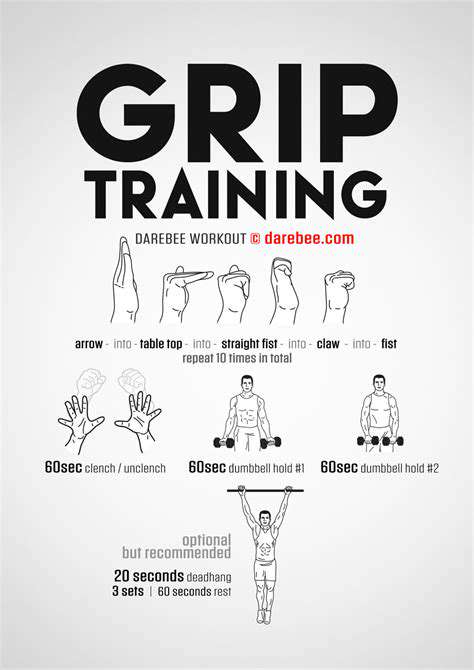
- They enhance grip strength, which is valuable when carrying heavy objects.
- Regularly incorporating deadlifts can help prevent lower back injuries.
Moreover, deadlifts improve posture by strengthening the muscles responsible for maintaining a healthy spinal alignment. Stronger postural muscles reduce the risk of injury during daily activities, allowing individuals to engage in life with confidence.
Practical Tips for Incorporating Deadlifts into Your Routine
To derive maximum benefits from deadlifts, it's crucial to ensure proper form and technique. Start with lighter weights, focusing on mastering the movement before progressing. A common recommendation is to seek guidance from a certified trainer who can provide personalized feedback and modifications if needed. Proper execution ensures not only effective training but also helps prevent potential injury.
Integrating deadlifts into your weekly routine can be achieved with varied approaches. Consider performing them twice a week, alternating with other functional strength exercises such as squats or lunges. Additionally, combining deadlifts with mobility and flexibility exercises can further enhance performance and prevent stiffness.
Lastly, listen to your body and adjust your routine as needed. Staying attuned to your physical responses will help you maintain a sustainable fitness strategy that promotes functional strength effectively.
Supporting Rehabilitation and Injury Prevention
Understanding the Mechanics of Deadlifts
Deadlifts engage multiple muscle groups, primarily targeting the lower back muscles, glutes, and hamstrings. Proper technique is crucial for maximizing benefits while minimizing injury risk. This exercise promotes strength development in the posterior chain, which is vital for athletic performance and daily activities.
Research shows that when performed correctly, deadlifts can improve overall functional strength, helping to stabilize the spine during various movements. It's essential to maintain a neutral spine and engage your core throughout the lift to prevent strain on the lower back.
Rehabilitation Benefits of Deadlifts
In rehabilitation settings, deadlifts can be modified for individuals recovering from lower back injuries. With guided supervision, incorporating deadlifts in a rehab program can aid in gradual muscle strengthening, promoting recovery through controlled exposure to weight-bearing activities.
Studies have found that patients recovering from lower back pain can experience reduced discomfort and enhanced mobility with gradual deadlift training, as it encourages proper biomechanics and strengthens supporting muscles.
However, it is critical to consult with a healthcare professional or physical therapist before starting any deadlift routine during rehabilitation to ensure safety and efficacy tailored to one’s specific condition.
Preventing Lower Back Injuries
Deadlifts reinforce core stability, which is a significant factor in preventing lower back injuries. A robust core supports the spine, reducing the likelihood of strains and sprains during physical activities. As you lift heavier loads, this functional strength becomes increasingly important in maintaining posture and balance.
Incorporating deadlifts into your regular workout regimen helps build endurance in the muscles responsible for spinal support. This is particularly beneficial for individuals engaged in manual labor or sports that place excessive demands on the lower back.
Proper Form and Technique
Executing deadlifts with correct form is crucial for safety and effectiveness. Start by positioning your feet about hip-width apart and gripping the barbell just outside your knees. Keep your chest up, shoulders back, and hips in line with your knees throughout the lift. Maintaining a flat back will prevent excessive strain on the lower spine.
Additionally, it’s essential to practice with lighter weights before progressing to heavier loads, ensuring that you develop muscle memory for the correct movement. Many trainers recommend utilizing video analysis or mirrors to receive real-time feedback on your form.
Incorporating Deadlifts Into a Workout Routine
For optimal results, deadlifts should be integrated into a well-rounded fitness program. It is beneficial to pair deadlifts with complementary exercises such as squats and lunges, promoting balanced development of all lower body muscles and enhancing overall functional strength.
Further, incorporating variations like sumo deadlifts or Romanian deadlifts can target different muscle groups while offering new challenges. This variability not only helps prevent plateaus but also keeps workouts engaging.
Consultation and Assessment
Before embarking on a deadlift regimen, particularly for rehabilitation or injury prevention, consulting with a fitness professional is highly advisable. A trainer can assess your individual biomechanics and design a program that safely introduces deadlifts, minimizing injury risks while focusing on strengthening critical areas.
Regular assessment of your technique and progress will ensure that the benefits of deadlifting are maximized for your specific goals, whether it's injury recovery, preventing future injuries, or improving overall strength. Engaging with professionals sets a solid foundation for successful training experiences.
Read more about The Benefits of Deadlifts for Lower Back Protection