Healthy Pasta Alternatives for Weight Loss
Choosing whole wheat pasta not only benefits your health but also has environmental impacts. Whole grains generally require less processing, which often translates into a smaller carbon footprint. This choice supports sustainable agriculture and promotes a more environmentally friendly diet.
By supporting brands that prioritize whole grains, you're encouraging the growth of this industry, which can lead to more sustainable farming practices overall.
Conclusion: Is Whole Wheat Pasta Worth It?
Investing in whole wheat pasta brings numerous Health benefits that are hard to overlook. It's an excellent alternative for anyone looking to lose weight while still enjoying fulfilling meals. Remember, making small changes in your diet, such as substituting whole wheat pasta, can lead to significant health improvements over time.
Your choices matter, and they can lead to a more balanced life and a healthier body. So why not give whole wheat pasta a try in your next meal? You just might find a new favorite!
3. Legume-Based Pasta
3.1 Nutritional Benefits of Legume-Based Pasta
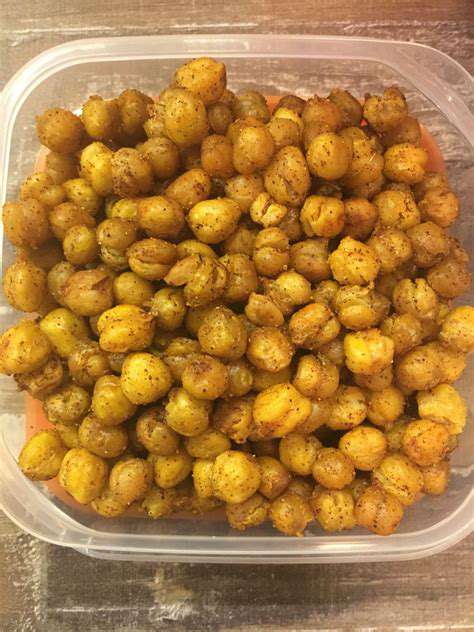
Legume-Based Pasta involves the use of lentils, chickpeas, or black beans as primary ingredients, offering a substantial boost in protein and fiber content. For instance, a single serving of chickpea pasta can provide around 25 grams of protein, significantly higher than traditional wheat pasta. This elevated protein level supports muscle maintenance and satiety, making it a desirable choice for those on a weight loss journey.
Moreover, the high fiber content in legume pasta contributes to improved digestion and metabolic health. Research has shown that fiber intake can aid in regulating blood sugar levels, potentially reducing the risk of type 2 diabetes. By incorporating legume pasta into your meals, you not only enjoy a healthier alternative but also promote your overall physical well-being.
3.2 How Legume Pasta Affects Weight Loss
One of the standout features of legume-based pasta is its ability to promote a feeling of fullness due to its high protein and fiber content. This satiety can help individuals consume fewer calories throughout the day. Studies suggest that meals rich in protein can reduce subsequent eating. Thus, substituting traditional pasta for legume options may contribute positively to weight loss efforts.
Additionally, preferring foods with lower glycemic indexes, like legume pasta, can lead to better weight management. Foods that release sugar more slowly into the bloodstream help maintain energy levels without causing spikes in insulin, further supporting weight loss endeavors.
3.3 Cooking Tips for Legume-Based Pasta
Cooking legume pasta requires slightly different techniques compared to traditional pasta. Since legume pasta tends to absorb water differently, it’s crucial to follow package instructions carefully to avoid overcooking, which can lead to a mushy texture. A helpful tip is to boil it for a few minutes less than the recommended time, then let it sit in the hot water for the remainder, which ensures an al dente finish.
Additionally, pairing legume pasta with a variety of vegetables and protein-rich sauces can enhance not only the flavor but also the nutritional value of your meal. You could consider adding roasted vegetables, olive oil, or even a homemade pesto for a nutrient-dense dish that satisfies your taste buds.
3.4 Popular Brands & Varieties of Legume Pasta
As the demand for healthier pasta alternatives rises, several brands have emerged, offering a variety of legume-based options. Brands like Banza and Explore Cuisine provide chickpea and black bean pasta, respectively, catering to both gluten-free and health-conscious consumers. Both brands maintain a robust flavor profile while ensuring high nutritional value.
It is advisable to compare the ingredient lists and nutritional labels when selecting a brand. Look for options with minimal processing and added preservatives to ensure you’re choosing a healthier product. This attention to detail can significantly impact your overall dietary choices.
3.5 Comparing Legume Pasta with Traditional Pasta
When comparing legume-based pasta to traditional wheat pasta, the differences are striking, primarily regarding nutritional value. Traditional pasta is typically lower in protein and fiber while being higher in carbohydrates, which can lead to quicker feelings of hunger after consumption. In contrast, legume pasta retains lower carb content and enhances protein intake, making it a more balanced option for sustained energy levels.
Moreover, those with gluten sensitivities can find solace in legume pasta due to its gluten-free nature. While traditional pasta may lead to bloating or discomfort in sensitive individuals, legume options are often better tolerated, promoting a more enjoyable dining experience.
3.6 Personalizing Your Legume Pasta Dish
Customization is a strong point when it comes to legume pasta. With its mild flavor, you can experiment extensively with sauces, herbs, and spices. For example, tossing your pasta with a spicy arrabbiata sauce can elevate your meal's taste profile. Consider adding protein sources like grilled chicken or turkey meatballs to create a balanced plate.
Also, don’t shy away from international cuisines. Legume pasta fits beautifully into Asian dishes, such as stir-fries, where it can be paired with vegetables and soy sauce for a unique take on classic flavors. The versatility of legume pasta opens up a world of culinary possibilities that can cater to diverse taste preferences.
4. Shirataki Noodles
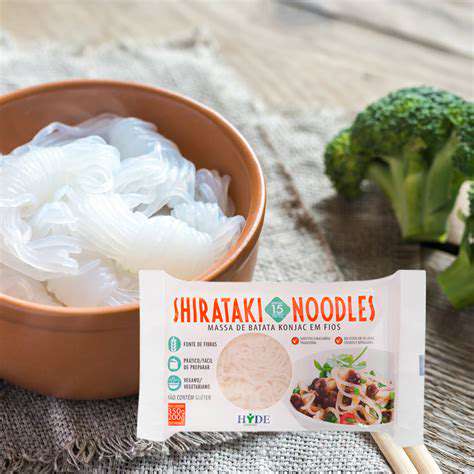
Overview of Shirataki Noodles
Shirataki noodles, derived from the konjac yam, are revolutionizing the low-carbohydrate pasta scene. These noodles are primarily made of water and glucomannan, a type of soluble fiber that can help promote feelings of fullness. It's no surprise that their calorie count is incredibly low—about 10 calories per serving—making them a staple for those looking to shed weight. Shirataki noodles can also aid in digestion due to their high fiber content.
Nutritional Benefits and Considerations
One of the significant advantages of shirataki noodles is their impressive fiber profile. Each serving contains up to 5 grams of glucomannan, which not only helps regulate blood sugar but also supports heart health. A recent study published in the Journal of Nutrition indicated that dietary fiber can play a crucial role in weight management by increasing satiety. However, it’s essential to incorporate these noodles into a balanced diet. Relying solely on shirataki could lead to nutritional deficiencies.
When preparing shirataki noodles, it's worth noting that they should be rinsed thoroughly before cooking to remove the distinctive odor they might carry from packaging. They can be sautéed, boiled, or added to soups, making them versatile for various recipes. Their ability to absorb flavors helps enhance the dishes you create.
Potential Drawbacks and How to Overcome Them
While shirataki noodles boast numerous benefits, there can be some drawbacks, including their unique texture. Many people find them slightly chewy, which might not appeal to everyone. If you're used to traditional pasta, the transition can be an adjustment. The key is to find the right sauces and accompaniments to enhance the experience.
- Pairing with robust sauces can mask the texture issues
- Exploring various recipes to discover what suits your palate
- Gradually incorporating into your meals can ease the adjustment
Another consideration is that they contain very few carbohydrates and can sometimes lead to digestive discomfort if consumed excessively. It is advisable to consume these noodles in moderation, especially if you're not used to high-fiber foods.
Conclusion and Recommendations for Incorporation
In summary, shirataki noodles are a commendable choice for those pursuing weight loss or low-calorie diets. They offer flexibility in cooking and meal planning while packing a fiber punch that many other pasta alternatives do not. To maximize their benefits, it is essential to consume a variety of nutrients from additional vegetables and protein sources.
If you’re looking to incorporate shirataki noodles into your diet, start slowly to familiarize yourself with their texture and taste. Consider using them in soups or salads to enhance flavors while reaping their health benefits. Moreover, numerous recipes are available online that can provide inspiration for delicious dishes.
5. Cauliflower Pasta
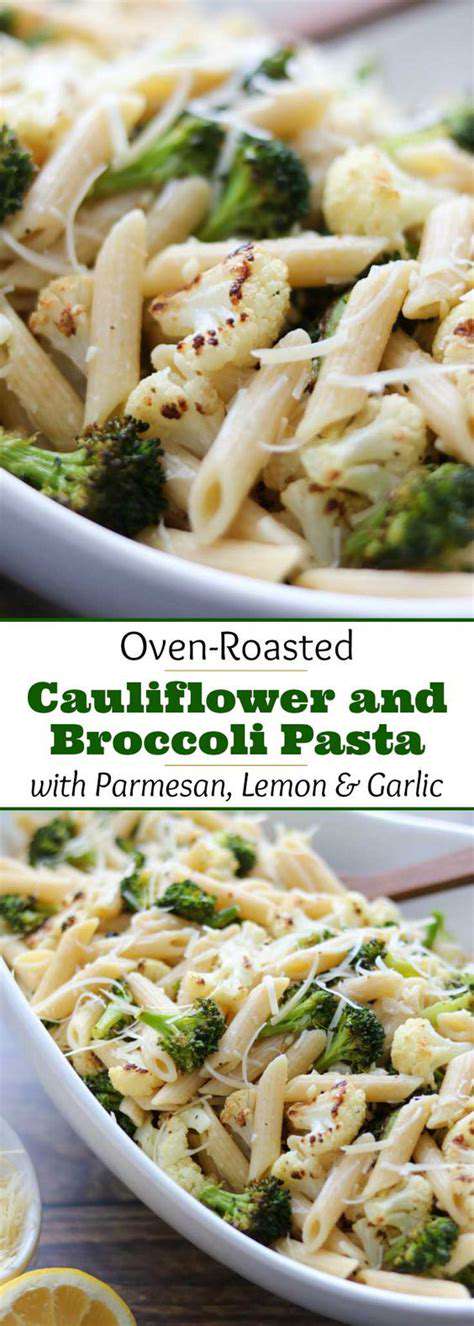
Benefits of Cauliflower Pasta for Weight Loss
One of the main advantages of cauliflower pasta is its significantly lower calorie count compared to traditional pasta. For instance, a one-cup serving of cooked cauliflower contains about 25 calories versus around 200 calories in a comparable serving of wheat pasta. This drastic difference can help in maintaining a caloric deficit, which is essential for weight loss.
Additionally, Cauliflower pasta is rich in dietary fiber, which aids digestion and promotes a feeling of fullness. Approximately 2 grams of fiber per cup can help reduce hunger, making it easier to control portion sizes. Opting for cauliflower over traditional pasta can contribute effectively to a balanced diet.
How to Prepare Cauliflower Pasta
- Choose fresh cauliflower and wash it thoroughly.
- Cut the cauliflower into florets.
- Steam or boil until tender, then drain any excess water.
- Blend or process until it reaches a pasta-like consistency.
Preparing cauliflower pasta is relatively straightforward. It starts with selecting high-quality, fresh cauliflower, which is crucial for the best taste and texture. After washing and cutting it into florets, steaming or boiling it until tender allows for easy processing. Once drained, you can use a blender or food processor to achieve a smooth, pasta-like consistency.
Incorporating Cauliflower Pasta into Meals
To make the most of cauliflower pasta, consider pairing it with various toppings and sauces. Incorporating basic ingredients like garlic, olive oil, and fresh herbs can elevate the flavor without adding excessive calories. You can also add proteins like grilled chicken or shrimp to create a complete meal that is both satisfying and healthy.
Furthermore, using cauliflower pasta as a base for traditional dishes, such as pasta salads or casseroles, can allow you to enjoy your favorites while being mindful of your dietary goals. This versatile ingredient can adapt to various cuisines, making it a staple in weight-loss meal planning.
Read more about Healthy Pasta Alternatives for Weight Loss