How Gratitude Can Rewire Your Brain for Happiness
Index
Gratitude activates the brain's reward system, boosting happiness.
Neuroplasticity reinforces positive thinking through regular gratitude practices.
Gratitude correlates with reduced anxiety and depression.
Expressing gratitude enhances social bonds and relationship satisfaction.
Daily gratitude practices improve happiness and emotional well-being.
Gratitude enhances physical health and immune function.
Gratitude fosters kindness and positive interactions.
Gratitude supports resilience against life's challenges.
The Neuroscience of Gratitude

Understanding the Brain's Reward System
The Brain's Reward System plays a pivotal role in how gratitude influences our happiness levels. It involves various structures, including the ventral striatum, which is activated during positive experiences. Research shows that expressing gratitude can stimulate this area, prompting the release of dopamine, a neurotransmitter linked to feelings of pleasure and satisfaction.
In practical terms, when we practice gratitude, we are training our brain to recognize and appreciate positive experiences. This restructuring can ultimately lead to an increased baseline level of happiness over time, making gratitude not just a fleeting emotion but a stable state of mind.
The Role of Neuroplasticity in Gratitude
Neuroplasticity refers to the brain's ability to reorganize itself by forming new neural connections. When we regularly practice gratitude, we encourage our brains to forge new paths that reinforce positive thinking habits. Research published in journals such as Psychological Science supports this notion, indicating that consistent gratitude practices can lead to lasting changes in emotional responses.
- Gratitude practice strengthens neural pathways.
- Positive thinking can become a habitual response.
Impact of Gratitude on Mental Health
A wealth of studies suggests that gratitude has profound implications for mental health. For example, individuals who engage in regular gratitude practices report lower levels of depression and anxiety. This correlation underscores the idea that actively acknowledging the positives in life can outweigh negative emotions, leading to improved mental well-being.
Additionally, experts in the field recommend integrating gratitude into daily routines. Simple practices, like maintaining a gratitude journal or sharing appreciation with others, can significantly enhance one’s mood and outlook. Such strategies not only alleviate stress but also foster resilience in the face of challenges.
Gratitude and Relationships
Gratitude is not just an internal experience; it plays a crucial role in enhancing interpersonal relationships. A study from the journal Emotion indicates that Expressing Gratitude can strengthen social bonds and improve relationship satisfaction. When we acknowledge others’ contributions, we reinforce connections that are essential for emotional support and community.
Furthermore, practicing gratitude can lead to increased prosocial behavior. When individuals feel appreciated, they are more likely to reciprocate kindness and support, creating a cycle of positive interactions. This ongoing exchange can foster a more harmonious environment, whether in personal or professional settings.
Practical Ways to Cultivate Gratitude
Establish a Daily Gratitude Practice
One effective way to cultivate gratitude is by integrating a Daily Gratitude Practice into your routine. This could involve keeping a gratitude journal, where each day you write down at least three things you're thankful for. Research from the University of California, Davis found that participants who maintained such journals reported increased levels of happiness over time, indicating that consistent reflection on positive aspects of life can significantly alter one's emotional landscape.
Additionally, setting aside a specific time each day, whether in the morning or before bed, can help reinforce this habit. By making gratitude a consistent part of your life, you're allowing your brain to rewire itself, generating a more optimistic perspective over time.
Express Gratitude to Others
Expressing gratitude to those around you can strengthen your relationships and foster a sense of community. Take the time to thank friends, family members, or colleagues for their support or kindness. Studies published in the journal Emotion suggest that actively expressing appreciation not only boosts the recipient's well-being but can enhance your feelings of connectedness and joy as well.
Incorporate Mindfulness and Reflection
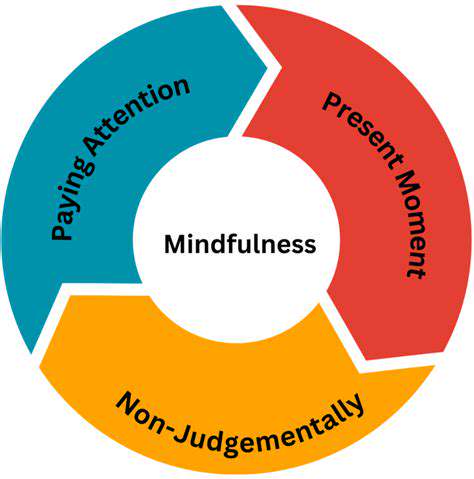
Mindfulness practices, such as meditation, can complement your gratitude practice by promoting a heightened awareness of the present moment. Taking time to reflect on what you appreciate can enhance the effectiveness of your gratitude efforts. Incorporating mindfulness allows you to anchor your gratitude in specific experiences you're currently living, creating a more profound sense of appreciation.
For instance, consider dedicating a few minutes each day to sit quietly and think about the aspects of your life that bring you joy. This simple yet effective practice can significantly alter how your brain processes and responds to everyday situations, forging a more resilient mindset and contributing to overall happiness.
The Lasting Benefits of Gratitude

Understanding the Neuroscience of Gratitude
The Impact of Gratitude on our brain is profound, grounded in the latest neuroscience research. Studies have shown that practicing gratitude consistently can actually rewire neural pathways, leading to increased happiness and reduced stress levels. Notably, when individuals engage in gratitude exercises, the brain's reward system becomes activated, releasing dopamine and serotonin, hormones that enhance mood and promote feelings of well-being.
Furthermore, gratitude is correlated with decreased levels of cortisol, the stress hormone. This suggests that those who regularly express thankfulness are less likely to experience chronic stress, leading to better overall mental and emotional health. When we make a habit of reflecting on what we are thankful for, we may train our brains to focus more on positive aspects of life, ultimately fostering a happier mindset.
Physical Health Benefits Linked to Gratitude
- Improved sleep quality
- Enhanced immune function
- Lower instances of various health conditions
A 2015 study published in the journal *Psychosomatic Medicine* found that those who practiced gratitude had better sleep quality, which is essential for physical recovery. This sleep enhancement is partly due to reduced anxiety and a more positive outlook brought on by gratitude exercises. Gratitude can also enhance immune function, making us less susceptible to illness. Numerous participants reported fewer illnesses during the gratitude practice period.
Moreover, acknowledging and appreciating life's positive aspects may lead to healthier lifestyle choices, such as increased physical activity and better dietary habits. This interconnectedness between mental well-being and physical health demonstrates that fostering gratitude can have a ripple effect on one's overall well-being.
Impact on Relationships
Expressing gratitude can significantly strengthen interpersonal relationships. Studies indicate that individuals who regularly express appreciation tend to build stronger emotional bonds with friends, family, and partners. This is crucial because positive relationships are a key component of long-term happiness. Gratitude fosters a culture of appreciation where individuals feel valued and recognized, leading to more meaningful connections.
Additionally, showing gratitude can act as a catalyst for kindness and reciprocal behaviors. When one person shows appreciation, it often inspires the recipient to carry that forward, creating a cycle of positivity and goodwill within social interactions. Building gratitude into personal relationships can ultimately improve not only the quality of those relationships but also increase one's overall happiness.
Gratitude Practices to Incorporate
Incorporating gratitude into daily life can be straightforward and manageable. A simple practice is keeping a gratitude journal, where one writes down three things they are thankful for each day. This small action can yield substantial benefits over time, helping individuals to focus on positive experiences and shifts their perspective from negative to positive.
Another effective practice involves verbalizing one’s appreciation, whether through a thank-you note, a text message, or even a casual conversation. These actions reinforce the negative emotional cycle by promoting affirmations and enhancing connections. Experiment with these practices consistently, and you might be surprised by the positivity that begins to flow into your life.
Gratitude and Mental Health
Several studies highlight the relationship between gratitude and improved mental health outcomes. Individuals who practice gratitude regularly report lower levels of anxiety and depression symptoms. Research from the *Journal of Happiness Studies* has demonstrated that gratitude can serve as a buffer against mental health issues by fostering resilience.
Furthermore, gratitude encourages individuals to engage in more positive self-talk. This is particularly important for those struggling with self-esteem issues or harsh self-criticism. Cultivating a practice of gratitude can help counteract intrusive negative thoughts, ultimately fostering a more supportive and compassionate internal dialogue.
The Role of Gratitude in Cultivating Resilience
Resilience is the ability to bounce back from adversity, and gratitude plays a crucial role in building this trait. Research indicates that grateful individuals are more equipped to handle challenges, viewing difficulties through a lens of appreciation rather than despair. This perspective shift promotes a proactive approach to life's hurdles.
Practicing gratitude can significantly mitigate feelings of helplessness. When one focuses on the aspects of life they are grateful for, it can provide a sense of purpose and control, even in uncertain times. Embracing gratitude thus becomes not only a practice but also a vital skill set for resilience in personal and professional contexts.
Read more about How Gratitude Can Rewire Your Brain for Happiness








Hot Recommendations
-
*Lower Back Pain Relief While Sleeping on Your Side
-
*How Gratitude Reduces Inflammation in the Body
-
*Sacroiliac Joint Pain: Exercises and Natural Relief Tips
-
*The Role of Fiber in Weight Loss: Best Food Sources
-
*Lower Back Pain and Cycling: How to Adjust Your Bike
-
*Healthy Sauces for Weight Loss: From Pesto to Salsa
-
*Lower Back Pain and Shoes: Does Heel Height Matter?
-
*The Role of Cross Training in Improving Running Performance
-
*High Protein, Low Carb Cooking for Weight Loss
-
*Recovery Tips for Runners: How to Bounce Back After a Hard Run