Physiology
Acclimatization
Hydration
Athletic Performance
Temperature Impact
Training Adaptation
Running Gear
Heat Safety
Heat Management

Managing Running Performance in High Heat and Humidity

Catalog

  • Heat regulates body temperature, crucial for performance during exercise.
  • Humidity significantly hinders cooling, reducing endurance.
  • Heat stress increases heart rate, impacting muscle blood flow.
  • Hydration strategies improve performance and prevent dehydration.
  • Acclimatization enhances physiological adaptations to heat and humidity.
  • Wearable technology helps monitor hydration and temperature effectively.
  • Hydration is vital in hot conditions, affecting stamina and recovery.
  • Signs of dehydration include thirst, dry mouth, and dizziness.
  • Electrolyte balance is crucial to mitigate performance decline.
  • Listen to your body for signs of heat stress.
  • Cooling fabrics enhance comfort and performance in high temperatures.
  • Footwear choice impacts performance in extreme heat.
  • Using cooling towels can reduce body temperature effectively.
  • Hydration packs provide convenient access to fluids while running.
  • Checking weather conditions prior to running is essential.

Understanding the Physiology of Heat and Humidity

The Role of Heat in Human Physiology

Heat is produced in the body primarily through metabolic processes. When running, muscles generate significant heat, necessitating a robust thermoregulation system. The body's ability to maintain a stable internal temperature is crucial for optimal performance, especially under strenuous conditions.

Physiologically, the threshold at which the body begins to experience Heat Stress can vary dramatically among individuals based on factors such as fitness level, age, and acclimatization. Studies indicate that acclimatized individuals can endure higher temperatures, with some adapted runners managing to maintain performance even in extreme conditions.

Understanding Humidity's Impact on Performance

Humidity interferes with the body's natural cooling mechanisms. When the air is saturated with moisture, sweat does not evaporate efficiently, leading to an increased risk of overheating. High humidity can significantly hinder performance; research has shown that running in humid conditions can reduce endurance by over 30% compared to drier environments.

Physiological Responses to Heat and Humidity

The physiological responses to heat stress include increased heart rate, heightened sweat production, and redistribution of blood flow to the skin. These adaptations aim to dissipate heat, yet they can compromise blood flow to working muscles, subsequently affecting performance. Athletes may experience fatigue sooner, reducing their capacity to sustain high-intensity efforts.

Research highlights that dehydration exacerbates these effects, particularly in humid conditions. To counteract this, establishing a clear hydration strategy that includes electrolyte balance is vital, as these factors significantly influence temperature regulation and performance outcomes.

Acclimatization Strategies for Runners

Acclimatization to heat and humidity involves exposing the body gradually to elevated temperatures. This process can enhance various physiological adaptations, including improved sweat response and cardiovascular stability. For instance, a typical acclimatization protocol might involve time spent training in warmer environments over a period of 10 to 14 days to allow the body to adjust and optimize performance.

Monitoring and Managing Heat Stress

Monitoring core temperature and hydration status is essential for managing heat stress effectively. Wearable technology such as heart rate monitors and heat stress sensors can provide valuable insights during training. Coaches and athletes should pay close attention to these metrics to make informed decisions regarding workout intensity and duration.

Ultimately, runners should develop an individualized plan that considers their unique physiology and environmental conditions. This may include adjusting workout times, using cooling strategies, and tailoring hydration plans to ensure optimal performance despite high heat and humidity levels. Practical guidance from health professionals specializing in sports medicine can provide further personalized strategies.

Hydration is Key

HydrationisKey

Understanding the Importance of Hydration

Hydration plays a crucial role in maintaining overall health and performance, especially in athletes. When running in high heat and humidity, dehydration occurs more rapidly due to increased sweat loss. Staying properly hydrated can significantly improve stamina, focus, and recovery time. Not only does this prevent heat-related illnesses, but it also enhances your athletic performance.

According to the American College of Sports Medicine, even a 2% loss in body weight due to dehydration can significantly impair performance. Thus, it’s essential to monitor your hydration levels closely during high-intensity workouts.

Signs of Dehydration During Running

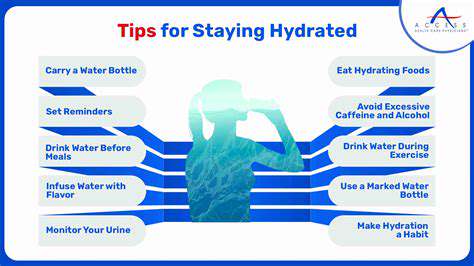
  • Thirst and dry mouth
  • Decreased urine output
  • Headaches or dizziness

Recognizing the signs of dehydration is critical for runners, particularly in hot and humid conditions. Common symptoms include persistent thirst, reduced urine output, and fatigue. If you experience any of these signs, it's vital to rehydrate immediately. Ignoring these symptoms can lead to more severe issues like Heat Exhaustion or heat stroke.

Optimal Hydration Techniques

To stay adequately hydrated, runners should adopt a proactive approach. Consider drinking water before, during, and after your runs. Depending on your run's duration and intensity, you may also need electrolyte supplements to replenish lost minerals.

For long runs exceeding an hour, research suggests using drinks containing carbohydrates and electrolytes. These products not only replace fluids but also provide energy that can optimize your performance in humid conditions.

Electrolyte Balance in Humid Conditions

Electrolytes like sodium, potassium, and magnesium are vital for muscle function and overall hydration. When sweating profusely, you lose these essential minerals, which can lead to cramps and fatigue. As such, replenishing electrolytes becomes imperative during extended exercise.

Some runners may prefer sports drinks or electrolyte tablets. It's crucial to choose a product that does not contain excessive sugars, as these can lead to stomach issues during running. Always check the labels before selecting an electrolyte product!

Pre-run Hydration Strategies

Before hitting the pavement, it’s wise to hydrate adequately. Aim to consume at least 500 ml of water about two hours before your run to ensure your body has enough time to process the liquids.

Consider your body weight too; a general guideline is to drink approximately 7 to 10 ounces of water 20-30 minutes before exercising. This not only helps with hydration but also prepares your body for the forthcoming exertion.

Post-run Recovery Hydration

Rehydration after a run is equally, if not more, important as pre-run hydration. Depending on how much you sweat, you may need to drink more than the typical eight glasses of water a day to feel re-energized. It is recommended to weigh yourself before and after workouts to gauge fluid loss and adjust your intake accordingly.

Incorporating drinks with carbohydrates and proteins post-exercise can also assist in recovery. This combination speeds up the rehydration process and prepares your muscles for future workouts, especially in high heat and humidity.

Tailoring Hydration Plans for Individual Needs

It’s essential for each runner to develop a personalized hydration strategy. as factors like weight, fitness level, and sweat rates can significantly affect hydration needs. Some athletes may require more than the average guidelines suggest, especially when training in high temperatures.

Tracking hydration and performance metrics can help refine these strategies. For instance, using a hydration diary can easily highlight patterns that inform future adjustments. Always listen to your body and adjust your plan based on personal experiences!

Timing and Adaptation

Understanding the Impact of Temperature on Performance

High temperatures can severely affect running performance by raising the body's core temperature. Research indicates that for every 1°C increase in temperature, running performance can decline by about 1-2%. This decrease is primarily due to the body's need to expend additional energy on cooling mechanisms, which diverts resources away from muscle function and endurance.

A study published in the Journal of Sports Sciences reveals that runners may experience heightened fatigue and a quicker onset of dehydration-related issues as heat rises. This emphasizes the necessity for runners to recognize heat not only as a weather element but also as a serious variable influencing their performance metrics.

Adapting Your Training Schedule

To mitigate the effects of heat and humidity, altering training schedules is crucial. For instance, early morning or late evening sessions can help avoid the peak sun hours, effectively reducing heat exposure. Training in the cooler parts of the day allows athletes to maintain their usual intensity and volume without jeopardizing performance.

Hydration Strategies for Hot Weather

Hydration is paramount when running in hot and humid conditions. The American College of Sports Medicine recommends that athletes drink about 500 ml of water or a sports drink two to three hours prior to running. This preemptive hydration can help maintain fluid balance and prevent severe dehydration, which can impair performance and recovery.

Moreover, incorporating electrolyte-rich beverages can further assist with hydration by replenishing vital salts lost through sweat. This not only helps sustain energy levels but also supports overall physiological functions during high-intensity workouts.

Listening to Your Body

One of the key adaptations necessary for running in hotter climates is developing an acute awareness of how your body responds to heat stress. Pay close attention to signs of fatigue, dehydration, or overheating during training runs. Ignoring these signals can lead to significant health risks including heat exhaustion.

Engaging in regular self-assessments after each run, and perhaps even incorporating cooling strategies such as ice vests or cold towels, can drastically improve one's comfort and endurance levels while training in challenging conditions. This proactive approach creates a more sustainable running practice in high heat and humidity.

Choosing Appropriate Gear

Understanding Heat-Resistant Fabrics

When it comes to Heat Management, the materials of your running gear play a crucial role. Fabrics like polyester and nylon are popular choices due to their moisture-wicking properties, which can help in keeping your skin dry during a hot run. A study published in the Journal of Sports Sciences emphasizes that moisture management is key in enhancing performance in high-temperature environments.

Additionally, runners should look for fabrics that provide Breathability and Ventilation. Mesh panels in tops and shorts allow air to circulate close to your skin, which helps regulate body temperature. Cooling fabrics are also gaining popularity; these materials can actually lower the skin temperature and keep you comfortable during extended workouts.

Selecting the Right Footwear

Your choice of footwear significantly impacts your running performance, especially in extreme conditions. Lightweight shoes with good breathability can help prevent overheating. Look for models specifically designed for hot weather, which often feature lighter materials and better air circulation. According to a report by Runner's World, shoes that weigh between 7-9 ounces are ideal for runners looking to optimize their performance in high heat.

The sole grip is another consideration. Opt for shoes equipped with rubber outsoles that provide traction on various surfaces, ensuring you don’t slip and can maintain your pace. It may be beneficial to test different shoe brands and styles during your training sessions to find your perfect match.

Utilizing Headgear for Sun Protection

A good hat or visor can make a significant difference in your comfort level while running in the heat. Not only does it protect your face from harmful UV rays, but it also helps reduce glare and keeps sweat from dripping into your eyes. Choose a lightweight, breathable material that ensures airflow to your head, such as cotton or specially designed synthetic fabrics.

Choosing Sunglasses for Glare Reduction

High-quality sunglasses are essential for outdoor running in bright conditions. Look for sunglasses that offer UV protection to guard your eyes from dangerous rays. Polarized lenses also reduce glare, allowing for better visibility and focus on your path. In terms of fit, they should securely hug your face, preventing them from slipping as you sweat. According to the American Academy of Ophthalmology, wearing sunglasses can significantly reduce the risk of cataracts and other eye-related issues.

Remember to assess the tint of the lenses based on your running environment. Darker lenses are more effective in bright sunlight, while lighter tints can be suitable for overcast days.

Incorporating Cooling Accessories

Cooling towels and vests are becoming increasingly popular among runners in high heat. These accessories can be soaked in water and worn to absorb body heat. Research suggests that activating evaporative cooling technologies can lower the body's temperature effectively even during high-intensity exercise. Many runners find that placing a cooling towel on their neck or forehead can significantly enhance their comfort levels throughout their workout.

Additionally, consider using ice packs in specific areas, like under your arms or behind your neck, prior to hitting the pavement. This can help pre-cool your body and stave off overheating at the start of your run.

Utilizing Hydration Packs and Bottles

With heat exacerbating dehydration risks, having the right hydration gear is crucial. Consider investing in a hydration pack or belt that allows for hands-free consumption, enabling you to sip water or sports drinks easily throughout your run. According to the American Council on Exercise, it is vital to drink water regularly, even if you're not thirsty, to prevent dehydration, particularly in high temperatures.

Staying Informed on Local Weather Conditions

Before heading out, always check the weather conditions to prepare adequately for heat and humidity levels. Apps and websites can provide real-time data on temperature, humidity, and even air quality. If you're planning a workout, aim for cooler parts of the day, such as early morning or late evening. Awareness of weather patterns can not only help you choose the right gear but also minimize the risks associated with heat exposure.

Moreover, don't hesitate to adjust your running schedule during peak heat days. It might be prudent to substitute a run with an indoor workout if the conditions are particularly dangerous.

Listening to Your Body

Understanding Bodily Signs in High Heat Conditions

When running in high heat and humidity, your body sends various signals that indicate its current state. Recognizing these signs is essential for maintaining performance and avoiding heat-related illnesses. For instance, excessive sweating can be expected, but an abrupt decrease in urine output might signal dehydration. It's crucial to carry a hydration pack or portable water bottle while training, enabling you to replenish fluids before reaching that critical point.

Furthermore, watch for symptoms such as dizziness, nausea, or muscle cramps. These can often be early warnings of heat exhaustion. Research from the American College of Sports Medicine emphasizes the importance of understanding these physiological signals and encourages runners to adjust their plans accordingly. If you notice these signs, consider taking a break or reducing your pace to allow your body to cool down.

Practical Strategies for Responding to Your Body

Developing a strategy for your runs when facing high temperatures is key to translating those Bodily Signals into actionable plans. For example, if you feel your heart rate surging faster than usual, slow down or incorporate walking segments. This can allow your heart rate to stabilize without compromising your overall workout. Many athletes use heart rate monitors to track their exertion levels, especially in challenging weather.

Additionally, consider adopting pre-cooling techniques such as ice vests or cool towels prior to your run. Studies indicate that pre-cooling the body can enhance performance in extreme heat by lowering core temperature. Combine this with an effective hydration strategy that includes electrolyte-rich drinks to ensure that you're well-prepared to listen to and respond to your body during those intense running sessions.

Read more about Managing Running Performance in High Heat and Humidity

How Much Water Do You Really Need Daily? (Calculation & Tips)
May 27, 2025
How to Build a Habit of Drinking Enough Water
Jun 01, 2025
How to Stay Hydrated: Beyond Just Drinking Water
Jun 24, 2025
Best Habits for Better Skin Health
Jul 13, 2025
Importance, Sources, and Balance for RunnersElectrolytes are essential minerals that play a critical role in maintaining various bodily functions, especially for athletes and runners. Key electrolytes such as sodium, potassium, calcium, and magnesium carry an electric charge and are vital for muscle contractions, nerve function, and fluid balance. Without adequate levels of these minerals, runners risk performance decline, dehydration, and muscle cramps. The Role of Electrolytes in Athletic PerformanceElectrolyte balance can significantly influence athletic performance. Factors such as exercise intensity, sweating, and dietary intake affect electrolyte levels. For instance, prolonged exercise, especially in hot weather, can lead to substantial losses of sodium and potassium through sweat, potentially resulting in conditions like hyponatremia, where sodium levels drop dangerously low. Symptoms of Electrolyte ImbalanceRunners should be cognizant of common symptoms that may indicate an electrolyte imbalance, including muscle cramps, fatigue, dizziness, and nausea. In severe cases, more alarming symptoms like confusion or fainting may arise. Recognizing these signs early can help athletes take prompt actions to restore balance and improve their performance. Maintaining Electrolyte BalanceTo ensure sufficient electrolyte intake, a well-balanced diet rich in fruits and vegetables is crucial. Foods such as bananas, spinach, and dairy products provide essential nutrients that support electrolyte levels. Additionally, proper hydration is key. While sports drinks can replenish lost minerals, opting for drinks with lower sugar content can be a healthier choice. Coconut water can also serve as a natural alternative. Strategies for RunnersPracticing effective hydration strategies is vital for runners, especially during long training sessions or competitions. Consuming electrolyte-rich fluids before, during, and after workouts, as well as incorporating high-potassium foods into your diet, can help in managing electrolyte levels. Tracking fluid intake can further enhance awareness of hydration and nutrient needs, ensuring optimal performance. The Role of SupplementsFor runners who struggle to meet their electrolyte needs through food alone, supplementation can be beneficial. However, it’s essential to choose high-quality supplements that lack added sugars and artificial ingredients. Monitoring the dosage based on individual sweat rates and training conditions helps tailor supplementation for peak performance. Long-Term ImplicationsNeglecting to address electrolyte imbalances can lead to long-term health issues, including kidney dysfunction and cardiovascular problems. Therefore, regular assessments of hydration and electrolyte levels should be integrated into a runner's training routine to mitigate risks and enhance overall endurance.In summary, understanding and managing electrolyte levels is crucial for athletes. By maintaining a balanced diet, staying hydrated, and recognizing symptoms of imbalance, runners can maximize their performance and safeguard their health during training and competitions.
Mar 01, 2026
The Importance of Hydration in Running Key Insights on Hydration for RunnersHydration is a crucial aspect of running that significantly impacts performance and recovery. Water plays a vital role in maintaining body temperature and supporting metabolic functions, such as nutrient transport and recovery after exercise. Under-hydration can lead to fatigue, decreased coordination, and even serious heat-related illnesses, making it essential for runners to understand and prioritize their hydration needs. Recognizing the Signs of DehydrationBeing aware of the signs of dehydration is vital for any runner. Symptoms can include dry mouth, fatigue, dizziness, and muscle cramps. Studies indicate that losing just 2% of your body weight due to fluid loss can adversely affect performance. Hydration strategies should be proactive—make it a habit to drink water consistently throughout the day, not just before your runs. Effective Hydration StrategiesTo maintain optimal hydration, establish a pre-run routine that includes drinking 16-20 ounces of water or sports drinks two hours before running. If your runs exceed an hour, be sure to drink 7-10 ounces of fluids every 10-20 minutes. After your run, aim to drink 16-24 ounces for every pound lost during the activity, and don’t underestimate the importance of combining hydration with nutritional strategies for enhanced performance. Understanding Electrolyte BalanceElectrolytes like sodium, potassium, and magnesium are essential for muscle function and hydration. A proper balance helps prevent cramps and fatigue during prolonged exercise. To avoid electrolyte imbalances, consider including foods rich in potassium (e.g., bananas and oranges) and sodium (e.g., sports drinks) in your diet. Optimizing Your Hydration PlanDeveloping a comprehensive hydration strategy is essential. Start by gauging your sweat rate to determine how much fluid you need during activities. Adjust your strategy according to weather conditions and exercise intensity, incorporating electrolyte-rich fluids every 30 minutes for longer runs. Nutritional Strategies for Injury PreventionProper nutrition, paired with hydration, is key to preventing injuries during running. Micronutrients like vitamins and minerals are crucial for muscle recovery, while macronutrients provide the fuel needed for lengthier runs. Consider incorporating a balanced meal plan rich in carbohydrates, proteins, and healthy fats to meet your nutritional needs and reduce injury risks. The Crucial Role of TimingWhat you consume before and after your runs can significantly enhance your performance. Aim for a high-carb meal two to three hours prior to running and a combination of carbohydrates and proteins within 30 minutes post-exercise for optimal recovery. Personalizing your nutrition plan based on your individual needs is essential for success. Listening to Your BodyUnderstanding your body's signals—such as fatigue and thirst—is critical for runners. Regular self-assessments can guide you in adapting your hydration and nutrition strategies to improve your running experience. If you consistently experience cramps or fatigue, it may be beneficial to consult with a sports nutritionist for tailored advice.---For more insights on hydration, nutrition, and running strategies, delve deeper into our comprehensive resources tailored for runners of all levels. Your journey to optimal performance and well-being starts here!
Mar 03, 2026
The Importance of Hydration for RunnersStaying adequately hydrated is essential for runners seeking optimal performance and endurance. Understanding your unique hydration needs involves recognizing various factors, including your individual physiology, environmental conditions, and workout intensity. Research shows athletes can lose 1 to 3 liters of fluid per hour when engaged in rigorous activity. Therefore, it's essential to drink water and electrolyte-rich beverages proactively, not just when thirsty. Understanding Hydration NeedsHydration varies per person, influenced by body weight, sweat rate, and the temperature during runs. It's vital to drink between 16 to 24 ounces of fluid for every hour of running, tailored to your unique needs. Begin hydrating 1 to 2 hours before your workout to ensure proper absorption. Electrolyte BalanceIn addition to water, replenishing electrolytes like sodium, potassium, and magnesium is critical to preventing muscle cramps and maintaining performance. Consuming drinks with electrolytes can significantly enhance endurance during prolonged workouts. Choosing sports drinks with a balanced electrolyte composition is advisable, especially for runs longer than an hour. Timing and Quantity of Fluid IntakeProper hydration involves strategic timing. Aim to consume fluids before, during, and after running. During long runs, drink 7 to 10 ounces every 10 to 20 minutes. Hydrating post-run is crucial to recover and replenish lost fluids. Signs of DehydrationRecognizing dehydration symptoms early is vital to maintaining performance. Early signs include dry mouth, fatigue, dark urine, and more severe symptoms such as dizziness. Runners should regularly monitor their hydration levels, using the color of urine as a reliable indicator. Personalized Hydration PlansTo improve running performance, consider creating a personalized hydration strategy. Keep a hydration journal noting your fluid intake and how your performance is affected by various factors like temperature and distance. Consulting with a sports nutritionist can further tailor your hydration needs, ensuring you stay in peak condition. Choosing the Right Hydration ProductsEvaluate various hydration products, including traditional sports drinks, electrolyte tablets, or natural options like coconut water. Reading nutrition labels helps in selecting products lower in sugars and higher in essential electrolytes for optimal hydration. ConclusionEffective hydration is a crucial aspect of any runner's training plan. By understanding your body's hydration requirements and establishing a tailored strategy, you can improve performance, prevent dehydration, and enhance recovery post-workout. Remember, staying hydrated is not just about drinking water; it's about knowing when and how much to consume based on your activity levels and environmental conditions.
Mar 07, 2026
Enhance Performance and Prevent InjuriesCross-training has become a vital practice for runners looking to elevate their performance while minimizing injury risk. This training technique involves diversifying workouts by integrating different forms of exercise into your routine, such as cycling, swimming, and strength training. By incorporating these varied activities, runners can improve their cardiovascular fitness and build strength in underutilized muscle groups. The Importance of Cross-TrainingResearch indicates that cross-training significantly reduces injury rates among runners. A study from the *Journal of Sports Medicine* found that diversifying workouts can lead to a 20% reduction in common running injuries. This approach allows specific muscle groups to recover while you maintain an active lifestyle, helping to prevent overuse injuries often associated with repetitive running. Benefits of Cross-Training for Runners1. Injury Prevention: By providing a break from the repetitive strain of running, cross-training allows muscles and joints time to recover.2. Improved Performance: Incorporating activities such as swimming can enhance lung capacity and stamina, resulting in faster times and improved endurance.3. Muscle Balance: Strength training complements running by improving core stability and lower body strength, which are vital for maintaining proper form during runs. Creating an Effective Cross-Training RoutineTo build a successful cross-training schedule, consider the following tips:- Select Enjoyable Activities: Choose exercises that complement your running goals, such as biking or yoga for flexibility.- Monitor Intensity: Start slowly and gradually increase the intensity and duration of cross-training sessions to avoid burnout.- Balance Your Schedule: Incorporate cross-training sessions around your running days—aim for 20-30% of your training volume to be dedicated to alternative workouts. Monitoring Your ProgressTracking your fitness can provide crucial insights into how cross-training impacts your running performance. Consider using fitness apps or wearables to assess your progress and make adjustments as needed. Recording times, recovery periods, and how your body feels after workouts can help fine-tune your training routine. The Mental Edge of Cross-TrainingDiverse training isn’t just beneficial physically; it also fosters mental resilience. By continually adapting to new challenges, runners can enhance problem-solving skills and enjoy a fresh perspective on training, making workouts more engaging. Numerous studies suggest that varied training helps prevent mental fatigue and burnout, keeping athletes motivated and focused on their goals.In summary, integrating cross-training into your running routine can significantly enhance performance, prevent injuries, and improve mental resilience. Embrace variety in your workout to not only elevate your running experience but also maintain enthusiasm during your training journey. Discover how to integrate effective cross-training practices into your regimen today and unlock your full running potential.
Mar 09, 2026
Protein Supplements for Recovery and Endurance Enhance Your Recovery and Endurance with the Right SupplementsAre you a runner or an endurance athlete looking to enhance your performance and recovery? Protein supplements, electrolytes, caffeine, branched-chain amino acids (BCAAs), and beetroot juice may offer the edge you need. Understanding how these supplements function can guide you in making informed choices that foster your athletic journey. The Role of Protein in RecoveryAfter intense workouts, your muscles require repair and rebuilding. Consuming protein supplements helps optimize muscle recovery, particularly through whey and casein blends that provide both immediate and sustained amino acids. Aim for 20-30 grams of protein within the first hour post-exercise to maximize recovery benefits. Choosing Protein for EnduranceNot all protein supplements are created equal for endurance training. Opt for high biological value proteins and consider blends that cater to specific dietary needs, including plant-based options like pea and brown rice protein. Adding branched-chain amino acids (BCAAs) can enhance endurance and delay fatigue, making your long runs more effective. Importance of ElectrolytesElectrolytes are vital minerals that support hydration and muscle function. They’re lost through sweat during prolonged physical activity, emphasizing the need to replenish them. Sodium, potassium, calcium, and magnesium are essential for optimal performance. Runners can replenish electrolytes through sports drinks or whole foods like bananas and nuts, creating a well-rounded dietary strategy. Hydration StrategiesEffective hydration involves monitoring your electrolyte intake before, during, and after workouts. Some athletes may benefit from electrolyte tablets or powders for precise dosing without unnecessary sugar content. Caffeine for Enhanced Focus and EnduranceCaffeine is a proven performance booster, enhancing focus and stamina during runs. It blocks adenosine, increases dopamine levels, and helps mobilize fat for energy. It is recommended to consume caffeine 30-60 minutes before exercise, with optimal dosages typically ranging from 3-6 mg per kilogram of body weight. However, individual tolerance varies, and trial during training may help find the best approach for you. Alternative Caffeine SourcesExplore caffeinated options beyond coffee, including energy gels or drinks designed for athletes. Green tea offers a gentler dose with added antioxidants, rounding off your hydration plan. The Benefits of BCAAsBranched-chain amino acids play a crucial role in muscle recovery, helping to reduce soreness and enhance endurance. Available in various formats, incorporating BCAAs before or during your runs can enhance performance. A daily intake of 5 to 20 grams is effective for most athletes. Beetroot Juice for Nitric Oxide ProductionBeetroot juice is abundant in nitrates, converting to nitric oxide (NO), which improves blood flow and oxygen delivery to muscles. Consuming 300-500 ml about 2-3 hours pre-exercise can lead to improved performance and reduced fatigue. This natural option not only boosts athletic output but also offers additional vitamins and antioxidants.In conclusion, incorporating these supplements into your training regime can significantly improve recovery and endurance. Be mindful of individual responses to these substances, and tailor your diet to meet your specific needs. Your journey towards optimal performance begins with informed choices; start today!
Mar 11, 2026
A Comprehensive GuideAre you a long-distance runner looking to optimize your performance and recovery? Understanding the crucial role of macronutrients—carbohydrates, proteins, and fats—can significantly enhance your athletic journey. In this guide, we explore the importance of each macronutrient, hydration strategies, and the timing of nutrition tailored specifically for endurance runners. Carbohydrates: The Foundation of EnergyCarbohydrates are the primary energy source for runners. Aiming for 60-70% of your diet to consist of carbs is essential, especially during intensive training sessions. Complex carbohydrates from whole grains, fruits, and vegetables ensure a steady energy release, essential for prolonged exercise. Pre-race meals should include energy-rich options like brown rice and sweet potatoes to fuel your long runs effectively. Protein: Essential for RecoveryPost-run, protein becomes pivotal for muscle recovery. Consuming around 1.2 to 1.4 grams of protein per kilogram of body weight daily can help heal micro-tears in your muscles. Foods rich in protein such as lean meats, fish, and plant-based options should be included in your post-exercise meals, ideally in combination with carbs for optimal recovery. Healthy Fats: An Overlooked Energy SourceDon’t underestimate the power of healthy fats in your diet. While they serve as a secondary energy source, unsaturated fats play a key role in nutrient absorption and hormone production. Incorporating sources like avocados and nuts helps maintain balanced energy levels, especially during low-intensity exercises or long runs. Hydration: The Unsung HeroHydration is critical for performance and recovery in long-distance running. Aim to drink fluids regularly—before, during, and after your workouts. Electrolyte-rich sports drinks are beneficial during longer runs to replace lost salts and maintain hydration balance. Monitoring urine color can be a simple way to gauge your hydration levels and adjust accordingly. Timing Your NutritionThe timing of your macronutrient intake can influence your performance. Consuming carbohydrates and protein within 30 minutes post-exercise aids in recovery, while a balanced meal before your run can set you up for success. Experimenting with your nutrition strategy and consulting with a sports dietitian can help tailor a plan that suits your unique physiology. Listening to Your BodyRecognizing the signals your body sends is crucial for any athlete. Signs of fatigue, soreness, or even hunger can indicate when adjustments to training or nutrition are necessary. Stay attuned to your body's needs to optimize performance and reduce injury risk. Mindful Mental HealthLastly, don't neglect mental well-being. Techniques like mindfulness, goal setting, and stress management can enhance focus and motivation. Remember to take adequate rest and prioritize sleep, as recovery is as vital as your training itself.---By understanding and effectively managing your macronutrient intake, hydration, and mental health, you can significantly improve your long-distance running performance. Whether you're prepping for your next marathon or simply looking to enhance your overall running experience, this comprehensive guide equips you with the knowledge needed to excel.
Mar 12, 2026
Enhance Your Performance and Recovery OverviewEmbarking on a structured running routine can be transformative for your fitness journey. This article dives into a 7-day running plan designed to boost your endurance, speed, and recovery. Each day's focus will help you gradually build mileage while incorporating essential rest periods to prevent injuries and enhance performance. Day 1: Easy RunImportance of Easy Runs Kick off your training week with an easy run to establish a solid aerobic foundation. Running at a conversational pace promotes recovery from previous workouts and enhances cardiovascular fitness, which is vital for higher running volumes over time.Pacing Tips Aim for 60-70% of your maximum heart rate. Beginners should aim for 20-30 minutes, while seasoned runners may extend this to 45 minutes. Always listen to your body’s signals. Day 2: Interval TrainingUnderstanding Intervals Introducing intervals can significantly improve your speed and running economy. Beginners should start with a 1:2 work-to-rest ratio and adjust as their fitness level increases.Sample Session Begin with a proper warm-up, then alternate high-intensity running with recovery periods. Tracking your workouts with a training log helps fine-tune your interval strategies. Day 3: Cross-TrainingBenefits of Cross-Training Engaging in complementary exercises like cycling or swimming reduces injury risk and enhances overall fitness. This approach keeps your routine diverse and engaging.Choosing Activities Select cross-training exercises that align with your goals. Incorporating yoga or Pilates can improve flexibility and core strength, vital for runners. Day 4: Tempo RunWhat is a Tempo Run? Tempo runs help improve your lactate threshold, conditioning your body to maintain faster paces over longer periods. Aim for a sustained effort at 80-90% of your maximum heart rate for 20-40 minutes.Strategic Approach Start at a pace that feels challenging but sustainable. Recovery is key; hydrate and nourish your body post-run to maintain performance levels. Day 5: Long RunImportance of Long Runs Long runs enhance endurance and cardiovascular efficiency. Aim for 20-30% longer than your usual weekly mileage at a conversational pace.Hydration and Nutrition Stay hydrated throughout your run and consume snacks like gels if running over an hour to maintain energy levels and prevent fatigue. Day 6: Rest or Active RecoveryImportance of Rest Incorporate a crucial rest day to allow your muscles to recover and strengthen. Active recovery options like walking or yoga can promote blood flow without high impact.Listening to Your Body Monitor your energy levels and adjust recovery plans accordingly. Overtraining can lead to burnout, so ensure adequate rest. Day 7: Recovery RunPurpose of Recovery Runs Designed to reduce muscle soreness while maintaining aerobic fitness, these runs should be at a relaxed pace. You'll engage your muscles gently, promoting healing.Mental Benefits Recovery runs can provide a mental break from intense training, offering time to reflect and enjoy your surroundings. Prioritize hydration and proper nutrition even on light days to maximize recovery benefits. ConclusionAdhering to this structured running plan fosters consistent improvement in your performance while minimizing injury risks. By balancing hard and easy days, you will cultivate a sustainable running habit that yields significant results. Embrace the journey and witness your running capabilities flourish!
Mar 13, 2026
- Increased Mitochondrial Density: Boosts energy production capabilities.- Enhanced Capillary Density: Improves blood flow to muscles for better performance.- Faster Recovery: Reduces downtime between high-intensity training sessions. Optimizing Your Training ScheduleTo incorporate aerobic base building effectively, your training plan should balance long, slow runs with recovery and faster sessions. Aim for two to three aerobic workouts weekly while allowing time for recovery. A diverse weekly training regimen will ensure a solid aerobic base and optimal performance during speed sessions. Debunking Myths about Slow RunningContrary to common beliefs, slow runs play an integral role in building endurance and mental resilience. They allow runners to increase training volume safely, thus preparing the body for race day without the risk of injury. Emphasizing that slower runs are as crucial as faster workouts is key for optimizing overall race times. Monitoring Your ProgressTrack your improvements in aerobic capacity through heart rate metrics and perceived exertion. Monitoring these factors can provide valuable insights into your fitness level. Conducting structured time trials at paces will also help gauge your progress over time. Nutrition as a Performance CatalystEffective nutritional strategies are essential for enhancing your aerobic base. Consuming a balanced diet rich in carbohydrates, proteins, and fats fuels long training sessions. Hydration must be prioritized for optimal cardiovascular function. Pre-run meals should focus on easy-to-digest carbohydrates, while post-run nutrition should facilitate recovery and replenishment. Lifelong Commitment to Aerobic Base BuildingFor endurance athletes, aerobic base building is a long-term commitment essential for success. Maintaining an aerobic base influences overall race performance and recovery capabilities, making it a crucial aspect of any runner's journey. In conclusion, slow runs and effective aerobic training are indispensable tools for achieving faster race times. By regularly integrating these strategies into your training regimen, you are setting the groundwork for speed development and overall improved performance.---By focusing on aerobic base building, nutritional strategies, and smart training schedules, you can enhance your running performance and achieve your fitness goals. Start incorporating these techniques into your routine today, and see the difference they can make on race day.
Mar 14, 2026
View Publications>>