Hydration Strategies for Runners: Boosting Endurance Safely
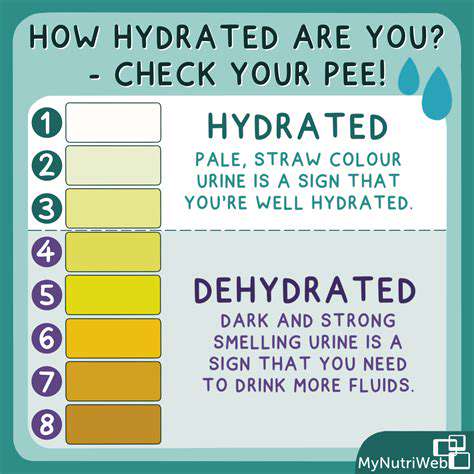
Recognizing the signs of dehydration is crucial for maintaining running performance. Runners should not ignore feelings of thirst, as they are one of the body’s early warning signals. If you notice dark-colored urine or prolonged fatigue, it may indicate that hydration levels are dangerously low.
Electrolytes vs. Water
While water is vital for hydration, it's equally important to consider your electrolyte balance. Sodium, potassium, magnesium, and calcium are essential for maintaining fluid balance, particularly during prolonged exertion. Runners engaging in runs lasting over an hour might benefit from electrolyte-rich drinks.
Keep in mind that every runner’s needs are different. Some may prefer using sports drinks, while others might opt for natural sources such as coconut water. Ultimately, it’s beneficial to evaluate your own preferences and requirements when choosing your hydration strategy.
Hydration During Races
During races, it’s imperative to stick to a well-devised hydration strategy. Many events have water stations set up, but knowing when to drink is equally as important as what to drink. If possible, plan to hydrate at intervals rather than waiting until you feel thirsty.
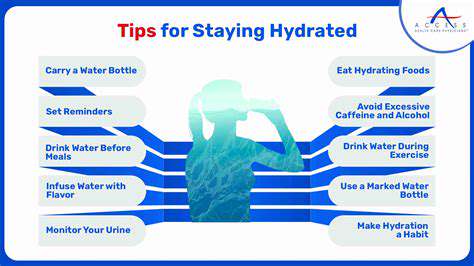
Adhering to a consistent schedule of fluid intake, such as drinking every 15-20 minutes during long races, helps maintain optimal performance. Frequent sips can prevent significant dehydration, allowing you to focus on running instead of worrying about exhaustion.
Post-Run Hydration
After completing a run, proper rehydration is essential for recovery. Consuming water, or electrolyte-rich fluids, within 30 minutes post-exercise helps replenish fluids lost during your run. This practice reduces muscle soreness and speeds up recovery time.
Incorporating protein into your recovery drink can also aid in muscle repair and enhance hydration absorption. Personalizing your post-run hydration routine can make a substantial difference in how your body recovers and prepares for the next run.
Creating a Personalized Hydration Plan
To maximize performance, runners should take the time to create a personalized hydration plan. Start by maintaining a hydration journal during training to note fluid intake, environmental conditions, and overall performance. This data will help you identify patterns, such as how much water you need based on temperature and distance.
Moreover, consulting with a sports nutritionist can provide tailored insights into your Hydration Needs, ensuring they align with your training goals. Ultimately, a well-thought-out hydration strategy should incorporate both water and electrolytes, adapting to your body’s changing needs.
Electrolyte Balance: A Key Component
Understanding Electrolyte Composition
Electrolytes, primarily sodium, potassium, calcium, and magnesium, play critical roles in maintaining fluid balance and transmitting nerve impulses. For runners, these minerals are crucial as they facilitate muscle contractions, ensuring performance doesn't taper off due to cramping or fatigue. According to a study published in the Journal of Sports Science, even mild disturbances in electrolyte levels can significantly impair athletic performance.
It's important to be aware that different activities and environments can alter the required balance of these electrolytes. For example, high-temperature conditions can lead to increased sweating, which results in greater sodium loss. Thus, an athlete might need to adjust their intake based on specific conditions. Individuals participating in longer runs or races may require additional electrolytes beyond what is lost through sweat. Proper hydration strategies, including electrolyte-rich drinks, become particularly essential for endurance athletes.
Strategies for Maintaining Electrolyte Balance
To effectively maintain electrolyte levels, monitoring hydration before, during, and after physical activity is essential. Athletes should consider incorporating electrolyte supplements, such as tablets or powders, into their hydration routines, specifically during longer training sessions or competitions lasting over an hour. Research from the American Journal of Clinical Nutrition highlights that consuming drinks containing a balanced ratio of electrolytes can enhance rehydration following intense physical activity.
Another useful strategy involves dietary considerations before running. Foods that are naturally rich in electrolytes, such as bananas for potassium and nuts for magnesium, should be included in the diet. Moreover, it's vital to experiment with various hydration products during training to determine which offers the best personal results. Every runner has unique needs, so what works for one individual may not yield the same results for another.
Lastly, staying vigilant about hydration levels through urine color charts can be a practical approach for runners. A pale yellow hue typically indicates good hydration, whereas a darker color might suggest a need for increased fluid intake. By engaging in these proactive measures, runners can effectively support their electrolyte balance, contributing to improved endurance and performance on race day.
Choosing the Right Hydration Products
Understanding Electrolyte Balance
Electrolytes play a critical role in hydration, particularly for runners. Sodium, potassium, calcium, and magnesium are essential for maintaining fluid balance, nerve function, and muscle contraction. Loss of these minerals through sweat can lead to cramping and reduced performance. According to the American College of Sports Medicine, endurance athletes should monitor their electrolyte levels during extended workouts.
When selecting hydration products, look for those that contain a mix of electrolytes. Research shows that drinks with a balanced electrolyte formula can help improve endurance by preventing dehydration and fatigue. Products with sodium and potassium are particularly beneficial, as they help to retain fluids and encourage better absorption in the body.
Evaluating Hydration Methods
There are various methods to stay hydrated while running, each with unique advantages. Traditional water bottles, hydration packs, and electrolyte tablets are popular among runners. Water bottles offer convenience, while hydration packs allow for hands-free hydration on longer runs. On the other hand, tablets provide a quick way to enhance regular water without added sugars.
Personal preference and the specifics of your running routine should guide your choice. If you're engaging in a long-distance run, you may want to plan ahead and test out each method in your training sessions. Find what works comfortably for you in terms of portability and ease of use.
Choosing Between Liquid and Powdered Solutions
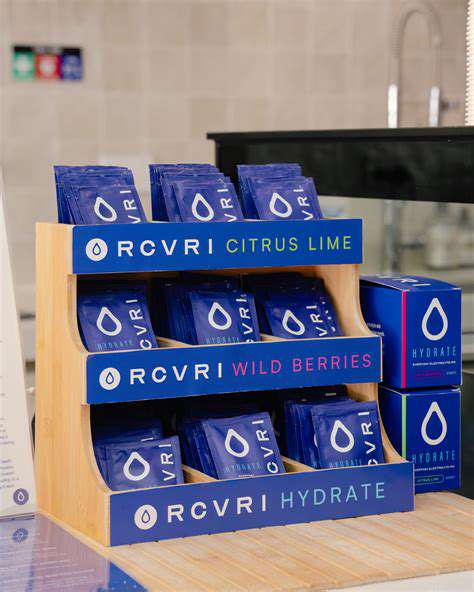
Liquid hydration products are ready to consume and often provide immediate relief from thirst. They're convenient but may contain additional sugars or unnecessary calories. On the other hand, powdered electrolyte solutions offer flexibility and can be adjusted based on personal taste preferences or specific hydration needs. This adaptability can be particularly useful during training when you can fine-tune your intake based on the intensity of your workouts.
Research supports that powdered solutions can be as effective as ready-to-drink beverages when mixed correctly. Pay attention to the recommended dilution ratios, as too concentrated a solution can lead to digestive discomfort during runs.
Reading Nutrition Labels for Informed Choices
When purchasing hydration products, scrutinizing the Nutrition labels is crucial. Look for key components: a low sugar content, a sufficient amount of electrolytes per serving, and the absence of artificial ingredients. Studies indicate that high sugar levels can lead to an upset stomach and a quick spike-and-drop in energy during running.
Also, consider the serving size. Some products may appear appealing, but their effective serving may differ significantly, impacting your hydration strategy. Familiarizing yourself with labeling can help you make informed decisions and ensure your body receives the necessary nutrients for optimal performance.
Experimenting with Timing and Quantity
Hydration isn’t just about what you drink; it's also about when and how much you consume. Many experts recommend starting comprehensive hydration hours before your run. This practice can help your body store the necessary fluids and electrolytes. A guideline from the National Athletic Trainers' Association suggests consuming at least 500 ml of water two hours before a run to establish good hydration levels ahead of time.
During a run, sipping small amounts of your chosen hydration solution every 15-20 minutes is often more effective than downing large quantities at once. This approach helps to maintain a steady intake and prevents bloating or discomfort, ensuring you remain focused on your distance and pace.
Personalizing Your Hydration Strategy
Ultimately, the best hydration products and strategies are tailored specifically to your physiology and preferences. Factors such as your body weight, sweat rate, and local climate conditions play significant roles in determining your ideal hydration needs. For instance, if you tend to sweat heavily, you may need a product with a higher sodium content to help combat imbalances.
It’s beneficial to keep a running diary of your hydration practices to assess what works best for you in various conditions and workouts. Through continuous testing and adaptation, you'll find your optimal hydration strategy that best supports your running performance and endurance.
Listening to Your Body: Hydration Awareness
Understanding the Importance of Hydration
Hydration plays a crucial role in overall health, particularly for runners who require optimal performance levels during their workouts. The human body is comprised of approximately 60% water, which signifies just how essential proper hydration is. Staying hydrated supports various vital functions such as regulating body temperature, lubricating joints, and transporting nutrients throughout the body.
Research indicates that even mild dehydration can lead to decreased performance, reduced endurance, and increased fatigue during physical activities. A pivotal study published in the Journal of Sports Sciences highlights that athletes can experience a decrease in performance by up to 20% with just a 2% loss in body weight due to fluid loss. This fact alone emphasizes the need to maintain adequate hydration before, during, and after running sessions.
Listening to Your Body’s Signals
It's essential for runners to develop an awareness of their bodies' hydration signals. Often, thirst is the most common indicator that your body needs replenishment. However, runners should note that thirst may not always be a reliable gauge for hydration needs, particularly during extensive training sessions, where one might overlook early signs of dehydration due to focus or fatigue.
Other signals include dark urine, fatigue, and dizziness, which can serve as warnings that hydration levels are dropping. Paying attention to these signs helps runners make more informed decisions regarding their hydration strategies. A practical tip is to monitor urine color; light yellow generally indicates proper hydration while darker shades suggest a need for more fluid intake.
Hydration Strategies for Long Runs
For runners planning long-distance sessions, implementing a structured hydration strategy before and during their runs is vital. Research suggests drinking between 500 and 750 ml of water two to three hours prior to hitting the road can help optimize hydration levels. Additionally, consider hydrating with electrolyte-rich drinks, especially in warmer conditions, to combat the loss of sodium during perspiration.
During the run, it's recommended to drink approximately 150 to 250 ml of fluids every 15 to 20 minutes, depending on weather conditions and individual sweat rates. By doing so, runners can prevent dehydration and maintain energy levels, ensuring a better performance overall.
Replenishing After Exercise
Rehydration is just as critical after running as it is during the activity. Post-exercise hydration helps to restore lost fluids and aids in recovery. A general guideline suggests that runners should aim to replace 150% of the fluid lost during exercise to promote faster recovery. This equals about 1.5 liters of fluid for every kilogram of body weight lost during the run.
The consumption of water and electrolyte-rich beverages, such as sports drinks, can both assist in replenishing lost sodium and facilitate fluid absorption, leading to quicker recovery times. Adding foods with high water content, like fruits and vegetables, can also contribute to your hydration needs after exercise.
Choosing the Right Hydration Products
Not all hydration products are created equal. Runners must select fluids that effectively support their individual needs, particularly during intense training or competitive settings. Water is often the primary choice for most runs; however, during prolonged efforts exceeding 90 minutes, electrolyte drinks become crucial to replace lost sodium and other minerals.
It’s wise to opt for beverages containing a balance of carbohydrates and electrolytes for extended sessions, as they help sustain energy levels and maintain hydration. Research from the American College of Sports Medicine recommends drinks with 4-8% carbohydrates as ideal for endurance activities. Always test different products during training to determine what works best for your body.
Staying Hydrated in Different Conditions
Weather conditions can significantly influence hydration strategies. In hot and humid environments, your body typically loses fluids at a faster rate due to increased sweating. To combat this, it’s paramount to adjust hydration strategies by increasing your fluid intake—both prior to and during your run. Runners should plan their routes around access to water sources whenever possible or carry hydration packs for longer distances.
In colder climates, while one may not feel as thirsty, dehydration can still occur because of diuretic effects and increased respiratory fluid loss. Monitoring fluid intake during winter runs is essential to avoid under-hydration, which can also impact performance. Regardless of the climate, maintaining a consistent hydration schedule will always yield better results for endurance sports.
Read more about Hydration Strategies for Runners: Boosting Endurance Safely