Injury Prevention
Core Strengthening
Core Strength
Athletic Performance
Core Stability
Muscle Development

Strengthening Your Obliques for Better Back Support

Essential for Safety and Effectiveness

Proper form is non-negotiable when executing any strength exercise, notably those targeting the obliques. Engaging the core properly ensures that you’re not just using momentum to complete each rep. Poor form can also lead to injuries, particularly in the lumbar region. Always align your body correctly and maintain a neutral spine during all exercises.

An important setup tip for side planks is ensuring that your elbow is directly beneath your shoulder to avoid unnecessary strain. Moreover, focusing on your breathing while working your obliques can enhance muscle activation and overall effectiveness. Taking a moment to adjust your form can make a significant difference in your results.

Progression: Increasing the Challenge for Better Results

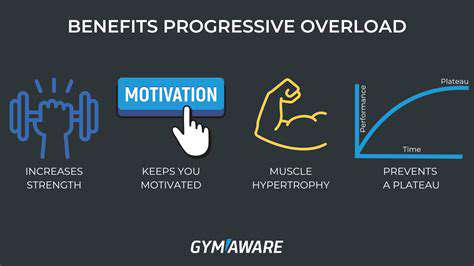
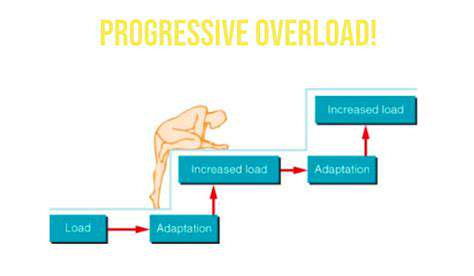
Once you've mastered basic oblique exercises, progression is essential for continued growth. Increasing the weight for Russian twists or extending the duration of your side plank can significantly enhance strength gains. Training-related research indicates that progressive overload is the cornerstone of muscle development and endurance.

Incorporating advanced variations, such as twisting medicine ball throws or using cables for woodchoppers, can introduce new challenges for the obliques. These methods not only keep your workouts exciting but also promote muscle hypertrophy, which is key for consistent improvement.

Frequency and Recovery: Balancing Your Routine

When it comes to strength training, consistency is vital, yet recovery should not be overlooked. While training your obliques is essential for support and stability, overtraining can lead to fatigue and hinder progress. Experts recommend targeting the obliques two to three times per week. This frequency allows for adequate muscle recovery, aligning with the principles of effective strength training.

Incorporating rest days and balancing your oblique workouts with exercises for other core muscle groups ensures that your routine is comprehensive. Don’t forget to listen to your body; if you experience discomfort, it might be time to reassess your training plan.

Nutrition: Fueling Your Oblique Training

Nutrition plays an underlying role in muscle development and recovery. Keeping your body adequately fueled can lead to better performance in oblique exercises. Consuming protein-rich foods post-workout aids recovery and helps muscle repair. Additionally, a balanced diet rich in whole grains, lean proteins, and healthy fats supports overall fitness goals.

Hydration cannot be overstated, as it impacts muscle function and recovery. Adequate water intake promotes optimal performance and prevents fatigue during workouts. Consider integrating nutrients aimed at reducing inflammation, such as omega-3 fatty acids, to support recovery after intense oblique training sessions.

Real-Life Impacts of Strong Obliques

Strengthening your obliques goes beyond aesthetics; it’s deeply tied to functional fitness and overall health. For instance, improved core stability allows for better performance in sports and reduces the risk of injuries during physical activities. Additionally, strong obliques contribute to better posture, which can diminish chronic back pain associated with sedentary lifestyles.

In conclusion, prioritizing oblique training can lead to numerous real-life benefits, enhancing both athletic performance and daily quality of life. The investments made in strengthening these muscles translate directly into functional capabilities that enhance your overall health. Lastly, considering how interconnected the body's muscle groups are, building stronger obliques contributes to an overall more resilient core.

Read more about Strengthening Your Obliques for Better Back Support
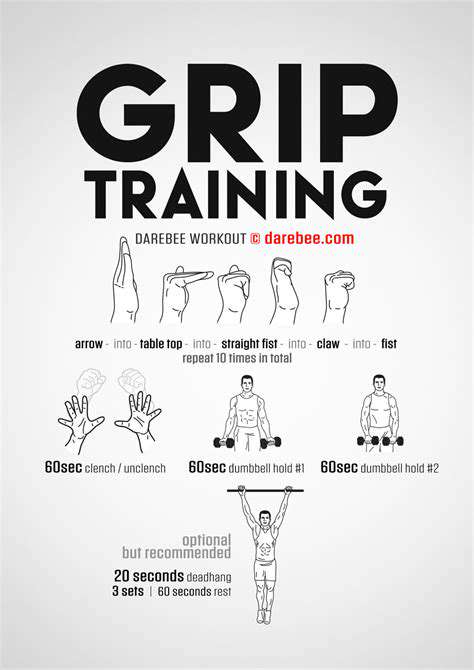
Best Exercises for Improving Grip Strength
May 07, 2025
Best Exercises for Core Strength and Stability
May 12, 2025
How to Recover Faster After Workouts [Tips & Techniques]
Jul 05, 2025
Best Exercises for Building Strong Calves
Jul 18, 2025
2 effort ratio to more advanced variations such as hill sprints or fartlek training. Focus on Proper Form and TechniqueMaximize your running efficiency by focusing on correct form. Proper alignment—keeping your head over your shoulders and core engaged—can prevent injuries and improve your pace. Essential techniques include maintaining an upright posture, relaxed arms, and a short stride for better cadence. Build a Solid Base with Endurance TrainingEndurance training is the foundation of successful running. Gradually increasing your long run distance while integrating diverse workouts like tempo runs can enhance stamina and mental resilience. Committing to a steady state of aerobic workouts will improve both your overall speed and mental toughness. Incorporate Strength TrainingStrength training is critical for runners, offering benefits such as improved speed and muscle endurance. Target key muscle groups through exercises like squats, lunges, and planks to build effects that translate into running performance. Regular integration of these exercises into your schedule can lead to significant results. Listen to Your Body and RestRest is a crucial element of any training regiment, playing a vital role in muscle recovery and performance enhancement. Listening to your body is essential; if you’re experiencing fatigue or pain, it may be time to incorporate rest days or lighter activities to ensure long-term health and progress. Tracking Progress and Setting GoalsMonitoring your advancements using running apps or journals can keep you motivated and help identify areas for improvement. Set realistic short-term and long-term objectives to measure your progress in both running and strength training, ensuring constant growth and adaptation in your fitness journey.---Elevate your running game by integrating these methods into your routine. Not only will you improve your speed and endurance, but you will also cultivate a sustainable training practice that emphasizes health and well-being. Start now, and see the difference!
Mar 03, 2026
Understanding Common PitfallsAchieving optimal running performance requires understanding and addressing various factors that contribute to inefficiencies and injuries. In this guide, we’ll explore important topics like poor running form, inconsistent training plans, neglecting strength training, and improper footwear, providing actionable tips to enhance your running experience. Identifying Poor Running Form Common Causes of Poor Running FormPoor running form is often a result of muscle imbalances, improper footwear, and mental distractions. Factors like weak hamstrings or tight hip flexors can lead to inefficient strides, affecting speed and increasing fatigue. Impact on SpeedRunning with bad form can slow you down significantly—research shows that proper form can enhance speed by 10% to 30%. Additionally, poor mechanics raise energy expenditure, leading to quicker fatigue. Exercises to Improve FormIncorporating core strengthening exercises, dynamic drills, and flexibility routines can greatly enhance your running form and overall efficiency. Professional guidance can accelerate this process by tailoring exercises to your specific weaknesses. Importance of Consistent TrainingConsistency is crucial for improvement. Inconsistent training can stall progress and increase injury risks. A structured training plan incorporating speed work and rest days enhances adaptation and performance. Runners should monitor their routines to prevent overtraining and ensure appropriate recovery periods. The Role of Strength TrainingRunners often overlook strength training, which is vital for improving speed, efficiency, and injury prevention. Incorporating weight training can enhance muscular strength, leading to better impact absorption during runs. Aim for two strength training sessions weekly, focusing on compound movements like squats and deadlifts. Recovery and NutritionRecovery is just as critical as the training itself. Ignoring recovery can lead to injuries and burnout. Incorporating rest days alongside practices like yoga aids both physical and mental recovery. Nutrition also plays a pivotal role in running performance; a balanced diet rich in carbohydrates, proteins, and hydration is essential for optimal energy levels and recovery. Timing your meals before and after workouts significantly affects performance. Selecting Proper FootwearImproper footwear can exacerbate running form issues. Choosing shoes that fit properly, cater to your arch type, and provide appropriate cushioning is essential. Regular gait analysis at specialty running stores can help ensure that you find the best footwear for your running style. Remember to replace shoes every 300 to 500 miles to maintain optimal performance. Overcoming MythsIt’s important to dispel common myths surrounding running shoes and training practices, such as the notion that higher-priced shoes guarantee better performance. The best choice is always the one that fits your specific biomechanics and running needs. Take Your Running to the Next LevelBy addressing these areas, runners can significantly enhance performance, reduce injury risks, and enjoy a more fulfilling running experience. Implement consistent training, strength workouts, proper recovery, and the right footwear to see measurable improvements in your running journey. Enhancing your running isn't just about pounding the pavement; it requires holistic attention to your training, biomechanics, and recovery strategies.
Mar 05, 2026
posture, foot strike, and arm movement. Proper alignment and technique will enhance efficiency and reduce injury risk. Implementing methods like rhythmic breathing can significantly improve endurance. Setting Realistic Goals and Tracking ProgressRegularly assess your training and adjust your goals as needed. Utilize tracking tools like mobile apps to monitor your progress and keep your motivation high. A training journal documenting your workouts and feelings can help refine your personalized training strategy. Mental Preparation for Race DayMaster mental strategies such as visualization and positive self-talk to combat pre-race anxiety and boost confidence. Plan each race day thoroughly to ensure you know your goals, pacing strategy, and the course layout. Conclusion Creating a structured training regimen for your first 5K is an evolving journey that combines physical readiness and mental preparedness. By adhering to this guide, you'll be on the path to achieving your goals and enjoying the process of becoming a proficient runner. Celebrate your success on race day while setting the groundwork for future accomplishments in your running journey.---Ready to lace up your running shoes and start your training? Dive into these strategies today, and you’ll be well on your way to crossing the finish line with confidence!
Mar 07, 2026
- Deadlifts: A fundamental exercise that targets the entire back, helping to enhance strength and stability.- Back Extensions: Isolates the erector spinae, crucial for muscle activation and growth.- Superman Lifts: Effectively engages the erector spinae while also targeting the glutes and hamstrings.- Bird Dogs: Provides a holistic approach to core and back stabilization.To maximize benefits, focus on proper form during these exercises and gradually increase resistance. Importance of Technique and SafetyCorrect technique is paramount for preventing injuries. When performing movements like deadlifts, maintain a neutral spine and avoid using excessive weight initially. Always prioritize warm-ups and cooldowns to enhance flexibility and prevent post-workout tightness. Recognizing your body’s signals is essential; stop any exercise if sharp or persistent pain occurs. Making Strengthening a HabitBuilding a consistent exercise routine is key to developing strong erector spinae muscles. Regularly tracking your progress—whether through strength gains or improved flexibility—can help keep you motivated. Incorporating a variety of exercises into your regimen ensures comprehensive muscle development. For example, combine erector spinae work with core stability exercises to promote better spinal alignment. Nutrition and RecoveryDon’t overlook the role of nutrition in your strength training journey. Adequate protein intake supports muscle repair, while balanced meals and hydration are essential for overall performance. Being consistent with your routine and focusing on recovery strategies, such as yoga or stretching, is vital in maintaining back health. ConclusionStrengthening the erector spinae muscles leads to improved posture, reduced pain, and enhanced functionality in everyday activities. By committing to effective exercises, focusing on proper technique, and ensuring a balanced approach to training, you pave the way for a healthier, more active life. Prioritize your back health today for a pain-free tomorrow.
Mar 12, 2026
carbohydrates, proteins, and fats. Carbohydrates are vital for replenishing glycogen stores that can become depleted during endurance activities, while proteins are essential for muscle repair and recovery. Including healthy fats can contribute to overall energy balance and support recovery processes. CarbohydratesRefueling with carbohydrates is crucial immediately after a run. Aim for 1-1.5 grams of carbohydrates per kilogram of body weight for effective rejuvenation. Foods like whole grain bread, sweet potatoes, and fruits provide vital energy and nutrients. Combining simple carbs, such as bananas, with complex sources like oatmeal, can offer both immediate and sustained energy boosts. ProteinsTo aid muscle repair, consume 20-30 grams of protein post-run. Lean meats, dairy, eggs, and plant-based sources such as lentils and beans are excellent choices to enhance muscle protein synthesis. Consuming protein within the first 30-60 minutes post-exercise can significantly reduce muscle soreness. Healthy FatsIncluding moderate amounts of healthy fats, like those found in avocados or nuts, can help reduce inflammation and aid nutrient absorption. Omega-3 fatty acids, particularly, are beneficial for recovery. Hydration: An Essential ComponentHydration is often underestimated in post-run nutrition. Losing fluids during running can adversely affect recovery and performance. Athletes should aim for 500-700 ml of fluid intake within two hours after a run. Sports drinks rich in electrolytes are particularly useful for restoring the essential minerals lost through sweat. Timing MattersOptimal nutrition timing involves consuming a post-run meal within 30-60 minutes. This timeframe allows your muscles to effectively absorb the nutrients necessary for recovery. Quick options like smoothies made with protein powder and fruit or oatmeal topped with yogurt and berries provide an excellent balance of carbohydrates, protein, and healthy fats. Personalizing Your Nutrition StrategyUnderstanding that everyone's body reacts differently to food is crucial for personalizing your post-run diet. Keeping a food journal can help identify what meals enhance your energy and recovery. Consulting with a sports nutritionist can also be beneficial in tailoring your meal plans to your specific needs and running goals. ConclusionIncorporating a well-balanced nutritional strategy after running sessions can dramatically enhance your recovery and performance. Prioritize macronutrients, hydration, and meal timing to maximize the benefits of your hard work on the track. Whether you're a recreational runner or training for a marathon, effective post-run nutrition will aid in achieving your fitness goals and maintaining overall health.
Mar 12, 2026
- Increased Mitochondrial Density: Boosts energy production capabilities.- Enhanced Capillary Density: Improves blood flow to muscles for better performance.- Faster Recovery: Reduces downtime between high-intensity training sessions. Optimizing Your Training ScheduleTo incorporate aerobic base building effectively, your training plan should balance long, slow runs with recovery and faster sessions. Aim for two to three aerobic workouts weekly while allowing time for recovery. A diverse weekly training regimen will ensure a solid aerobic base and optimal performance during speed sessions. Debunking Myths about Slow RunningContrary to common beliefs, slow runs play an integral role in building endurance and mental resilience. They allow runners to increase training volume safely, thus preparing the body for race day without the risk of injury. Emphasizing that slower runs are as crucial as faster workouts is key for optimizing overall race times. Monitoring Your ProgressTrack your improvements in aerobic capacity through heart rate metrics and perceived exertion. Monitoring these factors can provide valuable insights into your fitness level. Conducting structured time trials at paces will also help gauge your progress over time. Nutrition as a Performance CatalystEffective nutritional strategies are essential for enhancing your aerobic base. Consuming a balanced diet rich in carbohydrates, proteins, and fats fuels long training sessions. Hydration must be prioritized for optimal cardiovascular function. Pre-run meals should focus on easy-to-digest carbohydrates, while post-run nutrition should facilitate recovery and replenishment. Lifelong Commitment to Aerobic Base BuildingFor endurance athletes, aerobic base building is a long-term commitment essential for success. Maintaining an aerobic base influences overall race performance and recovery capabilities, making it a crucial aspect of any runner's journey. In conclusion, slow runs and effective aerobic training are indispensable tools for achieving faster race times. By regularly integrating these strategies into your training regimen, you are setting the groundwork for speed development and overall improved performance.---By focusing on aerobic base building, nutritional strategies, and smart training schedules, you can enhance your running performance and achieve your fitness goals. Start incorporating these techniques into your routine today, and see the difference they can make on race day.
Mar 14, 2026
Treadmill vs. Outdoor RunningIn the quest for fitness, runners often face the dilemma of choosing between treadmill workouts and outdoor runs. This comprehensive analysis compares these two popular running methods, focusing on performance metrics, injury risks, mental engagement, convenience, and more. Performance Metrics Consistency and PaceTreadmill running allows for a more controlled environment, leading to consistent pacing. On average, runners achieve a steadier speed on treadmills, while outdoor runners contend with terrain variations, weather conditions, and wind resistance. Heart Rate and Energy ExpenditureHeart Rate Variability (HRV) acts as a crucial indicator of cardiovascular performance. Treadmill workouts typically show lower HRV due to their steady nature, while outdoor running increases heart rate significantly due to environmental stimulations. Notably, research indicates that runners burn more calories outdoors due to these added challenges, making outdoor running a better choice for maximizing calorie expenditure. Injury RatesThe risk of injury is significantly affected by the running environment. Treadmills, with softer surfaces and fewer hazards, generally result in fewer injuries compared to outdoor running, where uneven surfaces pose a greater risk. Mental Focus and Motivation Concentration on WorkoutsWhile treadmill running can eliminate environmental distractions, enhancing mental focus, outdoor running challenges individuals to adapt to varying conditions, which can either detract from focus or serve as a motivator. Encouraging ResilienceThe unpredictability of outdoor environments fosters mental toughness, encouraging runners to push through discomfort. Techniques such as visualization and mindfulness can enhance overall performance and mental engagement in both scenarios. Recovery and Injury Risks Mitigating RisksWhile treadmills provide a safer running alternative, improper form can still lead to injuries. It's important to incorporate proper warm-up routines and strength training to prevent issues. Alternating between treadmill and outdoor running can help maintain joint health and adapt muscles to different terrains. Emotional and Mental RecoveryThe psychological aspects of recovery from running injuries are vital. Engaging with supportive networks and practicing goal-setting and visualization can significantly enhance resilience during recovery. Convenience and Accessibility Indoor BenefitsTreadmill running offers a climate-controlled environment free from external setbacks like weather, making it a reliable choice year-round. Additionally, modern treadmills often come equipped with performance tracking features, allowing users to monitor their metrics closely. PersonalizationWith adjustable settings for speed and incline, treadmills provide customizable workouts suitable for all fitness levels. This adaptability is valuable for tailored training and achieving individual fitness objectives. Cost ConsiderationsInvesting in a treadmill can be a substantial financial commitment. However, for those prioritizing convenience and safety, it may prove worthwhile, particularly in areas without suitable outdoor running routes. ConclusionUltimately, the decision between treadmill and outdoor running depends on individual preferences, goals, and circumstances. By understanding the unique benefits and challenges of each, runners can optimize their training regimens to achieve personal fitness success. Whether one seeks consistency or the thrill of nature, both treadmill and outdoor running have valuable contributions to overall health and well-being.
Mar 16, 2026
Enhance Your Well-Being with Mobility Training Unlocking the Essentials of Mobility TrainingMobility training is vital for improving your joints' range of motion and enhancing overall body movement. This foundational training approach plays a significant role in easing restrictions that could lead to injury, particularly in the lower back. Research from the Journal of Sports Sciences highlights that athletes practicing mobility exercises show improved range of motion and lower injury rates, making mobility training a must for anyone dedicated to lower back health. Key Mobility Exercises for Your Lower Back To effectively target the lower back, consider incorporating exercises like cat-cow stretches, hip flexor stretches, and seated spinal twists into your routine. These movements not only increase flexibility but strengthen the muscles surrounding the spine, allowing for healthier movement patterns. The cat-cow stretch, for example, is particularly effective at releasing tightness from prolonged positions. The Importance of ConsistencyConsistency is critical in reaping the benefits of mobility training. Engaging in mobility exercises for just 15-20 minutes several times a week can significantly boost your flexibility and range of motion. Regular practice helps maintain the improvements you've made, as noted in studies by the American Council on Exercise. Tracking Progress and Making AdjustmentsEvaluating the effectiveness of your mobility training involves tracking your progress. Use simple metrics, like measuring your reach in seated positions, to gain insights into improvements. Always be ready to adjust your routine based on your progress. Consulting a physical therapist can provide personalized insights to help advance your mobility journey. Integrating Mobility Training with Your Fitness RoutineMobility training should not be isolated; instead, it should complement your overall fitness regimen. Whether you're engaged in strength training or cardiovascular workouts, integrating mobility exercises can elevate your performance and lower your injury risk. Incorporate dynamic stretches into your warm-up sessions and consider adding yoga or Pilates to enhance mobility, flexibility, and core strength. Managing Posture for Better MobilityPoor posture creates obstacles in mobility and can exacerbate lower back pain. Maintaining a neutral spine during daily activities helps distribute weight evenly across your back, reducing discomfort. Regularly engaging in exercises that fortify the muscles around the hips, lower back, and core can help maintain proper alignment and improve mobility. Benefits of Regular Mobility TrainingIncorporating mobility training into your routine promotes enhanced flexibility, improved spinal alignment, and overall joint health. Engaging in mobility exercises not only eases discomfort in your lower back but also prepares your body for various daily activities. Additional benefits include better performance in sports and everyday tasks, thereby improving your quality of life. Building a Long-term Mobility HabitFor lasting benefits, make mobility training an integral part of your lifestyle. Consider setting aside specific days for mobility-focused sessions and make use of progress tracking tools like fitness journals or videos. By committing to long-term mobility training, you'll enjoy sustained lower back health, improved physical performance, and a better quality of life. Join communities or groups focused on mobility to stay motivated and engaged in your practice. Discover the transformative effects of mobility training—unlock a healthier, more active lifestyle today!
Mar 17, 2026
View Publications>>

Hot Recommendations