Common Running Mistakes That Kill Your Speed
Contents
Poor running form affects speed and efficiency significantly.
Muscle imbalances and improper footwear contribute to poor running form.
Bad form could reduce speed by 10% to 30% in runners.
Energy expenditure increases with poor running mechanics.
Video analysis can help identify issues in running form.
Incorporating strength training enhances running performance and reduces injuries.
Recovery and nutrition are critical for improved running performance.
Proper footwear selection supports optimal running biomechanics.
Consider your running style when choosing shoes for better performance.
Evaluate cushioning levels to prevent inefficiencies in running.
Regularly replacing shoes maintains support and reduces injury risk.
Poor Running Form

Common Causes of Poor Running Form
Several factors contribute to poor running form, which ultimately significantly affects speed and efficiency. Firstly, muscle imbalances, such as weak hamstrings or tight hip flexors, can cause runners to adopt an inefficient stride. Secondly, improper footwear can lead to inadequate support, resulting in abnormalities in a runner’s posture.
Additionally, mental distractions often play a significant role; a runner's focus can drift, leading to unintentional deviations from an optimal running technique. Understanding the root cause is crucial for any runner aiming to improve both performance and reduce the risk of injury.
Impact of Poor Running Form on Speed
Running form has a direct correlation with speed—an inefficient stride can slow runners down without them even realizing it. Research indicates that runners with proper form can be anywhere from 10% to 30% faster than those struggling with technique. This speed difference highlights why working on form is as essential as training mileage.
Moreover, bad form often leads to increased energy expenditure. A runner wasting energy with over-striding or unnecessary lateral movements will find themselves fatigued much quicker, further degrading performance.
Identifying Your Running Form
To effectively correct poor running form, you must first assess your technique. Video analysis can provide insights, revealing aspects of your form that may be invisible to you. Many local running clubs offer workshops where participants can record and analyze their running. Using feedback from trained coaches can accelerate the improvement process significantly.
Self-awareness is also vital; pay attention to how you feel during a run. Are there any pain points, or does it feel straining? These sensations can serve as indicators of improper form.
Exercises to Improve Running Form
- Strengthening exercises focused on the core, hips, and legs.
- Drills such as high knees and butt kicks to enhance coordination.
- Flexibility routines, particularly for the calves and hip flexors.
Incorporating targeted exercises into your training regimen can drastically improve running form. For instance, core strengthening exercises build stability, which can prevent slouching and promote an upright posture while running. Additionally, flexibility exercises allow for a greater range of motion, optimizing your stride length and efficiency.
Drills designed specifically for form, like high knees or butt kicks, can also reinforce the muscular patterns needed for proper running mechanics, making them integral to any athlete's training routine.
The Role of Professional Guidance
Engaging with a professional coach or trainer can provide you with tailored advice that often pays dividends in performance improvement. A coach can assess your running style, identify weaknesses, and recommend specific drills or exercises to enhance your form. Their expertise can help you avoid common pitfalls and ensure gains are made efficiently.
Moreover, regular check-ins with a coach can help track your progress and adjust your training plan as necessary. Collaborating with someone experienced in the field provides accountability, directing your focus where it is needed most.
Importance of Proper Footwear
Footwear is another critical element influencing running form. Selecting shoes that cater to your foot type and running style can help maintain optimal biomechanics. Runners should seek advice from a specialized running store that offers gait analysis to determine the best shoe for their needs. Wearing the wrong type of shoe can exacerbate form issues, leading to further complications.
Regularly replacing worn-out shoes is essential, as they lose their cushioning and support over time, which affects your running mechanics. A good rule of thumb is to replace running shoes every 300 to 500 miles.
The Psychological Aspect of Running Form
The mental aspect of running form is often overlooked, but it plays a significant role in performance. Psychological factors such as stress, fatigue, and motivation can affect your focus on maintaining proper form. Techniques like visualization can promote better form; before a run, visualize yourself running smoothly and efficiently. This mental rehearsal can be surprisingly effective in improving real-world performance.
Additionally, maintaining a positive mindset while running can encourage you to pay attention to your form. Breaking down the run into smaller goals—such as focusing on your stride for one mile—can also alleviate pressure and provide a structured way to work on form issues.
Inconsistent Training Plans
Understanding the Importance of Consistent Training
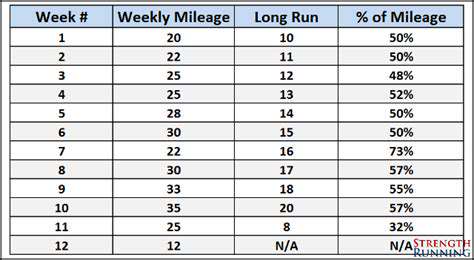
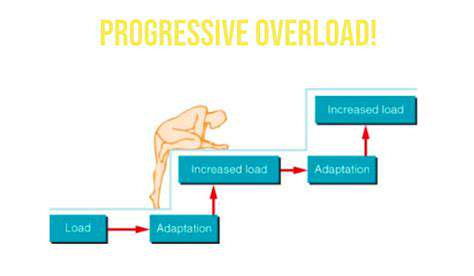
Having a Consistent training plan is vital for runners aiming to improve their speed. Inconsistent routines can lead to a lack of progression and might even result in injury. When training varies too much in intensity or volume, it becomes difficult for the body to adapt adequately. Research indicates that athletes benefit from gradual increases in training loads, which help improve cardiovascular strength and muscular endurance effectively.
For optimal results, Integrating a well-structured training schedule that includes rest days, long runs, and interval sessions is crucial. This balance helps your body recover, while also pushing you to your speed limits. According to a study published in the Journal of Sports Sciences, runners who maintain a steady routine see up to a 20% improvement in their performance over six months compared to those with erratic training practices.
Identifying Common Pitfalls in Training Regimens
One of the primary pitfalls in running training is the temptation to skip rest and recovery days. These days are essential because they allow muscles to repair and grow stronger after being stressed during workouts. Failing to include these rest periods can lead to overtraining, which not only stifles speed improvement but can cause long-term injuries. As an example, research from the American College of Sports Medicine highlights that runners who ignore recovery are more likely to suffer from various ailments and fatigue.
Another mistake is neglecting to incorporate variety into your training plan. Running the same distance at the same pace daily can result in what experts call a training plateau. To alleviate this, consider including hill repeats or fartlek sessions in your routine to challenge different energy systems and muscle groups. This approach can boost both speed and endurance, giving your body the stimulus it needs to adapt and improve.
Creating a Personalized Training Schedule
To address the issue of inconsistent training, it's recommended that runners develop a personalized schedule tailored to their specific goals and needs. Start by assessing your weekly time availability and aligning your workout sessions accordingly. A standard approach could involve alternating between speed work, endurance sessions, and easy runs throughout the week. For instance, scheduling high-intensity intervals on Tuesdays and longer runs on Saturdays can create a productive rhythm.
Moreover, consider monitoring your progress with a training log. Keeping track of your runs and how you feel can provide valuable insights into what works for you and what doesn’t. Statistics reveal that individuals who document their training tend to achieve their goals faster than those who don’t, as they can identify patterns and avoid repeating mistakes. This tool also creates accountability, motivating you to stick to your training plan consistently.
Neglecting Strength Training

Understanding the Importance of Strength Training for Runners
Many runners often focus solely on their running when trying to improve performance. However, Neglecting strength training can be a significant mistake that limits speed and endurance. Research shows that incorporating strength workouts into a running regimen can lead to measurable improvements in speed and efficiency. Studies indicate that runners who participate in strength training can improve their running economy by 6% to 8%, which is substantial for competitive athletes.
Strength training not only enhances muscular strength but also contributes to injury prevention. When muscles are strong, they are better able to absorb impact during high-intensity running, which reduces the risk of common injuries such as shin splints and runner's knee. As such, including activities like squats, deadlifts, and lunges in your routine can create a well-rounded training plan.
Practical Tips for Incorporating Strength Training
- Start with two strength training sessions per week.
- Focus on compound movements for overall muscle engagement.
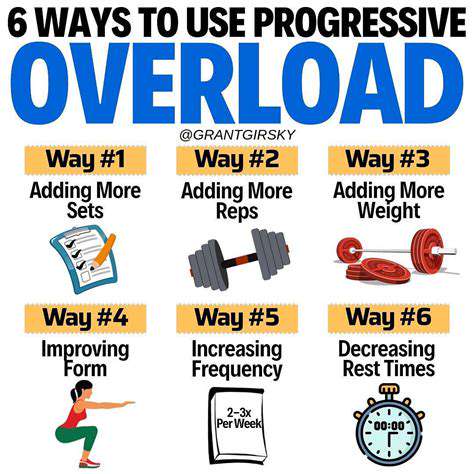
- Gradually increase the weight to continue challenging your muscles.
- Integrate bodyweight exercises to enhance core stability.
When adding strength training to your routine, focus on consistency and gradual progression. Aiming for two sessions per week can provide a solid foundation without overwhelming your running schedule. Incorporating compound movements such as squats and deadlifts will engage multiple muscle groups, enhancing not only your power but also your overall athletic performance.
Moreover, consider incorporating bodyweight exercises like planks and push-ups that improve core stability, essential for maintaining proper form while running. Remember, the goal is to create a balance between running and strength workouts to maximize your speed and prevent injuries effectively.
Ignoring Recovery and Nutrition

Understanding the Importance of Recovery
- Recovery is essential for muscle repair and growth.
- Ignoring recovery can lead to increased injury risks.
- Implementing rest days allows for better performance in the long run.
When runners skip recovery, they overlook a critical component of performance enhancement. During recovery, the body repairs micro-tears in muscle fibers caused by training, allowing them to grow stronger. Without adequate recovery, not only can performance plateau, but the risk of injuries such as strains and overuse syndromes also escalates, impacting long-term running goals. Recent studies suggest that incorporating at least one complete rest day per week can significantly improve performance metrics across various running distances.
It's also worth noting that mental recovery is just as important as physical recovery. Runners often push themselves to their limits without allowing their minds to rest, which can lead to burnout. Incorporating activities like yoga or meditation can help alleviate the mental strain associated with rigorous training schedules. This allows for a more balanced approach to running, ensuring sustainability in the sport.
The Role of Nutrition in Performance
Nutrition plays a vital role in a runner's performance and overall health, yet it is frequently overlooked. What you eat can directly influence your energy levels and recovery capabilities. Consuming a diet rich in carbohydrates, proteins, and healthy fats is essential for fueling runs and aiding muscle repair. Studies indicate that runners who meticulously plan their diet can see improvements in speed and endurance, illustrating that nutrition and performance go hand-in-hand. Additionally, proper hydration levels can enhance cardiovascular efficiency and reduce fatigue during long runs.
Moreover, timing your meals is crucial for optimal performance. Eating the right nutrients before and after training sessions can dramatically affect recovery and energy replenishment. It's advisable for runners to consume a carbohydrate-rich meal two to three hours before a run and to refuel with a good mix of proteins and carbs within 30 minutes post-exercise. This strategy not only aids recovery but can also improve subsequent running sessions. Always remember, paying attention to your nutritional habits could be the difference between hitting your best times and feeling exhausted.
Improper Footwear
Choosing the Right Fit
One of the cardinal rules of purchasing running shoes is to ensure they fit properly. A shoe that is either too tight or too loose can lead to blisters, calluses, and, in severe cases, plantar fasciitis. According to experts, the best time to try on shoes is in the afternoon when your feet are slightly swollen from daily activities, allowing for a more accurate fit.
Additionally, pay attention to the width and arch support of the shoe. Many runners overlook the importance of these features, leading to discomfort and progressive injuries. You should ideally have a thumb's width between your longest toe and the end of the shoe, ensuring adequate space for foot movement.
Understanding Your Running Style
Your running style—whether you’re a heel striker, midfoot striker, or forefoot striker—plays a significant role in your shoe choice. Shoes are designed differently depending on the impact zone of your foot. For example, heel strikers may benefit from extra cushioning, while forefoot strikers may need firmer soles. Consulting a gait analysis can help biomechanists determine which shoe type is best suited for your running form.
The Importance of Arch Support
Not all runners have the same arch structure, and this feature dramatically affects how your foot distributes weight as you run. Runners with flat feet might require stability shoes, providing the necessary arch support, while those with high arches may need cushioning shoes to reduce the impact on their joints.
Research shows that using the correct arch support can significantly reduce the risk of common injuries, such as shin splints and tendonitis. It’s advisable to consult with a podiatrist or a specialized fitting expert to determine your arch type and identify the right footwear.
Material Matters
The materials used in running shoes are crucial for performance. Breathable mesh can help keep your feet cool, while durable rubber outsoles ensure better traction. When shopping for running shoes, look for those made with lightweight, moisture-wicking materials. Regularly reviewing technical specifications can help you understand which materials enhance longevity and performance.
Furthermore, technology in shoe construction is ever-evolving, and brands often incorporate cutting-edge materials designed to enhance speed and comfort. For instance, some new models utilize carbon-fiber plates for added propulsion.
Evaluating Cushioning Levels
Cushioning can make or break your running experience. Both over-cushioned and under-cushioned shoes can lead to inefficiencies and injuries. A study published in the Journal of Sports Sciences noted that excessive cushioning can result in an unstable running gait, affecting speed and efficiency. Thus, finding a shoe that balances cushioning with ground feel is crucial.
Personal preferences also play a role in this aspect; some runners prefer a softer feel, while others favor a firmer setup. Therefore, trying on different shoes and running on various surfaces can help determine your ideal cushioning level.
Neglecting Shoe Lifespan
Many runners tend to underestimate the lifespan of their shoes. On average, running shoes should be replaced every 300 to 500 miles, depending on factors such as body weight and running style. Wearing shoes past their prime can lead to diminished support and increased injury risk. Keeping track of your mileage on each pair of shoes can help in maintaining optimal performance.
Additionally, the wear and tear on the sole can visually indicate when it’s time to invest in new footwear. Regularly examining the outsole for uneven wear or significant compression can provide important clues about its longevity.
Common Myths About Running Shoes
The running community is rife with myths, particularly around footwear. One common misconception is that expensive shoes automatically yield better performance, but this isn’t always true. It’s vital to match the shoe to your specific foot mechanics and running preferences rather than sticking to high-priced models.
Another myth is that all running shoes are suitable for all surfaces. Trail running shoes, for instance, are specifically designed for rugged terrain and can differ greatly from road-running shoes. Understanding these distinctions helps to avoid unnecessary injuries and improves your overall running experience.
Read more about Common Running Mistakes That Kill Your Speed








Hot Recommendations
-
*How to Stay Motivated for Early Morning Runs
-
*The Relationship Between Gratitude and Stress Hormones
-
*Superfoods for Weight Loss: Fact vs. Fiction
-
*Is Your Mattress Causing Your Lower Back Pain?
-
*How a Gratitude Jar Can Improve Your Family’s Health
-
*Low Carb Cooking Tips for Rapid Weight Loss Results
-
*The Benefits of Inversion Tables for Lower Back Pain
-
*Healthy Stir Fry Recipes for Quick Nutritious Meals
-
*Common Causes of Lower Back Pain and How to Fix Them
-
*Guide to Building Optimism and a Positive Outlook