Post Run Nutrition: What to Eat for Maximum Endurance
Understanding Macronutrients
Macronutrients are the primary nutrients your body needs in large amounts to function properly. They include carbohydrates, proteins, and fats, each serving distinct purposes in post-run recovery. Carbs are crucial for replenishing glycogen stores in muscles, while proteins help repair muscle tissue.
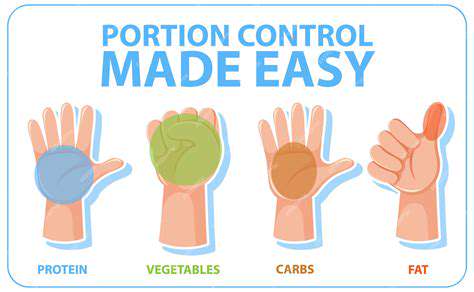
Fats, often misunderstood, are vital for overall health, especially for endurance athletes. Incorporating a balanced ratio of these macros can enhance recovery. Research indicates that a combination of 3:1 carbs to protein is often optimal after strenuous exercise for restoration and muscle repair.
The Role of Carbohydrates
Carbohydrates are essential for refueling energy stores after a rigorous workout. After running, your glycogen levels are depleted, and addressing this is critical. Foods rich in complex carbs like brown rice or quinoa not only boost glycogen but also offer sustained energy, keeping you feeling full longer.
According to sports nutrition guidelines, a post-run meal should contain approximately 1-1.5 grams of carbs per kilogram of body weight. This means that a runner weighing 70 kg should aim for 70-105 grams of carbohydrates to enhance recovery effectively.
Importance of Protein
Protein’s role post-workout is primarily to support muscle recovery and growth. Consuming protein within the first 30-60 minutes post-run is ideal. Lean meats, dairy, or plant-based sources like lentils provide the necessary amino acids needed for muscle repair and growth.
A vital aspect of protein consumption is its timing. Studies show that athletes consuming protein right after exercise see a significant reduction in muscle soreness and damage over time. Aiming for 20-30 grams of protein post-run is beneficial for most individuals.
Including Healthy Fats
Healthy fats often get overlooked in post-run nutrition discussions, yet they play a supportive role in reducing inflammation and aiding nutrient absorption. Omega-3 fatty acids, found in fish like salmon or chia seeds, help combat muscle soreness and improve overall recovery.
Hydration: The Unsung Hero
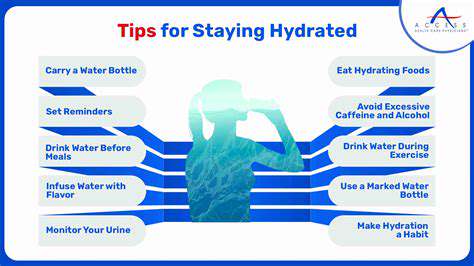
Hydration is a fundamental yet often neglected aspect of post-run nutrition. Losing fluids during running can lead to dehydration, negatively impacting recovery and overall performance. Replenishing fluids with water and electrolytes is crucial. Sports drinks or coconut water can ensure that you restore lost electrolytes efficiently.
Experts recommend consuming at least 500-700 ml of fluids in the two hours following a run to encourage effective rehydration. Remember that individual needs can vary based on the intensity and duration of the run, so listening to your body is key.
Meal Timing and Composition
The timing of your post-run meal can greatly influence recovery. Eating within 30-60 minutes is often recommended, as this is when your muscles are most receptive to nutrients. This critical window allows you to maximize glycogen replenishment and protein synthesis, both vital for recovery.
A well-structured post-run meal might include a smoothie with a banana (for carbohydrates), protein powder, and a spoonful of almond butter (for healthy fats). This combination not only meets macro needs but is also quick and easy, ensuring you get the nutrients you need even when busy.
Sample Post-Run Meals
Creating a post-run meal that meets your macronutrient needs can be simple and delicious. For instance, a bowl of oatmeal topped with berries and Greek yogurt offers a perfect balance of carbohydrates, protein, and healthy fats. Alternatively, a wrap filled with turkey, spinach, and avocado makes for a nutrient-dense choice.
It’s crucial to tailor your meals to your taste preferences and dietary restrictions. Whether you’re vegan, vegetarian, or a meat lover, the important thing is to ensure you’re meeting your macro requirements effectively for optimal recovery.
Top Foods for Post-Run Recovery
Essential Carbohydrates for Energy Restoration
Carbohydrates are critical for replenishing glycogen stores after intense running. During a run, muscle glycogen is depleted, and consuming carbs post-exercise can significantly aid in recovery. Aiming for a carbohydrate intake of around 1.2 grams per kilogram of body weight within the first hour post-run can enhance recovery. Foods like whole grain bread, brown rice, and sweet potatoes are excellent sources that not only provide carbs but also offer other vital nutrients.
Research indicates that a blend of simple and complex carbohydrates is ideal after a run. For example, a banana is a quick source of simple sugars that provides immediate energy, while paired with a serving of oatmeal, it delivers sustained energy through complex carbohydrates. This strategy not only helps restore energy levels but also promotes muscle recovery through enhanced nutrient absorption.
Importance of Proteins for Muscle Repair
After running, your muscles undergo repair and reconstruction, which is where protein plays a pivotal role. Consuming protein-rich foods helps stimulate muscle protein synthesis, repairing the micro-tears caused during running. A post-run intake of approximately 20-30 grams of protein can significantly aid this process. Lean meats, eggs, and dairy products like yogurt are all excellent sources of protein that bolster recovery.
Incorporating protein into your post-run meal can be simple. For instance, a smoothie with Greek yogurt, a scoop of protein powder, and some fruit can create a powerful recovery drink in less than five minutes. Additionally, many sports nutritionists recommend a 3:1 or 4:1 ratio of carbohydrates to protein for optimal recovery. So, consider a turkey sandwich on whole-grain bread for a balanced post-run meal that satisfies your recovery needs and taste buds.
Hydration: An Essential Component
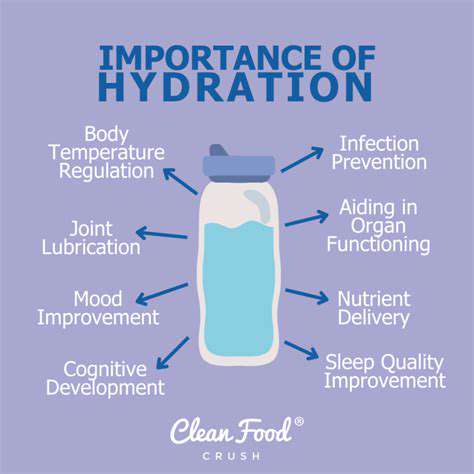
Understanding Your Hydration Needs
Proper hydration is vital for enhancing athletic performance and overall health. Athletes should strive to maintain a balance of electrolytes and water before, during, and after exercise. Dehydration can lead to a decrease in performance, increased risk of injury, and longer recovery times, impacting an athlete's ability to train effectively.
- Aim for at least 16-20 ounces of water two hours before running.
- Consider sports drinks that contain electrolytes during longer runs.
- Post-run, replace lost fluids by drinking at least 24 ounces for every pound lost.
Understanding your individual hydration needs can vary based on factors like body weight, temperature, and intensity of the workout. It's important to listen to your body and drink when thirsty, but also to be proactive in preventing dehydration.
Strategies for Effective Hydration
Creating a hydration plan tailored to your specific activities can significantly improve endurance. This means incorporating both water and electrolyte beverages into your routine. For example, if running for more than an hour, aim to consume electrolyte-rich fluids to replenish sodium and potassium levels.
Additionally, consider using hydration monitoring tools, such as smart water bottles or apps that remind you to drink. Tracking your fluid intake can help establish a personalized hydration strategy that meets your unique needs.
Furthermore, pre-run hydration should not be overlooked. Try to build a habit of drinking water consistently throughout the day. This establishes a reservoir of fluids that supports optimal performance during your workout sessions.
Timing Matters: When to Eat After a Run

Understanding the Importance of Post-Run Nutrition
Post-run nutrition plays a crucial role in how effectively your body recovers. After an intense run, your muscles experience micro-tearing, which requires proper nutrients to repair. Fueling your body adequately can lead to quicker recovery times and less muscle soreness, allowing you to perform better in future runs.
Studies indicate that consuming the right balance of carbohydrates and protein can significantly aid muscle recovery. For instance, a ratio of 3:1 carbohydrates to protein can help replenish glycogen stores and stimulate muscle protein synthesis.
- Proper post-run nutrition accelerates recovery.
- Combining carbs and protein is key for muscle repair.
- Timing your intake can lead to better performance.
Optimal Timeframe for Eating After Running
The window for optimal post-run nutrition is often cited as 30-60 minutes after finishing your workout. During this period, your muscles are particularly receptive to glucose and amino acids, which aid recovery. Waiting too long to refuel can hinder your recovery process.
Moreover, it’s important to note that individual needs can vary based on the intensity of the run and personal metabolism. For longer runs, you might want to focus on consuming a substantial meal sooner rather than later to maximize recovery.
What to Include in Your Post-Run Meal
Your post-run meal should ideally contain a mix of carbohydrates, protein, and healthy fats to ensure comprehensive recovery. Carbs can be found in foods like bananas, rice, or pasta, while lean protein sources can include chicken, fish, or plant-based options like beans or tofu.
Additionally, incorporating healthy fats—such as avocado or nuts—can serve as an essential component for overall health. Hydration is equally important; don't forget to replace lost fluids with water or electrolyte drinks.
Hydration: Its Role in Post-Run Recovery
Many runners underestimate the significance of hydration in recovery. Replenishing lost fluids should occur simultaneously with nutrient intake to promote effective recovery of both muscle and hydration levels. Consider effective hydration strategies such as drinking water before, during, and after your run to maintain peak performance.
Electrolyte drinks can help balance electrolytes lost through sweat, thus enhancing your body's recovery capabilities. Staying properly hydrated can also prevent fatigue and promote better overall health in the long run.
Personalize Your Nutrition Strategy
Everyone's body responds differently to food intake, so it's essential to personalize your post-run nutrition strategy. Take note of how different foods affect your recovery and performance. Keeping a food journal can provide insights into what meals work best for you, enhancing your training routine.
Experiment with various foods to discover what combinations help boost your energy. Consulting with a nutritionist can also provide tailored advice that suits your specific running goals, ensuring you receive a balanced intake of macronutrients post-run.
Read more about Post Run Nutrition: What to Eat for Maximum Endurance


![How to Eat Healthy on a Budget [Tips & Meal Ideas]](/static/images/26/2025-07/SmartShoppingStrategiesforSavingMoney.jpg)




Hot Recommendations
-
*Dairy Free Recipes for Weight Loss and Clear Skin
-
*How Stress Causes Physical Back Pain and How to Stop It
-
*Simple Food Swaps to Reduce Your Daily Calorie Intake
-
*The Science of Spinal Decompression at Home
-
*How to Incorporate Fasted Running for Weight Loss
-
*Lower Back Pain After Running: Causes and Solutions
-
*Hip Flexor Stretches to Relieve Lower Back Tension
-
*How a Positive Mindset Accelerates Physical Healing
-
*Creating a Morning Gratitude Ritual for Daily Focus
-
*How Gratitude Helps You Stay Committed to Fitness Goals