High Volume, Low Calorie Meals for Sustainable Satiety
Fiber is crucial when constructing high-volume, low-calorie meals. It not only promotes digestive health but also increases satiety, making you feel fuller for longer. Research indicates that meals high in fiber can help control hunger and reduce overall caloric intake. Foods like vegetables, legumes, and whole grains are excellent sources that fit seamlessly into nutritious diets.
To put it in perspective, a diet rich in fiber can contain anywhere from 25 to 35 grams per day, according to the Dietary Guidelines for Americans. Incorporating these fiber-rich foods can lead to better weight management and overall health. For instance, a serving of beans can provide almost 10 grams of fiber, enhancing the volume of meals without adding significant calories.
2. The Role of Lean Proteins
Adding Lean Proteins to meals can increase protein intake without piling on calories. Foods like chicken breast, turkey, tofu, and fish are not only satisfying but also beneficial for muscle repair and growth. Including lean proteins in your meals can help enhance fullness and reduce cravings, making it easier to stick to a low-calorie diet.
3. Utilizing Low-Calorie Vegetables
- Vegetables like zucchini, spinach, and celery can significantly contribute to meal volume without many calories.
- These foods can be incorporated in various cooking methods such as steaming, roasting, or stir-frying.
- Adding a variety of colors can also enhance the visual appeal of meals and increase nutrient diversity.
Vegetables are often considered the backbone of high-volume eating. Not only are they packed with vitamins and minerals, but they also contribute minimal calories. For instance, one cup of chopped cucumbers provides only 16 calories while offering essential hydration and nutrients. By maximizing vegetable intake, you can enjoy larger portion sizes, thereby improving overall satisfaction in the diet.
4. Incorporating Healthy Fats Wisely
While fats are calorie-dense, incorporating healthy fats in moderation can enhance flavor and satisfaction in meals. Sources like avocados, nuts, and seeds offer essential fatty acids while providing texture. It's crucial to portion these foods appropriately, as they can easily lead to exceeding caloric goals if overconsumed.
A good strategy is to utilize these fats for flavor enhancement rather than as primary ingredients. For instance, a salad dressed with a teaspoon of olive oil can boost both the taste and health benefits, offering a satisfying contrast to the fresh, crunchy vegetables. Additionally, fats can aid in the absorption of fat-soluble vitamins found in many veggies.
5. Smart Carbohydrate Choices
Choosing carbohydrates that are high in volume and low in calories can be a game changer for meal planning. Whole grains like quinoa, barley, and brown rice are not only nutritious but also provide energy. In contrast, refined grains often lead to quick spikes in blood sugar and subsequent crashes. For sustainable energy, focus on complex carbohydrates.
Moreover, foods like sweet potatoes and legumes can also pack a nutrient punch without excessive calories. They serve as great side dishes or main ingredients in various meals. With appropriate portioning, you can have satisfying meals that do not compromise your caloric goals. Stick with whole, unprocessed carbohydrate sources for better nutrient profiles and satiety.
Simple Strategies to Increase Meal Volume

1. Incorporate Leafy Greens
Adding leafy greens to your meals is a time-tested strategy for increasing volume without dramatically increasing calories. Greens like spinach, kale, and romaine lettuce are low in calories but high in fiber, which can help you feel full. They also add essential nutrients without compromise.
One research study noted that individuals who incorporated more greens into their diets reported greater levels of satiety. You can use these greens in salads, smoothies, or as a base for entrees, ensuring your meals are not only larger but also healthier.
2. Utilize Vegetables as a Base
- Vegetables can replace higher-calorie ingredients.
- They add bulk without significantly increasing caloric intake.
- Common options include cauliflower rice and zucchini noodles.
Using vegetables as a base rather than traditional higher-calorie options can revolutionize your approach to meals. For instance, substituting pasta with zucchini noodles (zoodles) or rice with cauliflower rice can cut down calories while still offering satisfaction in volume. These alternatives are versatile and absorb flavors well, making meal prep enjoyable.
3. Include High-Volume, Low-Calorie Foods
High-volume, low-calorie foods are your best friends when looking to increase meal size without overdoing calories. Foods such as popcorn (without butter), broth-based soups, and certain fruits like watermelon can fill your plate and stomach without the guilt of calorie overload.
Research has shown that the more voluminous your meal, the less overall energy you'll consume. Thus, opting for high-water-content foods can be a smart tactic to satisfy hunger cravings during dieting phases.
4. Integrate Proteins to Maintain Satiety
While increasing meal volume is essential, we can't overlook the role of protein in feeling full. Incorporating lean proteins like grilled chicken, tofu, or legumes can stave off hunger and provide essential nutrients that fuel your body. Protein-rich foods help regulate appetite hormones, making them pivotal in any meal plan aimed at satiety.
A balanced meal combining high-volume veggies and protein can help stabilize blood sugar levels, preventing those annoying cravings that often derail dieters. Try to include a source of protein in each meal to optimize fullness and nutritional benefits.
5. Experiment with Seasonings and Condiments
Flavor plays a crucial role in the enjoyment of meals, which can lead to perceived fullness. Seasoning your meals creatively can enhance taste without adding significant calories. For example, spices like paprika, garlic powder, or fresh herbs allow for rich flavors.
However, be mindful of the quantity used in condiments. While hot sauces and vinegar are generally low in calories, dressings and sauces can add up quickly. Aim to keep condiments light and focus on herbs and spices to elevate your meals without jeopardizing calorie counts.
6. Plan Your Meals Strategically
Meal prepping can be a game changer for anyone looking to manage portion sizes while maintaining high volume. Planning your meals in advance allows for better control over ingredients and gives you the opportunity to load up on acceptable low-calorie options.
Also, remember to choose nutrient-dense foods that contribute to a fuller feeling. Incorporating items like oats, quinoa, and beans can give you a robust meal base that satisfies your hunger. Having a meal plan can lead to more consistent eating habits, ultimately impacting your satiety significantly.
Delicious High-Volume, Low-Calorie Meal Ideas
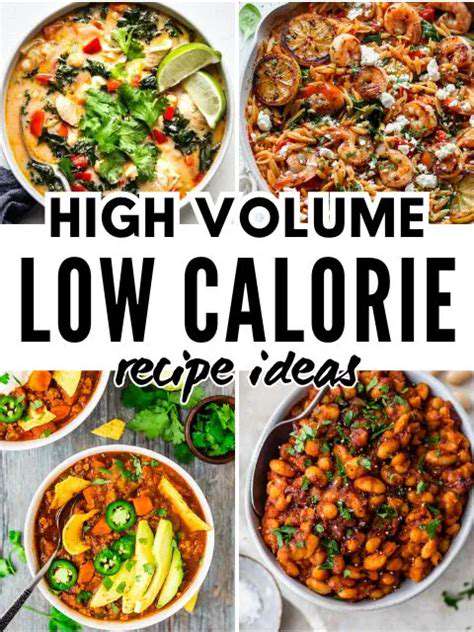
Stylish Salads for Weight Loss
- Incorporate a variety of vegetables to enhance volume.
- Use lean proteins to keep salads satisfying.
- Experiment with dressings that are low-calorie but flavorful.
Salads can be a cornerstone of a high-volume, low-calorie meal plan. To achieve this, focus on using a Diverse array of vegetables, such as leafy greens, cucumbers, and bell peppers. By mixing different colors and textures, you create a more appealing and enjoyable dish.
A great way to amp up the satiety levels is by adding lean proteins. Options like grilled chicken, chickpeas, or tofu help to not only keep you full but also make your meal more nutrient-dense. Research indicates that protein increases feelings of fullness better than carbohydrates or fats, which is essential for weight management.
Hearty Soups for Comfort and Control
Soups can provide both comfort and volume without excessive calories. Opt for broth-based soups packed with vegetables and lean proteins. For example, a large bowl of vegetable soup filled with carrots, tomatoes, and spinach can be both Filling and low in calories, allowing you to enjoy larger portions without the guilt.
Additionally, blending soups can create a creamy texture without adding heavy cream. Pureeing cooked vegetables with seasonings provides a rich, satisfying soup that can be customized to your taste. A study published in the “Journal of Nutrition” highlighted that high-water-content foods, like soups, can lead to decreased calorie intake during meals.
Smart Snacking with Fruits and Veggies
When it comes to snacking, opting for fruits and vegetables is a wise choice for those pursuing low-calorie options. Fresh produce is not only low in calories, but it’s also high in fiber and water content, which can help stave off hunger between meals. Incorporating foods like air-popped popcorn can add crunch without adding too many calories; a typical serving contains only about 30 calories.
For dips, consider using hummus or yogurt-based dressings, which enhance flavor without compromising your calorie goal. These options pair well with an assortment of raw vegetables, making snack time both satisfying and nutritious. If you’re adventurous, mixing fruits into your snacks can also be delightful. Think berry and yogurt parfaits or apple slices with a sprinkle of cinnamon—it’s a sweet treat that won’t weigh you down.
Read more about High Volume, Low Calorie Meals for Sustainable Satiety




![How to Make Healthy Eating a Habit [Tips & Tricks]](/static/images/26/2025-07/SustainingYourMomentum3ALong-TermStrategies.jpg)