How Treadmill Running Compares to Outdoor Speed Work
Comparative Analysis of Performance Metrics
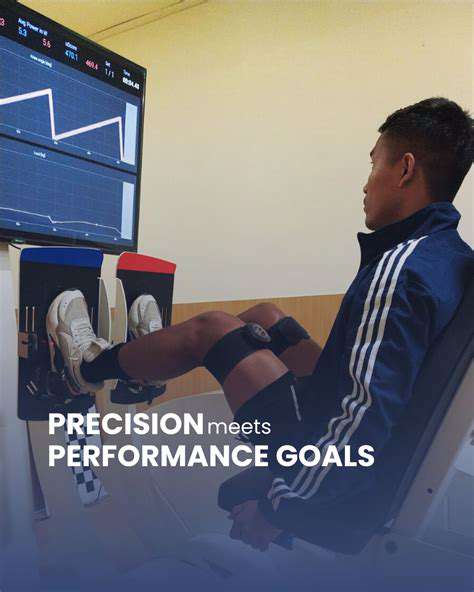
When it comes to evaluating Performance Metrics, it’s essential to consider factors such as speed, endurance, and heart rate response. Research has shown that runners on a treadmill tend to maintain a more consistent pace compared to those running outdoors. The advantage here often comes down to the controlled environment that a treadmill provides, where external elements like wind resistance and elevation changes are eliminated.
Moreover, data gathered from various studies indicate that outdoor running typically produces a higher perceived exertion level, primarily due to environmental variables. These fluctuations in terrain and weather can significantly impact overall performance. Therefore, analyzing treadmills and outdoor running separately can yield clearer understandings of how each affects runners' metrics.
Heart Rate Variability During Runs
Heart Rate Variability (HRV) is a vital indicator of cardiovascular fitness and performance. Studies reveal that runners on a treadmill may exhibit lower HRV due to the consistent, steady nature of their workouts. In contrast, outdoor running often leads to a more substantial increase in HR because of environmental factors, such as navigating hills and varying terrain. This variability enhances the training stimulus and can improve overall cardiovascular health.
Energy Expenditure Comparison
Energy expenditure is another critical metric when comparing treadmill and outdoor running. Treadmill running can often result in lower energy expenditure due to the lack of wind resistance and the mechanical assistance of the treadmill itself. Conversely, research indicates that runners outdoors burn more calories due to these added challenges. Therefore, for those looking to maximize calorie burn, outdoor running may be the more effective option.
- Treadmill running may require less energy expenditure due to lack of resistance.
- Outdoor running encounters natural obstacles that increase calorie burn.
- Individual goals can dictate whether to choose treadmill or outdoor running for energy results.
Injury Rates: Treadmill vs. Outdoor Running
Injury rates are a critical consideration for runners at any level. Indoor running on a treadmill typically results in fewer injuries due to the softer surface and controlled conditions. Research by the American Journal of Sports Medicine suggests that outdoor runners are more prone to injuries related to uneven surfaces and environmental hazards. However, this doesn't mean treadmill running is entirely risk-free. Proper footwear and technique must also be emphasized to minimize injury risks.
Variety and Mental Engagement in Running
The psychological benefits of running outdoors cannot be overlooked. Many runners find that the changing scenery and variable landscapes enhance their overall experience and keep them mentally engaged. This variety can serve as a motivational force, making it easier to maintain consistency in training. While treadmills offer convenience and reliability, they may lack the stimulating environment that outdoor running provides.
Additionally, being outside exposes runners to fresh air, sunlight, and the chance to connect with nature. Such aspects can contribute not only to better physical performance but also to enhanced mental well-being—which is crucial for long-term motivation.
Conclusion: Choosing What's Best for You
Ultimately, the choice between treadmill and outdoor running hinges on individual preferences and goals. If you prioritize injury prevention, treadmill running may be your go-to option. However, if you thrive on variety and are seeking to challenge your body in new ways, outdoor running could be more fulfilling. The decision also depends on accessibility, weather conditions, and personal lifestyle factors.
In summary, both forms of running come with their unique performance metrics, advantages, and disadvantages. Understanding these can help you tailor your training regimen to meet your specific needs and objectives.
Mental Focus and Motivation
Mental Focus During Treadmill Running
Mental focus is crucial for optimizing performance during treadmill workouts. Research indicates that athletes who concentrate on their immediate sensations and breathing patterns tend to maintain better endurance. Unlike outdoor running, where environmental distractions can be plentiful, the treadmill provides a controlled space that may help some individuals hone their focus. By eliminating external stimuli, runners can concentrate on their form and pacing.
Also, the ability to set specific goals on the treadmill—such as speed or incline—can enhance motivation and mental engagement. A study published by the Journal of Sports Sciences found that athletes who utilized visual feedback reported increased motivation. This data suggests that the treadmill, with its built-in metrics, can serve as an effective training tool for improving discipline and concentration.
Mental Challenges of Outdoor Speed Work
Outdoor speed work presents its own set of mental challenges, particularly the variability of terrain and weather conditions. While these factors can stimulate commitment and adaptability, they can also create distractions that detract from a runner's mental focus. For example, uneven surfaces require constant attention to avoid injury, which can shift the focus away from personal performance goals. Additionally, unpredictable elements like wind or temperature can disrupt pacing strategies, making runners mentally fatigued.
However, pursuing speedy outdoor runs can also foster resilience. It encourages mental toughness as athletes learn to push through discomfort presented by natural elements. Engaging with nature offers sensory stimulation that treadmill running doesn't provide, potentially enhancing overall mental well-being. This interaction might boost motivation, as runners often find enjoyment and a sense of accomplishment by overcoming those outdoor obstacles.
Mental Strategies to Enhance Performance
Integrating mental strategies can significantly enhance performance, regardless of the running environment. Techniques such as visualization, where runners picture successful outcomes, can lead to improved motivation and focus. A study cited in the Journal of Applied Sport Psychology suggests that athletes who practice visualization regularly show marked improvements in performance. This practice can easily be adapted for both treadmill runs and outdoor sessions, helping athletes prepare for the challenges they may face.
Mindfulness training is another approach that can beneficially impact mental focus. By concentrating on the present moment, runners can enhance their experience and decrease anxiety or distractions. Research has shown that athletes who adopt mindfulness techniques report greater satisfaction with their workouts, leading to longer-term motivation. Establishing a routine that includes mindfulness exercises can lead to noticeable differences in performance, particularly during challenging workouts.
Finding the Right Balance Between Treadmill and Outdoor Running
It's important for runners to find a balance between treadmill and outdoor training to maximize mental focus and motivation. Each environment offers unique advantages that can complement an athlete's goals. Treadmill running is excellent for controlled training sessions, helping runners refine pacing and technique without environmental interruptions. Conversely, outdoor runs challenge athletes to adapt and build mental toughness, critical for long-distance events.
Balancing both forms of running can prevent burnout while keeping workouts engaging. For instance, integrating treadmill workouts during unfavorable weather conditions ensures consistency, while incorporating outdoor runs in favorable conditions can help mix up training. Ultimately, the key lies in recognizing personal preferences and setting distinct goals that align with both training environments, enhancing overall performance and enjoyment.
Injury Risk and Recovery
Understanding Injury Risks in Treadmill Running
Running on a treadmill can present different injury risks compared to outdoor running. While most treadmills feature cushioned surfaces that reduce impact on the joints, improper use or form can still lead to injuries. Common issues include shin splints, tendonitis, and even stress fractures due to repetitive motion mechanics.
Additionally, running on a treadmill often limits foot strike variability, causing overuse injuries. According to a study published in the Journal of Sports Medicine, runners who primarily train indoors may experience higher rates of certain injuries due to this restricted movement pattern. This highlights the importance of variety in training regimens.
Benefits of Controlled Environments
A treadmill provides a consistent and controlled environment that helps mitigate some factors associated with outdoor running, such as uneven terrain and weather conditions. This can be particularly beneficial for individuals recovering from injuries, as the predictable surface enables a gradual increase in intensity without frequent environmental changes.
Furthermore, athletes can adjust speed and incline settings to tailor workouts based on their recovery stages, which may facilitate a more efficient rehabilitation process. Adjusted training loads can be critical for preventing exacerbation of existing conditions, allowing a more strategic approach to return from injury.
Strategies for Minimizing Injury Risk
To minimize injury risk while treadmill running, implementing a proper warm-up routine is crucial. A structured warm-up should include dynamic stretching focused on the lower body, enhancing flexibility and increasing blood flow. Incorporating strength training exercises that target stabilizing muscles can also improve form and support joints during runs.
Furthermore, paying attention to running form is essential. Runners should maintain an upright posture and ensure foot strikes are soft to prevent jarring impacts. Regularly varying workouts between treadmill and outdoor environments can also help balance adaptability to various terrains, lowering overall injury susceptibility.
Evaluating Recovery After Injury
Recovery after an injury can be a nuanced process, particularly for runners. Implementing a gradual return to running post-injury is crucial, typically following a phased approach. A commonly recommended strategy is to start with alternate days of low-impact exercises before reintegrating treadmill workouts.
Research published in the American Journal of Sports Medicine suggests keeping track of recovery milestones can enhance performance monitoring. Witnessing gradual improvements in duration, intensity, or frequency can aid both the recovery process and overall confidence as an athlete returns to their routine.
Emotional and Mental Aspects of Recovery
While physical recovery is paramount, emotional and mental resilience during injury recovery should not be overlooked. Many runners experience anxiety or frustration when sidelined. Engaging in supportive social networks or consulting with sports psychologists can provide effective coping strategies.
Visualization techniques and goal-setting practices can also empower runners psychologically, assisting them in maintaining motivation and focus. By ensuring mental health is addressed, individuals can create a robust platform for their actual physical recovery.
The Role of Professional Guidance
Consulting a physical therapist or a sports medicine professional is invaluable when navigating injury risks and recovery. These experts can help runners develop personalized rehabilitation plans and address specific biomechanical issues that might contribute to injuries.
Moreover, attending structured rehabilitation sessions not only aids recovery but can also reinforce a better understanding of one’s body mechanics. Educating oneself on proper warm-up, cool-down processes, and injury prevention techniques significantly reduces future injury risks during training.
This specialized guidance can be a game changer, not just for injury recovery but overall athletic performance, serving as a resource for aligning training with individual physical needs.
Long-term Considerations for Runners
For long-term success, runners must consider both their training environments and recovery protocols. Regular evaluations of running gait and shoe wear can offer insight into potential injury risks based on individual biomechanics. Selecting appropriate footwear specifically designed for treadmill or outdoor use can further reduce injury potential.
Additionally, establishing a balanced training schedule that combines both treadmill running and outdoor speed work can reinforce overall physical adaptability. This balanced approach not only diversifies training stimuli but allows muscles and joints to adapt more holistically, promoting longevity in one’s running career.
Convenience and Accessibility
1. Benefits of Indoor Running
Running on a treadmill offers numerous advantages, particularly when it comes to indoor running. One of the core benefits is consistently controlled environments, allowing you to avoid unpredictable weather conditions that can hinder outdoor workouts. This regulative feature is especially useful in regions where winters can be severe or during the rainy season, ensuring that your running routine stays on track.
Additionally, treadmills provide users with features such as built-in workouts and performance tracking. Many machines come equipped with options that allow you to simulate various terrains and inclines. This aspect can mimic outdoor conditions but in a predictable manner, helping improve your fitness levels without the risks associated with external factors.
2. Safety Considerations
When comparing treadmill running to outdoor speed work, safety can weigh heavily in the decision-making process. Running outdoors exposes individuals to environmental variables like uneven terrain, traffic, and changing weather, which can increase the risk of accidents or injuries. Conversely, treadmills offer a controlled environment that significantly reduces these potential risks, making them a safer choice for many runners.
Moreover, for beginners or those recovering from injuries, the treadmill allows for a more manageable pace. The even surface reduces stress on the joints, offering a lower-impact alternative that can aid in rehabilitation without compromising the effectiveness of your workout.
3. Motivation and Entertainment Options
One of the less obvious benefits of treadmill-based training is the ability to integrate entertainment. Many runners find it challenging to stay motivated when running outdoors, especially over long distances. On a treadmill, users can watch their favorite shows, listen to music, or even engage in virtual runs. This multimedia approach can significantly enhance the running experience, making repetitive workouts more engaging.
Moreover, machines often feature technology that allows for tracking progress in real-time, which can serve as motivation. The ability to see your stats, such as distance covered and calories burned, can provide an added incentive to push through challenging sessions.
4. Personalization of Workouts
Treadmills excel at allowing users to customize their workouts based on individual fitness levels or goals. Many models come equipped with various setting options: from settings that allow you to adjust speed or incline to features that provide tailored workout plans. This intrinsic adaptability can cater to various experience levels—from novice runners to seasoned athletes—and can help individuals meet their personal fitness goals more efficiently.
5. Monitoring Progress and Performance
One key area where treadmill running shines is in the ability to meticulously track performance metrics. Most treadmills feature built-in displays that provide users with immediate feedback on speed, distance, heart rate, and calorie expenditure. This data can be invaluable for those looking to improve their performance through focused training.
Additionally, devices like heart rate monitors can be paired with modern treadmills, offering a comprehensive view of your cardio health during workouts. This capability provides insights into how your body responds to different intensities and can be critical for those training for specific events.
6. Comparative Effectiveness Against Outdoor Running
While the treadmill offers undeniable conveniences, one must consider its effectiveness in comparison to outdoor running. Some research indicates that outdoor running can engage more muscle groups due to the variation in terrain and need to stabilize. Studies suggest that the body may work harder to compensate for uneven surfaces, potentially leading to better overall strength gains.
However, others argue that the key lies in maintaining intensity. A treadmill allows for precise control over pace, ensuring that the workout remains challenging. Thus, both methods have their merits, and selecting the best approach often depends on individual training goals.
7. Cost and Accessibility Factors
Treadmills can represent a significant financial investment, with high-quality machines costing anywhere from a few hundred to several thousand dollars. However, for those who prioritize convenience and accessibility, the upfront cost may be worth it. Owning a treadmill means you can run at any time, avoiding the constraints of gym schedules or unfavorable weather conditions.
Additionally, many communities lack safe or suitable outdoor running routes, making a treadmill a practical solution in such scenarios. As public spaces and trails can vary widely in quality, having access to a treadmill can enhance the running experience by ensuring a conducive environment for physical training.
Read more about How Treadmill Running Compares to Outdoor Speed Work



![Best Pre Workout Supplements Reviewed [2025]](/static/images/26/2025-07/KeyIngredients26TheirEffects.jpg)




Hot Recommendations
-
*Why Gratitude is the Missing Piece in Your Wellness Routine
-
*Developing a Mental Strategy for Ultra Endurance Running
-
*Gratitude Practices for High Performance Athletes
-
*How to Use Spices to Boost Metabolism in Weight Loss Cooking
-
*Flavorful Vegetarian Meals for Weight Loss
-
*The Benefits of Deadlifts for Lower Back Protection
-
*Gratitude Walk: Combining Movement and Mindfulness
-
*Proper Running Form: How to Run Faster with Less Effort
-
*Healthy Pasta Alternatives for Weight Loss
-
*Gratitude and Resilience: Bouncing Back from Injury