Why Gratitude is the Missing Piece in Your Wellness Routine
Index
Gratitude boosts happiness and reduces anxiety and depression.
Practicing gratitude enhances emotional resilience and well-being.
Gratitude fosters a positive outlook and community connections.
Keeping a gratitude journal improves overall life satisfaction.
Gratitude promotes better sleep quality and reduces negative thoughts.
Expressing gratitude enhances relationships and workplace culture.
Overcoming negativity can improve gratitude practice consistency.
Exercise and nutrition are vital components of physical wellness.
Gratitude practice improves physical health and reduces pain.
Simple gratitude exercises can be integrated into daily routines.
How Gratitude Enhances Mental Health

Understanding Gratitude in Mental Health
Gratitude is a practice that involves recognizing and appreciating the positive aspects of our lives. Research indicates that regularly acknowledging what you are thankful for can lead to greater happiness and overall life satisfaction. Incorporating gratitude into your daily routine might reduce feelings of anxiety and depression.
This concept has been scientifically backed, showing that gratitude can lead to improved emotional resilience. When individuals express gratitude, whether verbally or through journaling, it helps to shift their focus from negative to positive experiences, enhancing their mental state.
Scientific Evidence Linking Gratitude to Mental Wellness
- Studies demonstrate a strong correlation between gratitude and lower levels of stress.
- Gratitude practices have been associated with increased psychological well-being.
- Individuals who keep gratitude journals report higher levels of optimism.
Extensive research has shown that gratitude practices can significantly impact mental health. For instance, a study published in the journal Personality and Individual Differences found that those who kept a weekly gratitude journal experienced fewer symptoms of depression. This highlights the importance of fostering a grateful mindset as a key component of mental wellness.
The Role of Gratitude in Resilience
Resilience, or the ability to bounce back from adversity, can be greatly enhanced through gratitude. When individuals express thankfulness, they cultivate a positive outlook that helps them manage stress and setbacks more effectively. Studies suggest that gratitude promotes a sense of connectedness and community, which can act as a buffer against life's challenges.
By Practicing Gratitude, people build emotional strength and fortitude, preparing them to face difficulties with a clearer mind. These positive effects are not instantaneous but accumulate over time, reinforcing one's ability to cope with stressors.
Practical Ways to Incorporate Gratitude
Incorporating gratitude into your daily routine doesn't need to be a time-consuming task. Simple practices such as keeping a gratitude journal, where you jot down three things you are thankful for each day, can have profound effects. This practice encourages mindfulness and reflection, allowing you to appreciate the little joys in life.
Moreover, expressing gratitude to others through thank-you notes or words of appreciation can strengthen your relationships. Volunteering and helping others is another powerful way to evoke feelings of gratitude, as it shifts focus from oneself to the impact one can have on the lives of others.
Gratitude and Its Impact on Sleep Quality
A fascinating link exists between gratitude and sleep quality. Research has indicated that individuals who regularly express gratitude may experience better sleep. This improvement likely arises from a reduced tendency to ruminate on negative thoughts before bedtime. By focusing on positive experiences instead, these individuals can settle into a more peaceful and restorative sleep.
Incorporating gratitude practices into your evening routine, such as reflecting on the day's positives, can enhance sleep quality. Creating a habit of gratitude not only elevates your mood but can also ensure you wake up feeling refreshed and ready to tackle the day.
The Broader Societal Benefits of Gratitude
Gratitude can have far-reaching effects beyond individual mental health. When individuals express gratitude, it can foster a more Positive Societal Environment. Communities that prioritize gratitude tend to have stronger social ties, which can lead to increased collaboration and support networks.
Moreover, workplaces that encourage gratitude may see enhanced employee satisfaction and productivity. Companies that implement gratitude programs typically witness a reduction in employee turnover and an increase in employee engagement, illustrating how gratitude can improve organizational culture.
Overcoming Challenges in Practicing Gratitude
While practicing gratitude can be immensely beneficial, individuals may encounter challenges in maintaining this mindset. It's common to feel overwhelmed by negative thoughts, especially during difficult times. Acknowledging these feelings is the first step. Remember, it's okay to feel negative, but finding small elements of gratitude amid challenges can help shift your perspective.
Additionally, some might struggle with feeling genuine in their expressions of gratitude. It's crucial to remind oneself that gratitude doesn't need to be grand; even small acknowledgments can significantly impact emotional well-being. Developing a consistent practice, such as reflecting on daily positives, can greatly assist in cultivating a more grateful outlook.
Physical Wellness and Gratitude

Understanding Physical Wellness
Physical wellness encompasses various aspects of health, including exercise, nutrition, sleep, and stress management. Engaging in regular physical activity not only strengthens the body but also improves mental health, promoting a sense of well-being. According to the World Health Organization, adults should aim for at least 150 minutes of moderate-intensity exercise each week to maintain optimal health.
Nutrition plays a crucial role in physical wellness. A balanced diet rich in fruits, vegetables, whole grains, and lean proteins fuels the body, allowing for effective functioning throughout the day. Additionally, hydration is equally vital; the human body is composed of about 60% water, and sufficient hydration supports nearly every bodily function.
The Role of Gratitude in Wellness
Gratitude has been linked to improved physical health, with studies showing that individuals who Practice gratitude regularly report fewer health issues. Research led by Emmons and McCullough published in the *Journal of Personality and Social Psychology* found that grateful individuals tended to exercise more, have fewer health complaints, and report better overall wellness.
By focusing on what we appreciate in our lives, we can enhance our outlook and motivation, making it easier to make healthier choices. In essence, gratitude can serve as a catalyst for those already embracing a wellness routine, encouraging consistency in their efforts.
The Science Behind the Connection
- Gratitude can lead to the release of feel-good neurotransmitters like serotonin and dopamine.
- Research shows that practicing gratitude enhances overall life satisfaction and reduces stress.
Scientific studies reveal fascinating insights into how gratitude impacts physical wellness. When individuals express gratitude, their brain releases neurotransmitters that boost mood and alleviate stress. In fact, a study by the Greater Good Science Center found that gratitude can improve sleep quality, reducing insomnia symptoms significantly.
This physiological response to gratitude underscores the importance of incorporating appreciation into daily routines as it not only fosters emotional insight but also catalyzes physical well-being.
Integrating Gratitude into Daily Routines
Incorporating gratitude into your daily wellness routine doesn't have to be complicated. Simple practices like keeping a gratitude journal, where you jot down a few things you're thankful for each day, can create a mindset shift that permeates your entire day. This consistent reflection can generate a positive feedback loop, influencing other wellness practices such as exercise and healthy eating.
Another impactful way to cultivate gratitude is through mindfulness meditation. This practice encourages individuals to focus on the present moment and acknowledge what they're thankful for. By making mindfulness a part of your routine, you'll likely find yourself responding to stress more effectively.
Physical Benefits of a Gratitude Practice
Practicing gratitude has tangible benefits that can enhance physical wellness. Studies have shown that individuals who actively practice gratitude report reduced levels of pain and improved overall health. For instance, one particular study published in *Psychosomatic Medicine* demonstrated that gratitude can lead to reductions in inflammation and improved heart health.
Moreover, regularly acknowledging what we appreciate cultivates a more resilient mindset. This resilience can manifest in better coping mechanisms during physical challenges or illnesses, promoting healing and recovery.
Creating a Gratitude-Oriented Community
Surrounding yourself with a community that values gratitude can further enhance its benefits on physical wellness. Engaging with like-minded individuals in discussions or group activities focused on appreciation can amplify personal feelings of gratitude and positivity. These connections often lead to increased support and accountability in maintaining a wellness routine.
Participating in gratitude-sharing circles or community events can also reinforce positive habits. Engaging in these shared practices fosters a communal environment where appreciation flourishes, benefiting everyone's physical and emotional health.
Challenges and Solutions in Practicing Gratitude
While the benefits of gratitude are clear, many face challenges in implementing it consistently into their lives. It's not uncommon to experience barriers such as negativity or stress that can overshadow moments of appreciation. One effective solution is to start small; begin by acknowledging just one thing you're grateful for each day.
Overcoming these hurdles often requires awareness and intention. Utilizing reminders, such as setting phone alerts or creating visual cues around your home, can encourage regular practices of gratitude, keeping it at the forefront of your wellness journey.
Integrating Gratitude into Your Daily Routine
The Scientific Basis of Gratitude
Research indicates that practicing gratitude can significantly enhance psychological health. A study conducted by Emmons and McCullough (2003) discovered that individuals who actively express gratitude report higher levels of life satisfaction and overall well-being. This relationship between gratitude and mental health suggests that integrating gratitude practices into daily routines may foster resilience against stress.
Moreover, studies show that gratitude can influence your physical health, too. According to a 2015 study published in the journal Psychological Science, participants who maintained gratitude journals experienced fewer physical ailments and improved sleep quality. This evidence underscores the multifaceted benefits of nurturing a grateful mindset in everyday life.
Daily Gratitude Exercises
Incorporating gratitude into your daily routine can be as simple as establishing a few key habits. Consider setting aside a few minutes each morning to jot down three things you are grateful for. This exercise not only primes your mindset positively but also sets the tone for the day ahead. Research suggests that such Daily Reflections can lead to greater positivity and awareness throughout the day.
Another effective practice is the gratitude letter. Spend time writing a letter to someone who has positively impacted your life, detailing how they influenced you. Reading this letter aloud to them can strengthen your relationship and deepen your appreciation. Research from the University of Pennsylvania reveals that performing acts of gratitude can lead to prolonged happiness and fulfillment.
Mindfulness and Gratitude Connection
Mindfulness practices enhance the effectiveness of gratitude by anchoring individuals in the present. When you practice mindfulness, you become more aware of your surroundings and the small blessings they hold. A study published in the Journal of Happiness Studies suggests that individuals who engage in both mindfulness and gratitude exercises report reduced anxiety and increased levels of happiness.
Creating a mindful moment for gratitude can be as simple as taking a deep breath and reflecting on positive aspects of your life while you're engaged in everyday tasks. Whether washing dishes or taking a walk, taking time to recognize what you appreciate can transform mundane activities into enriching experiences.
Integrating mindfulness and gratitude can help build resilience against negative thoughts and promote emotional stability, making it a powerful combination for enhancing overall wellness.
Challenges in Practicing Gratitude
While practicing gratitude can yield significant benefits, some individuals might find it challenging to maintain a consistent practice. Factors such as stress, anxiety, or a tendency toward negativity can hinder one’s ability to appreciate the good in life. It's essential to recognize these hurdles and understand that it's normal to face difficulties in adopting a new routine.
If you find yourself struggling, consider starting small. Rather than aiming for a lengthy gratitude journal, begin with a single sentence each day that captures one positive aspect of your life. Over time, this approach can help form a habit without overwhelming you. Remember, the journey toward a grateful mindset is gradual and personal.
Incorporating Gratitude into Family Life
Gratitude can also be a powerful tool for strengthening family bonds. Engaging children in gratitude practices can teach them valuable life lessons and enhance their emotional intelligence. For instance, implement a family tradition where everyone shares one thing they are grateful for during dinner. This practice not only fosters appreciation but also encourages open communication.
Furthermore, consider creating a family gratitude jar. Each family member can write down their positive experiences or things they appreciate and place them in the jar. You can read these notes together at the end of the month or year, providing an opportunity to reflect on shared happiness and memories.
Gratitude in the Workplace
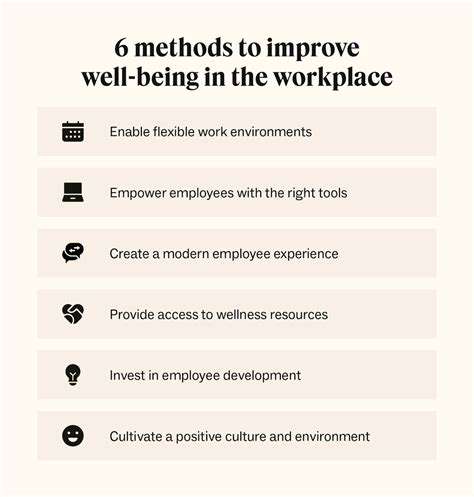
Incorporating gratitude within work environments can lead to better teamwork and employee satisfaction. Employers can foster a culture of appreciation by recognizing individual contributions regularly. Research from the University of California, Berkeley indicates that appreciation and acknowledgment at work enhance motivation and productivity.
Simple actions, like sending a thank-you email or publicly acknowledging someone’s hard work, can create a more positive work culture. Implementing a gratitude wall where employees can post notes recognizing their colleagues encourages a sense of community and strengthens workplace relationships.
Personalizing Your Gratitude Practice
Your gratitude practice should be tailored to fit your lifestyle and preferences. Assess which method resonates with you—whether writing in a journal, meditating, or verbally expressing gratitude to others. Personalization is vital, as it enhances the likelihood of consistent practice.
You might also want to explore mobile apps designed for gratitude tracking. These apps often provide prompts and reminders, making it easier to integrate gratitude into your day. By leveraging technology, you can create reminders that fit seamlessly into your existing routine, thus sustaining your practice.
The Transformative Power of Gratitude
Understanding Gratitude's Psychological Benefits
Research has consistently shown that practicing gratitude can lead to improved mental health outcomes. According to a study published in the Journal of Happiness Studies, expressing gratitude significantly reduces symptoms of depression and anxiety. This occurs because gratitude shifts focus from negativity to positive experiences, fostering a more optimistic outlook on life.
Moreover, gratitude can enhance emotional resilience. A study by Emmons and McCullough indicated that individuals who maintain gratitude journals report higher levels of life satisfaction and greater optimism for the future. This aspect of gratitude suggests that it not only benefits individuals emotionally but also helps cultivate a more resilient mindset amid life challenges.
The Science Behind Gratitude
Neuroscientific research indicates that gratitude can create positive feedback loops in the brain. When we express gratitude, it activates the brain’s reward system, releasing neurochemicals such as dopamine and serotonin. This biochemical response reinforces the feeling of happiness, making gratitude a self-sustaining practice that promotes wellbeing.
The Neuropsychology of Gratitude, published in the American Psychological Association journal, found that individuals who regularly express gratitude exhibit increased activity in brain areas associated with social bonding and motivation. Thus, gratitude effectively enhances both individual wellbeing and interpersonal relationships.
Incorporating Gratitude into Daily Life
To harness the benefits of gratitude, incorporating it into your daily routine is essential. Simple practices, such as keeping a gratitude journal, can have profound effects. Aim to write down three things you’re thankful for each day. This practice can create a shift in perspective, helping individuals recognize the abundance in their lives, even during challenging times.
Additionally, expressing gratitude directly to others can strengthen social connections. Whether through a handwritten note or a verbal thank-you, acknowledging someone's support fosters positive relationships, which are vital to one's overall wellness. Building these connections can lead to stronger community ties and enhanced emotional support.
Gratitude’s Role in Physical Health
Interestingly, gratitude's impacts extend beyond mental wellness to physical health as well. Studies have shown that individuals who practice gratitude report fewer health complaints and engage in healthier lifestyle choices. For instance, a study in the Journal of Psychosomatic Research found that grateful individuals engage in more exercise and better adhere to health regimens.
The connection between gratitude and improved sleep quality has also been documented. Grateful individuals not only sleep longer but also experience better sleep quality. This is important as restorative sleep is critical to overall health and wellness, further reinforcing the need for gratitude in your daily routine.
Overcoming Obstacles to Gratitude
While the benefits of gratitude are clear, many people struggle to practice it regularly. Factors such as stress, negative thinking, and life circumstances can hinder one’s ability to feel and express gratitude. Recognizing these barriers is the first step in overcoming them, and creating small, achievable gratitude goals can help reintegrate this practice into your life.
One effective technique to overcome these obstacles is mindfulness meditation. Mindfulness encourages individuals to focus on the present moment and cultivate a sense of appreciation for their daily experiences. Studies have suggested that mindfulness can enhance one's gratitude levels, allowing individuals to experience life more fully and positively.
Long-Term Impacts of a Gratitude Practice
Engaging in regular gratitude practices can lead to long-term changes in one’s emotional and psychological landscape. A longitudinal study published in the Journal of Personality and Social Psychology found that individuals participating in a gratitude intervention showed sustained increases in wellbeing over time. This suggests that gratitude is not just a fleeting emotion but a transformative practice that can reshape one's outlook on life permanently.
Furthermore, developing a habit of gratitude can improve interpersonal relationships over time, leading to deeper connections and greater social support. This social aspect is paramount, as strong relationships are a critical component of overall health. Therefore, committing to gratitude can enhance not only individual wellbeing but also foster stronger communities.
Read more about Why Gratitude is the Missing Piece in Your Wellness Routine








Hot Recommendations
-
*Managing Running Injuries: When to Run and When to Rest
-
*Impact of Footwear on Lower Back Pain and Posture
-
*Common Running Mistakes That Kill Your Speed
-
*The Habit of Gratitude: How to Make It Stick
-
*Spices and Herbs That Boost Weight Loss and Flavor
-
*Fartlek Training: A Fun Way to Increase Running Speed
-
*Using Compression Gear to Boost Running Endurance
-
*Vegan Protein Sources for Weight Loss Cooking
-
*The Link Between Tight Hamstrings and Lower Back Pain
-
*Gratitude Practices to Improve Self Esteem