Cinnamon
Weight Loss
Thermogenesis
Ginger
Digestion
Curcumin
Turmeric
Nutritional Benefits
Herb Cultivation

Spices and Herbs That Boost Weight Loss and Flavor

The Sweet Spice That Stabilizes Blood Sugar1.Cinnamon:TheSweetSpiceThatStabilizesBloodSugar

Benefits of Cinnamon for Blood Sugar Management

Cinnamon has been shown to play a significant role in regulating blood sugar levels, which is crucial for weight management. According to multiple studies, the Consumption of cinnamon can decrease fasting blood sugar levels by up to 30%. This effect is attributed to the presence of compounds like cinnamon aldehyde and polyphenols.

Moreover, cinnamon improves insulin sensitivity, which is vital for the metabolism of carbohydrates in the body. When insulin functions efficiently, it can lead to improved energy levels and fat storage reduction, making weight loss easier.

Cinnamon's Impact on Metabolism

One of the major advantages of adding cinnamon to your diet is its ability to enhance metabolic rates. A study published in the Journal of Diabetes Science and Technology confirmed that cinnamon could boost metabolic processes, which in turn can contribute to weight loss.

The active ingredients in cinnamon can help increase the rate at which your body burns calories, especially during digestion. This means that incorporating cinnamon into your meals may help to create a more calorie-deficient environment, which is crucial for losing weight efficiently.

Incorporating Cinnamon into Your Diet

  • Sprinkle it on oatmeal or cereals for added flavor.
  • Add cinnamon to smoothies or protein shakes for a sweet twist.
  • Use it while baking, replacing sugar with a cinnamon mixture.
  • Mix it into your coffee or tea to enjoy its health benefits daily.

Incorporating cinnamon into your daily meals can be both enjoyable and beneficial. There are countless easy ways to add this spice to your diet, whether it’s in your morning coffee or sprinkled over fruit. The key is to use it in moderation.

Potential Side Effects of Excessive Cinnamon Consumption

While cinnamon is beneficial, it's important to note that excessive consumption can lead to adverse effects. High amounts of coumarin, a compound found in some cinnamon varieties, can cause liver damage over time. Therefore, it’s advisable to consume Ceylon cinnamon, also known as true cinnamon, which contains lower levels of coumarin compared to Cassia cinnamon.

Monitoring your intake is essential, especially if you have pre-existing health conditions. Consulting a healthcare professional before making significant dietary changes can help ensure safety and effectiveness in your weight loss journey.

Research on Cinnamon and Weight Loss

Numerous studies have examined the relationship between cinnamon and weight management, indicating promising results. A comprehensive review in the International Journal of Preventive Medicine suggests that Cinnamon supplementation can indeed aid in reducing body weight while improving metabolic profiles.

These findings highlight the potential of cinnamon as a natural supplement to enhance weight loss efforts. It's worth considering as part of a holistic approach to health that combines a balanced diet and regular exercise.

2. Cayenne Pepper: Ignite Your Metabolism

Impacts on Thermogenesis

Cayenne pepper has been identified as a thermogenic substance, which means it can potentially increase your body temperature. This process results in elevated energy expenditure, prompting your body to burn more calories even while at rest. A study published in the American Journal of Clinical Nutrition highlighted that individuals who consumed cayenne pepper experienced a notable rise in their metabolic rate, supporting weight loss efforts.

Incorporating cayenne pepper into your meals may aid in maximizing this thermogenic effect. Adding just half a teaspoon to soups or salads can create a warming sensation that promotes calorie burning. Clearly, this spice is not just a flavor enhancer but also a serious contender in the realm of weight management strategies.

Active Component: Capsaicin

The active ingredient in cayenne pepper, capsaicin, is responsible for its distinctive heat and various health benefits. Research indicates that capsaicin can influence fat oxidation, leading to increased fat breakdown. A review published in the journal Obesity found that subjects consuming capsaicin showed a marked increase in fat oxidation over a 24-hour period, making it a compelling addition to weight loss diets.

Appetite Suppression Effects

Interestingly, cayenne pepper has also been associated with appetite suppression. A study conducted by the Journal of Nutrition discovered that individuals who regularly consumed spicy foods experienced reduced cravings and a lower overall caloric intake. This may be due to capsaicin's ability to influence satiety hormones, providing a dual benefit of flavor and reduced caloric consumption.

Incorporating Cayenne into Your Diet

To effectively utilize cayenne pepper for weight loss, consider starting with small amounts and gradually increasing as your tolerance develops. You can sprinkle it over roasted vegetables or mix it into your morning smoothie for an extra kick. It's worth noting that balancing its heat with other flavors can enhance your meals without overwhelming your palate.

Additionally, you might experiment with cayenne pepper in homemade sauces or marinades for meats and fish. This versatile spice not only boosts metabolism but also enriches the flavor profile of your favorite dishes, making healthy eating more enjoyable.

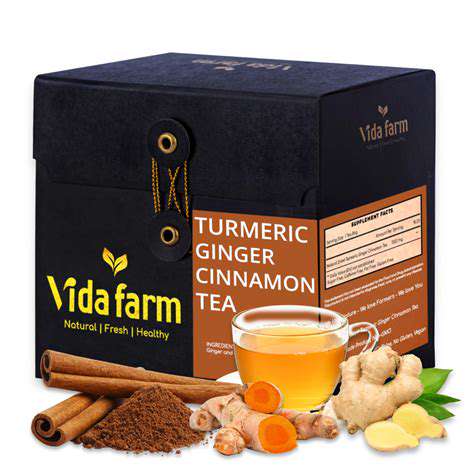
3. Ginger: A Powerful Digestive Aid
3.Ginger:APowerfulDigestiveAid

Key Nutrients in Ginger That Aid Digestion

Ginger is rich in bioactive compounds like gingerol, which play a significant role in Enhancing Digestive Processes. This phenolic compound not only boosts digestive enzyme activity but also helps reduce inflammation in the gastrointestinal tract. Furthemore, its antioxidant properties contribute to overall metabolic health, making it a useful addition to a weight loss regimen.

Additionally, ginger has been shown to stimulate gastric motility, aiding in more effective digestion of food. Research published in the journal Complementary Therapies in Medicine suggests that ginger can reduce bloating and discomfort after meals, thus promoting a healthier digestive environment.

Clinical Studies Supporting Ginger's Digestive Benefits

Several studies support the efficacy of ginger as a Natural Digestive Aid. For instance, a 2018 study indicated that participants who consumed ginger experienced a significant reduction in nausea and other digestive discomforts compared to a placebo group. These findings align with traditional herbal medicine, where ginger has been utilized for centuries to combat digestive issues.

Moreover, clinical trials have demonstrated that ginger can help in reducing symptoms of indigestion and gas. By enhancing gut motility, it facilitates quicker processing of food, aiding in weight management by preventing the buildup of excess calories from undigested food.

How to Incorporate Ginger into Your Diet

  • Ginger Tea: Brew fresh ginger slices in hot water for a soothing drink.
  • Fresh Juice: Blend ginger with fruits like apple or carrot for a nutrient-rich juice.
  • Cooking: Add finely chopped or grated ginger to stir-fries and soups.

Incorporating ginger into your meals can be both simple and delicious. For example, making a ginger tea is a straightforward way to enjoy its benefits. You can also add freshly grated ginger to your favorite smoothie to give it a spicy kick and enhance its digestive properties.

Flavoring stir-fries or marinades with ginger not only improves taste but also boosts nutritional content, helping you stay on track with your weight loss goals. With its versatility, there’s no shortage of ways to integrate ginger into your daily diet.

Potential Precautions When Using Ginger

While ginger is generally safe for most people, it does have some potential side effects. Individuals using blood thinners should consult with a healthcare provider, as ginger can enhance their effects. Additionally, rare cases of allergic reactions have been reported. Always start with smaller doses to gauge your body's response.

It's also crucial to select fresh ginger for optimal potency and flavor. Dried or powdered ginger may lose some of its beneficial properties compared to its fresh counterpart, which boasts higher concentrations of active compounds. Ensuring freshness can enhance not only the taste but also the health benefits associated with this powerful spice.

4. Turmeric: The Golden Spice with Anti-inflammatory Benefits

Understanding Curcumin: The Active Compound in Turmeric

Curcumin, a bioactive compound found in turmeric, is primarily responsible for its impressive anti-inflammatory properties. Research indicates that curcumin can inhibit various molecules involved in inflammation, such as cytokines and enzymes. A study published in the Journal of Medicinal Food found that curcumin significantly reduced markers of inflammation in individuals with inflammatory conditions.

Moreover, curcumin not only fights inflammation but is also a potent antioxidant that can scavenge free radicals, enhancing overall cellular health. Regular intake of turmeric, particularly in a bioavailable form, provides potential benefits for several chronic conditions linked to inflammation, such as arthritis, heart disease, and metabolic syndrome.

Incorporating Turmeric into Your Diet

Adding turmeric to your meals can be a straightforward yet effective way to harness its health benefits. One popular method is to incorporate it into curries or rice dishes, where its earthy flavor can shine. For those who prefer beverages, turmeric can be infused into teas or smoothies, creating a golden drink rich in both flavor and health advantages.

Additionally, combining turmeric with black pepper significantly increases the bioavailability of curcumin, making it more effective. Research suggests that piperine, the active compound in black pepper, can enhance curcumin absorption by up to 2,000%. Therefore, many recipes that include turmeric also recommend a pinch of black pepper to maximize health benefits.

For weight management, adding turmeric to meals may improve digestion, support metabolic processes, and enhance fat metabolism. This can be particularly beneficial alongside a balanced diet and regular physical activity, enhancing overall weight loss efforts.

Precautions and Considerations

Despite its myriad benefits, it's essential to consume turmeric in moderation. High doses of turmeric may lead to gastrointestinal issues such as upset stomach or diarrhea. Individuals with certain conditions, such as gallbladder problems, should consult their healthcare provider before significantly increasing turmeric intake.

Moreover, while turmeric is generally safe for most people, it’s crucial to be aware of possible drug interactions, especially for those on blood thinners or medications for diabetes. Turmeric can potentially enhance the effects of these medications, which may require careful monitoring. Always talk to a healthcare professional when considering turmeric for therapeutic purposes, especially in high doses or concentrated forms.

5. Dill and Parsley: Fresh Herbs for Flavor and Health

Understanding the Nutritional Profiles of Dill and Parsley

Dill and parsley are not just flavorful additions to dishes; they are also packed with nutrients that can support overall health. Dill, for example, is rich in vitamins A, C, and K, along with minerals like manganese and iron. Parsley offers similar benefits, providing high levels of vitamin K, necessary for bone health, and antioxidants that combat oxidative stress.

Research published in the *Journal of Nutrition* indicates that the presence of these herbs in your diet can enhance nutrient intake. They serve as powerful allies in many recipes, offering substantial health benefits while keeping calories to a minimum. Incorporating them into meals can improve not just flavor, but also nutritional value.

Health Benefits Associated with Dill

Dill is known for its natural antiseptic properties. This herb contains compounds that may help improve digestion and reduce inflammation, which is vital in managing body weight. A study from *Clinical Nutrition* noted that dill extracts could lower blood sugar levels, highlighting its potential for weight management and metabolic health.

Furthermore, dill has been traditionally used to alleviate digestive discomfort. Its essential oils may stimulate the production of digestive juices, helping to ease bloating and gas. This can be particularly helpful in a weight loss diet, where digestive health plays an important role.

Incorporating dill into your meals can be as simple as adding it to salads, soups, or grilled vegetables, making it a practical choice for nutritional enhancement.

Health Benefits Associated with Parsley

Parsley is not just a garnish; it's a vitamin powerhouse. Beyond its vitamin K content, it also contains flavonoids and vitamin C, which act as antioxidants to protect the body against free radicals. These properties can enhance immune function and may also contribute to weight loss through improved metabolic rates.

Recent research in the *International Journal of Obesity* has shown that regular consumption of parsley may help in reducing the risk of obesity-related conditions, including heart disease and diabetes. Its fiber content also aids in digestion, promoting satiety and helping to control cravings.

Flavor Enhancements from Fresh Herbs in Cooking

Dill and parsley can significantly elevate the flavors of numerous dishes. Their fresh, vibrant profiles make them ideal for enhancing the taste of proteins like chicken and fish, as well as vegetarian options. The aroma produced while cooking with these herbs can enhance the overall dining experience, making meals more enjoyable.

Adding fresh herbs like dill and parsley to your cooking can reduce the need for added salt or fat, crucial components in many traditional recipes that can hinder weight loss. A sprinkle of freshly chopped parsley, for instance, can brighten up a dish without adding extra calories.

Incorporating Dill and Parsley into Your Diet

One of the easiest ways to use dill is in dressings or marinades, where its flavor can shine without overpowering other ingredients. Mixing dill with yogurt can create a refreshing sauce for various dishes, keeping meals light yet flavorful.

Similarly, parsley can be blended into smoothies for an added nutrient boost or used as a fresh topping on soups and stews. Its versatility makes it an easy herb to incorporate into your daily meals, ensuring consistency in your healthy eating habits.

Growing Your Own Dill and Parsley

Growing your own herbs can be both rewarding and beneficial to your health. Dill and parsley are relatively easy to cultivate, even in small spaces. They can thrive in pots on a sunny windowsill or balcony. Freshly harvested herbs contain higher nutrient concentrations compared to those that have been stored for long periods.

Having your own supply of fresh dill and parsley not only enhances your cooking but also ensures that you're always prepared to add essential nutrients to your diet. Plus, the act of gardening can be a stress-reliever, adding another layer of health benefits to the practice.

Conclusion: The Dual Benefits of Dill and Parsley

In conclusion, dill and parsley are valuable additions to your culinary arsenal, offering both remarkable flavors and numerous health benefits. Their low-calorie nature and high nutrient content make them particularly appealing for those who are focused on weight management.

Integrating these herbs into your diet can enhance your meals while simultaneously supporting your health. Whether you're a novice cook or a seasoned chef, dill and parsley can help you create delicious, weight-loss-friendly meals. Make it a habit to experiment with these herbs and unlock new dimensions of flavor and health in your cooking.

Read more about Spices and Herbs That Boost Weight Loss and Flavor
Light OptionsLight desserts like chia seed pudding or baked apples can add a sweet touch to your dinner without compromising your health. Focus on fresh fruits, Greek yogurt, and whole grains to create guilt-free indulgences that support your weight loss goals.---By incorporating these dishes into your meal routine, you can create delicious, nutrition-packed dinners that are satisfying and beneficial for your overall health. Enjoy your journey toward a healthier lifestyle!
Apr 23, 2025
Healthy Snack Ideas for Weight Loss
May 11, 2025
Whole Foods, Substitutes, and Meal PrepWelcome to your ultimate resource for embracing a low-carb lifestyle! This comprehensive guide walks you through essential strategies, focusing on whole foods, innovative substitutes, effective meal planning, cooking techniques, and the importance of hydration and portion control. Focus on Whole FoodsUnderstanding whole foods is crucial. These are minimally processed foods free from artificial ingredients, including fresh fruits, vegetables, lean proteins, nuts, and seeds. Incorporating these into your diet helps regulate blood sugar, reduce cravings, and ensure you receive essential nutrients—key components in your weight loss journey. Opt for fresh apples over processed apple juice to make informed dietary choices. Shopping Tips for Whole FoodsWhen shopping, navigate the grocery store's perimeter, where fresh produce and proteins reside. Create a meal plan and shopping list weekly to ensure you have healthy options on hand. Local farmers' markets can offer seasonal and organic produce, enriching both your meals and your low-carb diet. Master Low-Carb SubstitutesSwitching from high-carb ingredients to healthier alternatives makes a significant impact. Think of ease in swaps: zucchini noodles can take the place of traditional pasta, or cauliflower rice can substitute for regular rice, slashing your carb intake without sacrificing flavor. Top Low-Carb Substitutes Include:- Zucchini noodles instead of traditional pasta- Cauliflower rice for regular rice- Almond or coconut flour replacing wheat flourThese choices are nutritious and keep your meals exciting while maintaining low-carb credentials. Plan and Prepare Meals Ahead of TimeMeal prepping saves time and promotes healthier eating habits. By dedicating one day a week to prepare your meals, you can avoid unhealthy last-minute options. Creating a weekly menu and shopping list enhances efficiency and helps you stay aligned with your weight-loss goals. Essential Steps for Effective Meal PlanningSelect nutritious recipes and organize your cooking schedule to include a variety of low-carb options. Store meals in airtight containers to maintain freshness. Easy reheating methods, such as steaming or using the oven, help retain flavors while preserving nutrients. Explore Flavorful Cooking TechniquesEmbrace cooking methods that enhance flavor without the added carbs. Techniques like sous vide, grilling, steaming, roasting, and stir-frying not only preserve the nutrients in your meals but also elevate their deliciousness. These methods use minimal fats, making them perfect for a low-carb diet. Stay Hydrated and Monitor PortionsHydration is vital in your weight loss journey. Aim to drink at least eight glasses of water daily, as staying hydrated can help control appetites. Combine hydration efforts with portion control by using smaller plates and always drinking water before meals to help reduce calorie intake.By following these guidelines, you can transform your approach to food, enjoying a balanced low-carb lifestyle that supports your health goals. Explore new flavors, incorporate whole foods, utilize low-carb substitutes, and stay hydrated for a successful dietary journey. Embrace this opportunity to savor delicious meals while achieving sustainable weight loss.
Feb 27, 2026
Separating Facts from Myths for Weight Loss Understanding SuperfoodsSuperfoods, often touted for their exceptional nutritional profiles, include a variety of fruits, vegetables, grains, nuts, and seeds. While there isn't a formal definition for these nutrient-dense foods, examples such as blueberries, kale, and quinoa frequently come to mind. These foods are recognized for their high content of vitamins, minerals, and antioxidants that can significantly contribute to health. It's essential to approach the concept of superfoods with critical thinking, recognizing the difference between their advertised health benefits and actual effects. Superfoods and Weight ManagementResearch suggests that incorporating certain superfoods into your diet may support weight management. Foods high in fiber, such as legumes and whole grains, can promote feelings of fullness, helping reduce overall calorie intake. For instance, studies published in reputable journals show that diets enriched with fiber correlate with lower body weight and fat mass. Additionally, beverages like green tea contain catechins that may increase metabolism, providing additional support for weight loss goals. Incorporating Superfoods Into Your DietIncorporating superfoods into your daily regime doesn't have to be complicated. Start by gradually adding colorful fruits and vegetables to your meals. For example, enhance your morning oatmeal with berries or blend leafy greens into your smoothies. Experimenting with creative recipes such as quinoa salads or vegetable-loaded soups can make these nutritional powerhouses part of your everyday life.Key Strategies for Enjoying Superfoods:- Balance and Variety: Avoid limiting yourself to a handful of superfoods. Instead, ensure you rotate a variety of options to capitalize on different nutrients.- Mix and Match: Combine superfoods with proteins and healthy fats to enhance satiety and maintain energy levels.- Experiment with Recipes: Create unique dishes that highlight the natural flavors of superfoods while offering substantial health benefits. Debunking Weight Loss MythsOne prevailing myth is that consuming superfoods alone can lead to substantial weight loss. However, weight loss fundamentally relies on maintaining a caloric deficit, requiring a balanced approach to diet and exercise. Superfoods should supplement a well-rounded diet rather than serve as a substitute for sound nutrition practices. Key Takeaways- No Magic Solution: Superfoods can complement a healthy lifestyle, but they are not miracle foods.- Hydration Matters: Don't overlook the role of hydration in weight management—drinking enough water is vital.- Consult Professionals: For personalized advice, consult with nutritionists or dietitians to create a tailored eating plan that incorporates superfoods into your lifestyle effectively. The Final WordWhile superfoods like quinoa, kale, and berries can significantly contribute to your nutritional landscape, they should be seen as part of a broader dietary strategy. A holistic approach involving balanced meals, regular physical activity, and mindful eating habits is essential for sustainable weight management. Keep it colorful, varied, and full of life—your plate and your health will thank you!
Feb 27, 2026
Discover Delicious and Healthy Mexican RecipesWelcome to a collection of mouthwatering Mexican recipes that are not only delicious but also packed with nutritional benefits. Whether you're looking to maintain a healthy lifestyle, explore new flavors, or simply enjoy comforting meals, our recipes have something for everyone. Below, you'll find a delightful variety of dishes, including burrito bowls, soups, tacos, stuffed peppers, and refreshing salads. 1. Black Bean and Quinoa Burrito BowlsKick off your culinary journey with our Black Bean and Quinoa Burrito Bowls. This wholesome dish features protein-packed quinoa and rich black beans, complemented by vibrant vegetables like bell peppers and corn. Perfect for meal prep, the burrito bowls are easy to customize. Add roasted sweet potatoes or spicy jalapeños to suit your taste! 2. Chicken Tortilla SoupWarm your soul with a bowl of our Chicken Tortilla Soup. Made with lean, boneless chicken breast and a medley of vegetables, this soup is as nourishing as it is flavorful. Rich in vitamins and antioxidants, it’s the perfect way to enjoy a budget-friendly meal while keeping your health in check. Garnish with fresh cilantro and avocado for added creaminess! 3. Grilled Fish Tacos with Cabbage SlawSavor the coastal flavors of our Grilled Fish Tacos. Using fresh, lean fish and corn tortillas, these tacos feature a crunchy cabbage slaw to balance the meal. The omega-3 fatty acids present in fish not only support heart health but can also assist in weight management. Top with lime juice for a bright finish! 4. Stuffed Bell Peppers with Turkey and Brown RiceOur Stuffed Bell Peppers present a hearty option filled with lean ground turkey and nutritious brown rice. Bell peppers offer an array of vitamins, while the turkey provides a great protein source. Customize your stuffing with black beans or quinoa for a vegetarian twist, making it a versatile dish for any dietary preference. 5. Avocado Salad with Lime VinaigretteFor a refreshing side, try our Avocado Salad with Lime Vinaigrette. Featuring creamy avocados and crisp bell peppers, this salad is low in calories yet high in flavor. The healthy fats from avocados will keep you satisfied, making it a great companion to any main dish. Enhance it further with grilled proteins or a kick of chili for added zest! ConclusionIntegrating these healthy Mexican recipes into your meal plan can lead to a more balanced diet while enjoying delightful flavor profiles. Whether you're preparing dinner for the family or meal prepping for a busy week ahead, these dishes are designed to nourish your body and tantalize your taste buds. Don't miss out on experiencing the joy of cooking and the benefits of healthy eating!---Explore these dishes today and transform your meals into vibrant, nutritious experiences!
Feb 27, 2026
Nutritious and Delicious Chicken Recipes for Every OccasionExplore the delightful world of chicken-based dishes with our collection of easy-to-make recipes that are not only tasty but also packed with essential nutrients. From salads to hearty meals, discover how rotisserie chicken can elevate your cooking experience, save time, and provide health benefits. 1. Rotisserie Chicken SaladA fresh and nutritious rotisserie chicken salad can be the perfect meal. This dish is high in protein, providing around 26 grams per serving to support muscle repair and growth. Rich in essential vitamins and minerals, rotisserie chicken serves as a versatile base for salads. Combine shredded chicken with mixed greens, cherry tomatoes, and avocados for a refreshing summer treat, or choose roasted veggies and quinoa for a hearty option. 2. Chicken and Veggie Stir-FryBrighten your kitchen with a colorful chicken and veggie stir-fry. Using fresh vegetables like bell peppers and broccoli, this dish is not only visually appealing but loaded with nutrients. Stir-fry your chicken quickly at high heat with garlic and ginger for a flavorful and health-boosting meal. Pair it with whole grains like quinoa to balance your plate and add fiber for satiety. 3. Chicken Tacos with Avocado Lime DressingReinvent taco night by making chicken tacos using shredded rotisserie chicken. Kick it up with a creamy avocado lime dressing that adds a rich flavor while providing healthy fats. Customize with fresh veggies and spices to your liking and enjoy a nutritious meal that's quick to prepare. These tacos make for a versatile dinner option that everyone will love. 4. Chicken Quinoa BowlWhip up a wholesome chicken quinoa bowl by combining cooked quinoa, rotisserie chicken, and fresh vegetables. This dish stands out with its complete protein content and array of nutrients. It's quick to make and versatile; simply tailor the ingredients to what you have on hand, whether it’s seasonal vegetables or your favorite dressing, for a meal that never gets boring. 5. Chicken Loaded Baked Sweet PotatoesIndulge in delicious chicken loaded baked sweet potatoes, a satisfyingly healthy choice. The natural sweetness of the potatoes pairs wonderfully with rotisserie chicken, black beans, and cheese. This dish is rich in vitamins and fiber and can be customized with different toppings, making it an easy yet impressive meal for any occasion. Why Choose Rotisserie Chicken?Rotisserie chicken is an excellent addition to your meals. It saves time without compromising on nutrition, making it a go-to ingredient for quick weeknight dinners or lunches. Plus, its high protein content supports muscle health, while diverse recipes allow for endless culinary creativity.Discover how these chicken recipes can enhance your diet and simplify your cooking routine, turning ordinary meals into extraordinary ones!
Feb 28, 2026
Prioritize careful meal planning to ensure nutritional variety. Use meal planning apps to organize your grocery list and streamline the process. 2. Proper Food Storage Techniques: Store prepared meals in glass containers and label them with dates to track freshness. Dividing meals into single-serving sizes can also aid in portion control. Sample Recipes for Healthy Lunch Prep- Mediterranean Quinoa Salad: Quinoa mixed with fresh vegetables provides a protein-rich lunch option, easy to customize.- Grilled Chicken Burrito Bowls: These bowls are nutritious and made with ingredients like brown rice, which aids in digestion and weight management.- Spinach and Feta Stuffed Peppers: A visually appealing meal that's rich in vitamins, making it perfect for lunch.- Chickpea and Avocado Salad: A protein-packed option that balances flavor and nutrition, easy to prepare and enjoy. Staying Motivated During Your Weight Loss JourneySetbacks are a common part of any weight loss journey. Viewing these moments as learning opportunities is essential. Keep a journal of your experiences to help identify triggers. Setting realistic, achievable goals, using the SMART criteria, will keep you motivated and on track.A healthy support network can also make a significant difference in your weight loss journey. Engaging with friends, family, or social media communities for accountability and encouragement can make the process enjoyable and sustainable. ConclusionIncorporating healthy meal prepping habits is a powerful strategy for anyone looking to lose weight. With thoughtful meal planning and preparation, you can not only reach your weight loss goals but maintain a healthier lifestyle in the long run.
Mar 01, 2026
ALA, EPA, and DHA. While ALA primarily exists in plant sources like flaxseeds, EPA and DHA are found in fatty fish such as salmon and mackerel. Research consistently underscores their importance in maintaining heart health, reducing inflammation, and supporting cognitive function. Regular consumption of omega-3s correlates with a decreased risk of cardiovascular diseases, according to a study published in the Journal of the American College of Cardiology. Anti-Inflammatory EffectsOmega-3s are known for their anti-inflammatory properties. By reducing inflammatory markers in the body, they can alleviate symptoms of chronic conditions such as arthritis. Incorporating omega-3s into your diet through fatty fish or plant-based sources can significantly improve joint health and mobility, making them beneficial for conditions like osteoarthritis. Dietary Sources of Omega-3sIncorporating omega-3 fatty acids into your meals is simple. Aim for two servings of fatty fish weekly, and for vegetarians, consider sources like chia seeds and walnuts. Algal oil is also an excellent alternative for those avoiding animal products. Fortified foods, such as certain dairy products and eggs, offer additional options for increasing your omega-3 intake. Fruits, Vegetables, and Pain ReliefFruits and vegetables provide an arsenal of nutrients essential for combating inflammation. Berries, leafy greens, and citrus fruits are particularly effective. Blueberries, for example, are packed with antioxidants, while leafy greens like spinach and kale offer anti-inflammatory benefits due to their high vitamin K content. Incorporating these foods into your diet can help reduce chronic pain and improve overall health. Antioxidant-Rich FoodsCherries and avocados also have significant anti-inflammatory effects. Cherries can aid in reducing pain related to conditions like arthritis, while avocados are rich in healthy fats and fight inflammatory responses. Spices and Whole Grains: Hidden GemsDon’t overlook spices! Curcumin from turmeric and ginger can significantly reduce inflammation. Studies have shown that turmeric can be as effective as certain medications for chronic pain without the side effects. Whole grains, like quinoa and brown rice, further support health by lowering inflammation and providing necessary nutrients. Meal Planning for Anti-Inflammatory BenefitsWhen planning meals, incorporate a variety of anti-inflammatory ingredients. Start with a whole grain base, add a serving of lean protein, and top it off with colorful veggies. Cooking in bulk can simplify meal prep and make it easy to stick to an anti-inflammatory eating plan. Consistency & CommunityStaying committed to an anti-inflammatory diet can be rewarding but requires effort. Set realistic goals, and keep a food journal to track your progress. Join communities that share recipes and success stories to keep you motivated along your journey toward better health.In summary, adopting omega-3 fatty acids and anti-inflammatory foods can transform your health. Embrace a diverse diet rich in these powerful nutrients, and you’ll be on your way to a healthier, pain-free life.
Mar 01, 2026
A Comprehensive Guide to Healthier ChoicesIn today's fast-paced world, awareness of our eating habits is more crucial than ever. This guide dives deep into understanding nutritional practices, identifying unhealthy triggers, and fostering accountability through methods like food diaries. Discover how these strategies can pave the way to a healthier lifestyle. Creating Awareness of Eating Patterns Understanding Nutritional HabitsTracking your daily food intake is vital for identifying patterns that lead to unhealthy choices. Keeping a food diary can enhance your awareness of caloric intake, ultimately leading to healthier decisions. Research shows that those who document their meals tend to lose more weight. Identifying Triggers for Unhealthy EatingUnhealthy eating often stems from stress, lack of time, and social environments. By recognizing these triggers, you can create personalized weight loss strategies that substitute comfort eating with healthier coping mechanisms. Building Mindful Eating PracticesMindful eating allows you to savor each bite, helping you recognize when you're full and reducing calorie intake. Simple practices like eliminating distractions and focusing on food can dramatically enhance your relationship with it. Creating a Sustainable Food PlanAfter acknowledging your habits, the next step is to implement a food plan that aligns with your health goals. A balanced, nutritious plan ensures you remain satisfied without feeling deprived, making healthy choices more manageable. Maintaining Accountability Through DocumentationA food diary is not just about logging what you eat; it also instills accountability. Engaging with apps and dietary records can foster commitment and make tracking progress easier while providing insight into patterns and emotional triggers associated with eating. Enhancing Accountability and Commitment Understanding the Role of a Food Diary in AccountabilityA food diary serves as a crucial tool in weight loss efforts. It encourages mindfulness and helps identify problematic eating patterns that may arise due to stress or social situations. Fostering Commitment Through Consistent TrackingMaintaining a food diary daily helps solidify your commitment to weight loss goals. Regular review and reflection on your entries can guide you in celebrating small wins and identifying areas for improvement. Identifying Nutritional Gaps Understanding Nutritional GapsRegularly reviewing your eating habits can highlight essential nutrients you may be missing, such as vitamins from fruits and vegetables. Understanding these gaps is essential for effective weight loss as it helps ensure a balanced diet. Strategies for Filling Nutritional GapsIncorporate varied protein sources and colorful fruits and vegetables to enhance your diet. This diversity not only improves nutrient intake but also supports long-term health goals. Setting Realistic Goals and Tracking Progress Understanding SMART Goals for Weight LossImplementing the SMART criteria—Specific, Measurable, Achievable, Relevant, and Time-bound—can clarify your weight loss objectives and enhance your commitment to achieving them. Utilizing a Food Diary for Tracking ProgressA well-maintained food diary can double your chances of successful weight loss by providing clear accountability and insights into your eating patterns. Regular Review and Adjustment of GoalsContinual evaluation of your goals and dietary strategies is vital for adapting to changes in your body and maintaining motivation throughout your weight loss journey. Encouraging Mindful Eating Practices Implementing Mindful Eating TechniquesMindful eating encourages you to be present during meals, enhancing your relationship with food. Techniques such as limiting distractions, savoring each bite, and listening to hunger cues can help improve your eating habits over time.In summary, incorporating mindful practices, tracking eating habits, and recognizing emotional triggers will guide you toward creating a sustainable and healthy lifestyle. Start your journey today by implementing these actionable strategies for healthier eating patterns!
Mar 02, 2026
Delicious and Nutritious Recipes for Healthy EatingDiscover a world of vibrant flavors and health benefits with our collection of wholesome recipes. From seafood stir-fries to fresh salads, each dish is crafted to promote well-being while tantalizing your taste buds. Shrimp and Vegetable Stir-FryStart your culinary journey with a Shrimp and Vegetable Stir-Fry that’s not just delicious but packed with health benefits. Shrimp offers high-quality protein and omega-3 fatty acids, supporting heart health and weight management. Pair it with seasonal vegetables like bell peppers and broccoli to create a colorful and nutrient-rich meal. Master the art of seasoning with low-sodium soy sauce and spices like ginger, ensuring your dish is both flavorful and diet-friendly. Learn efficient cooking techniques to maintain the freshness and integrity of your ingredients. Quinoa Salad with Black Beans and AvocadoNext on the menu is a delightful Quinoa Salad with Black Beans and Avocado. Quinoa is a complete protein and an excellent meat alternative, perfect for weight-conscious eaters. Black beans add fiber and antioxidants, while creamy avocados contribute healthy fats that promote satiety. Our preparation tips ensure your salad is bursting with flavor and freshness, making it an ideal meal prep option that lasts for days. Spaghetti Squash with Marinara SauceFor pasta lovers, try Spaghetti Squash dressed in marinara sauce as a low-calorie alternative that's high in vitamins. Roast the squash to achieve perfect strands that mimic classic pasta while offering vastly fewer calories and carbohydrates. This satisfying dish allows you to indulge without compromising your dietary goals. Sweet Potato and Chickpea Buddha BowlIf you're seeking a fulfilling vegetarian option, our Sweet Potato and Chickpea Buddha Bowl is the perfect choice. Packed with vitamins and protein, this bowl combines roasted sweet potatoes and chickpeas on a bed of fresh greens. Customize your bowl with colorful veggies and a drizzle of tahini dressing for a balanced meal that's as nutritious as it is delicious. Greek Yogurt ParfaitFinally, don't miss out on our Greek Yogurt Parfait, a versatile dish suitable for breakfast or a snack. With layers of high-protein Greek yogurt, fresh fruits, and granola or nuts, this parfait is a powerhouse of nutrients. Packed with probiotics, it’s great for gut health and can easily be customized with seasonal fruits or superfoods like chia seeds. Meal Preparation and TipsAll these recipes can be easily prepared ahead of time, making them perfect for busy lifestyles. Learn how to prep your ingredients and balance your meals for optimal nutrition. Each dish is designed to promote health and satisfy cravings without overeating, making healthy eating a delightful experience.Dive into these easy-to-follow recipes and transform your meals into nutritious, flavorful experiences that benefit both your health and palate. Perfect for weight management and overall wellness, let these dishes inspire your culinary adventures!
Mar 03, 2026
View Publications>>