Recovery
Mental Well-being
Eating Disorders
Recovery Process
Mental Health
Eating Disorder Recovery
Mental Health Strategies

The Impact of Gratitude on Eating Disorder Recovery

A Practical Tool for Recovery

Understanding Gratitude and Its Effects on Mental Health

Studies consistently show that Practicing gratitude can lead to improved mental health outcomes. One research initiative published by the Journal of Happiness Studies found that individuals who regularly engaged in gratitude journaling reported decreased levels of anxiety and depression. They also indicated a heightened sense of well-being, which is crucial in recovery journeys.

Moreover, gratitude appears to shift focus from negative experiences to positive aspects of life. This cognitive reappraisal can foster resilience, creating a buffer against mental health challenges. Practicing gratitude offers a practical tool for individuals navigating the complexities of recovery from eating disorders.

Implementing Gratitude Journals in Daily Life

Making Gratitude journaling a daily habit can influence recovery positively. Those recovering from eating disorders often need structured routines, and incorporating this practice can enhance their overall mental framework. Setting aside just a few minutes each day to write down what they are grateful for can help maintain a positive mindset.

Practitioners suggest starting small by jotting down three things each day. This practice can gradually be expanded to explore deeper sentiments, such as gratitude for personal growth or support systems. It is essential that this exercise feels manageable and tailored to individual needs, ensuring sustainability in recovery efforts.

The Research Behind Gratitude and Eating Disorder Recovery

A growing body of research links gratitude practices with improved outcomes for those struggling with eating disorders. A pertinent study published in the journal Appetite indicated that participants who practiced gratitude showed significant reductions in binge-eating behaviors over a 10-week period. This suggests that gratitude can help disrupt negative thought patterns that fuel disordered eating.

Another investigation revealed that gratitude enhances self-acceptance, which is particularly beneficial for individuals with body image concerns. Recognizing and appreciating one’s own strengths and positive attributes can provide a counterbalance to the critical self-talk associated with eating disorders.

Integrating gratitude journaling into therapeutic practices can enhance treatment efficacy, providing a multifaceted approach to healing. By fostering gratitude, therapists can help patients reclaim a positive relationship with food and body image.

Challenges and Solutions in Keeping a Gratitude Journal

While keeping a gratitude journal offers many benefits, it can also be challenging, especially for individuals in recovery from eating disorders. Some may find it difficult to acknowledge positive feelings or experiences due to pervasive negative thought patterns. This reluctance is understandable, given the nature of eating disorders.

To address such challenges, it can be helpful to frame gratitude in a way that feels less intimidating. For instance, starting with small, tangible things—like a warm cup of tea or a friendly smile—can make the exercise more approachable. Moreover, some individuals might benefit from guided journals that provide prompts or themes to reflect on, easing the pressure of coming up with ideas spontaneously.

Future Directions for Using Gratitude in Recovery

The integration of gratitude practices in recovery programs shows great promise, yet more research is needed. Future studies could explore how variations in gratitude journaling techniques impact recovery trajectories among different populations. For instance, should interventions prioritize frequency of writing or encourage more in-depth reflections?

Moreover, combining gratitude practices with other therapeutic modalities, like cognitive behavioral therapy, could yield synergistic benefits. Such interdisciplinary approaches may enhance self-compassion, emotional regulation, and adaptive coping strategies during the recovery process. As this research evolves, gratitude practices might become an essential component of holistic eating disorder treatments, truly enriching the recovery experience.

Gratitude as a Combatant Against Negative Thoughts

GratitudeasaCombatantAgainstNegativeThoughts

Understanding Negative Thoughts in Eating Disorder Recovery

Negative thoughts are often pervasive in individuals undergoing eating disorder recovery. They can lead to unhealthy behaviors and hinder progress. Research shows that cognitive distortions, such as all-or-nothing thinking, can exacerbate feelings of inadequacy. This pattern of thinking can increase anxiety and worsen the emotional state of those in recovery.

It's critical to recognize these negative thought patterns as they can create a barrier to recovery. Common thoughts may include self-criticism or beliefs that one will never recover. According to studies, acknowledging and challenging these thoughts is essential for developing healthier coping mechanisms.

  • Negative thoughts often lead to heightened self-criticism.
  • Recognizing these patterns can facilitate healthier coping strategies.
  • Cognitive distortions can hinder recovery progress.

The Role of Gratitude in Shifting Perspectives

Gratitude plays a pivotal role in shifting how individuals view their circumstances. By focusing on what one is thankful for, it becomes easier to combat negative thoughts. Studies conducted by psychologists have revealed that practicing gratitude can significantly improve overall mental health. This shift in focus can effectively reduce symptoms of anxiety and depression.

The act of writing down daily gratitudes has been found to foster a more Positive Outlook. Individuals who engage in this practice often report feelings of improved self-esteem and enhanced life satisfaction. Incorporating gratitude exercises into daily routines can provide a consistent reminder that not everything is negative in life.

Practical Strategies for Incorporating Gratitude into Recovery

To effectively integrate gratitude into the recovery process, individuals can start with simple exercises. Keeping a gratitude journal is a powerful tool, where one writes down at least three things they are thankful for each day. Research has shown that this practice can help reduce symptoms of depression and foster resilience.

Another effective strategy is to express gratitude verbally or through letters. Telling loved ones what you appreciate about them can strengthen relationships and build a supportive community. It’s important to note that gratitude should be practiced regularly for sustained benefits, as infrequent acknowledgments may not have as profound an effect.

In addition to journaling and verbal expressions, mindfulness meditation focused on gratitude can be beneficial. This combination allows individuals to further deepen their understanding and appreciation of positive aspects in life. As these practices become habitual, they can significantly contribute to easing negative thoughts during eating disorder recovery.

Read more about The Impact of Gratitude on Eating Disorder Recovery
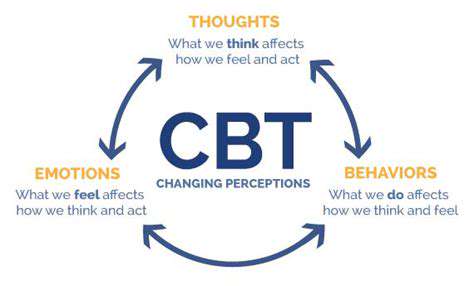
Understanding Cognitive Behavioral Therapy (CBT)
May 08, 2025
Best Cool Down Stretches After a Workout
Jun 03, 2025
How to Improve Your Focus and Concentration
Jul 03, 2025
Guide to Practicing Compassion for Others
Jul 14, 2025
Understanding Stress Hormones and the Power of GratitudeStress hormones, primarily cortisol, play a critical role in how our body responds to stress. Elevated cortisol levels can lead to serious health issues, such as weight gain, hypertension, and weakened immunity, highlighting the importance of managing stress effectively. While cortisol assists in regulating metabolism and blood sugar levels, understanding its balance is vital for maintaining overall well-being. Recent research suggests a promising connection between gratitude practices and reduced cortisol levels. Engaging in gratitude can significantly mitigate the effects of stress, with studies showing that individuals who express appreciation regularly experience lower stress hormone concentrations. Simple acts, such as maintaining a gratitude journal or verbalizing thanks to others, not only boost mood but also provide a buffer against the adverse effects of stress. By shifting focus away from daily stressors, gratitude can profoundly influence both mental and physical health.In addition to cortisol, other stress hormones, such as adrenaline and norepinephrine, are activated during stressful situations to prepare the body for rapid responses. Understanding these hormones sheds light on our physical health and opens pathways for lifestyle changes that promote stress reduction. To effectively lower stress hormones, practices like regular physical activity, mindfulness meditation, and active gratitude expression have proven beneficial. Engaging in these activities can lead to lower cortisol levels, improve mood, and foster resilience against daily stress.Adopting a gratitude-focused lifestyle is an excellent strategy for managing stress. Research indicates that gratitude not only enhances emotional well-being but also leads to physiological improvements, including better sleep and a strengthened immune system. Maintaining a gratitude journal and participating in gratitude exercises can help individuals cultivate a positive environment and reinforce supportive social connections.The interplay between gratitude and stress hormones illustrates how mental and physical health are intertwined. Fostering a mindset of appreciation can serve as a practical approach to lower cortisol levels and enhance overall quality of life. By incorporating gratitude into daily routines, one can create a self-reinforcing cycle of positivity and resilience, ultimately contributing to a healthier and more fulfilling life.Explore the science behind stress hormones, their impact on health, and learn effective strategies for stress management through gratitude practices. Start transforming your life by embracing thankfulness today!
Feb 27, 2026
A Comprehensive GuideAre you looking to improve your running endurance? This guide provides structured training plans, effective cross-training activities, nutritional tips, and recovery strategies to help you reach your goals. Follow a Structured Training PlanA well-rounded training plan is vital for building endurance. Start by setting clear and achievable goals using the SMART criteria—make them Specific, Measurable, Achievable, Relevant, and Time-bound. Incorporate varying running sessions, such as long runs and interval training, along with necessary rest days to prevent injury and fatigue. Use running apps or GPS devices to track your progress and adjust your regimen as needed. Incorporate Cross-Training ActivitiesCross-training enhances overall fitness and helps prevent burnout. Engage in activities like cycling, swimming, or strength training. These alternatives work different muscle groups, contributing to improved performance. Aim for a balanced schedule that combines running with cross-training days. This will keep your workouts diverse and maintain your enthusiasm for training. Prioritize Proper Nutrition and HydrationNutrition is crucial for endurance training. Focus on balancing macronutrients—carbohydrates for energy, proteins for muscle repair, and healthy fats for overall health. Stay hydrated, as dehydration can impact your performance. Develop a meal strategy that includes pre- and post-run nutrition to boost endurance and recovery. Implement Recovery StrategiesRecovery shouldn't be overlooked. Schedule rest days and listen to your body to prevent injury. Incorporate active recovery strategies like yoga or low-impact activities to help your muscles recover effectively. Remember that a good night’s sleep significantly impacts your recovery and performance. Set Realistic Goals and Celebrate ProgressEstablishing realistic goals keeps motivation high. Break larger objectives into smaller milestones and celebrate each achievement. Recognizing progress, whether through personal bests or completing a scheduled run, reinforces your commitment and continues to drive you forward. Use a training log for tracking improvements and staying engaged.---By following these tips, you're well on your way to improving your running endurance effectively. Whether you're training for a marathon or simply want to enjoy longer runs, having a structured approach will help you achieve your goals while avoiding burnout and injury. Start your endurance journey today!
Feb 28, 2026
The Science Behind Gratitude and Mental Health Discover the Transformative Power of GratitudeExplore the profound impact of gratitude on mental health, particularly for those overcoming addiction. Research reveals that practicing gratitude not only enhances mood but also fosters emotional resilience, strengthens social connections, and promotes positive thinking patterns. The Neurobiology of GratitudeUncover how gratitude triggers brain pathways tied to reward and pleasure. Studies in journals like *Nature* show that expressing gratitude boosts dopamine, encouraging feelings of happiness and establishing a natural reward system conducive to addiction recovery. Learn how consistent gratitude practices can rewire the brain, creating lasting positive thought patterns. Emotional Regulation and RecoveryUnderstand the link between gratitude and improved emotional regulation. Evidence featured in *Psychology Today* indicates that gratitude helps reduce anxiety and depression, enabling individuals to manage stress better. This enhancement in emotional health promotes wise decision-making and decreases impulsivity, crucial qualities for those in recovery from addiction. Building Social ConnectionsGratitude is a powerful tool for enhancing relationships, providing a crucial support system during recovery. The *Journal of Happiness Studies* shows that individuals who regularly express gratitude experience a greater sense of belonging. Fortified social ties foster accountability and motivation, essential for overcoming loneliness and supporting long-term sobriety. Cultivating a Positive MindsetDiscover how gratitude fosters a positive mindset that can serve as a replacement for cravings. Research from the *American Psychological Association* highlights that individuals practicing gratitude report healthier coping mechanisms and lower rates of substance abuse. A grateful outlook can empower individuals to tackle cravings with constructive approaches. Integrating Gratitude in Therapeutic PracticesExplore how therapists can incorporate gratitude into cognitive behavioral therapy and mindfulness practices. Keeping a gratitude journal or participating in gratitude-focused activities can help enhance therapeutic outcomes, allowing individuals to cultivate a grateful approach in their daily lives. Measuring the Benefits of GratitudeDelve into quantitative studies showcasing gratitude's positive effects on mental health, including lower depression rates and increased life satisfaction. Tools like the Gratitude Questionnaire (GQ-6) help track the profound relationship between gratitude practices and mental well-being, especially in the context of addiction recovery. Practical Steps to Build a Gratitude PracticeTake actionable steps toward developing a daily gratitude routine. Start a gratitude journal, express appreciation to others, and engage in community activities focused on gratitude. These practices not only solidify positive thinking but also form deeper connections with supportive peers, creating a nurturing recovery environment. Connecting with a Supportive CommunityJoin or form communities that encourage gratitude to enhance recovery. Discover new support networks that can play an instrumental role in fostering accountability and providing motivation. Embrace the power of shared experiences to build lasting connections that aid in navigating the challenges of addiction. ConclusionGratitude is a transformative practice that can significantly impact mental health and recovery from addiction. By harnessing the science behind gratitude and integrating it into daily life, individuals can unlock a positive mindspace, develop stronger social ties, and foster resilience essential for long-term wellness. Start your gratitude journey today and create lasting change in your life!
Mar 01, 2026
Key Strategies for SuccessAre you feeling stuck in your running routine? Whether you aim to improve your speed, build strength, or recover better, our guide offers essential strategies to help elevate your performance and break through training plateaus. 1. Reassess Your Training PlanStart by evaluating your current training regimen. Are you balancing speed work with long runs? Implement varied techniques like tempo runs and intervals weekly to stimulate improvements. Don’t forget to keep a training log to track your progress and recognize patterns. Recovery ProtocolsRecovery is key to enhancing your performance. Implement active recovery practices such as light jogging or yoga, ensure you have rest days, and focus on proper hydration and nutrition. Adequate recovery allows your body to repair and strengthens your resilience. 2. Focus on Strength TrainingIntegrating strength training into your running regimen can lead to significant improvements. Focus on major muscle groups that aid running, such as legs and core. Plan workouts 2-3 times a week to build power and durability, helping you run faster while minimizing injury risks. 3. Prioritize Recovery and NutritionRecovery cannot be overlooked. It's essential for muscle rebuilding and performance enhancement. Make sure to consume the right balance of protein, carbohydrates, and hydration post-workout. Active recovery techniques can further accelerate your recuperation. 4. Set Specific Goals and Track ProgressSetting SMART (Specific, Measurable, Achievable, Relevant, Time-bound) goals is crucial. Instead of vague aspirations, define clear targets that keep you accountable. Regularly reassess your goals, and use training logs to track your performance and make informed adjustments. 5. Engage with the Running CommunityJoining a running community, whether local or online, can boost your motivation and offer invaluable insights. Participate in group runs, workshops, and volunteer at races to deepen your connection to the sport while surrounding yourself with like-minded individuals. ConclusionImplementing these strategies can propel your running journey forward, helping you achieve both personal and performance goals. Remember, progress is a continuous journey, and engaging in community support can enhance your experience along the way. Ready to take your running to the next level? Explore our comprehensive guide for detailed insights and start breaking through those performance barriers today!
Mar 04, 2026
- Promotes better posture and spinal support.- Alleviates lower back pain by fostering core stability.- Enhances overall wellness when practiced regularly. 2. Cat-Cow StretchIncorporate the Cat-Cow Stretch into your daily routine for improved spinal flexibility. This dynamic movement transitions between two positions, promoting better posture and relieving tension in the back muscles. The Cat-Cow Stretch is particularly beneficial for those who sit for extended periods, encouraging blood flow and recovery. Key Benefits:- Releases tightness from prolonged sitting.- Engages back muscles, improving alignment and stability.- Enhances overall flexibility and mobility. 3. Spinal TwistThe Spinal Twist is essential for maintaining flexibility and strength in the spine. Regularly incorporating this exercise can alleviate discomfort and promote better posture by releasing tension in surrounding muscles. Discover how to perform this stretch safely and effectively. Key Benefits:- Improves range of motion, vital for daily activities.- Relieves tightness and stiffness in the lower back.- Enhances circulation for recovery. 4. Single Leg StretchThe Single Leg Stretch emphasizes core engagement and spinal stabilization, vital for preventing back pain. This exercise is suitable for anyone seeking to enhance their core strength while reinforcing proper posture. Follow our tips to integrate this movement into your routine. Key Benefits:- Supports the spine while promoting core engagement.- Helps prevent back pain and improves daily functional movements.- Effective in enhancing muscle awareness and control. 5. Child's PoseChild's Pose is a calming posture that provides gentle stretching and relaxation for the lower back. This foundational position in yoga and Pilates is excellent for reducing tension and promoting spinal alignment. Learn how to execute and incorporate this pose into your routine for optimal benefits. Key Benefits:- Alleviates stiffness and discomfort in the back.- Encourages relaxation through deep, controlled breathing.- Versatile enough to be practiced in various routines.--- ConclusionIntegrating these five Pilates exercises into your routine can pave the way toward a pain-free, healthy lifestyle. Begin with consistent practice, focusing on proper form to maximize the benefits. For those suffering from chronic lower back pain, consult with a healthcare provider before starting any new exercise program.Explore more resources and community support for a fulfilling journey toward improved health and well-being.
Mar 09, 2026
The Long-Term Benefits of GratitudeInvesting in gratitude practices reaps long-term benefits, not only for emotional well-being but also for relationship health. Gratitude reduces feelings of isolation and fosters a sense of belonging, enhancing social ties. As research shows, regularly engaging in these practices offers a win-win scenario, positively impacting both the giver and receiver.By embedding gratitude into daily routines—through simple acknowledgments, reflective journaling, or cultivating a culture of appreciation at work—individuals can significantly elevate their emotional resilience and promote positive behaviors that enrich both their personal and professional lives.
Mar 10, 2026
A Path to Growth and EmpathyIn a world where physical limitations can often overshadow abilities, the journey to transforming challenges into opportunities is profound and inspiring. Discover how overcoming these barriers can initiate a psychological transformation, enhance well-being, and foster empathy through shared experiences. Understanding the Psychological ShiftOvercoming physical limitations is the first step toward a psychological transformation. Engaging with supportive communities can combat isolation and enhance self-esteem. By celebrating small victories and practicing gratitude, individuals can shift their focus from limitations to strengths. Research supports that individuals with disabilities who embrace adaptive practices experience significant improvements in mental health and life satisfaction. Reframing Your MindsetChanging your mindset is critical in viewing challenges as opportunities for growth. Recognizing and celebrating achievements, no matter how small, enhances resilience and coping strategies. Daily gratitude practices help shift perspectives and enrich emotional well-being. Sharing personal stories within supportive environments fosters connections that contribute to both personal and collective growth. Building Empathy Through Shared ExperiencesShared experiences strengthen emotional connections and cultivate empathy. By discussing similar challenges—particularly in community and support settings—individuals can enhance understanding and deepen bonds. Facilitative programs that encourage storytelling can create open atmospheres, promoting emotional support and mutual understanding among participants. Redefining What ‘Ability’ MeansRecognizing a spectrum of abilities requires a nuanced understanding of physical limitations. Society's traditional views often undervalue the diverse talents of individuals facing challenges. Celebrating resilience and adaptability can lead to a more inclusive definition of success, empowering everyone to redefine their potential. Finding Joy in the Present MomentMindfulness practices, such as gratitude journaling and adaptive physical activities, can help individuals embrace the present despite physical challenges. Engaging in community support and sharing experiences with others enhances joy and promotes mental well-being. Fostering connections within supportive networks provides emotional backing and encourages individuals to find meaning in their journeys. Inspiration for OthersIcons like Stephen Hawking and Helen Keller have transformed their limitations into opportunities, inspiring countless individuals worldwide. Their stories validate the belief that challenges can foster personal evolution. Enabling a growth-oriented mindset opens avenues for setting new, achievable goals, allowing individuals to celebrate their achievements. Cultivating GratitudePracticing gratitude significantly enhances mood and perspectives on life, especially for those facing limitations. Activities like maintaining a gratitude journal or embracing mindfulness practices provide essential reminders of personal strengths while fostering a sense of community. Sharing experiences and offering support can further solidify these connections, creating networks of hope and resilience.In conclusion, transforming challenges into opportunities not only enriches individual lives but also fosters a deeper sense of empathy and community. By embracing shared experiences, redefining abilities, and cultivating gratitude, we can create environments where everyone is empowered to thrive, regardless of their limitations. Join us in this journey of inspiration and empowerment.
Mar 12, 2026
The Transformative Power of Gratitude in Relationships IntroductionGratitude is a powerful emotion that fosters a profound sense of appreciation for the positive elements and contributions in our lives. Research underscores its significance in enhancing personal well-being and strengthening interpersonal relationships. From improved mental health to fostering resilience, gratitude influences our lives in numerous beneficial ways. Understanding Gratitude and Its BenefitsPracticing gratitude is not just about feeling good; it leads to tangible psychological benefits, including reduced anxiety and depression. Psychologists like Robert Emmons have found that engaging in gratitude tasks can bolster overall happiness by as much as 25%. When we express gratitude, we not only elevate our mood but also uplift those around us, cultivating a sense of communal well-being. Enhancing Relationships Through GratitudeThe role of gratitude in relationships cannot be overstated. By expressing appreciation towards friends, family, and colleagues, we enhance trust and forge deeper emotional connections. Studies reveal that gratitude encourages a positive cycle; when someone feels valued, they are more likely to reciprocate with kindness, paving the way for flourishing relationships. Practical Strategies to Foster Daily GratitudeIncorporating gratitude into your daily life can be simple and rewarding. Keeping a gratitude journal allows individuals to reflect on and appreciate the positives in their lives regularly. Expressing thanks verbally can dramatically strengthen bonds, making everyone involved feel valued. Group gratitude activities, such as gratitude circles, can further enrich relationships within families and workplaces. Gratitude as a Tool for Conflict ResolutionGratitude also serves as a vital tool for resolving conflicts. During disagreements, shifting the focus to appreciation can help de-escalate tensions and encourage constructive dialogue. A 2017 study found that individuals practicing gratitude during conflicts reported greater satisfaction and diminished anger, highlighting how acknowledging the positives can promote cooperation over hostility. Long-Term Psychological Benefits of GratitudeIntegrating gratitude practices into daily life contributes to sustained improvements in overall well-being. Studies indicate that individuals who regularly express gratitude tend to develop resilience and experience fewer symptoms of mental distress. A grateful mindset allows challenges to feel more manageable, reducing stress and fostering a positive outlook. Creating a Culture of GratitudeCultivating a culture of gratitude requires intentional practices that celebrate appreciation. In workplaces, recognition programs boost morale and foster an engaged environment. At home, regularly expressing gratitude during family gatherings can cement supportive relationships and enhance emotional connections among family members. ConclusionEmbracing gratitude enriches not only our own lives but also enhances those around us. Over time, small gratitude practices—like maintaining a gratitude journal or verbally acknowledging others—can lead to substantial shifts in mindset. By prioritizing gratitude, we can cultivate fulfilling relationships and foster an environment filled with appreciation and mutual respect, creating a ripple effect of positivity throughout our communities.
Mar 12, 2026
View Publications>>