The Psychological Benefits of Expressing Gratitude to Others
Contents
- Gratitude enhances mental health by reducing anxiety and depression.
- Keeping a gratitude journal boosts positive emotions and life satisfaction.
- Expressing gratitude strengthens personal and professional relationships.
- Gratitude promotes emotional resilience in challenging situations.
- Practicing gratitude fosters mindfulness and a positive outlook.
- Regularly expressing thanks enhances overall well-being and reduces isolation.
- Gratitude impacts physiological health, improving sleep and immune function.
- Sharing appreciation creates a positive culture in communities and workplaces.
- Expressing gratitude cultivates empathy and strengthens social bonds.
- Routine gratitude practices promote long-term psychological benefits and happiness.
Gratitude practices can lead to profound improvements in mental health and relationships.
The Positive Impact on Mental Health
The Science Behind Gratitude and Mental Health
Research conducted by Robert Emmons, a leading psychologist in gratitude studies, has shown that individuals who regularly express gratitude experience lower levels of anxiety and depression. Emmons’s findings suggest that practicing gratitude can significantly enhance psychological well-being. This is particularly important considering the rising rates of Mental Health Issues globally.
A study published in the Journal of Happiness Studies revealed that participants who maintained a gratitude journal reported higher levels of positive emotions and satisfaction with life. Gratitude acts as a buffer against stress and enhances Emotional Resilience, attributes that are crucial for maintaining mental health, especially in today's fast-paced society.
Improved Relationships Through Gratitude
Expressing Gratitude can have a profound effect on personal relationships. When individuals acknowledge and appreciate the contributions of others, it fosters deeper connections and mutual respect. A simple thank you can help strengthen bonds, enhance intimacy, and build trust. In romantic relationships, for instance, gratitude can lead to increased relationship satisfaction and emotional stability.
Moreover, research suggests that showing appreciation in professional settings can boost team morale and productivity. Colleagues who express gratitude toward each other tend to collaborate better and feel more engaged at work. This creates a more positive work environment, which can minimize workplace stress and promote personal well-being.
Physiological Benefits of Expressing Gratitude
Interestingly, the act of expressing gratitude can also yield physiological benefits. The body releases feel-good hormones like oxytocin and serotonin when individuals practice gratitude, leading to enhanced mental states. Furthermore, studies show a correlation between Gratitude Practices and reduced levels of cortisol, the stress hormone that can have adverse effects on health when elevated over prolonged periods.
Incorporating gratitude into daily routines, such as through positive affirmations or reflective journaling, not only contributes to mental well-being but also promotes a healthier lifestyle. Regularly expressing thanks can lead to better sleep and improved immune function, which underscores the mind-body connection that is crucial for overall health.
Building a Gratitude Practice
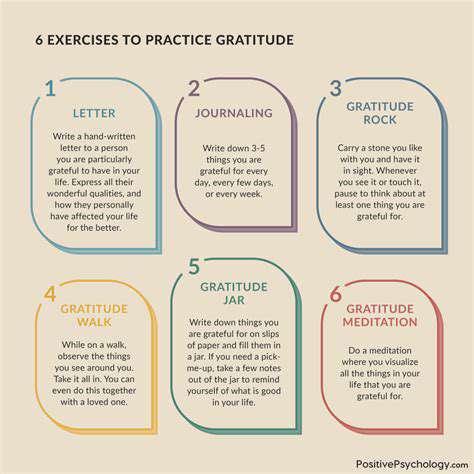
Creating a gratitude practice doesn’t have to be complex. One effective method is to set aside a few moments each day to reflect on things you're thankful for. This could be done through journaling, where individuals list at least three things each day that they appreciate. Over time, this practice not only shifts perspective but also helps one focus on the positives, minimizing negative thought patterns.
Another approach is to verbally express gratitude. Writing thank-you notes or directly acknowledging the support from friends can strengthen relationships and foster a culture of appreciation. This sustained practice can lead to lasting changes in one’s outlook on life, promoting resilience in the face of adversity.
The Role of Gratitude in Personal Growth
Gratitude is not just about appreciation, but also personal growth. When individuals regularly express gratitude, they start to notice an increase in self-awareness and introspection. As they reflect on their experiences and relationships, they develop a clearer understanding of their values and priorities, which can guide them in making more meaningful life choices.
Additionally, gratitude practices foster a mindset of abundance rather than scarcity. This shift in perspective encourages individuals to seek opportunities and embrace challenges rather than shy away from them, contributing to both personal and professional development. Learning to appreciate small victories can significantly enhance one’s journey toward self-improvement and fulfillment.
Strengthening Relationships through Appreciation
Understanding the Role of Gratitude in Relationships
Gratitude serves as a fundamental component in nurturing relationships, whether they are familial, platonic, or romantic. Research from Harvard University indicates that expressing gratitude can significantly enhance satisfaction in relationships, making individuals feel more connected and valued. When people acknowledge the good deeds of others, it fosters a positive atmosphere conducive to further interactions and deeper connections.
Engaging in gratitude can also reshape perceptions of interpersonal dynamics. When individuals feel appreciated, they are often more inclined to reciprocate kindness. According to a study published in the Journal of Personality and Social Psychology, expressing gratitude can lead to increased social bonding and ties, indicating that appreciation acts as a catalyst for further positive exchanges between people.
The Psychological Impact of Expressing Appreciation
Expressing gratitude is not just beneficial for the recipient; it has substantial psychological effects on the giver as well. Psychological studies have shown that routinely expressing appreciation can lead to improved mental health outcomes such as reduced anxiety and depression. It encourages a positive mindset and can even enhance overall life satisfaction, making it a vital practice for maintaining mental wellness.
When individuals take the time to acknowledge others' contributions, they also create a habit that reinforces positive feedback loops. This habitual acknowledgment can reduce feelings of isolation and loneliness. Notably, a study in the International Journal of Happiness and Development found a direct correlation between frequent expressions of gratitude and higher happiness levels, suggesting that showing appreciation is a win-win scenario.
Practical Ways to Cultivate an Atmosphere of Appreciation
To effectively strengthen relationships through appreciation, it is important to develop specific practices that can be easily integrated into daily life. Simple actions such as writing thank-you notes, offering compliments, or giving small tokens of appreciation can profoundly impact relationships. These gestures communicate value and acknowledgment, making people feel seen and appreciated.
Moreover, fostering an environment where gratitude is regularly expressed can lead to a culture of appreciation within families or teams. Implementing regular gratitude-sharing events or moments of reflection can help in building this atmosphere. As highlighted by researchers at the University of California, teams that practice acknowledgment of each other's efforts report higher satisfaction levels and improved teamwork dynamics, showcasing the multifaceted advantages of gratitude in various settings.
Enhancing Emotional Resilience

Understanding Emotional Resilience
Emotional resilience refers to the capacity to adapt to challenging situations and recover from setbacks. Individuals with high emotional resilience are better equipped to handle stress, anxiety, and adversity. Research suggests that resilience can be cultivated through various practices, including gratitude.
Psychologists have identified key traits of resilient individuals, including optimism, emotional awareness, and a strong support system. By developing these traits, one can significantly enhance their ability to bounce back from difficulties. Moreover, people who express gratitude regularly tend to exhibit higher emotional resilience, as their focus shifts from negativity to positivity.
Gratitude and Its Impact on Mental Health
- Gratitude practice can lower stress levels.
- It often leads to increased overall life satisfaction.
- Research links gratitude with lower rates of depression and anxiety.
The practice of expressing gratitude has been widely studied for its benefits on mental health. Studies reveal that individuals who regularly practice gratitude experience lower stress levels and a higher overall sense of well-being. For example, a 2015 study published in the Journal of Happiness Studies found that participants who engaged in gratitude exercises reported significant reductions in symptoms of depression.
Building a Gratitude Practice
Creating a gratitude practice can be simple and effective. One common approach is to maintain a gratitude journal, where individuals write down things they are thankful for each day. This practice not only promotes reflection but also fosters a positive mindset. In turn, this helps enhance emotional resilience as individuals begin to see solutions rather than problems.
Another method to incorporate gratitude is to verbally express appreciation to others. Whether it’s thanking a coworker for their assistance or acknowledging a friend’s support, expressing gratitude strengthens bonds and boosts your emotional durability. This connection to others can further help you navigate tough times, making it easier to manage stressors.
Gratitude’s Biological and Psychological Effects
Research illustrates that gratitude not only benefits mental health but also influences biological responses. Gratitude can activate areas of the brain associated with reward processing, increasing the release of dopamine. This chemical plays a key role in feelings of pleasure and satisfaction, contributing to an improved emotional state.
Moreover, expressing gratitude can affect sleep patterns positively. A 2016 study by the University of California found that participants who wrote in a gratitude journal reported better sleep quality and increased sleep duration. Regularly focusing on grateful thoughts may create a calming effect, allowing better emotional regulation throughout the day.
Practical Applications of Gratitude in Daily Life
In daily life, integrating gratitude can be approached through small but meaningful actions. For example, try setting aside a few moments each day to reflect on what you are grateful for. You could also share this practice with family members or friends, fostering a supportive environment that encourages emotional resilience in both you and others.
Moreover, consider utilizing technology to your advantage by using gratitude apps to remind you to focus on the positives. These applications can provide prompts and encouragement, making it easier to develop a consistent gratitude practice over time. The more we prioritize gratitude, the more we can significantly enhance our emotional well-being and resilience.
Encouraging Positive Behavior and Empathy

Understanding the Fundamentals of Positive Behavior
Positive behavior refers to actions that contribute to an encouraging and supportive environment. This can encompass a range of activities, such as providing compliments, showing respect, or helping others in need. Studies show that positive behavior not only enhances interpersonal relations but also fosters a sense of community and belonging. By practicing positive behavior consistently, individuals can strengthen their emotional wellbeing and promote similar attitudes among their peers.
- Positive behavior promotes a sense of belonging.
- It enhances interpersonal relationships.
- Regular practice encourages community support.
Child development experts emphasize the importance of teaching positive behaviors at a young age. When children are encouraged to express gratitude and empathy, they are more likely to carry these values into adulthood, ultimately shaping a more compassionate society. It's critical that parents and educators model these behaviors to ensure that children understand their significance.
The Role of Empathy in Social Interactions
Empathy is the ability to understand and share the feelings of others, a crucial component of positive behavior. This quality enables individuals to form deeper connections and navigate social situations more effectively. Research indicates that people with high levels of empathy are better equipped to manage conflicts and engage in cooperative behaviors. Empathy not only enhances personal relationships but also contributes to a positive workplace culture.
To foster empathy, individuals can engage in active listening, where they pay close attention to what others are saying without immediately formulating a response. This practice can improve their ability to connect emotionally and respond appropriately to the needs of others. Furthermore, empathy-building exercises, such as role-playing or volunteering, can help cultivate this critical skill.
Implementing Gratitude Practices in Daily Life
Expressing gratitude can significantly enhance psychological wellbeing. Daily gratitude practices—like keeping a gratitude journal or sharing thankfulness with others—have been shown to elevate mood and increase life satisfaction. Research by the Greater Good Science Center reveals that people who regularly express gratitude experience fewer symptoms of depression and anxiety. Integrating gratitude into your daily routine can create a cycle of positivity in your personal and professional life.
An effective strategy for implementing gratitude practices is to set aside time each day to reflect on the positives in your life. This can be as simple as listing three things you are thankful for before bedtime. Over time, these practices not only boost your mental health but also encourage a culture of appreciation among friends and colleagues.
Organizations can also promote gratitude through team-building exercises that encourage expressing thanks and recognizing contributions. This can lead to enhanced team cohesion, collaboration, and job satisfaction, making the workplace a more enjoyable environment.
Long-Term Psychological Benefits of Gratitude
Expressing gratitude has profound and lasting effects on psychological health. Numerous studies support the notion that those who practice gratitude experience improved emotional resilience and a greater sense of purpose. One significant finding is that gratitude can reduce feelings of isolation and loneliness, leading to stronger social ties. Maintaining a grateful mindset can help individuals manage stress and cope with life's challenges more effectively.
Moreover, a longitudinal study conducted by Dr. Robert Emmons found that subjects who regularly practiced gratitude reported higher levels of happiness over time compared to those who did not. This illustrates the potential of gratitude to influence not just momentary feelings but also long-term mental health outcomes.
To maximize the psychological benefits of gratitude, individuals should not only focus on receiving but also on expressing their appreciation to others. Acknowledging acts of kindness can create a ripple effect, encouraging ongoing positive interactions and reinforcing a supportive community.
Implementing Gratitude Practices in Daily Life
Understanding the Science Behind Gratitude
Research consistently shows that Expressing gratitude can have substantial psychological benefits. According to a study published in The Journal of Personality and Social Psychology, those who regularly practice gratitude report higher levels of positive emotions, more life satisfaction, and a greater sense of connection with others. This indicates that gratitude is not just a feel-good sentiment; it’s backed by scientific findings that highlight its importance in mental well-being.
Furthermore, neuroscientific studies have discovered that engaging in gratitude practices activates brain regions associated with stress relief and emotional regulation. Simple acts such as writing thank-you notes or maintaining a gratitude journal create neurochemical changes in the brain, which foster feelings of contentment and emotional balance. This evidence suggests that implementing gratitude practices can lead to lasting changes in mental health.
Practical Ways to Incorporate Gratitude into Your Routine
Incorporating gratitude into daily life doesn't have to be complicated. One effective way is to keep a gratitude journal, where you write down three things you are thankful for each day. This simple exercise can significantly enhance overall mood and outlook on life. Research from the University of California suggests that consistently reflecting on positive experiences can decrease symptoms of depression and increase social connection.
Another practical method is expressing thanks verbally or through written notes. Whether it's thanking a colleague for their help or sending a heartfelt message to a friend, being specific about what you're grateful for can deepen relationships. A study by the Greater Good Science Center found that those who expressed gratitude not only improved their own happiness but also strengthened their social bonds with others.
Overcoming Barriers to Gratitude Practice
Despite the clear benefits of expressing gratitude, many people struggle to incorporate it into their daily lives. One significant barrier is the fast pace of modern living. It can be easy to overlook opportunities for gratitude when consumed by daily routines. To counteract this, setting reminders or dedicating specific times during the day, such as mealtimes or before bedtime, can help cultivate this practice consistently.
Additionally, self-doubt or negative thinking can hinder the expression of gratitude. Individuals may feel unworthy of good things or doubtful that their gratitude will be well-received. Addressing these feelings head-on, perhaps through therapy or personal reflection, can clear the path for authentic expressions of appreciation. Importantly, acknowledging that gratitude is a personal journey can empower individuals to practice it without comparing their experiences to others.
The Long-term Impact of Regular Gratitude Practices
Committing to regular gratitude practices can yield profound long-term effects on mental health and general well-being. Over time, habitual focus on positive elements in life encourages a more optimistic perspective, making it easier to cope with stressors. Research shows that individuals who practice gratitude consistently tend to experience lower levels of anxiety and depressive symptoms, contributing to a healthier mental state.
Moreover, building a culture of gratitude in personal and professional settings can enhance overall environments. Organizations that foster gratitude and recognition often see increased team morale, productivity, and retention. Implementing gratitude initiatives at work, such as recognition programs, can create a supportive atmosphere that encourages collaboration and growth among employees.
Read more about The Psychological Benefits of Expressing Gratitude to Others







Hot Recommendations
-
*Tracking Your Running Progress: Best Metrics for Speed
-
*Managing Running Injuries: When to Run and When to Rest
-
*Impact of Footwear on Lower Back Pain and Posture
-
*Common Running Mistakes That Kill Your Speed
-
*The Habit of Gratitude: How to Make It Stick
-
*Spices and Herbs That Boost Weight Loss and Flavor
-
*Fartlek Training: A Fun Way to Increase Running Speed
-
*Using Compression Gear to Boost Running Endurance
-
*Vegan Protein Sources for Weight Loss Cooking
-
*The Link Between Tight Hamstrings and Lower Back Pain