Why Gratitude is Key to a Holistic Health Approach
Gratitude significantly influences the quality of our relationships. Studies indicate that showing appreciation strengthens bonds, whether in personal or professional settings. Acknowledging and valuing others’ contributions can foster a sense of belonging, which is critical for emotional wellness. In fact, individuals who express gratitude report having more supportive networks, which further boosts overall mental health.
To cultivate stronger relationships, consider adopting practices that involve sharing your gratitude with others. Attending gatherings where appreciation is a focal point can enhance interactions. Celebrating small acts of kindness, whether verbally or through written notes, promotes a culture of gratitude that benefits everyone involved.
The Long-Term Benefits of a Gratitude Practice
The benefits of adopting a gratitude practice extend beyond immediate emotional relief. Long-term engagement in gratitude activities is associated with sustained improvements in psychological well-being. Research published in the Clinical Psychology Review highlights that individuals who consistently practice gratitude over time experience ongoing enhancements in their overall outlook and life satisfaction.
Establishing a daily gratitude habit not only boosts mood but can also lead to healthier lifestyle choices. Grateful individuals are more likely to engage in physical activity and maintain healthier relationships, which contributes to longevity. For those seeking a holistic approach to health, cultivating gratitude can serve as a foundational element that intertwines with other wellness practices.
Physical Health Benefits of Gratitude
1. Improved Mental Health
Gratitude can significantly enhance mental well-being by reducing feelings of anxiety and depression. A study published in the Journal of Personality and Social Psychology found that participants who regularly practiced gratitude showed decreased symptoms of these mental health issues. This suggests that gratitude can serve as a powerful tool in managing one's mental health.
Moreover, expressing gratitude fosters a more positive outlook on life. By focusing on what we appreciate, we shift our attention away from negative thoughts, which can contribute to overall mental resilience. It's often noted that even small acknowledgments can trigger a noticeable shift in mood.
2. Enhanced Sleep Quality
Research indicates that gratitude can lead to Improved sleep quality. A study published in Applied Psychology: Health and Well-Being showed that individuals who kept gratitude journals reported longer sleep duration and better sleep quality. By reflecting on positive experiences before bedtime, one may reduce the racing thoughts that often impede restful sleep.
3. Strengthened Immune System
Emerging research suggests that gratitude can have a beneficial impact on physical health through its effect on the immune system. A study from the University of California found that individuals who practice gratitude consistently exhibit higher levels of antibodies and better immune responses than those who do not. This could potentially translate into fewer illnesses and a quicker recovery time when sick.
4. Reduced Stress Levels
Practicing gratitude has been linked to lower stress levels. When individuals acknowledge the good aspects of their lives, they may find it easier to cope with challenges, leading to a decrease in perceived stress. The Greater Good Science Center at UC Berkeley highlights that spending just a few minutes a day reflecting on positives can significantly lower stress hormone levels.
5. Increased Energy Levels
Feeling grateful can lead to heightened energy and enthusiasm. Research shows that people who regularly express gratitude report feeling more energized and motivated to engage in physical activities. This boost in energy can contribute to maintaining an active lifestyle, which is integral to overall health and wellness.
Furthermore, engaging in regular physical activity as a result of this increased energy can have cascading benefits for one's mental and emotional health. Thus, gratitude can indirectly promote a cycle of positive health habits.
6. Better Relationships with Others
Gratitude can enhance interpersonal relationships by fostering feelings of closeness and appreciation. When individuals express gratitude to friends and family, it strengthens social bonds and encourages more positive interactions. A study published in the journal Emotion found that gratitude may lead to more constructive communication patterns among couples.
7. Longevity and Quality of Life
Some studies suggest a correlation between practicing gratitude and increased longevity. Research published in the American Journal of Lifestyle Medicine indicates that individuals who maintain a grateful disposition tend to lead healthier lifestyles, resulting in a greater quality of life as they age. This connection to holistic health emphasizes the role gratitude plays not just emotionally, but physically as well.
Strengthening Relationships Through Gratitude

Understanding the Essence of Gratitude
Gratitude is a Powerful emotion that goes beyond mere thanks. It involves recognizing the contributions of others and valuing those efforts. According to a study published in the Journal of Happiness Studies, people who regularly practice gratitude experience lower levels of stress and anxiety, enhancing their overall well-being.
This deep sense of appreciation can significantly impact personal relationships. By expressing gratitude, individuals foster a positive feedback loop that strengthens connections and promotes collaboration.
The Science Behind Gratitude
- Gratitude activates brain regions associated with reward processing.
- It enhances emotional intelligence and empathy.
- Regular gratitude practices can lead to improved mental health.
Research from the University of California, Berkeley, highlights that gratitude triggers the brain's reward system, releasing feel-good hormones like dopamine and serotonin. This biological response not only boosts mood but also lays the foundation for healthier relationships.
Practical Ways to Incorporate Gratitude
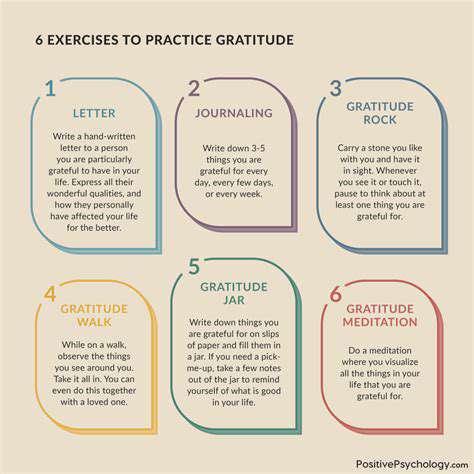
One effective method to cultivate gratitude is to start a gratitude journal. Write down at least three things you appreciate each day. This simple practice can help shift your focus from negativity to positivity. Additionally, consider sending thank-you notes or expressing your appreciation directly to individuals.
These practices can foster not just personal growth but also deepen bonds with others. Engaging in acts of gratitude can create a culture of appreciation within families and workplaces, effectively transforming interactions.
Gratitude and Emotional Resilience
Studies show that individuals who practice gratitude regularly exhibit higher levels of emotional resilience. This means they can bounce back from life’s challenges more effectively. In fact, a research review conducted by the American Psychological Association found that gratitude parallels with improved coping mechanisms in stressful situations.
Impact of Gratitude on Physical Health
Interestingly, gratitude doesn't just improve mental well-being; it can also enhance physical health. A study published in the journal *Health Psychology* found that those who practice gratitude regularly experience fewer physical ailments and report being in better health. This connection lies in the reduction of stress and enhancement of sleep quality that gratitude promotes.
Fostering gratitude can lead to more proactive health behaviors, such as exercising more and being more mindful of nutrition, ultimately creating a holistic approach to health.
Engaging Communities Through Collective Gratitude
Community-based gratitude initiatives, like Thank You Days or appreciation boards, can significantly strengthen communal bonds. Such activities encourage members to express appreciation for one another, enhancing social cohesion. Research suggests that communities that practice gratitude collectively experience lower levels of conflict and higher levels of cooperation.
Participating in community gratitude events can lead to a greater sense of belonging and support, which is essential for mental health and well-being. Individuals who feel connected to their communities often report higher satisfaction and stability in their lives.
Mindfulness and Gratitude: A Harmonious Pairing
The Science Behind Mindfulness and Gratitude
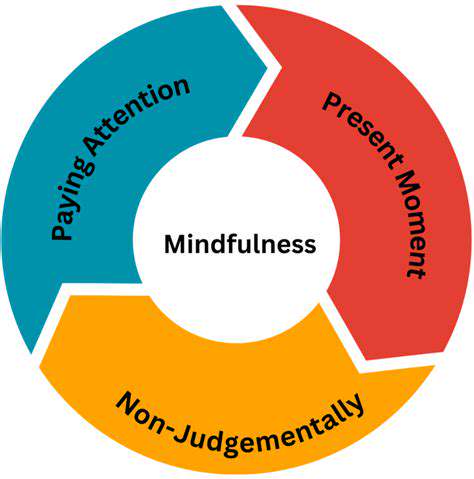
Research consistently shows that practicing mindfulness can enhance feelings of gratitude. Studies published in journals like *Psychological Science* indicate a direct correlation between regular mindfulness meditation and increases in positive mood states, including thankfulness. Mindfulness trains individuals to appreciate present moments, fostering a deeper awareness of one’s experiences, which often leads to gratitude for both small and significant aspects of life.
Moreover, a meta-analysis in *Journals of Gerontology* highlighted that people who engage in mindfulness exhibit greater skills in recognizing and expressing gratitude. This suggests not only that mindfulness cultivates gratitude but also that a grateful mindset can enhance overall mindfulness, creating a virtuous cycle beneficial to mental health.
Incorporating Mindfulness into Daily Life
To harness the benefits of mindfulness and gratitude, consider implementing small practices into your routine. For instance, starting each day with a few minutes of mindful meditation can set a constructive tone. A study in *Frontiers in Psychology* indicates that individuals who dedicate just five minutes to mindfulness each morning report improved emotional well-being throughout the day.
Additionally, maintaining a gratitude journal is a practical step. Writing down three things you're thankful for each day enhances focus on positive experiences, as shown in research from the *Journal of Happiness Studies*. This act not only reinforces awareness of the good in life but also promotes a mindful approach to daily challenges.
The Role of Gratitude in Mental Health
Gratitude has profound implications for mental health. According to a study in *American Journal of Lifestyle Medicine*, individuals who regularly express gratitude show lower levels of depression and anxiety. This finding underscores gratitude's role as a protective factor against mental health issues, illustrating its potential in a holistic health strategy.
Additionally, a growing body of literature suggests that chronic illness patients who practice gratitude report improved psychological resilience. They are better able to cope with the stress associated with their conditions, as highlighted in work published in *Health Psychology*. This approach demonstrates gratitude's ability to reinforce psychological strength in the face of adversity.
Mindfulness Practices to Enhance Gratitude
Effective mindfulness practices can significantly enhance one's ability to cultivate gratitude. Techniques such as mindful breathing, body scans, and loving-kindness meditation encourage individuals to focus on their current experiences without judgment, making it easier to recognize and appreciate what they have. Research indicates that such practices can lead to long-term increases in overall life satisfaction.
Another beneficial technique is the “Three Good Things” exercise, recommended by positive psychology experts. Each evening, note three positive events from the day, along with why they occurred. This practice not only fosters gratitude but also enhances one’s mindfulness, as natural reflections help anchor individuals in the present moment.
Creating a Supportive Environment for Mindfulness and Gratitude
To fully embrace mindfulness and gratitude, creating a supportive environment is crucial. This may involve finding a quiet space in your home that is free from distractions or establishing social connections with like-minded individuals. Research published in *Social Science & Medicine* indicates that communal practices, like group meditations or gratitude circles, enhance the effectiveness of both mindfulness and gratitude efforts.
Additionally, integrating reminders throughout your day can reinforce these practices. For instance, setting alarms on your phone to prompt moments of reflection or gratitude can be effective. Simple visuals, such as sticky notes with quotes or images that inspire gratitude, can also serve to remind you to practice mindfulness.
Long-term Benefits for Physical Health
While the emotional advantages of mindfulness and gratitude are widely discussed, their impact on physical health is equally significant. Research from *Health Psychology Review* indicates that individuals who practice gratitude have better sleep quality and cardiovascular health. A gratitude practice can lead to reduced stress levels, which directly benefits heart health by lowering blood pressure and enhancing overall wellness.
Furthermore, a study published in *Psychosomatic Medicine* found that individuals with higher gratitude scores showed improved immune function. By acknowledging what they appreciate, such individuals often cultivate a more optimistic outlook on life, which is known to correlate with better health outcomes. This highlights the importance of integrating gratitude into holistic health approaches.
Read more about Why Gratitude is Key to a Holistic Health Approach