How to Cook Healthy Without Sacrificing Flavor
Whole grains are rich in essential nutrients, including fiber, vitamins, and minerals. Unlike refined grains, which strip away important components during processing, Whole grains retain the bran, germ, and endosperm. This means that a serving of whole grains can provide significant dietary fiber, which is vital for digestive health and can aid in weight management. Research indicates that diets high in fiber may reduce the risk of chronic diseases, such as coronary heart disease and type 2 diabetes, by improving cholesterol levels and regulating blood sugar.
In addition to fiber, whole grains are an excellent source of important micronutrients such as B vitamins, iron, magnesium, and selenium. For example, 100 grams of cooked quinoa, a popular whole grain, provides about 2.8 grams of protein and is packed with magnesium, which is crucial for muscle function and energy production. By choosing whole grains over refined options, individuals can bolster their nutritional intake, benefiting both their physical health and overall well-being.
Incorporating Whole Grains Into Your Meals
Incorporating whole grains into meals can be both simple and enjoyable. Start by substituting white rice with brown rice or quinoa in your favorite dishes. When baking, try using whole wheat flour instead of all-purpose flour to boost the fiber content of your breads and pastries. Additionally, consider adding barley or farro to salads for an extra chewy texture and nutrient-dense boost. These grains not only enhance flavor but also make meals more filling, potentially reducing the need for excessive portion sizes.
Another great tip is to explore new recipes that celebrate whole grains as the star ingredient. Dishes like whole grain stir-fries, grain bowls, or hearty soups can transform simple ingredients into flavorful meals. Don’t shy away from experimenting with unique grains such as amaranth or millet, which may offer new flavors and textures, enticing your palate while promoting better nutrition. Making these swaps gradually can ease the transition and make whole grains a permanent fixture in your diet.
Incorporate Healthy Fats
Understanding Healthy Fats
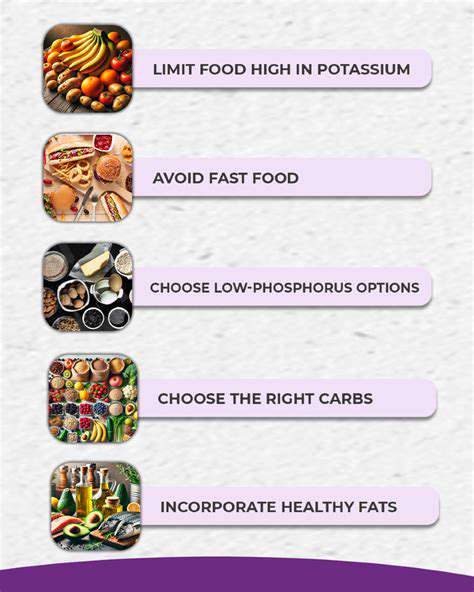
Healthy fats are essential for optimal body function, playing a crucial role in nutrient absorption and hormone production. They also provide a concentrated source of energy for the body, facilitating various metabolic processes. Common sources include avocados, nuts, seeds, and olive oil, which are high in monounsaturated and polyunsaturated fats.
Research has shown that incorporating these types of fats can improve heart health, reduce inflammation, and enhance cognitive function. For instance, the Mediterranean diet, celebrated for its health benefits, is rich in such healthy fats, leading to lower risks of chronic diseases.
Different Types of Healthy Fats
- Monounsaturated Fats: Found in olive oil and avocados, they help lower bad cholesterol.
- Polyunsaturated Fats: Includes omega-3 and omega-6 fatty acids, found in fish and flaxseeds.
- Saturated Fats: Present in coconut oil and dark chocolate, should be consumed in moderation.
Monounsaturated fats are particularly beneficial due to their ability to help regulate insulin levels and reduce visceral fat. Polyunsaturated fats, specifically omega-3s, have been widely studied for their anti-inflammatory properties, which are vital for maintaining optimal health. Including a variety of fat sources in your diet ensures a better balance of essential fatty acids.
Cooking Techniques to Incorporate Healthy Fats
When using healthy fats in cooking, it’s essential to know the best techniques to preserve their nutritional benefits. Opt for methods like sautéing with olive oil, which can enhance the flavor of vegetables while also boosting their health benefits. Avoid high-heat cooking methods such as deep frying, which can degrade these fats and form harmful compounds.
Additionally, adding healthy fats to dishes after cooking can also amplify flavor without losing nutritional value. For example, drizzle a bit of olive oil or top with avocado just before serving for a fresh taste explosion.
Replacing Unhealthy Fats with Healthy Alternatives
Transitioning to healthier fats doesn’t have to be daunting. Start by slowly replacing butter or margarine in recipes with avocado or olive oil. This simple swap can significantly reduce saturated fat intake, while enhancing the dish with added flavor and nutrients.
Another effective strategy is to substitute fat-heavy dressings with vinaigrettes made from olive oil and vinegar, which not only lowers calorie content but also adds a vibrant tang. Don’t shy away from experimenting; the more you practice, the more intuitive these choices become.
Portion Control and Balance
While healthy fats are beneficial, portion control is key. A tablespoon of olive oil contains about 120 calories, so even healthy fats can contribute to weight gain if consumed excessively. Aim for a balanced approach by pairing healthy fats with lean proteins and plenty of vegetables.
According to the Dietary Guidelines for Americans, fats should constitute 20-35% of your total daily caloric intake. Therefore, evaluating your overall eating habits will help maintain a healthy fat intake without compromising your caloric needs.
Culinary Recipes Featuring Healthy Fats
Incorporating healthy fats into your cooking can be done with a variety of recipes. For instance, preparing a quinoa salad topped with mixed nuts and a lemon-olive oil dressing provides a crunchy and zesty meal packed with nutrients.
Another delightful option is a sweet potato mash prepared with coconut oil instead of butter. This simple substitution not only enhances the flavor but also boosts the nutrient profile significantly. Exploring creative recipes ensures that eating healthy remains exciting and flavorful.
Opt for Cooking Techniques that Enhance Flavor
Utilizing Herbs and Spices Effectively
Herbs and spices are essential tools for enhancing flavor without adding unnecessary calories. Fresh herbs like basil, cilantro, and parsley can uplift any dish, while spices such as cumin, paprika, and turmeric provide depth. Studies show the aromatic compounds in spices can also stimulate appetite, making meals more satisfying.
When experimenting with herbs and spices, consider the cooking method. For example, roasting vegetables can intensify their natural sweetness, and adding spices before cooking can allow their flavors to infuse more deeply. This approach not only gives your dish a flavor boost but also retains its nutritional benefits.
Mastering Marination Techniques
Marinating proteins can significantly enhance their flavor profile and tenderness. A simple marinade of olive oil, vinegar, and your choice of herbs can transform a bland piece of chicken or fish into a savory delight. Research indicates that marinating can also reduce harmful compounds that occur during cooking, such as heterocyclic amines.
Adopting Cooking Methods That Amplify Taste
Techniques such as grilling, sautéing, and roasting can caramelize the natural sugars in food, leading to richer flavors. For instance, grilling vegetables can create a charred, smoky taste that cannot be achieved through boiling or steaming. Moreover, sautéing with a little bit of fat can enhance flavor without overshadowing the food's natural essence.
Additionally, consider using a slow cooking method, which allows flavors to meld over a longer period, resulting in deeply satisfying meals that maximize the inherent qualities of ingredients.
Incorporating Acidity for Balance
Introducing acidic ingredients, such as lemon juice or vinegar, can significantly improve the flavor balance in dishes. Acid helps to cut through richness and can make other flavors pop. For instance, a splash of balsamic vinegar can elevate a simple salad into a gourmet experience, accentuating the taste of fresh ingredients.
Experimenting with Umami-Rich Ingredients
Umami, known as the fifth taste, can radically enhance the flavor of your meals. Ingredients like mushrooms, tomatoes, and fermented products like soy sauce or miso are packed with umami compounds. Including them in meals can provide depth and roundness, making the dish feel more hearty without necessarily increasing fat content.
Highlighting umami in vegetable dishes can even entice meat lovers by creating savory experiences that stand alone without the need for additional protein sources.
Mindful Pairings of Ingredients
The art of pairing flavors can take a dish from ordinary to extraordinary. Certain foods complement each other based on their flavor profiles. For example, pairing fatty fish with citrus can brighten its richness, while pairing sweet elements, like carrots or sweet potatoes, with savory herbs can create a well-rounded dish.
Additionally, investing time in understanding food pairings can help home cooks develop their intuition in the kitchen, leading to delicious outcomes every time.
Leveraging High-Quality Ingredients
Finally, investing in high-quality, fresh ingredients can make a noticeable difference in the flavor of your meals. Fresh produce that's in season not only tastes better but also retains more nutrients. When ingredients are at their peak, there's less necessity for heavy flavor adjustments, and the natural flavors shine through.
Choosing organic or locally-sourced items can also help ensure that your meals are bursting with flavor, proving that healthy cooking doesn't have to compromise on taste.
Make Use of Marinades and Dressings
Understanding the Role of Marinades
Choosing the right marinade is essential for enhancing the flavor of proteins and vegetables. Acidic components like vinegar or citrus juice not only provide flavor but also help tenderize the meat. Studies suggest that marinating can reduce harmful bacteria, making it a dual-purpose approach to cooking.
A typical marinade often consists of an acid, oil, and various herbs and spices. Experimenting with different combinations can lead to exciting and healthy flavor profiles. For example, a mixture of olive oil, lemon juice, garlic, and thyme can create a zesty marinade that enhances chicken or fish without added calories.
Types of Marinades
There are three primary types of marinades: acidic, enzymatic, and oil-based. Acidic marinades use vinegar, citrus juices, or wine to penetrate and flavor foods. These are perfect for meats, providing both flavor and a tenderizing effect. Enzymatic marinades, like those using pineapple or papaya, break down proteins and can yield exceptionally tender results.
Oil-based marinades, on the other hand, are excellent for adding richness to your dish. They also help carry fat-soluble flavors, making them ideal for flavoring robust ingredients. Understanding these types allows one to tailor marinades based on specific dietary needs or personal preferences.
Creating Your Own Dressings
Making homemade dressings can drastically reduce sodium intake compared to store-bought alternatives. A simple vinaigrette can be made by whisking together three parts oil with one part vinegar, plus additional seasonings. This customization allows for control over ingredients, ensuring a healthier option while retaining flavor.
Consider adding herbs, garlic, or Dijon mustard to your dressings for extra flavor without unnecessary additives. Studies have shown that fresh herbs and spices not only enhance the taste but can also provide health benefits, including anti-inflammatory properties.
Balancing Flavors
When using marinades and dressings, achieving a balance of flavors can elevate your dish. For instance, if a marinade is particularly tangy, you may want to offset it with a hint of sweetness, perhaps using honey or agave syrup. This balance can lead to a more rounded flavor profile that appeals to diverse palates.
Flavor balancing is not solely for taste; it's also about creating a harmonious dish that feels complete. Identifying the dominant flavor and strategically using complementary notes can turn a simple dish into something extraordinary without extra calories or unhealthy additives.
Marinade and Dressing Application Techniques
How you apply marinades and dressings can affect both the final flavor and healthiness of your meal. For meats, marinating for at least 30 minutes but no more than 24 hours is usually ideal. Over-marinating, especially in acidic solutions, can lead to mushy textures. For salads, adding dressing just before serving ensures that your ingredients remain crisp and fresh.
It's also worth considering a two-step application. Marinate meats before cooking, then brush on additional dressing during the cooking process to deepen flavors. This technique can lead to a robust flavor experience while keeping extra fats and calories in check.
Research on Flavor Enhancement
Scientific research supports the benefits of using marinades and dressings in cooking. A study published in the Journal of Food Science highlights how marinating meats in a mixture of soy sauce and vinegar not only enhances flavor but also improves the nutritional profile of the dish. The anti-oxidative properties of these ingredients reduce the formation of harmful substances during cooking.
This research underscores the potential of using natural ingredients in marinades, showcasing that healthy cooking doesn't have to compromise on flavor. Keeping abreast of such studies can inform healthier cooking choices while maintaining delicious results.
Personal Recommendations for Healthier Cooking
Based on both personal experience and culinary knowledge, I recommend preparing small batches of marinades and dressings so that they can be enjoyed fresh. Using fresh ingredients not only improves the flavor considerably but also provides various health benefits absent in pre-packaged options.
Furthermore, experimenting with different types of vinegars or citrus can add a unique twist to standard dishes. A splash of balsamic in a vegetable marinade can introduce a sublime depth that transforms a simple grilled vegetable platter into a show-stopping side dish.
Read more about How to Cook Healthy Without Sacrificing Flavor





![How to Make Healthy Eating a Habit [Tips & Tricks]](/static/images/26/2025-07/SustainingYourMomentum3ALong-TermStrategies.jpg)