Gratitude
Mental Health
Resilience
Coping Strategies
Wellness

The Psychological Impact of a Gratitude Mindset

A Complementary Approach

Research indicates that mindfulness practices can enhance the effectiveness of gratitude. By cultivating mindfulness, individuals can become more aware of the good aspects of their lives, making it easier to practice gratitude. This combination can help individuals develop a balanced emotional state and reduce anxiety levels.

Incorporating mindfulness techniques, such as meditation or breathing exercises, can deepen the experience of gratitude. Creating a dedicated time to reflect on positive aspects can lead to heightened feelings of joy and fulfillment. This conscious practice can support mental health and improve emotional regulation.

Implementing Gratitude Practices in Daily Life

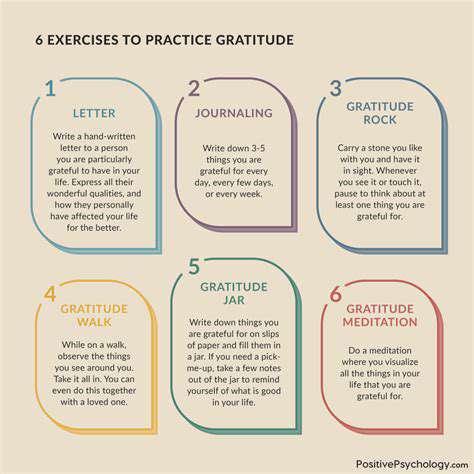
One of the best ways to incorporate gratitude into your daily routine is to keep a gratitude journal. Writing down three things you are thankful for each day can rewire your brain to focus on the positive. Notably, this practice doesn't have to be time-consuming—just a few minutes each evening can bring about significant mental health benefits.

Engaging in gratitude rituals, such as expressing appreciation verbally or through small acts of kindness, can further enhance your mindset. By actively sharing gratitude with others, you can create a ripple effect that improves collective mental health and Emotional Well-being.

Additionally, consider implementing gratitude prompts during conversations. Asking your friends or family what they are grateful for can shift the dialogue toward positivity and build stronger emotional connections.

Improved Relationships Through Gratitude

The Science Behind Gratitude

Research shows that gratitude isn't just a feel-good emotion; it has measurable psychological benefits. For instance, studies published in the journal Psychological Science have noted a correlation between gratitude and improved mental health. Individuals who practice gratitude regularly report lower levels of anxiety and depression, indicating that appreciating the positive aspects of life can truly foster emotional resilience.

Additionally, a meta-analysis conducted by researchers found that gratitude interventions could enhance overall well-being by boosting life satisfaction. This means that incorporating gratitude exercises into daily life could positively impact not just mood but also self-esteem and interpersonal relationships.

Gratitude and Relationship Satisfaction

Numerous studies indicate that expressing gratitude within relationships can significantly enhance satisfaction levels. For example, a study in the Journal of Personality and Social Psychology suggested that couples who regularly express gratitude toward each other tend to experience a higher degree of relational satisfaction. This suggests that gratitude serves as a vital operational mechanism in fostering bonds, as it encourages partners to acknowledge and appreciate each other's contributions.

Moreover, gratitude can act as a buffer against relational conflicts. When partners express thankfulness, it not only affirms their appreciation but can also soften their responses during disagreements, making them more willing to listen and engage constructively.

Implementing Gratitude Practices

Adopting gratitude practices can be simple yet transformative. One effective method is to maintain a gratitude journal where individuals can jot down daily occurrences they appreciate. Research has shown that people who maintain such journals often report heightened levels of well-being. Additionally, taking a few moments each day to reflect on positive experiences can shift focus away from negativity.

Another practical approach is to verbally express thanks. Whether it's thanking a colleague for their effort or recognizing a friend's support, this action reinforces bonds and encourages a culture of appreciation. Each expression of gratitude strengthens the connection and opens channels for positive communication.

Gratitude's Role in Conflict Resolution

In any relationship, conflicts can arise, but gratitude can be a powerful tool for resolution. By focusing on the positives, individuals create a more amicable environment for discussion. Research from the University of Georgia suggests that individuals who lean into gratitude during conflicts are often able to negotiate more effectively.

Moreover, gratitude can aid in reconciliation after a disagreement. A simple acknowledgment of what one appreciates about the other person can pave the way for a more peaceful resolution. Following a disagreement, taking the time to express gratitude can significantly lower tensions and facilitate understanding.

Culture and Gratitude

Gratitude is not uniformly expressed across cultures, but many societies acknowledge its significance in fostering strong relationships. In collectivist cultures, expressions of gratitude often align closely with community and family bonding, reinforcing social ties. Conversely, in individualistic cultures, gratitude may be expressed more through personal achievements and individual relationships.

Understanding these cultural dimensions can improve interpersonal relationships, especially in multicultural settings. By recognizing how different cultures express gratitude, individuals can build stronger, more inclusive relationships across diverse backgrounds.

Long-term Benefits of a Gratitude Mindset

Adopting a gratitude mindset is associated with numerous long-term benefits. For instance, a longitudinal study published in the journal Emotion found that individuals who maintained a gratitude practice over a sustained period reported greater overall psychological well-being compared to those who did not. These benefits include enhanced emotional regulation and resilience to stress.

Furthermore, incorporating gratitude into daily routines can have implications for physical health. Research has shown that grateful individuals often engage in healthier lifestyle choices, such as regular exercise and better dietary habits, which can meaningfully influence overall health outcomes.

Future of Gratitude Research

As research on gratitude continues to evolve, new studies are emerging that explore its effects on mental health and relationships. Investigating gratitude in various contexts, such as workplace environments or among different age groups, could yield richer insights. Ongoing research could further clarify how gratitude interventions can be tailored to maximize their effectiveness for diverse populations.

Going forward, the integration of gratitude practices into therapeutic settings may yield beneficial results. Therapists and counselors can utilize gratitude exercises to enhance client well-being, making it an essential consideration in holistic approaches to mental health.

Resilience and Coping: The Role of Gratitude

Understanding Resilience Through Gratitude Practices

Resilience is often defined as the ability to bounce back from adversity. Recent studies indicate that incorporating gratitude practices into daily life significantly enhances one’s resilience. Research published in the Journal of Personality and Social Psychology found that individuals who maintain a gratitude journal tend to exhibit higher levels of emotional well-being after experiencing stress. This method encourages individuals to focus on positive aspects of their life, thereby fostering a sense of control and hope.

Moreover, a study by Emmons and McCullough in 2003 showed that participants who practiced gratitude reported fewer health complaints and had a more optimistic outlook on life. This indicates that regularly reflecting on what one values can mitigate feelings of helplessness during challenging times, encouraging a proactive approach to life’s hurdles.

The Transformative Power of Gratitude in Coping Mechanisms

Adopting a gratitude mindset creates a solid foundation for effective coping strategies during tough situations. When individuals consciously acknowledge and appreciate the good in their lives, they create a buffer against stress. For instance, a longitudinal study conducted by Wood et al. in 2010 demonstrated that individuals who regularly engage in gratitude practices show improved life satisfaction and decreased levels of anxiety.

Integrating gratitude into daily routines can also foster stronger interpersonal relationships. A simple act, like expressing thanks to others, not only enhances social bonds but also decreases feelings of isolation, which is crucial for emotional resilience. As noted by psychology professionals, social support is a key factor in coping effectively with life’s challenges. Therefore, individuals who cultivate gratitude are likely to develop more robust social networks, further enhancing their coping capabilities.

Practical Ways to Cultivate a Gratitude Mindset

Understanding the Concept of Gratitude

Gratitude can be defined as a deep appreciation for what one has, which can significantly influence mental well-being. Research shows that practicing gratitude can lead to improved emotional health and even physical benefits. According to a study published in the Journal of Happiness Studies, individuals who regularly express gratitude tend to experience lower levels of stress and greater satisfaction in life.

This mindset is not merely about saying thank you. It encompasses recognizing and appreciating the contributions of others and the simple pleasures of everyday life. Gratitude can transform how we see interpersonal interactions and our life circumstances, turning mundane moments into opportunities for appreciation.

Effective Daily Practices to Foster Gratitude

One evident practice for cultivating gratitude is maintaining a gratitude journal, where individuals can jot down things for which they are thankful each day. This simple exercise can promote positivity and reflection, with studies showing that individuals who write about what they are grateful for at least twice a week report heightened well-being over time.

Another practical method is to incorporate gratitude into daily conversations. This can be as simple as acknowledging someone's effort or sharing what you appreciate about them. Such interactions not only bolster social bonds but also reinforce positive feelings within oneself. In addition, setting a specific time each day—be it morning or evening—to reflect on things you are grateful for helps in creating a routine.

The Role of Mindfulness in Gratitude Practice

Mindfulness plays a pivotal role in fostering a deeper gratitude mindset. Being present in the moment allows individuals to recognize the blessings around them, which they may often overlook in the hustle of daily life. Mindfulness exercises, such as meditation and guided reflections on gratitude, have been shown to enhance emotional resilience, making it easier for people to navigate challenges with a positive outlook.

Engaging in mindfulness can heighten awareness of both the good and the bad situations in life, allowing individuals to appreciate the positives while learning from negative experiences. Studies indicate that people who practice mindfulness alongside gratitude experience heightened emotional stability and improved overall life satisfaction.

Long-term Benefits of a Gratitude Mindset

Cultivating a gratitude mindset can offer numerous long-term benefits that extend beyond temporary happiness. Research indicates that individuals who consistently practice gratitude report improved relationships and greater life satisfaction over time. For instance, a longitudinal study found that participants who actively practice gratitude are more likely to report a higher quality of life year after year.

Furthermore, gratitude has been linked with better physical health outcomes, including lower blood pressure and improved immune function. This connection arises because a gratitude mindset can reduce stress levels, contributing to better health-related behaviors such as regular exercise and proper nutrition. By incorporating gratitude into your daily practice, you not only nurture your mental health but also enhance your overall well-being.

Read more about The Psychological Impact of a Gratitude Mindset

Health Tips for Busy Parents (Finding Time for Wellness)
May 13, 2025
Guide to Developing a Positive Mindset
Jun 11, 2025
Guide to Practicing Self Compassion Daily
Jul 02, 2025
10 Simple Ways to Reduce Stress Daily
Jul 08, 2025
Understanding Depression in Seniors [Signs and Support]
Jul 20, 2025
Harnessing the Power of Natural Terrain for Cross-Country RunningIntroduction Running on natural terrain, such as trails and varied landscapes, offers unparalleled benefits for both the body and mind. This article explores the myriad advantages of cross-country running, focusing on physical performance, mental resilience, community support, and the importance of cross-training for endurance enhancement. Physical Benefits of Natural TerrainEngaging in cross-country running on uneven surfaces significantly boosts cardiovascular endurance. Research indicates that training on natural terrains can enhance oxygen uptake and stamina, vital for competing in long-distance events. Moreover, runners engaging with diverse terrains activate various muscle groups, leading to improved muscle tone, strength, and reduced injury risk. These adaptations result in stronger runners capable of enduring prolonged physical exertion. Mental and Psychological AdvantagesBeyond the physical, cross-country running cultivates mental toughness. The unpredictable nature of outdoor running helps generate mental resilience as athletes tackle challenging landscapes and varying weather conditions. This exposure enhances mood and creates a profound sense of accomplishment, providing emotional benefits that traditional running paths may not. Environmental and Accessibility ConsiderationsNatural terrains are often more accessible, particularly in rural areas where specialized tracks may be scarce. Local parks and nature reserves serve as ideal training grounds, fostering community engagement and breaking barriers to fitness. Additionally, outdoor running promotes ecological awareness, as runners develop a deeper connection with the natural world, encouraging responsible behavior towards environmental preservation. Building Aerobic CapacityUnderstanding and improving aerobic capacity is critical for runners. Cross-country running provides a unique advantage due to its varied challenges, effectively increasing efficiency in oxygen usage. Structured training, combined with technique-focused workouts, can lead to significant improvements in endurance and overall fitness. Psychological Resilience Through EnduranceCross-country running inherently builds psychological resilience. As athletes confront physical discomfort and fatigue, they develop coping techniques that mold their mindsets. Recent studies highlight that consistent endurance training bolsters mental strength, equipping runners with tools to manage stress and adversity. Community and Team Support in RunningA strong support community plays a crucial role in endurance sports. Training in groups fosters motivation and accountability, enhancing individual performances. Participating in community events and supportive environments allows runners to share experiences and collaborate towards achieving personal bests. The Role of Cross-TrainingIncorporating cross-training activities enhances running performance and prevents injury. Activities like swimming and cycling improve cardiovascular strength while reducing impact on joints. A diversified training regimen not only keeps workouts fresh and engaging but also contributes to long-term athletic success. ConclusionNatural terrain running is an invaluable approach for enhancing endurance, resilience, and community support for athletes. The synergy of physical training, mental toughness, social networking, and cross-training culminates in a well-rounded perspective on fitness and overall well-being. Whether you’re a seasoned runner or a beginner, embracing cross-country running can elevate your athletic journey and promote a lifelong appreciation for movement and nature. Discover the power of running in nature and join a community that thrives together!
Feb 28, 2026
The Connection Between Mindset and Health Understanding Mindset and Its Impact on HealthMindset significantly influences our health outcomes. Studies indicate individuals with a positive mindset often engage in healthier behaviors, leading to improved well-being. Optimism correlates with lower stress levels and better immune function, as research shows that positive thinking reduces cortisol—the body’s stress hormone. The Role of Stress and Emotional Well-beingStress management is closely tied to mindset. Those maintaining a positive outlook tend to cope with stress more effectively, reducing the risk of stress-related health issues. Emotional well-being also affects recovery from surgeries and illnesses, with strong research backing its role in enhancing health outcomes. Practical Ways to Cultivate a Positive MindsetDeveloping a positive mindset is achievable through techniques like mindfulness and meditation. Engaging in such practices has been shown to diminish stress and increase mental clarity. Setting realistic health goals, maintaining a strong support system, and investing time in self-care are also vital components for fostering a positive attitude. Evidence from ResearchNumerous studies establish a clear connection between a positive mindset and enhanced health benefits. Optimistic individuals display increased longevity and have better recovery experiences, which emphasizes the importance of mental attitudes in physical healing. The Mind-Body ConnectionThe mind-body connection illustrates how our mental states directly impact physical health outcomes. For example, the placebo effect demonstrates how belief in treatment efficacy can lead to genuine physiological responses, further highlighting the need for integrated mental and emotional health strategies in disease prevention. How Positive Thinking Influences Healing ProcessesNumerous studies underline that a positive mindset can enhance immune responses, reduce inflammation, and result in faster recovery from illnesses. Maintaining an optimistic outlook aids individuals in adhering to treatment plans, thereby improving overall outcomes. Mindfulness and Visualization TechniquesPracticing mindfulness helps individuals manage their emotional states during health challenges. Techniques such as visualization, where patients imagine successful healing outcomes, have been statistically linked to improved recovery rates and overall wellness. Real-Life Examples of TriumphCase studies show how positive thinking can significantly impact recovery in patients battling chronic illnesses, like cancer. Patients who engage in positive affirmations and journaling tend to report less pain and better treatment responses, highlighting the importance of mental health in physical recovery. Practical Tips to Foster a Positive Mindset 1. Set Achievable Health GoalsUse the SMART criteria to create clear and realistic objectives. 2. Practice GratitudeDaily gratitude journaling can significantly enhance overall outlook and reduce stress. 3. Leverage AffirmationsReinforce your abilities and worth through positive affirmations to enhance self-esteem. 4. Engage in Mindfulness and MeditationRegular practice can lead to reduced anxiety and improved mental clarity, crucial for navigating health challenges. 5. Build a Supportive NetworkSurrounding yourself with supportive individuals can create a conducive environment for positive change. 6. Engage in Physical ActivitiesPhysical activity releases endorphins that elevate mood, improving overall quality of life.Fostering a positive mindset not only enhances emotional well-being but is crucial for overall health and recovery. Consider integrating these practices into your life to experience tangible health benefits.
Mar 06, 2026
A Path to Growth and EmpathyIn a world where physical limitations can often overshadow abilities, the journey to transforming challenges into opportunities is profound and inspiring. Discover how overcoming these barriers can initiate a psychological transformation, enhance well-being, and foster empathy through shared experiences. Understanding the Psychological ShiftOvercoming physical limitations is the first step toward a psychological transformation. Engaging with supportive communities can combat isolation and enhance self-esteem. By celebrating small victories and practicing gratitude, individuals can shift their focus from limitations to strengths. Research supports that individuals with disabilities who embrace adaptive practices experience significant improvements in mental health and life satisfaction. Reframing Your MindsetChanging your mindset is critical in viewing challenges as opportunities for growth. Recognizing and celebrating achievements, no matter how small, enhances resilience and coping strategies. Daily gratitude practices help shift perspectives and enrich emotional well-being. Sharing personal stories within supportive environments fosters connections that contribute to both personal and collective growth. Building Empathy Through Shared ExperiencesShared experiences strengthen emotional connections and cultivate empathy. By discussing similar challenges—particularly in community and support settings—individuals can enhance understanding and deepen bonds. Facilitative programs that encourage storytelling can create open atmospheres, promoting emotional support and mutual understanding among participants. Redefining What ‘Ability’ MeansRecognizing a spectrum of abilities requires a nuanced understanding of physical limitations. Society's traditional views often undervalue the diverse talents of individuals facing challenges. Celebrating resilience and adaptability can lead to a more inclusive definition of success, empowering everyone to redefine their potential. Finding Joy in the Present MomentMindfulness practices, such as gratitude journaling and adaptive physical activities, can help individuals embrace the present despite physical challenges. Engaging in community support and sharing experiences with others enhances joy and promotes mental well-being. Fostering connections within supportive networks provides emotional backing and encourages individuals to find meaning in their journeys. Inspiration for OthersIcons like Stephen Hawking and Helen Keller have transformed their limitations into opportunities, inspiring countless individuals worldwide. Their stories validate the belief that challenges can foster personal evolution. Enabling a growth-oriented mindset opens avenues for setting new, achievable goals, allowing individuals to celebrate their achievements. Cultivating GratitudePracticing gratitude significantly enhances mood and perspectives on life, especially for those facing limitations. Activities like maintaining a gratitude journal or embracing mindfulness practices provide essential reminders of personal strengths while fostering a sense of community. Sharing experiences and offering support can further solidify these connections, creating networks of hope and resilience.In conclusion, transforming challenges into opportunities not only enriches individual lives but also fosters a deeper sense of empathy and community. By embracing shared experiences, redefining abilities, and cultivating gratitude, we can create environments where everyone is empowered to thrive, regardless of their limitations. Join us in this journey of inspiration and empowerment.
Mar 12, 2026
- Improved Flexibility: Consistent morning stretching increases your range of motion and prepares your muscles for the day ahead.- Better Posture: Stretching can help align your spine correctly, reducing strain and discomfort throughout the day.- Pain Prevention: Regular morning stretching can help prevent long-term injuries that arise from muscle tightness or imbalance. Effective Lower Back StretchesIncorporating effective stretches into your morning routine can transform your day. Here are four foundational stretches you shouldn’t skip:1. Cat-Cow Stretch: This dynamic stretch mobilizes your spine, enhances flexibility, and engages core muscles. 2. Child's Pose: Known for its restorative properties, this pose gently stretches your lower back and promotes relaxation while improving overall spinal alignment.3. Pelvic Tilts: This stretch strengthens the lower back and improves mobility, making it ideal for individuals battling chronic back pain.4. Seated Forward Bend: Aimed at stretching tight hamstrings and lower back muscles, take deep breaths while enhancing meditation and mindfulness. Creating a Consistent RoutineFor optimal results, consistency is crucial. Aim to stretch your lower back 4-5 times weekly for 10-15 minutes each morning. Mindfully integrate stretching into your daily life using reminders or by associating it with another morning routine, such as hydration or meditation. Documenting progress can also keep you motivated. Common Mistakes to AvoidWhen stretching, be mindful of your body's limits. Rushing through stretches can lead to injury, so take your time and breathe deeply during each movement. Furthermore, ensure to warm up your muscles prior to stretching for better effectiveness and to mitigate injury risks. ConclusionIncorporating morning stretches into your daily routine is a proactive approach to enhancing your lower back health and overall well-being. Through the benefits of improved flexibility, better posture, and pain prevention, you can cultivate a momentum of wellness that sets a positive tone for your day. Start today, and pave your way to a healthier lifestyle!
Mar 13, 2026
Spend a few minutes each night noting down things you appreciate. This cognitive shift reinforces positive emotions and can decrease anxiety. 2. Mindful Reflection: Take time to intentionally think about the positive aspects of your day. Mindfulness exercises, including gratitude-focused meditations, can lead to reduced sleep disturbances. 3. Share Your Appreciation: Verbally expressing gratitude strengthens relationships and reinforces positive feelings, promoting better emotional health. 4. Limit Negative Inputs Before Bed: Curate your evening environment by reducing exposure to negative content, fostering a calming atmosphere conducive to sleep.5. Engage in Gratitude-centric Activities: Write letters of appreciation or perform acts of kindness before bedtime to enhance feelings of connectedness and improve relaxation. Long-Term Benefits of Gratitude Incorporating gratitude into your daily routine results in not only immediate psychological benefits but also long-term improvements in mental health and life satisfaction. Individuals who habitually practice gratitude often enjoy better relationships, heightened emotional regulation, and resilience in the face of stress.By cultivating gratitude as part of your health regimen, you not only enhance your sleep quality but also embark on a journey towards improved mental clarity and emotional stability. Embrace gratitude today for a fulfilling life and peaceful nights!
Mar 16, 2026
The Power of Mindfulness in Daily Life Discovering MindfulnessMindfulness is about being fully present in the moment, a practice rooted in ancient traditions but highly relevant today. With significant backing from research, particularly studies from Harvard Medical School, mindfulness helps reduce stress and improve emotional well-being. By cultivating awareness of our thoughts and feelings, we can regain control over our responses and foster gratitude amidst the chaos of daily life. The Intersection of Gratitude and MindfulnessGratitude is integral to enhancing mindfulness. By consciously acknowledging what we are thankful for, we shift our focus from negativity to positivity. Keeping a gratitude journal has been linked to higher levels of happiness and lower symptoms of depression. This practice encourages us to appreciate the little joys that often go unnoticed. Simple Ways to Incorporate Mindfulness DailyIntegrating mindfulness into our routines is essential for maximizing its benefits. Start with short sessions of mindful breathing to enhance awareness. Set reminders throughout your day to pause and reflect on what you’re grateful for, whether it’s a comforting cup of coffee or a pleasant interaction. Mindfulness apps can provide helpful guided sessions for busy lifestyles. The Scientific Basis for MindfulnessResearch supports the effectiveness of mindfulness. Meta-analyses indicate it can lead to moderate improvements in anxiety, depression, and chronic pain. Furthermore, neuroimaging studies reveal that consistent mindfulness practice can alter brain structures involved in emotional regulation and self-awareness. Debunking Myths Around MindfulnessCommon misconceptions can hinder mindfulness practices. Many believe it requires long commitments or equates to emptying the mind. In reality, mindfulness is about observing thoughts without attachment and engaging with the present moment. Understanding these nuances can help in adopting mindfulness realistically. Practical Tips for Mindfulness and GratitudeTo nurture mindfulness and gratitude, start or end your day with reflections on what you're thankful for. Engage in physical activities like yoga that promote both mental and physical well-being. Over time, these practices can help you notice even the smallest delights in your life. The Impact of Gratitude Journals on Mental HealthMaintaining a gratitude journal can greatly improve mental health. Studies show participants who journal their gratitude experience happiness boost and reduced depression levels. Choose a format that suits you, whether traditional pen-and-paper or digital, and commit to writing regularly to enhance emotional well-being. Creating Rituals and Sharing GratitudeEstablish daily rituals focused on gratitude to increase emotional resilience and community connection. Integrate gratitude-sharing in conversations or family meals, reinforcing a culture of appreciation. A gratitude jar can visually capture your positive experiences and encourage consistency in your practice. Overcoming Negative Thoughts with GratitudeTo combat negativity, begin identifying and challenging detrimental thought patterns. Engage in daily gratitude practices to shift your focus from the negative to the positive. Mindfulness techniques can also help in reframing negative thoughts, enhancing your overall perspective on life. Promoting a Positive EnvironmentPhysical space influences mood significantly. Maintain organized spaces and have visual gratitude reminders to inspire a more grateful mindset. Embracing self-compassion can bolster resilience while decluttering can enhance emotional well-being.By adopting mindfulness and gratitude into daily life, you can create a positive ripple effect, benefiting not only yourself but also those around you. Start small—practice gratitude daily and watch how it transforms your perspective and emotional health.
Mar 17, 2026
The Importance of Gratitude in Childhood DevelopmentGratitude plays a crucial role in the emotional and social development of children. Studies have shown that incorporating gratitude practices in schools leads to significant boosts in emotional well-being, social relationships, and academic success. By fostering an environment that prioritizes appreciation and thankfulness, educators can enhance both the academic and personal growth of their students. Understanding Gratitude's Impact on Emotional Well-BeingResearch indicates that children who practice gratitude experience lower levels of anxiety and depression. Utilizing simple exercises, such as gratitude journals or thank-you notes, can serve as effective tools for emotional growth. These practices encourage children to reflect on their lives positively, fostering a resilient mindset that is invaluable during challenging times. Boosting Social Relationships and EmpathyTeaching gratitude helps children build stronger social connections. Studies reveal that gratitude promotes prosocial behavior, allowing children to acknowledge the kind actions of others. This acknowledgment cultivates empathy, which is essential for nurturing harmonious interactions among peers. Educators can facilitate group activities that promote appreciation, enhancing cooperation and relationships in the classroom. Enhancing Academic Performance Through GratitudeIntegrating gratitude practices not only fortifies emotional intelligence but also correlates with improved academic outcomes. Students engaging in gratitude express heightened focus and motivation, which enhance cognitive functions. Establishing structured gratitude programs in schools aids in creating a positive culture that supports both personal and academic achievements. Fostering a Positive School CultureAn inclusive school culture is foundational for effective emotional and social learning. Celebrating diversity through cultural awareness programs fosters acceptance and critical thinking. Additionally, building strong relationships among students through collaborative learning enhances emotional resilience and academic success, creating an environment where students feel safe and valued. Implementing Gratitude PracticesEducators can incorporate daily gratitude sessions into their teaching, encouraging students to express appreciation for their lives and peers. Community involvement in gratitude initiatives, such as 'Gratitude Days', strengthens community bonds, further benefiting students' emotional well-being. Integrating gratitude across various subjects and engaging in service-learning projects cultivates a deeper understanding of appreciation and its impact on community, enhancing students' social responsibility. Long-Term Benefits of Gratitude EducationThe immediate effects of teaching gratitude—improved academic performance and better behavior—pave the way for long-term emotional resilience. Children who practice gratitude are better equipped for future challenges, leading to overall life satisfaction. In summary, fostering gratitude in educational settings not only enhances classroom dynamics but also lays the groundwork for students' ongoing success and emotional health throughout their lives. Schools that prioritize gratitude cultivate an atmosphere of support, cooperation, and resilience—ingredients essential for effective childhood development.
Mar 17, 2026
View Publications>>

Hot Recommendations