Mindfulness
Gratitude
Mental Health
Positive Psychology
Well-being
Appreciation
Self-Compassion

Finding Gratitude in Small Daily Moments

Outline

  • Mindfulness enhances presence and reduces stress, crucial for daily life.
  • Gratitude boosts mindfulness, shifting focus from negatives to positives.
  • Incorporating mindfulness in routines makes life more meaningful.
  • Mindfulness meditation improves emotional regulation and self-awareness.
  • Mindfulness doesn't require extensive time; brief moments suffice.
  • Gratitude journals significantly enhance mental health and happiness.
  • Choose a journal format that fits your lifestyle for better commitment.
  • Consistent gratitude journaling fosters positive habits over time.
  • Gratitude rituals improve emotional health and create supportive communities.
  • Small actions of gratitude can lead to significant mental health improvements.
  • Identifying negative thought patterns is crucial for cultivating gratitude.
  • Gratitude journaling helps counterbalance negativity and stress effectively.
  • Surround yourself with positive influences for a more optimistic mindset.
  • Setting realistic expectations nurtures appreciation for small wins.
  • Embrace self-compassion to transform challenges and foster gratitude.
  • A organized environment promotes positivity and gratitude in daily life.

The Power of Mindfulness in Daily Life

Understanding Mindfulness

Mindfulness is the practice of being fully present in the moment without judgment. This concept has roots in ancient meditation traditions, particularly Buddhism, but has gained traction in contemporary psychology. Research from institutions like Harvard Medical School has shown that mindfulness can significantly reduce stress and improve emotional well-being, making it a valuable practice for anyone looking to enhance their daily life.

A key aspect of mindfulness is awareness. By paying attention to your thoughts and feelings, you can create a more balanced perspective. In doing so, individuals often report feeling less overwhelmed by external pressures and more in control of their responses. This awareness forms the foundation of fostering gratitude in everyday situations.

The Role of Gratitude in Mindfulness

Gratitude plays a crucial role in enhancing mindfulness. When practitioners consciously reflect on what they are grateful for, they shift their focus from negative experiences to positive ones. Studies have shown that individuals who maintain a gratitude journal report higher levels of happiness and reduced symptoms of depression. This practice encourages individuals to recognize and appreciate the small joys that can be overlooked in the hustle and bustle of daily life.

Incorporating Mindfulness into Daily Routines

To truly harness the power of mindfulness, it can be beneficial to integrate it into everyday routines. Start by dedicating a few minutes each day to mindful breathing. This simple exercise can ground you and enhance your ability to notice small, often ignored aspects of life. With consistent practice, people often find themselves appreciating even mundane tasks, shifting their experience from routine to meaningful.

Another approach involves setting reminders throughout your day to pause and check in with your thoughts. These reminders serve as prompts to practice gratitude, whether it's appreciating a warm cup of coffee in the morning or a friendly exchange with a coworker. Simple tools, such as mindfulness apps, can provide guided sessions and reminders that fit seamlessly into busy lifestyles.

Scientific Foundations of Mindfulness Practices

Evidence supporting the effectiveness of mindfulness practices is well-documented. A meta-analysis by Goyal et al. (2014) concluded that mindfulness meditation programs can lead to moderate improvements in anxiety, depression, and pain. Moreover, Neuroimaging studies indicate that regular mindfulness practice can change brain structure, enhancing areas related to emotional regulation and self-awareness.

Common Misconceptions About Mindfulness

Despite its growing popularity, there are several misconceptions about mindfulness that can hinder its practice. One common myth is that mindfulness requires a significant time commitment. However, even brief, focused moments of mindfulness can yield substantial benefits. Additionally, some believe mindfulness equates to emptying the mind. In reality, it's about observing thoughts without becoming attached to them, a nuance that can lead to deeper understanding and acceptance.

Another misunderstanding is that mindfulness is solely about relaxation. While it can promote relaxation, it's primarily a skill to develop self-awareness and presence. By debunking these myths, individuals can better approach mindfulness with realistic expectations and reap its full benefits.

Practical Tips for Cultivating Mindfulness and Gratitude

To cultivate mindfulness and gratitude effectively, consider adopting daily practices that resonate with you. One effective strategy is starting or ending your day with a gratitude reflection. This could be as simple as mentally noting three things you are thankful for that day. Over time, this practice can reshape your overall outlook and connection to the world.

Additionally, engaging in mindfulness exercises combined with physical activity, such as yoga or mindful walking, enhances both physical and mental health. These activities encourage a deep connection with the body, fostering an enhanced state of awareness that aligns well with gratitude practices. The more you integrate these techniques, the more naturally gratitude can manifest in everyday moments.

Keeping a Gratitude Journal

Understanding the Benefits of Gratitude Journals

Research has indicated that maintaining a Gratitude Journal can significantly improve mental health. According to a study published in the Journal of Personality and Social Psychology, participants who consistently wrote about their daily gratitude exhibited lower levels of depression and increased happiness. This can be attributed to the active focus on positive experiences.

Additionally, positive psychology studies suggest that the act of writing about what one is thankful for activates areas of the brain associated with reward and feelings of pleasure. This means that gratitude journaling not only enhances emotional well-being but also triggers a lasting sense of fulfillment.

Choosing the Right Format for Your Journal

The format of your gratitude journal can greatly influence your commitment and effectiveness. Some prefer traditional pen-and-paper journaling for its tactile experience, while others may find digital platforms more convenient and accessible. Tools like Google Docs or specific journaling apps can allow for easy updates and the integration of multimedia elements like images and videos, which can enhance the journaling experience.

Ultimately, the best format is the one that suits your lifestyle and preferences—what's essential is making a habit of recording gratitude regularly, whatever the medium.

Incorporating Gratitude into Daily Routines

Embedding gratitude into your daily life can be as simple as setting a specific time for journaling. Whether it’s first thing in the morning or as a reflective exercise before bed, finding a consistent time helps build a habit. Committing to write down three things you're grateful for each day, regardless of size, can be transformative over time.

Moreover, integrating gratitude into conversations, such as expressing appreciation towards colleagues or loved ones, reinforces a culture of gratitude not only for you but also for those around you.

Consider making it a family tradition to share what everyone is grateful for during meals. This can create a collective mindset of appreciation and bolster relationships.

Addressing Challenges in Maintaining a Gratitude Journal

Many individuals encounter obstacles in keeping up with their gratitude journals. Common challenges include time constraints and the struggle to find gratitude during tough times. Acknowledging these barriers is crucial to overcome them. Start with short, manageable entries instead of lengthy reflections to ease the pressure.

On days when expressing gratitude feels challenging, try writing about smaller details, like the warmth of sunlight or a good cup of coffee. These small moments can remind you that there’s always something positive to focus on, even when larger circumstances feel overwhelming.

Utilizing Prompts to Enhance Reflection

Using prompts can be incredibly beneficial in fostering deep reflection and commitment to your gratitude journal. For example, consider prompts such as What made me smile today? or Who am I grateful for right now? These targeted questions can help you dig deeper into your experiences and feelings.

Moreover, year-round gratitude challenges, where participants receive daily prompts via social media, have gained popularity. Joining such challenges can provide motivation and a sense of community as individuals share their gratitude journeys together.

Keeping your entries varied can also maintain your interest in the practice. Switching up your focus each week—for instance, exploring gratitude for different themes—can refresh your perspective and encourage sustained commitment.

Reflections on Long-Term Gratitude Practice

Engaging in a gratitude journal is not merely a quick fix but a long-term practice with cumulative benefits. Over time, those who regularly reflect on their gratitude often develop an overall more positive outlook on life. A longitudinal study published in Psychological Science found that participants who practiced gratitude reported greater life satisfaction and feelings of connectedness with others over several months.

Regular reflections in a gratitude journal can lead to a mindset shift, allowing individuals to notice and appreciate even the smallest joys in their daily lives. It encourages a sense of resilience in adversity, fostering a more recent trend towards maintaining consistent gratitude practices even during challenging times.

Creating Rituals of Appreciation

The Importance of Daily Gratitude Practices

Research shows that engaging in Daily Gratitude practices can significantly enhance an individual's well-being. A study published in the Journal of Personality and Social Psychology highlighted that individuals who regularly acknowledged what they were grateful for reported improved mental health and a more positive outlook on life. This suggests integrating appreciation into our daily routines can serve as a potent tool for emotional resilience.

Moreover, gratitude has physical health benefits that can’t be overlooked. According to studies by Dr. Robert Emmons, a leading expert on gratitude, those who practice appreciation tend to experience fewer ailments and report better overall health. Implementing small rituals like keeping a gratitude journal or expressing thanks to someone can yield substantial benefits, making it a worthwhile endeavor.

Developing a habit of gratitude facilitates greater emotional awareness and connection to others. By consciously recognizing the contributions and kindness of others, we naturally enhance our relationships, leading to a supportive community that enriches our lives. A simple thank you can extend beyond social niceties; it strengthens networks and fosters an environment conducive to mutual support.

Implementing Rituals of Appreciation

To create effective rituals of appreciation, consider setting aside specific times in your day dedicated solely to gratitude. Whether it’s first thing in the morning or just before bed, carving out a few minutes to reflect on positive experiences can set a constructive tone for your day or help you unwind. This structured practice can also increase your awareness of daily positives—those small moments that often go unnoticed.

An accessible approach is to establish a “gratitude jar” at home or work. Each day, write down one thing you are grateful for and place it in the jar. Over time, this visual representation of gratitude can serve as a comforting reminder of life's positive aspects, especially during challenging times. This method encourages consistency and can even involve family or colleagues, fostering collective appreciation.

Sharing Gratitude with Others

SharingGratitudewithOthers

Understanding the Impact of Gratitude on Mental Health

  • Gratitude can significantly boost mental well-being.
  • Research indicates that expressing gratitude helps reduce anxiety and depression.
  • Practicing gratitude fosters a positive outlook on life.

Numerous studies reveal that expressing gratitude can lead to significant improvements in mental health. In fact, research published in the Journal of Clinical Psychology found that individuals who practiced gratitude regularly reported lower levels of depression and anxiety. This suggests that integrating gratitude into daily routines can have profound effects on psychological resilience.

Moreover, by focusing on the positive aspects of life, individuals may find it easier to navigate challenges. A study by Emmons and McCullough found that participants who kept a gratitude journal experienced more positive emotions and a greater overall sense of well-being, illustrating how simple gratitude practices can enhance mental resilience.

Ways to Share Gratitude in Daily Life

Sharing gratitude does not always have to be a grand gesture; sometimes, the smallest acts can have the biggest impact. Simple acknowledgments, such as thanking a colleague for their help or expressing appreciation to a service worker, can brighten someone's day. In fact, research shows that gratitude can create a ripple effect, encouraging others to pay it forward. This not only strengthens social bonds but also contributes to a more positive communal environment.

Another effective way to express gratitude is through written communication, like notes or emails. These can serve as tangible reminders of appreciation that people can refer back to and cherish. By regularly taking a few minutes to write a note of thanks, individuals can enhance their own sense of well-being while uplifting others.

Overcoming Negativity to Foster Gratitude

Recognizing Negative Thought Patterns

To overcome negativity effectively, it's crucial first to identify the thoughts that contribute to this mindset. Negative Thought Patterns such as catastrophizing or all-or-nothing thinking can become ingrained and severely impact day-to-day experience. Research indicates that as much as 70% of our internal dialogue can be critical or negative, emphasizing the importance of awareness.

Once these patterns are recognized, individuals can begin to challenge them. For instance, when feeling overwhelmed, it might be useful to pause and analyze the situation logically. Are the negative conclusions warranted? This cognitive reframing can help shift focus away from problems to possible solutions.

Practicing Daily Gratitude

A consistent practice of gratitude can significantly diminish negative feelings. Studies highlight that maintaining a gratitude journal, where individuals jot down three things they are thankful for each day, can foster a more positive outlook. The simple act of reflection can counterbalance negative thoughts and cultivate a grateful perspective.

Even in challenging times, practicing gratitude doesn't require grand gestures. Small acknowledgments, such as appreciating a warm cup of coffee or a compliment from a colleague, can accumulate and shift overall mindset. The power lies in frequency and intention.

To incorporate this into daily life, consider setting aside just five minutes each evening for gratitude journaling. It need not be elaborate; concise entries can yield significant benefits over time. This habit can serve as a beacon of positivity amidst daily stressors.

Engaging in Mindfulness Techniques

Mindfulness practices, such as meditation and deep breathing, can effectively counter negative thoughts and promote a sense of gratitude. These techniques focus on centering the mind and body, which can help create a more fulfilling connection to the present moment. Research shows that merely 10 minutes of mindful breathing can reduce stress hormones like cortisol, improving overall mental well-being.

Surrounding Yourself with Positive Influences

The company we keep plays a significant role in shaping our thoughts and emotions. By intentionally surrounding ourselves with individuals who exude positivity and gratitude, we can create an environment that fosters a more optimistic mindset. Positive social interactions lead to increased happiness, as shown by several psychological studies.

Additionally, engage with uplifting content, whether it's books, podcasts, or social media. Consuming positive narratives can reshape our thinking patterns and encourage a more grateful outlook on life.

Setting Realistic Expectations

Unrealistic expectations often lead to disappointment and negativity. Understanding that nobody is perfect and everyone faces challenges can help recalibrate our expectations. This shift can reduce feelings of inadequacy and foster a greater appreciation for small wins in life.

Moreover, breaking larger goals into achievable steps can help foster a sense of progress and maintain motivation. Celebrating these small milestones can nurture gratitude for the journey rather than solely for the end results.

Embracing Self-Compassion

Self-compassion involves treating oneself with kindness during times of failure or suffering, rather than with critical judgment. This concept, which has gained traction in psychological circles, can mitigate negativity and cultivate a deeper appreciation for oneself and life. Embracing one’s imperfections can transform the way we perceive challenges, reaffirming the journey toward personal growth.

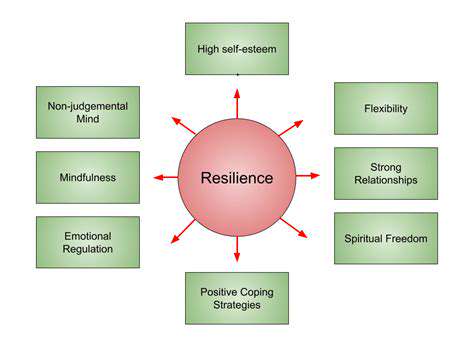
Practicing self-compassion also promotes resilience. When faced with setbacks, focusing on self-kindness rather than harsh self-criticism can reduce stress and anxiety, enabling a more grateful approach to life’s difficulties.

A simple practice is to speak to yourself as you would to a friend. This shift from self-criticism to encouragement can foster a more nurturing internal dialogue and allow for gratitude in daily experiences.

Creating a Positive Environment

The physical environment significantly influences mood and mindset. Cluttered spaces can contribute to feelings of chaos and negativity, whereas organized and pleasant settings can promote well-being. Taking time to declutter personal spaces and adding elements that inspire joy—such as plants or artwork—can enhance positivity.

A small adjustment, like rearranging furniture or introducing new decor, can reinvigorate one's surroundings, making daily life feel fresh. This intentionality can serve as a reminder of the beauty present in even the simplest things, fostering gratitude.

Additionally, consider including visual reminders of gratitude in your space, such as motivational quotes or photographs of cherished moments. These elements can serve as authentic catalysts for cultivating a grateful mindset.

Read more about Finding Gratitude in Small Daily Moments
Health Tips for Managing Stress with Diabetes
May 05, 2025
Guide to Practicing Emotional Detachment for Peace of Mind
May 22, 2025
Best Creative Outlets for Stress Relief and Expression
Jun 29, 2025
Best Daily Rituals for Stress Reduction
Jul 31, 2025
Best Tips for Managing Stress in Your Daily Life
Aug 02, 2025
A Comprehensive Guide The Importance of Understanding InflammationInflammation is the body’s natural defense against injury and infection. However, when it becomes chronic, it can have dire implications for your health. Various studies, including those published in *Nature Reviews* and the *Journal of Clinical Investigation*, highlight the connection between chronic inflammation and serious diseases such as heart disease, diabetes, and even cancer. Managing inflammation is essential for maintaining overall health and preventing these conditions. Chronic Inflammation and Chronic DiseasesResearch indicates that chronic inflammation can lead to tissue damage and impaired bodily functions, making it a significant risk factor for numerous health complications. Individuals with lower inflammation markers often report better health outcomes in conditions like rheumatoid arthritis and inflammatory bowel disease, emphasizing the necessity of controlling inflammation for long-term wellness. Mental Health and InflammationThe impact of inflammation extends beyond physical health, with recent studies connecting inflammation to mental health disorders, including depression and anxiety. Elevated levels of inflammatory markers in the body can exacerbate psychological issues, suggesting that mental health is intrinsically linked to physical states. Dietary Influences on InflammationYour diet plays a crucial role in managing inflammation. A nutrient-rich diet consisting of fruits, vegetables, whole grains, and healthy fats can significantly lower inflammatory markers. The Mediterranean diet, rich in omega-3 fatty acids, is particularly effective. Conversely, processed foods high in sugar and trans fats can trigger inflammation. Understanding how to read food labels empowers individuals to make healthier choices. Lifestyle Factors in Managing InflammationEngaging in regular physical activity and prioritizing sleep and stress management can mitigate inflammatory responses. Moderate exercise and mindfulness techniques, such as yoga, have been proven to lower inflammation levels. Establishing a consistent routine can yield long-lasting health benefits, promoting both physical and mental well-being. The Healing Power of GratitudePracticing gratitude has been linked to reduced inflammation, with studies showing that those who express gratitude exhibit lower levels of pro-inflammatory cytokines. Emphasizing gratitude not only enhances emotional well-being but can also translate into meaningful physiological changes. Implementing simple practices like gratitude journaling or regularly expressing thanks can foster a more positive outlook and potentially reduce inflammation. Conclusion: Holistic Management of InflammationIntegrating practices that reduce inflammation into your lifestyle—be it through a nutritious diet, physical activity, stress management, or gratitude—can significantly enhance your overall health and quality of life. The interconnectedness of mental and physical health underscores the importance of a comprehensive approach to wellness. Explore the benefits of regulating inflammation through simple lifestyle changes, and discover how gratitude may become a cornerstone of your health journey.By understanding and managing inflammation holistically, you pave the way towards a healthier, more vibrant life.
Mar 09, 2026
- Set Realistic Goals: Break the recovery journey into manageable milestones to track progress and maintain motivation.- Engage in Mindfulness: Techniques such as meditation and yoga enhance emotional regulation and promote positive outlooks during recovery.- Seek Social Support: Connecting with friends, family, or support groups provides emotional encouragement and a reminder that you're not alone.These strategies foster resilience and a positive mindset crucial for effective recovery. The Impact of Mindset on Physical Recovery OutcomesResearch underscores the connection between mindset and physical recovery. A proactive attitude correlates with faster healing and improved health metrics. Embracing Self-Efficacy—the belief in your ability to succeed—can enhance adherence to therapy, ultimately leading to quicker recovery. Integrating Gratitude into the Recovery ProcessPracticing gratitude is instrumental in building a resilient mindset. Regular gratitude practices, such as journaling, can shift focus from difficulties to positive experiences, reinforcing emotional well-being. Studies reveal that grateful individuals report higher resilience and better coping mechanisms. Building Emotional ResilienceEmotional resilience is the ability to adapt to adversity and recover from setbacks. To build this trait:- Develop Self-Awareness: Mindfulness practices can help acknowledge and counter negative thought patterns.- Strengthen Support Networks: Create strong, supportive relationships to share struggles and triumphs.- Adopt a Growth Mindset: View challenges as opportunities to learn and grow. The Role of Community in RecoveryCommunity support is vital for recovery. Engaging with a network of friends, family, and peers can significantly improve mental health outcomes. Effective support systems foster resilience and motivate individuals to adhere to recovery protocols.Integrating gratitude into these community interactions can enhance relationships and provide a deeper sense of belonging, making the recovery process not just about physical healing, but emotional and social well-being too. ConclusionThe interplay between mindset, gratitude, and resilience is profound in the context of recovery. By adopting a growth mindset and integrating gratitude practices into your daily routine, you can significantly improve your recovery journey and build a more resilient approach to life’s challenges. Embrace these tools to transform your experience and outcomes in recovery.Explore more about cultivating a positive mindset and the role of gratitude in healing to enhance your recovery journey today!
Mar 10, 2026
The Power of Gratitude in Your Health Journey Why Gratitude Matters for Your HealthDiscover the profound impact of gratitude on your health journey, supported by research from prestigious institutions like the University of California. Studies show that practicing gratitude can significantly improve mental well-being, reducing symptoms of anxiety and depression while enhancing overall life satisfaction. Those who embrace gratitude often make healthier lifestyle choices, demonstrating psychological resilience that can transform their health. Simple Practices for Daily GratitudeIntegrating gratitude into your daily routine is easier than you think. Start a gratitude journal and jot down three things you appreciate each day. This straightforward practice can lead to greater emotional well-being over time, setting a positive tone for your day and cultivating a healthy mindset. Physical Health Benefits of GratitudeGratitude isn't just an emotional booster; it has physical health benefits too. Grateful individuals experience improved sleep, lower blood pressure, and enhanced immune function. As you embark on your health transformation, this powerful emotional tool can help you recover better and maintain overall wellness. Uniting Gratitude and MovementCombine gratitude with physical activity to amplify your health journey. By appreciating your body and its capabilities, you are more likely to engage in exercise. Transform workouts from a chore into a celebration of what your body can achieve, whether it's running, dancing, or yoga. Strengthening Relationships through GratitudeExpressing gratitude can significantly enhance your relationships. Simple acts, like sending thank-you notes or verbally acknowledging someone's contribution, strengthen connections, creating a supportive environment vital for mental health. The benefits of shared gratitude extend beyond the individual, promoting social support and belonging. Navigating Gratitude During ChallengesWhile practicing gratitude can be immensely beneficial, it may be challenging during tough times. Acknowledge these difficulties and focus on finding small moments of appreciation. This approach allows you to cultivate a sustainable gratitude practice, fortifying resilience amid life's challenges. Integrating Movement into Daily LifeDaily movement is crucial for maintaining physical health and improving mental well-being. The World Health Organization recommends at least 150 minutes of moderate exercise each week. Discover simple ways to add movement to your routine, like taking the stairs, scheduling quick stretch breaks, and choosing enjoyable activities that keep you motivated. Tracking Progress and Community SupportUtilizing technology can help track your movement and gratitude goals, keeping you accountable and motivated. Engage with communities, both online and offline, to share your journey, celebrate milestones, and gain inspiration. Whether through fitness apps or local groups, connecting with others can enhance your commitment and enjoyment in your health transformation. Embrace the Journey of TransformationUnderstanding your mindset's importance in health transformation is key. Cultivating a growth mindset and practicing gratitude can significantly improve your ability to overcome challenges. Set realistic and attainable goals while celebrating small victories to maintain motivation and commitment. Furthermore, focusing on nutrition and building a strong support network will enhance your path to overall well-being.Embrace gratitude and movement as integral parts of your health journey, and watch as they transform not only your well-being but also your outlook on life.
Mar 13, 2026
The Transformative Power of Gratitude in Your Weight Loss JourneyDiscover how cultivating an attitude of gratitude can profoundly impact your weight loss success. From enhancing motivation to reducing emotional eating, gratitude can be a game-changer on your journey toward better health. Enhance Motivation and CommitmentGratitude can rejuvenate your commitment to weight loss. By fostering a positive mindset, individuals can better tackle challenges, stay motivated, and maintain focus on their goals. Studies reveal that those who practice gratitude regularly report higher levels of satisfaction and lower depression, fostering resilience essential for adhering to weight loss plans. Strengthen Social SupportSharing gratitude with friends and family can form stronger support systems. Research shows that individuals who engage in weight loss programs alongside a supportive network experience higher success rates. Building these connections enables accountability, motivation, and a shared commitment to healthy behaviors. Encourage Healthy BehaviorsPracticing gratitude can lead to better lifestyle choices. By shifting focus on appreciation, individuals are less likely to indulge in emotional eating and more apt to prioritize nutritious foods. This positive mindset supports effective decision-making that aligns with weight loss goals, promoting both physical activity and healthier eating habits. Reduce Stress and Emotional EatingStress is a significant hurdle in the weight loss process that can trigger emotional eating. Gratitude not only alleviates stress levels but also diminishes the desire for comfort food. By reflecting on things to be grateful for, individuals can break the cycle of stress-induced overeating, leading to a more controlled and mindful approach to eating. Improve Sleep QualityQuality sleep plays a crucial role in weight management, and gratitude practices can enhance sleep quality. Better rest supports metabolic function and reduces cravings, making it easier to maintain a healthy diet and exercise routine. Allocate time for gratitude exercises to promote restful sleep and improve your weight loss results. Set Achievable Goals and Reflect on ProgressGratitude can serve as a powerful tool in setting realistic weight loss goals. By acknowledging and celebrating small milestones, individuals can boost their motivation and stay engaged in their journeys. Keeping a gratitude journal to reflect on achievements enables a positive feedback loop, reinforcing the commitment to goals. Fostering a Positive Body ImageGratitude can significantly enhance body image and self-acceptance, which are key components of a successful weight loss journey. Appreciating one's body for its capabilities—not just appearance—can promote healthier behaviors. Practicing gratitude allows individuals to celebrate their unique journeys while circumventing unhealthy comparisons with others. Build Stronger Community and Support SystemsEngaging in gratitude strengthens social bonds, fostering a sense of community essential for weight loss. By participating in group activities centered around gratitude, individuals can motivate each other and share experiences, further promoting accountability and commitment to health goals. ConclusionEmbrace gratitude as a foundational aspect of your weight loss strategy. By integrating gratitude practices into your daily life, you can enhance motivation, foster healthy behaviors, and cultivate a supportive environment that drives you toward success. Experience the transformative powers of gratitude and march confidently on your weight loss journey.
Mar 13, 2026
Effective StrategiesFostering gratitude in children can be both simple and transformative. Encourage children to maintain a gratitude journal, allowing them to write down things they are thankful for each day. This practice cultivates a lasting appreciation for the positive aspects of life. Additionally, parents can model gratitude by expressing appreciation aloud, reinforcing the idea that acknowledging kindness builds stronger relationships. Incorporating gratitude into family rituals, such as sharing thankful moments during meals, can further instill this important value. Through these shared experiences, families can foster stronger bonds and a culture of appreciation. Long-Term Mental Health BenefitsResearch suggests that instilling gratitude from an early age has lasting effects on emotional well-being. Adults who practiced gratitude as children often exhibit higher life satisfaction and lower stress levels. This foundational skill not only enhances personal well-being but also promotes empathetic and supportive relationships, essential for emotional resilience. Everyday Gratitude PracticesIntegrating daily gratitude practices can significantly bolster family dynamics. Simple activities like gratitude jars or shared family journals encourage everyone to express their thankfulness. Moreover, studies indicate that these practices can enhance emotional well-being and strengthen familial bonds, laying the groundwork for healthier mental landscapes. Community Engagement and GratitudeEngaging in community service offers a profound avenue for children to understand gratitude. Through acts of kindness, children see the value of giving back, which enhances their appreciation for their own lives. These experiences can facilitate empathy and social responsibility, further solidifying the importance of gratitude in daily life. Exploring Literature and MediaThe role of literature and media is critical in teaching gratitude. Stories like The Giving Tree and films such as Inside Out illustrate the significance of appreciation in human relationships. Additionally, engaging children in discussions around these narratives encourages them to reflect on their own experiences with gratitude. Technology’s Role in Gratitude EducationIn an increasingly digital world, technology can be harnessed to promote gratitude. Various apps and online platforms provide interactive ways for children to engage in daily gratitude practices, making the experience both fun and relatable. Educators can also integrate gratitude-focused projects, enhancing a sense of community among students. Creating a Culture of Gratitude in SchoolsEstablishing a culture of gratitude in schools can profoundly impact student mental health. Educators modeling gratitude and implementing appreciation initiatives create a nurturing environment crucial for holistic development. By recognizing efforts and expressing appreciation, schools can foster emotional well-being and strengthen interpersonal relationships. ConclusionGratitude is an essential component of mental health, offering tools for coping with life’s challenges and enhancing overall well-being. By actively teaching and modeling gratitude in various settings—home, community, and school—we can cultivate a more empathetic society that values appreciation and kindness.
Mar 13, 2026
The Impact of Digital Gratitude Apps on Mental Health
Mar 14, 2026
The Importance of Flexibility and Strength for RunnersDiscover how flexibility and strength play crucial roles in a runner's performance, enhancing speed, reducing injury risk, and promoting overall health. This comprehensive guide dives into the benefits of flexibility and strength training, particularly through yoga, revealing how they can transform your running routine. Enhancing Performance through FlexibilityFlexibility significantly influences a runner's performance and health. Enhanced flexibility in key muscle groups, such as hamstrings and hip flexors, lowers the risk of injuries. Studies from the British Journal of Sports Medicine indicate that greater muscle elasticity allows for optimal running mechanics, enabling longer strides and improved running efficiency.Incorporating yoga into your regimen can effectively enhance flexibility. Specific poses, such as Pigeon and Warrior II, target critical muscle areas, promoting healthier and more effective running experiences. Addressing Common InjuriesRunners commonly face injuries like IT band syndrome and plantar fasciitis, largely stemming from muscle tightness and imbalances. A proactive approach that includes regular flexibility routines can reduce injury risks significantly. Research from the American Orthopaedic Society for Sports Medicine shows marked decreases in injury rates among runners who perform targeted stretching.Adding yoga teaches the body to respond flexibly to varied terrains, enhancing the neuromuscular response crucial for avoiding injuries during dynamic runs. Integrating Yoga for Strength and RecoveryYoga is not just about flexibility; it's essential for building strength and enhancing mental focus. Scheduling weekly yoga sessions post-run when muscles are warm can accelerate recovery and improve overall performance. Tailoring yoga routines to address personal limitations maximizes benefits for each runner, ensuring individual needs are met effectively. Mindfulness for Mental EdgeMindfulness in yoga cultivates present-focused awareness, leading to improved concentration and mental resilience during runs. Techniques such as breath-focused sessions or body scans during runs can help athletes maintain proper form and enhance overall performance. Creating a Balanced RoutineTo maximize performance, runners should establish a balanced training regimen that incorporates flexibility and strength training alongside effective running strategies. A well-structured routine might include several running sessions, strength workouts, and yoga classes, promoting sustained progress and making room for necessary recovery.By adhering to this balanced approach, runners can enjoy a comprehensive training experience that resists burnout and champions long-term success. Staying MotivatedMaintaining motivation throughout training is key to long-term success. Joining a running group or yoga class can create a supportive community, making sessions enjoyable and fostering healthy competition. Setting realistic, achievable goals will keep the journey exciting and rewarding.Embrace flexibility and strength training today to not just run faster but smarter. Dive into the world of yoga to enhance your running practice and keep yourself injury-free while enjoying every step of your journey towards fitness.
Mar 14, 2026
View Publications>>