Starting Your Health Transformation with Gratitude and Movement
Table of contents
Gratitude improves mental health and reduces anxiety.
Daily gratitude practices enhance emotional well-being over time.
Gratitude leads to better sleep and immune function.
Expressing gratitude can strengthen personal relationships.
Challenges in gratitude practice can build resilience.
Regular movement is crucial for physical and mental health.
Incorporating movement can be simple and effective.
Engaging in enjoyable activities boosts commitment to fitness.
Tracking movement with technology can enhance motivation.
Mindful movement promotes deeper health benefits.
Setting realistic goals is key for health transformations.
Community support enhances health journey success.
Celebrating milestones fosters motivation within supportive groups.
Your mindset plays a crucial role in health transformation.
Nutrition is foundational to achieving health goals.
The Power of Gratitude in Your Health Journey

Understanding the Science of Gratitude
Research has increasingly shown that Gratitude can significantly impact our overall health. Studies conducted by institutions like the University of California have revealed that individuals who regularly practice gratitude show improved mental well-being. This includes reduced symptoms of depression and anxiety, as well as increased life satisfaction.
In addition, grateful individuals often have a more positive outlook on life, which can lead to healthier lifestyle choices. This makes it clear that gratitude is not just a personal trait but a powerful tool that can enhance psychological resilience.
Gratitude as a Daily Practice
Integrating gratitude into your daily routine can be simple yet transformative. One popular method is to maintain a gratitude journal where you write down three things you are thankful for each day. Research indicates that this small practice can lead to greater emotional well-being over time.
Moreover, setting aside a few minutes each morning to reflect on what you appreciate can set a positive tone for your entire day. These moments of reflection can serve as a foundation for a healthier mindset.
Physical Benefits of Gratitude
- Improved sleep quality
- Lower blood pressure
- Enhanced immune function
The benefits of gratitude go beyond just emotional health; they positively influence physical health as well. Grateful people have been found to experience better sleep, which is crucial for recovery and overall well-being. Furthermore, studies suggest that gratitude can contribute to lower blood pressure and a stronger immune system, making it an essential aspect of health transformation.
Gratitude and Exercise
Connecting gratitude with physical movement can amplify your health journey. When you express gratitude for your body and its abilities, you are more likely to engage in Physical Activity. This shift in mindset can turn exercise from a chore into a celebration of what your body can achieve.
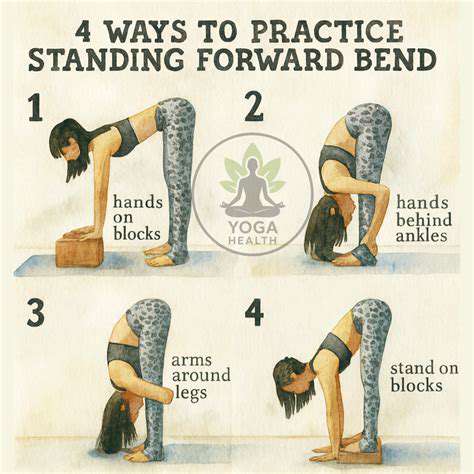
Whether it's going for a run, dancing, or even yoga, a grateful attitude can make these activities more enjoyable and fulfilling. Additionally, integrating movement with mindfulness practices can further enhance the benefits of both gratitude and physical health.
Sharing Gratitude with Others
Expressing gratitude not only benefits you but can also strengthen relationships with those around you. Simple acts like writing thank-you notes or verbally acknowledging someone's help can foster connections and create a positive environment. According to a study published in the journal Personal Relationships, sharing gratitude can enhance feelings of social support and belonging.
These social connections are vital for mental and emotional health, making gratitude a communal practice that enhances overall well-being for everyone involved. Incorporating this practice into your relationships can be incredibly rewarding.
Challenges in Practicing Gratitude
While practicing gratitude can be immensely beneficial, it isn’t always easy. There are moments in life that challenge our ability to feel thankful, particularly during stressful times or life transitions. However, acknowledging these challenges is part of the process. Finding ways to cultivate gratitude even in difficult situations can lead to stronger coping mechanisms.
Consider focusing on small, everyday moments of gratitude rather than large, life-altering experiences. This approach can make gratitude feel more attainable and sustainable over time. By addressing challenges directly, you can create a more resilient gratitude practice.
Integrating Movement into Your Daily Life
Understanding the Importance of Daily Movement
Regular movement plays a crucial role in maintaining physical health as well as improving mental well-being. Research indicates that engaging in daily physical activity can significantly reduce the risk of chronic diseases such as obesity, diabetes, and cardiovascular conditions. According to the World Health Organization (WHO), adults should perform at least 150 minutes of moderate-intensity exercise per week to achieve substantial health benefits.
Moreover, the psychological advantages of daily movement shouldn't be overlooked. The release of endorphins during exercise is often cited as a key factor in alleviating stress and anxiety. A study published in the Journal of Clinical Psychiatry found that even short bursts of physical activity can boost mood and cognitive function, highlighting the importance of incorporating movement into everyday routines.
Identifying Opportunities for Movement Throughout the Day
Finding ways to integrate movement into your daily life can be simpler than you think. Simple activities like taking the stairs instead of the elevator, parking farther from your destination, or standing while on phone calls can all contribute to your overall movement goal. These approaches not only make physical activity more manageable but also help establish a consistent routine.
Additionally, consider scheduling short breaks throughout your workday to stretch or take a quick walk. Research shows that professionals who take brief movement breaks are generally more productive and focused than those who remain seated for extended periods. According to a study by the American Journal of Preventive Medicine, incorporating standing or walking periods into your day can help combat sedentary behaviors linked to health risks.
Effective Strategies for Keeping Movement Engaging
To maintain your motivation and enjoyment in daily movement, it's essential to choose activities that you find pleasurable. Whether it's dancing, hiking, or participating in group sports, finding what resonates with you can make a significant difference. For instance, joining a local hiking club can offer both social interaction and an active lifestyle, making it easier to stick to your movement goals.
Furthermore, consider varying your routines to prevent boredom. Alternating different forms of exercise—such as cycling, swimming, or yoga—can keep your interest piqued, while also engaging various muscle groups. The University of Michigan Health System recommends being part of fitness classes or challenges, as these provide structure and Community Support, enhancing commitment to movement.
Incorporating Technology for Movement Tracking
In today's digital age, technology can play a significant role in tracking and enhancing your movement efforts. Fitness trackers or smartphone apps can motivate you by tracking your activity levels, calories burned, and even sleep patterns. According to a study published in the American Journal of Preventive Medicine, individuals who utilized fitness tracking devices engaged more in physical activity compared to those who did not.
Additionally, many apps provide reminders to move, which can serve as helpful nudges during a long workday. Look for programs that allow you to set personalized goals and celebrate achievements. This data not only aids in reflecting on your progress but can also inspire continuous improvement in your daily movement habits.
Mindful Movement and its Benefits
Incorporating mindfulness into your movement routines can deepen the impact on both mental and physical health. Practices like yoga or tai chi combine physical activity with focused breath control and meditation, promoting relaxation and enhancing body awareness. A study published in the journal Health Psychology found that participants who practiced mindfulness were more likely to engage in regular physical activity.
Mindful movement encourages you to pay attention to your body’s signals, helping to prevent injuries and making you more attuned to your fitness levels. Engaging in such practices regularly can create a more holistic approach to health transformation, making movement not just a task, but a form of self-care and self-connection.
Setting Realistic Goals for Long-Term Success
When it comes to integrating movement into your daily life, setting achievable goals is essential for long-term success. The SMART criteria—specific, measurable, attainable, relevant, and time-bound—can help frame these goals effectively. For example, instead of saying I want to exercise more, a SMART goal would be I will walk for 30 minutes five days a week after dinner. This level of specificity makes it easier to track progress.
Moreover, periodic reassessment of your goals can keep them relevant and motivating. Life changes and circumstances can affect your available time and energy levels, so it’s important to adapt your goals accordingly. Celebrating small victories along the way can reinforce positive behavior and help maintain your commitment to a healthier lifestyle.
Creating a Gratitude and Movement Routine
Understanding the Benefits of Gratitude
Research consistently highlights the impact gratitude has on mental health and overall well-being. Studies have shown that individuals who regularly practice gratitude experience lower levels of stress and anxiety. Furthermore, keeping a gratitude journal can lead to improved mood and greater overall life satisfaction.
Incorporating gratitude into your daily routine acts as a powerful analytical tool that fosters a positive mindset. Acknowledging what you are thankful for, even in challenging times, can shift your perspective and encourage resilience. This makes it easier to tackle health transformation challenges with a focused approach.
Establishing a Daily Gratitude Practice
Creating a dedicated time for gratitude can make it a sustainable practice. A simple, effective way is to set aside five to ten minutes each day. This could be early in the morning or before bed, with the goal of reflecting on three things you appreciate that day. This routine fosters consistency and allows for deeper introspection.
Consider using a notebook or a digital app to track these thoughts. Writing them down solidifies the practice and provides a tangible way to measure your growth over time. In fact, many find that revisiting past entries can help enhance feelings of gratitude even further, reinforcing this beneficial habit.
Additionally, sharing your gratitude with others can amplify its effects. Expressing thankfulness in conversations not only strengthens relationships but also fosters a supportive network, which is vital during Health Transformation Journeys.
Incorporating Movement into Your Routine
Movement is essential for achieving health goals, yet it often feels like a daunting task for many. Studies suggest that regular physical activity can boost mood, enhance sleep quality, and increase energy levels. Even moderate exercises, such as brisk walking, can lead to significant improvements in physical and mental health.
Incorporating movement doesn’t have to mean hitting the gym. Find activities that you genuinely enjoy, whether it’s dancing, yoga, or even gardening. Engage in exercises that allow for flexibility while aligning with your personal interests to enhance long-term commitment to fitness.
Creating a Balanced Routine
When integrating gratitude and movement, balance is key. Aim for a routine that includes both practices regularly without overwhelming yourself. For example, you might start the day with a few minutes of gratitude reflection followed by a 20-minute walk. Structuring your day this way can create a sense of harmony and keep motivation levels high.
Consider also integrating mindfulness techniques during physical activity. While walking, focus on your surroundings and the sensations in your body, which can deepen your mindfulness practice. This dual approach enhances not only your physical health but also fosters mental clarity.
Tracking Progress and Adjustments
Monitoring your journey is crucial for assessing progress and making necessary adjustments. Tools like journals or apps can help you record your gratitude notes as well as your physical activities. A study published in the Journal of Happiness Studies indicates that tracking habits increases the likelihood of maintaining them over time.
Don't hesitate to modify either practice as you progress. For instance, as your fitness level improves, you can increase the intensity or duration of your workouts. Similarly, your gratitude expressions may deepen or shift focus as your experiences evolve. Adapting your routine can keep it fresh and engaging.
Seeking Community Support
Engaging with a community can significantly enhance your gratitude and movement practices. Whether joining a local walking group, a fitness class, or an online gratitude challenge, surrounding yourself with like-minded individuals can provide encouragement and accountability. Community support also fosters a sense of belonging, which is fundamental for motivation.
Online platforms offer various resources, including forums, apps, and social media groups dedicated to health transformation. These communities can share tips, celebrate milestones, and provide inspiration, ensuring you feel connected throughout your journey.
Reflecting on Your Journey
Regular reflection is vital to understand the evolution of your gratitude and movement routine. Set aside time weekly or monthly to review your journal entries and physical activity records. This process will not only highlight progress but also areas that require attention or modification.
Acknowledging achievements, no matter how small, reinforces positive behavior and maintains momentum. Celebrating milestones, including gratitude and movement, cements these practices in your lifestyle and promotes continuous health transformation.
Building a Supportive Community
Understanding the Importance of Community Support
Research has consistently shown that individuals who partake in social activities are more successful in their Health Transformations. A study by the American Journal of Public Health indicates that social connections can be as important as dietary choices in influencing health outcomes. Community support offers motivation, accountability, and a sense of belonging that is critical during challenging times.
Building a supportive environment means engaging with others who share your goals. Having a workout partner or a health coach can help in maintaining consistency and dedication to your routines. According to a report from the National Institute of Health, peer support can enhance adherence to exercise programs by nearly 24% compared to solitary participants.
Creating a Positive Environment
To foster a supportive community, begin by creating a positive environment around you. This could be a local fitness group, online forums, or social media networks focused on health and wellness. Being surrounded by positive influences can uplift your spirits and reinforce your commitment to personal goals.
Consider initiating regular group activities, such as community walks, fitness classes, or support group meet-ups. Encouraging participation not only improves individual well-being, but it also establishes a culture of health that can motivate others in your circle. This collaborative approach transforms the often isolating journey of health transformation into a shared experience.
Moreover, don’t hesitate to reach out beyond your immediate circle. Engaging with local health organizations or participating in community events can broaden your support network significantly.
Utilizing Digital Platforms for Support
In this digital age, leveraging technology can significantly enhance your community support efforts. Platforms like fitness apps or social media groups serve as powerful tools for connecting with like-minded individuals. For instance, utilizing apps such as MyFitnessPal or Strava allows users to share their progress, challenges, and tips in real-time, fostering a sense of camaraderie.
You can also participate in webinars or virtual support meetings hosted by health professionals. These online communities offer not only peer support but access to expert advice and resources. Research from the Journal of Medical Internet Research highlights that online support groups can lead to improved outcomes, with members reporting higher satisfaction levels in their health journeys.
Engaging in Collaborative Activities
Engagement can take various forms, and collaborative activities are among the most beneficial for building community. Group challenges, charity runs, or collaborative wellness projects are effective ways to unite individuals towards a common goal. These activities not only offer physical benefits but also create lasting bonds among participants.
Additionally, sharing knowledge and experiences during these events can inspire others. When participants discuss their journey, hesitations, and milestones, it cultivates a culture of openness and trust. This enhances the impact of gratitude and movement, making the health transformation process much more enriching.
Organizing such events on a regular basis can lead to an established routine that individuals look forward to, increasing the likelihood of long-term health transformations.
Celebrating Milestones Together
Celebrating achievements, both big and small, plays a crucial role in community building during health transformations. Whether it is recognizing a participant for reaching a weight loss goal or simply sticking to a workout schedule for a month, these celebrations foster a positive atmosphere. According to Positive Psychology research, recognizing achievements can enhance motivation and productivity.
Consider hosting monthly or quarterly gatherings to acknowledge the successes of your group members. Such events can be casual meet-ups, award ceremonies, or even simple recognition posts on social media. Sharing these milestones cultivates a sense of achievement not just for individuals, but for the community as a whole, reinforcing the idea that everyone is in this together.
Embrace the Journey of Transformation
The Importance of Mindset in Health Transformation
Your mindset plays a critical role in any health transformation journey. Research suggests that adopting a growth mindset, which focuses on learning and resilience, significantly improves health outcomes. By fostering an attitude of gratitude, individuals can develop a more positive outlook, making it easier to overcome challenges.
Practicing gratitude can also diminish negative emotional responses. A study published in the Journal of Personality and Social Psychology found that individuals who regularly engaged in gratitude exercises reported lower levels of stress and anxiety. This supportive mindset lays the groundwork for more successful health changes, aiding in the creation of new, healthy habits.
Incorporating Movement into Daily Life
Movement is essential for a well-rounded health transformation. It doesn't have to be a chore; simply integrating physical activity into daily routines can make a significant difference. For example, taking the stairs instead of the elevator or going for a brisk walk during lunch can enhance overall physical fitness without demanding extra time.
The CDC recommends at least 150 minutes of moderate-intensity aerobic activity each week. This guideline can be broken down into smaller, manageable segments. Finding enjoyable activities, like dancing or biking, not only provides physical benefits but also boosts mental health and enhances social connections.
Setting Realistic and Attainable Goals
Proper goal-setting is crucial when starting a health transformation. Setting specific, measurable, achievable, relevant, and time-bound (SMART) goals provides a clear pathway and increases motivation. For instance, instead of a vague goal like “get fit,” aiming for “walking 10,000 steps a day” clarifies expectations and progress measurements.
Additionally, celebrating small victories can bolster motivation. Research from the American Psychological Association shows that recognizing accomplishments reinforces a positive self-image. This practice encourages individuals to continue pushing toward their larger health ambitions.
Ultimately, finding a balance between ambition and realism in goal-setting can create a sustainable model for health changes, ensuring long-term commitment without feeling overwhelmed.
The Role of Nutrition in Overall Well-being
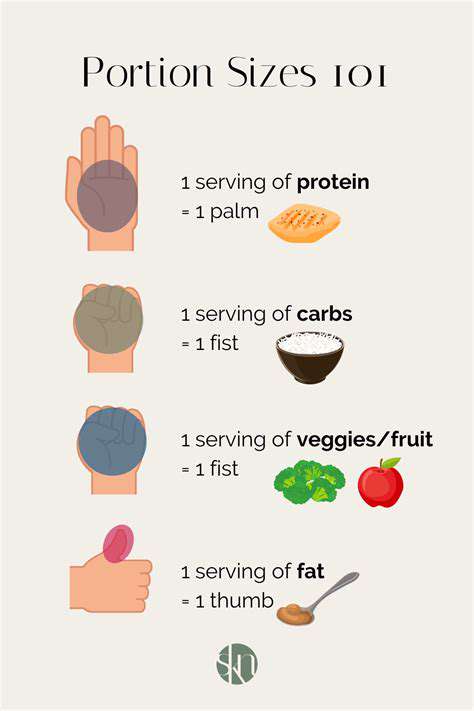
Nutrition is a fundamental part of any health transformation. A Balanced Diet Rich in fruits, vegetables, whole grains, and lean proteins not only supplies essential nutrients but also fuels physical activity. According to the World Health Organization, making healthy food choices can reduce the risk of chronic diseases and improve overall well-being dramatically.
Exploring nutritional information can be empowering. Engaging in meal planning or cooking classes can enhance one’s understanding of food choices. It transforms eating from a passive experience into an active pursuit of health, fostering a deeper appreciation for what we consume.
Building a Support System
Having a support system can dramatically influence the success of a health transformation. Surrounding yourself with individuals who share similar goals not only provides motivation but also accountability. Friends and family can encourage you to stay on track and celebrate your achievements, making the journey more enjoyable.
Support groups or online communities focused on health and wellness can also offer valuable resources. Engaging in discussions, sharing experiences, and exchanging tips can deepen connections and enhance commitment to personal health goals. With the right support, challenges can become manageable hurdles rather than insurmountable obstacles.
Read more about Starting Your Health Transformation with Gratitude and Movement









Hot Recommendations
-
*How Gratitude Helps Lower Blood Pressure Naturally
-
*How to Start a Gratitude Journal: A Step by Step Guide
-
*Practicing Gratitude in the Workplace for Better Health
-
*Healthy Smoothies That Are Low in Sugar
-
*Dairy Free Recipes for Weight Loss and Clear Skin
-
*How Stress Causes Physical Back Pain and How to Stop It
-
*Simple Food Swaps to Reduce Your Daily Calorie Intake
-
*The Science of Spinal Decompression at Home
-
*How to Incorporate Fasted Running for Weight Loss
-
*Lower Back Pain After Running: Causes and Solutions