Performance Enhancement
Injury Prevention
Yoga
Strength Training
Flexibility Training
Mindfulness
Performance
Training

Yoga for Runners: Improving Flexibility and Strength
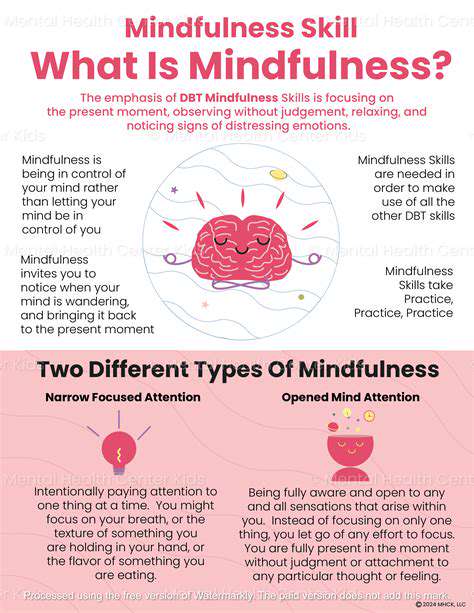
The Mental Edge of YogaMindfulness:TheMentalEdgeofYoga

Understanding Mindfulness in Yoga Practice

Mindfulness in Yoga is about cultivation of a present-focused awareness. This practice has been linked to improved mental and physical outcomes for athletes, including runners. Research shows that incorporating mindfulness into yoga helps reduce stress and enhance concentration.

By becoming more attuned to bodily sensations during yoga, runners can identify areas of tension or discomfort that may not be obvious during a run. This level of awareness can lead to better injury prevention and recovery, ultimately improving overall performance.

Benefits of Mindfulness for Runners

  • Enhanced focus and concentration during runs
  • Increased resilience against physical and mental fatigue
  • Improved breathing techniques resulting in better endurance
  • Quicker recovery times after long races or intense workouts

For runners, integrating mindfulness into their training can yield significant benefits. Studies indicate that mindfulness practices can enhance performance by improving focus, which is crucial during competition. Runners often face mental barriers, and adopting mindfulness can help overcome these obstacles.

Practical Techniques to Incorporate Mindfulness into Your Routine

To effectively integrate mindfulness into your yoga and running routines, consider starting with a dedicated mindfulness session before each practice. Focus on your breath, allowing thoughts to come and go without judgment. Practicing this can help ground you and establish a mental framework that’s beneficial for both yoga and running.

Another technique is to perform body scans during your runs, periodically checking in with how each part of your body feels. This can help increase body awareness, ensuring you maintain proper form and reduce the risk of injury. In fact, some experts recommend combining yoga poses with running drills to enhance both physical strength and mental clarity.

Creating a Balanced Routine

CreatingaBalancedRoutine

Understanding the Importance of Flexibility

Flexibility plays a critical role in a runner's performance. Essentially, it allows for a greater range of motion in the joints, which is vital for efficient movement. This is particularly important when it comes to activities like running where repetitive motion can lead to strain and injury.

Research indicates that increased flexibility can improve running efficiency by up to 10%. Such improvements not only reduce the risk of injuries but also contribute to better overall athletic performance, making various aspects of running feel less arduous.

Implementing a Flexibility training program that incorporates yoga can provide runners the necessary tools to maintain optimal stance and form during runs. This should include a dedicated focus on hamstrings, quadriceps, and hip flexor stretches.

Integrating Strength Training

Strength training is often overlooked by runners, yet it can significantly enhance performance. Building muscle strength contributes to better biomechanics, allowing runners to maintain speed and endurance over longer distances without compromising their form.

  • Increased muscle strength improves running economy.
  • Core stability contributes to overall balance.
  • Reduced risk of injury enables more consistent training schedules.

A comprehensive strength program should engage not just the legs, but also the core and upper body. This well-rounded approach leads to a more resilient body, ultimately helping runners withstand the rigors of their training regimen.

Creating a Structured Routine

Establishing a consistent routine is essential in any training program. Runners should incorporate both yoga and strength training exercises, ensuring they are executed regularly—for example, scheduling flexibility training on rest days allows for active recovery.

Moreover, balancing these activities throughout the week can promote sustained progress. A sample weekly plan may include three running sessions, one dedicated strength session, and two yoga classes focused on flexibility and balance.

By adhering to a structured routine, runners can better track their progress and make necessary adjustments to their training regimen as they evolve and their fitness levels improve.

Listening to Your Body

While adhering to a training routine is essential, it's equally important to pay attention to your body's signals. Runners sometimes tend to push through discomfort, leading to injuries down the line. It's imperative to differentiate between normal soreness and signs of potential injury.

Listening to cues from your body can greatly enhance your overall training experience. When fatigue sets in, taking a break or modifying your schedule can prevent burnout and allow for recovery, which ultimately contributes to better performance.

Staying Motivated and Consistent

Motivation can wane, particularly when training intensifies. Finding ways to stay engaged and inspired is vital for long-term success. Setting realistic goals—such as improved flexibility measurements or running times—can offer a sense of direction.

Also, joining a running group or yoga class can foster a community atmosphere, making training more enjoyable. Motivation often flourishes in shared experiences and friendly competitions.

By keeping training varied, fun, and aligned with clear goals, runners can cultivate a sense of achievement that fuels their passion and dedication toward their fitness journey.

Read more about Yoga for Runners: Improving Flexibility and Strength

Best Exercises for Building Strong Forearms
May 08, 2025
How to Use a Jump Rope for Cardio
May 20, 2025
Guide to Progressive Overload in Your Training
May 28, 2025
Guide to Developing a Positive Mindset
Jun 11, 2025
How to Train for a 5K Run [Plan Included]
Jul 09, 2025
Guide to Incorporating Mindfulness Into Your Day
Jul 29, 2025
Boost Your PerformanceBreathing is an essential yet often overlooked aspect of running that can significantly impact performance and endurance. This article delves into the mechanics of breathing and various techniques that can help runners optimize their oxygen intake and enhance their overall running experience. Understanding the Mechanics of BreathingEffective running begins with understanding how your breathing works. The diaphragm is a key player in this process, enabling deep breaths that maximize oxygen intake. By practicing proper breathing techniques during runs, such as diaphragmatic and rhythmic breathing, runners can improve stamina, enhance body rhythm, and even boost speed. Breathing Techniques for Runners1. Diaphragmatic Breathing: This technique emphasizes deep belly breaths, promoting relaxation and oxygen absorption. By training your diaphragm, you can sustain longer runs with reduced fatigue. 2. Rhythmic Breathing: Align your breathing with your running cadence. A common pattern is a 2:2 ratio (inhale for two strides, exhale for two), which helps maintain pace and rhythm.3. Nasal Breathing: Inhaling through the nose optimizes oxygen levels and assists in maintaining a consistent pace, which can prove crucial in endurance scenarios. The Importance of Oxygen in Endurance RunningOxygen is essential for converting energy during running, and efficient breathing techniques enhance oxygen delivery to muscles. Studies show that the quality of each breath can significantly improve overall running efficiency and decrease fatigue. Common Breathing Errors to AvoidMany runners commit common breathing mistakes, such as shallow chest breathing and breath-holding during exertion. These errors can lead to poor performance and early fatigue. Moreover, hyperventilation can disrupt proper oxygen and carbon dioxide balance. By identifying these pitfalls, you can enhance your running efficiency. Incorporating Breathing Training into Your RoutineIntegrating specific breathing exercises into your training can lead to remarkable improvements in endurance. Activities like yoga and pilates enhance lung function and support breath control. Additionally, practicing focused breathing pauses during runs can help build lung capacity over time. Monitoring Your ProgressTo refine your breathing techniques, track their correlation with running performance. Wearable technology can help measure key metrics such as heart rate and oxygen levels. This data allows you to adjust your breathing strategies based on your training intensity. ConclusionUnderstanding and implementing effective breathing strategies can lead to significant improvements in running performance. Techniques like diaphragmatic, rhythmic, and nasal breathing, combined with tailored training routines, can enhance your endurance and efficiency. By focusing on your breath, you are not only training your body but also building the mental resilience necessary for competitive running. Embrace these breathing methods, and watch as they transform your running experience.
Mar 02, 2026
How to Use Heart Rate Zones to Improve Running Speed
Mar 02, 2026
- Child’s Pose: This restorative position stretches the lower back and hips, promoting deep relaxation and improved spinal health. - Seated Forward Bend: This pose targets the entire back and hamstrings, improving flexibility and relieving tension that builds up during extended periods of sitting.- Cat-Cow Stretch: This dynamic movement enhances spinal flexibility and engages core muscles to further combat discomfort. Addressing Lower Back Pain Through StretchingUnderstanding that 80% of people experience lower back pain indicates the need for effective preventative measures. Factors like poor posture and muscular strain from sedentary habits can lead to discomfort. Stretching serves as an essential tool for improving strength, flexibility, and posture while reducing the frequency and intensity of back pain. Practical Implementation TipsTo effectively incorporate stretching into your daily life:1. Set Reminders: Utilize timers to frequently remind yourself to stand up and stretch.2. Use Ergonomic Tools: Consider ergonomic chairs to maintain good posture while seated.3. Get Professional Guidance: Consulting with physical therapists can help tailor stretches to meet your specific needs—especially if you experience persistent pain. Conclusion: Make Stretching a HabitIntegrating a variety of stretches into your daily routine can yield significant benefits for both physical and mental health. By dedicating just a few minutes each day to stretches like Child's Pose, Seated Forward Bend, or Cat-Cow, you can counteract the effects of prolonged sitting, alleviating discomfort and promoting overall well-being.Make stretching a vital part of your life for better health and improved productivity. Start today to experience a more flexible, pain-free lifestyle!
Mar 03, 2026
Pace, Split Times, Cadence, Heart Rate, and Form IntroductionIn the world of running, measuring performance is integral for progression and achieving personal bests. This comprehensive guide explores essential metrics including pace, split times, cadence, heart rate, and running form. By understanding and utilizing these metrics, runners at all levels can enhance their training and race day performance. What is Pace?Pace, the time it takes to cover a specific distance, serves as a pivotal metric that helps runners evaluate their speed. Calculating your pace is simple: divide the total running time by the distance covered. For instance, running 5 miles in 40 minutes results in a pace of 8 minutes per mile. Monitoring your pace can substantially improve running performance, as studies indicate that runners focusing on their pacing strategies tend to outperform others. The Importance of Split TimesSplit times provide a detailed analysis of performance segments throughout a run. By tracking these times, runners can adjust their pace during races to optimize their strategy. Utilizing GPS-enabled devices and fitness apps can enhance this process, offering real-time feedback on various metrics such as cadence and estimated finish times. This analysis can empower runners to make informed decisions during training and races. Cadence: The Rhythm that Drives PerformanceCadence, or the number of steps taken per minute, plays a significant role in running efficiency. An ideal cadence typically falls between 160 to 180 steps per minute, contributing to a more efficient stride and reduced injury risk. Runners can calculate their cadence by timing themselves for a minute and doubling the footfalls counted. Strategies such as incorporating interval sprints or running to music can help improve cadence. Heart Rate: The Connection Between Effort and PerformanceHeart rate monitoring is essential for understanding exertion levels and improving training quality. The five heart rate zones—resting, moderate, hard, very hard, and maximum—each offer unique benefits for performance enhancement. Consistently measuring heart rate through reliable devices and recovery assessments can lead to more targeted and effective workouts. Optimizing Running FormRunning form encompasses posture, foot strikes, and arm movements, directly impacting running efficiency and injury prevention. Key elements such as a mid-foot strike and relaxed arm swing are crucial to achieving optimal performance. With the aid of technology, runners can analyze their form through apps that track stride length and cadence, allowing for personalized adjustments. ConclusionBy understanding and applying these key metrics—pace, split times, cadence, heart rate, and running form—runners can significantly improve their training effectiveness and race outcomes. Using technology and data-driven insights, athletes can personalize their strategies, optimize performance, and reach their running goals more effectively. Embrace these metrics and unlock your full running potential!
Mar 05, 2026
A Step-by-Step GuideEmbracing gratitude can lead to profound personal growth, emotional stability, and improved mental health. A gratitude journal is a powerful tool to cultivate a positive mindset and track the blessings in your life. Here's a comprehensive guide to help you get started with your gratitude journaling practice. Step 1: Choose Your JournalSelecting the right gratitude journal is crucial. Whether you prefer a traditional paper journal or a digital app, each format has its merits. Paper journals offer a tactile, calming experience, while digital options provide easy accessibility and customization. Consider your personal needs, such as writing frequency and portability, to find the best fit for your lifestyle. Research Popular JournalsExplore various options and read user reviews to determine which type aligns with your needs. Some journals offer prompts to encourage deeper reflection, making the selection process easier. Step 2: Set a RoutineConsistency is key for effective journaling. Choose a specific time to write, such as in the morning to set a positive tone for your day or in the evening for reflection. Creating a comfortable environment can enhance your experience, making it easier to immerse yourself in your thoughts. Utilize PromptsTo overcome writer's block, consider using prompts that encourage detailed reflections about your day. You can experiment with various avenues such as bullet points, paragraphs, or even poetry, depending on what resonates with you best. Step 3: Decide on the FormatYour gratitude journal can take many forms—digital or traditional. Digital journals often include multimedia options, allowing you to incorporate photos and videos. In contrast, traditional journaling by hand fosters a unique emotional connection to your entries. Establish a clear structure for your entries to maintain consistency, and personalize the style to reflect your personality. Step 4: Be Specific and ReflectiveWhen writing your entries, specificity is essential. Clarity in expressing your gratitude can significantly enhance its impact on your well-being. Often, pinpointing specific events or feelings leads to deeper emotional connections. Incorporate reflective practices—like reviewing past entries—which can illuminate patterns and promote personal growth over time. Goals and RecognitionSet specific goals for your gratitude journaling, such as focusing on different life aspects or writing a predetermined number of items daily. Recognizing even the smallest moments in your life can foster a deeper appreciation for your daily experiences. Step 5: Review and ReviseRegularly evaluate your entries to identify recurring themes and the aspects of your life that bring you joy. Making necessary adjustments to your approach—be it changing frequency, writing style, or prompts—will help keep your practice fresh and engaging. This flexibility ensures that your gratitude journaling remains a source of inspiration, fostering a positive mindset over time.---Embarking on this gratitude journey not only enriches your perspective but can significantly enhance your overall happiness and mental health. By following this guide, you can create a meaningful gratitude journaling practice that adapts to your life's unique phases.
Mar 07, 2026
A Path to Growth and EmpathyIn a world where physical limitations can often overshadow abilities, the journey to transforming challenges into opportunities is profound and inspiring. Discover how overcoming these barriers can initiate a psychological transformation, enhance well-being, and foster empathy through shared experiences. Understanding the Psychological ShiftOvercoming physical limitations is the first step toward a psychological transformation. Engaging with supportive communities can combat isolation and enhance self-esteem. By celebrating small victories and practicing gratitude, individuals can shift their focus from limitations to strengths. Research supports that individuals with disabilities who embrace adaptive practices experience significant improvements in mental health and life satisfaction. Reframing Your MindsetChanging your mindset is critical in viewing challenges as opportunities for growth. Recognizing and celebrating achievements, no matter how small, enhances resilience and coping strategies. Daily gratitude practices help shift perspectives and enrich emotional well-being. Sharing personal stories within supportive environments fosters connections that contribute to both personal and collective growth. Building Empathy Through Shared ExperiencesShared experiences strengthen emotional connections and cultivate empathy. By discussing similar challenges—particularly in community and support settings—individuals can enhance understanding and deepen bonds. Facilitative programs that encourage storytelling can create open atmospheres, promoting emotional support and mutual understanding among participants. Redefining What ‘Ability’ MeansRecognizing a spectrum of abilities requires a nuanced understanding of physical limitations. Society's traditional views often undervalue the diverse talents of individuals facing challenges. Celebrating resilience and adaptability can lead to a more inclusive definition of success, empowering everyone to redefine their potential. Finding Joy in the Present MomentMindfulness practices, such as gratitude journaling and adaptive physical activities, can help individuals embrace the present despite physical challenges. Engaging in community support and sharing experiences with others enhances joy and promotes mental well-being. Fostering connections within supportive networks provides emotional backing and encourages individuals to find meaning in their journeys. Inspiration for OthersIcons like Stephen Hawking and Helen Keller have transformed their limitations into opportunities, inspiring countless individuals worldwide. Their stories validate the belief that challenges can foster personal evolution. Enabling a growth-oriented mindset opens avenues for setting new, achievable goals, allowing individuals to celebrate their achievements. Cultivating GratitudePracticing gratitude significantly enhances mood and perspectives on life, especially for those facing limitations. Activities like maintaining a gratitude journal or embracing mindfulness practices provide essential reminders of personal strengths while fostering a sense of community. Sharing experiences and offering support can further solidify these connections, creating networks of hope and resilience.In conclusion, transforming challenges into opportunities not only enriches individual lives but also fosters a deeper sense of empathy and community. By embracing shared experiences, redefining abilities, and cultivating gratitude, we can create environments where everyone is empowered to thrive, regardless of their limitations. Join us in this journey of inspiration and empowerment.
Mar 12, 2026
View Publications>>