Core Strength
Athletic Performance
Core Stability
Injury Prevention
Abdominal Exercises

Why Strong Abdominals are the Best Defense for Your Back

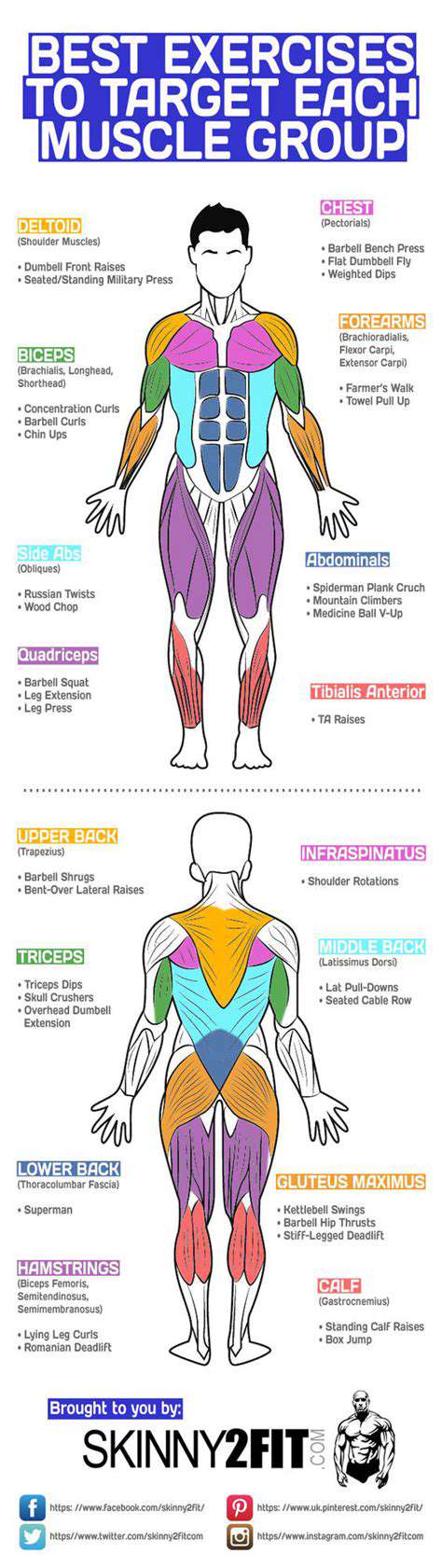
the rectus abdominis, transverse abdominis, internal oblique, and external oblique. Each of these plays a crucial role in core stability and overall body mechanics. Strengthening these muscles not only improves posture but also supports the spine, which is vital in preventing injury.

Research published in the Journal of Orthopedic & Sports Physical Therapy indicates that individuals with strong core muscles are less likely to experience back pain and musculoskeletal injuries. When the abdominals are engaged, they provide a firm foundation, allowing the spine to maintain proper alignment during various activities, from lifting to running.

Common Injuries Due to Weak Abdominals

Weak abdominal muscles can lead to a range of injuries, especially in the lower back. For instance, a study in the European Spine Journal found that insufficient core strength is directly correlated with an increased risk of lumbar disc herniation. When the abdominals cannot stabilize the pelvis and spine, other muscle groups must compensate, which can lead to overuse injuries.

Effective Exercises for Strengthening Abdominal Muscles

There are several exercises recommended by fitness experts that target the abdominals effectively. Planks, for example, engage the entire core and have been shown to improve stability. A study from the American Council on Exercise noted that planks activate more core muscles than traditional sit-ups, making them a more effective choice for injury prevention.

Additionally, incorporating exercises like bird dogs, dead bugs, and Russian twists can significantly enhance core strength. A consistent routine not only builds muscle but also promotes better function and reduces injury risk during physical activities.

Integrating Core Training into Daily Routines

Integrating core strengthening exercises into your daily routine doesn't have to be daunting. Simple movements such as standing on one leg or performing pelvic tilts while watching TV can improve your core engagement without requiring additional time. It's essential to find activities that you enjoy, as this makes consistent practice more manageable.

Furthermore, training the core should be holistic. While focusing on abdominals is vital, don't forget to incorporate exercises that promote functional movement patterns, such as squats and lunges, which provide comprehensive strength and stability, contributing to overall injury prevention.

The Impact of Core Strength on Athletic Performance

TheImpactofCoreStrengthonAthleticPerformance

Understanding Core Strength and Stability

Core strength refers to the ability of the muscles in your torso to support movement, stability, and posture. Having a strong core means that the muscles around your abdomen, back, and pelvis work together to support your body, creating a solid foundation for both athletic performance and daily activities. Research indicates that core stability is essential for maintaining proper posture and reducing the risk of injuries. Without adequate core strength, other muscles, such as those in the legs and back, must compensate, often leading to overexertion and potential injury.

Athletes often engage in core-strengthening exercises, such as planks and bridges, to enhance their performance. This focus on the core is not just beneficial for professional athletes; individuals involved in recreational sports also greatly benefit from improved core strength. The ability to maintain balance, generate power, and avoid injury is significantly influenced by the strength of abdominal muscles.

The Role of Core Strength in Injury Prevention

  • Core strength mitigates the risk of injuries.
  • Improves performance across various sports.
  • Essential for maintaining proper alignment during activities.
  • Adequate core strength contributes to better recovery from injuries.

Studies have shown that athletes with better core stability are less likely to suffer from injuries, particularly in the lower back and lower extremities. For instance, a study published in the Journal of Athletic Training found that athletes who underwent core strengthening programs had a 50% reduction in injury rates. This is crucial for athletes who rely on explosive movements, as a strong core helps to stabilize the body during these high-intensity activities.

Moreover, enhancing core strength not only aids in performance but also plays a significant role in recovery. After an injury, individuals often need to re-establish a stable core to protect their back and surrounding muscles from further strain. Thus, core strength is integral to an athlete's longevity and overall well-being within their sport.

Practical Core Strengthening Techniques for Athletes

Incorporating various core exercises can lead to improved strength and stability. Key exercises include planks, Russian twists, and Pilates-based routines, each targeting different muscle groups within the core. By diversifying workouts, athletes can more effectively engage all relevant muscle groups, leading to better overall stability. Additionally, integrating functional movements that mimic sport-specific actions can enhance gains.

For athletes looking for a comprehensive core-strengthening routine, combining strength training with dynamic exercises can yield superior results. Exercises like medicine ball throws or landmine twists are excellent for strengthening the core while also preparing the body for the demands of a specific sport. Regular assessment and adjustment of these exercises based on individual performance can maintain optimal core engagement.

Recommended Exercises for Strengthening Abdominals

Understanding Core Muscles and Their Importance

Your core comprises not only the abdominals but also muscles in your back, hips, and pelvis. These muscles work together to stabilize your entire body. Research indicates that a strong core reduces the risk of back injury significantly. Studies have shown that individuals with well-developed core muscles tend to have better posture and less strain on their lower back.

When your core is strong, daily activities become easier, and your athletic performance improves. According to the American Council on Exercise (ACE), having a well-conditioned core supports movements such as lifting, twisting, and bending. This is particularly vital for athletes, but it also benefits anyone who engages in manual work or active living.

Planks: A Foundations Exercise for Stability

Planks are widely regarded as one of the most effective exercises for Building Core Strength. Unlike traditional crunches, plank exercises engage all major abdominal muscles as well as the shoulders and back, offering comprehensive benefits. Start with a basic forearm plank, holding the position for 20-30 seconds, and gradually increase as you gain strength.

Research from the National Academy of Sports Medicine points out that holding a plank activates the deep abdominal muscles crucial for providing spinal stability. Incorporating variations such as side planks can further challenge your oblique muscles and enhance your overall core development.

Crunch Variations for Targeted Abdominal Building

While standard crunches are often criticized, various crunch modifications can effectively target different abdominal areas. For instance, reverse crunches focus on the lower abs, providing a balanced workout experience. To execute a reverse crunch, lie on your back, bring your knees toward your chest, and lift your hips off the ground. Aim for three sets of 10-15 repetitions.

Moreover, twisting crunches can engage the oblique muscles, helping to sculpt the sides of your abdomen. This variation requires rotating your torso as you perform the crunch, making it a dynamic exercise that contributes to overall core strength.

Incorporating these variations not only makes your routine more interesting but also ensures a holistic approach to targeting your abdominal muscles effectively.

Leg Raises: Building Lower Abdominal Strength

Leg raises are a powerful exercise specifically for strengthening the lower abdominal region, which is often a neglected area in many routines. To perform leg raises, lie flat on your back with your legs extended and lift your legs off the ground while keeping your lower back pressed down. Start with 10-15 repetitions, focusing on using your abdominal muscles rather than your back.

Studies emphasize that strengthening the lower abs can significantly contribute to better posture and lower back health. Incorporating leg raises into your routine two to three times per week can yield noticeable improvements in your overall core strength.

The Role of Pilates in Core Strengthening

Pilates has gained popularity for its emphasis on core strengthening and stability. It advocates controlled movements that promote muscle engagement in the abdominal region while enhancing flexibility. A study published in the Journal of Bodywork and Movement Therapies found that practicing Pilates regularly can lead to significant improvement in core strength and functional fitness.

Many find Pilates appealing due to its low-impact nature, making it suitable for various fitness levels. Utilizing resistance bands or Pilates rings during exercises can intensify workouts and provide progressive challenges. Incorporating Pilates sessions into your weekly routine can create a balanced approach while ensuring core strength development.

Consistency and Progression: Key to Effective Training

To effectively strengthen your abdominals, consistency is essential. It’s not merely about the number of exercises you do; rather, it’s about performing them regularly and progressively increasing their intensity. Aim for at least three core-focused sessions per week, incorporating a variety of exercises for balanced development.

Setting goals can help track your progress. Note the number of repetitions or time held for each exercise, and gradually push yourself to surpass these targets. As research suggests, keeping your workouts diverse and challenging maintains motivation and promotes better results, ultimately leading to stronger abdominals and a healthier back.

Read more about Why Strong Abdominals are the Best Defense for Your Back

How to Improve Your Sprint Speed
May 29, 2025
Dynamic Stretching Routine for Improved Mobility
May 30, 2025
How to Prevent Common Running Injuries
Jun 26, 2025
Best Foam Rolling Techniques for Recovery and Flexibility
Jul 24, 2025
Best Exercises for Seniors with Balance Issues
Jul 25, 2025
Best Exercises for Cyclists to Build Strength
Jul 28, 2025
Avoiding Bed Rest and MoreLower back pain is a common issue, affecting approximately 80% of adults at some point in their lives. While it may be tempting to indulge in prolonged bed rest, experts advise against it. In fact, staying inactive can exacerbate pain and lead to muscle weakening. As recommended by the American Academy of Orthopaedic Surgeons, engaging in gentle physical activity promotes healing and prevents the cycle of pain. Effective Alternatives to Bed RestInstead of remaining in bed, consider gentle activities such as walking, stretching, or yoga. Research indicates that active rehabilitation offers more effective lower back pain relief than resting. Working with healthcare professionals can help tailor a movement plan that suits your specific needs. This approach prioritizes pain management without risking further injury. Recognizing Pain SignalsPain is your body's way of signaling potential issues. Ignoring it may lead to chronic pain and mobility challenges. Early intervention plays a crucial role in recovery; studies show that prompt treatment often leads to faster relief. Incorporating simple strategies like stretching and adjusting your workspace can enhance comfort. Common Causes and Risks of Lower Back PainUnderstanding the common causes of lower back pain—such as muscle strain and poor posture—is essential for effective prevention and management. Recognizing the warning signs, like persistent pain or changes in bladder control, is crucial for timely intervention. Heavy Lifting and Posture CorrectionHeavy lifting poses significant risks for back pain. Incorporating proper lifting techniques—such as using your legs to lift and ensuring a clear path—can prevent injuries. Additionally, maintaining good posture is vital for overall health. Poor posture not only contributes to back pain but can also impact emotional well-being. The Dangers of Self-DiagnosisWhile it might be quick and easy, self-diagnosing your pain can lead to misinterpretation and worsening issues. Consulting a healthcare professional for an accurate diagnosis ensures you receive the necessary treatment. Relying on evidence-based methods and building a support network can significantly enhance recovery and overall health. ConclusionTaking proactive steps in managing lower back pain is essential to improve quality of life. By engaging in appropriate activities, recognizing pain signals, and seeking professional help when needed, individuals can effectively manage pain and promote long-term well-being. Avoid prolonged bed rest, maintain good posture, and never hesitate to consult with healthcare providers for the best outcomes.
Feb 28, 2026
Understanding High-Impact Activities and Their Effect on Lower Back HealthHigh-impact activities often amplify lower back pain, making it essential for individuals, especially those with existing conditions, to understand the potential risks. Engaging in dynamic sports like running, basketball, or heavy weightlifting can strain your back significantly. What are High-Impact Activities?High-impact exercises typically involve rapid movements that place stress on the body, particularly the lumbar region. While many individuals can safely participate in these activities, caution is warranted for those suffering from lower back pain. Injuries and exacerbation of existing conditions are common outcomes, necessitating moderation and professional guidance. Exercises to AvoidCertain high-impact exercises are more problematic for individuals with lower back pain. Activities such as running on hard surfaces or high-intensity aerobics can lead to painful outcomes. Sports involving sudden twisting or bending motions, like football or basketball, can exacerbate existing back issues. Safer AlternativesFor those with lower back pain, low-impact exercises serve as viable alternatives. Swimming, walking, and stationary biking enhance cardiovascular health without undue stress on the back. Modifying traditional exercises—like using resistance bands—can also prove beneficial, maintaining an active lifestyle while reducing the risk of injury. Importance of Professional GuidanceBefore making changes to your exercise routine, consulting a healthcare professional is vital. Physical therapists can tailor a program to your specific condition, ensuring that you engage in activities that enhance your well-being without risking injury. A personalized approach significantly impacts recovery and overall health. Adding Strengthening ExercisesIncorporating core-strengthening exercises, which promote spinal stability, is crucial for reducing lower back pain. Movements like planks and pelvic tilts strengthen the essential muscle groups that support the back. Regular practice, under professional supervision, can greatly alleviate pain episodes. Listening to Your BodyPaying attention to your body's signals during exercise is crucial. If a movement elicits pain, stop immediately and consult a professional. Maintaining an open dialogue with your healthcare provider about your symptoms can lead to better pain management strategies. The Impact of Heavy WeightliftingWhile heavy weightlifting is popular, it can also present risks to lower back health. The importance of maintaining proper form cannot be overstated. Incorporating proper lifting techniques and allowing recovery time between sessions can mitigate injury risk significantly. Navigating High-Intensity Interval Training (HIIT)HIIT workouts can further exacerbate back pain due to their explosive nature. Those suffering from lower back issues should consider low-impact alternatives that maintain fitness without overloading the back. Flexibility and recovery play essential roles in preventing injury during these high-intensity sessions. Managing Twisting Motions in SportsSports with frequent twisting motions—like tennis and golf—can put additional stress on the lower back. Athletes should prioritize core conditioning to stabilize the spine during such movements, mitigating the risk of injury. ConclusionHigh-impact activities can be beneficial, but individuals with lower back pain must exercise caution. Engaging in safe alternatives, emphasizing proper techniques, and collaborating with health professionals are fundamental for maintaining an active lifestyle while protecting spinal health. Listen to your body to ensure you’re moving towards recovery and achieving your fitness goals without risking back injuries.
Feb 28, 2026
Understanding Common PitfallsAchieving optimal running performance requires understanding and addressing various factors that contribute to inefficiencies and injuries. In this guide, we’ll explore important topics like poor running form, inconsistent training plans, neglecting strength training, and improper footwear, providing actionable tips to enhance your running experience. Identifying Poor Running Form Common Causes of Poor Running FormPoor running form is often a result of muscle imbalances, improper footwear, and mental distractions. Factors like weak hamstrings or tight hip flexors can lead to inefficient strides, affecting speed and increasing fatigue. Impact on SpeedRunning with bad form can slow you down significantly—research shows that proper form can enhance speed by 10% to 30%. Additionally, poor mechanics raise energy expenditure, leading to quicker fatigue. Exercises to Improve FormIncorporating core strengthening exercises, dynamic drills, and flexibility routines can greatly enhance your running form and overall efficiency. Professional guidance can accelerate this process by tailoring exercises to your specific weaknesses. Importance of Consistent TrainingConsistency is crucial for improvement. Inconsistent training can stall progress and increase injury risks. A structured training plan incorporating speed work and rest days enhances adaptation and performance. Runners should monitor their routines to prevent overtraining and ensure appropriate recovery periods. The Role of Strength TrainingRunners often overlook strength training, which is vital for improving speed, efficiency, and injury prevention. Incorporating weight training can enhance muscular strength, leading to better impact absorption during runs. Aim for two strength training sessions weekly, focusing on compound movements like squats and deadlifts. Recovery and NutritionRecovery is just as critical as the training itself. Ignoring recovery can lead to injuries and burnout. Incorporating rest days alongside practices like yoga aids both physical and mental recovery. Nutrition also plays a pivotal role in running performance; a balanced diet rich in carbohydrates, proteins, and hydration is essential for optimal energy levels and recovery. Timing your meals before and after workouts significantly affects performance. Selecting Proper FootwearImproper footwear can exacerbate running form issues. Choosing shoes that fit properly, cater to your arch type, and provide appropriate cushioning is essential. Regular gait analysis at specialty running stores can help ensure that you find the best footwear for your running style. Remember to replace shoes every 300 to 500 miles to maintain optimal performance. Overcoming MythsIt’s important to dispel common myths surrounding running shoes and training practices, such as the notion that higher-priced shoes guarantee better performance. The best choice is always the one that fits your specific biomechanics and running needs. Take Your Running to the Next LevelBy addressing these areas, runners can significantly enhance performance, reduce injury risks, and enjoy a more fulfilling running experience. Implement consistent training, strength workouts, proper recovery, and the right footwear to see measurable improvements in your running journey. Enhancing your running isn't just about pounding the pavement; it requires holistic attention to your training, biomechanics, and recovery strategies.
Mar 05, 2026
Common Causes and Prevention StrategiesLower back pain is a prevalent issue among runners, with over 80% experiencing discomfort at some point in their running careers. Understanding the common causes of this pain is essential for effective treatment and prevention. This article delves into the primary factors contributing to lower back pain in runners, offers prevention strategies, and outlines effective treatment options. Common Causes of Lower Back Pain in Runners1. Muscle Imbalances and Weakness: Runners often strengthen certain muscle groups, neglecting the core and hip stabilizers. This imbalance can lead to poor running mechanics, increasing strain on the lower back. Strengthening core muscles through targeted exercises is crucial for alignment and injury prevention.2. Poor Running Form: Overstriding and misalignment can create excessive impact forces on the lower back. Maintaining proper posture and stride can alleviate discomfort. Functional movement assessments and video analysis can help identify and correct running form inefficiencies.3. Overtraining and Insufficient Recovery: Ignoring recovery can result in micro-tears and inflammation in muscles. Incorporating rest days and cross-training is vital to avoid overuse injuries and enhance overall performance.4. Inadequate Footwear: Shoes lacking proper support can lead to poor shock absorption and increased lower back strain. Evaluating running shoes regularly and consulting with specialists can help choose footwear that suits individual needs.5. Inflexibility and Tight Muscles: Tightness in the hips, hamstrings, and lower back can restrict movement and lead to pain. Regular stretching routines, including dynamic stretching before runs and static stretching afterward, can enhance flexibility and alleviate discomfort.6. Underlying Medical Conditions: Persistent lower back pain may indicate serious conditions like herniated discs. Consulting healthcare providers for evaluation and treatment is essential if pain persists.7. Improper Warm-Up and Cool-Down Techniques: Neglecting warm-up and cool-down routines can leave muscles unprepared for exertion, increasing injury risk. A structured warm-up and methodical cool-down contribute significantly to lower back health. Prevention StrategiesTo mitigate the risk of lower back pain, runners should consider the following strategies:- Implement Proper Warm-Up Techniques: Dynamic stretches targeting major muscle groups prepare the body for running and can reduce injury rates significantly.- Strengthen Core Muscles: Dedicate time to core exercises several times a week to improve stability and reduce lower back stress.- Invest in Quality Footwear: Regularly assess running shoes for support and comfort, and replace them as needed to optimize performance.- Maintain Flexibility: Incorporate static stretching after runs and consider yoga practices to enhance flexibility and overall stability.- Listen to Your Body: Recognize signs of pain early, and modify training plans to include rest and recuperation as necessary.- Seek Professional Guidance: Consult physiotherapists or sports trainers for personalized assessments and exercise plans. Effective Treatment OptionsFor those struggling with lower back pain, treatment may include physical therapy, rehabilitation exercises, and lifestyle modifications. It's crucial to identify the specific cause of pain for effective management. Seek help promptly if symptoms persist to prevent chronic issues.By understanding the causes of lower back pain and implementing prevention strategies, runners can enhance their performance while safeguarding their health. Regular assessments, proper training techniques, and attention to body signals can create a sustainable running journey free from discomfort.
Mar 06, 2026
The Importance of Lactate Threshold and Tempo Runs Understanding Lactate ThresholdLactate Threshold (LT) is a critical marker for athletes, representing the exercise intensity where lactate begins to accumulate in the bloodstream, often correlating with endurance performance. By improving your LT, you can enhance your ability to maintain sustained efforts over longer durations. Why Tempo Runs MatterTempo runs are specially designed workouts that significantly improve lactate threshold. Research indicates that consistent tempo training can lead to adaptations in muscle metabolism, increasing your efficiency in oxygen usage and delaying fatigue during races. Incorporating these runs into your training plan can greatly enhance your performance. Benefits of Tempo Runs for Performance Enhanced Lactate ClearanceStudies show that tempo runs boost the body's ability to clear lactate, a key factor in preventing muscle fatigue during prolonged activities. Improved lactate clearance allows you to sustain speed and power, especially as your competition heats up. Frequency is KeyFor optimal results, incorporate tempo runs into your training schedule about once a week, gradually increasing intensity and duration while balancing recovery to avoid injury. Cross-Training for Better ResultsIn addition to running, cross-training activities like cycling or swimming can enhance your cardiovascular fitness, contributing to a greater lactate threshold without the impact stress of running. Mental Toughness DevelopmentTempo runs also play an essential role in building mental toughness. These sessions force you to confront physical discomfort, helping you develop resilience that translates into competitive advantage. Visualization techniques and setting realistic goals can further enhance your focus and commitment during races. Comprehensive Race PreparationA successful race day strategy involves more than just running tempo workouts. Include strength training, flexibility exercises, and proper nutrition into your preparation. Scheduling regular recovery days and utilizing monitoring tools can help you track progress and make timely adjustments. Maximizing Training EfficiencyTempo runs deliver significant performance benefits in minimal time. Commit just 20-30 minutes to these sessions, and you'll experience crucial adaptations that contribute to faster race times. Adjusting Your Training PlansIntegrate tempo runs smoothly into your training schedule with one or two sessions weekly, complemented by easy runs and intervals. Monitoring your progress with heart rate monitors can help ensure you're operating within desired intensity levels. Seek Expert GuidanceConsider working with a coach for tailored advice and feedback to optimize your training and help you achieve your race-day goals. Community support from fellow runners can also enhance motivation and accountability.Explore the transformative effects of tempo runs and learn how to improve your overall performance. Incorporate structured training focused on lactate threshold and watch your athleticism skyrocket!
Mar 07, 2026
posture, foot strike, and arm movement. Proper alignment and technique will enhance efficiency and reduce injury risk. Implementing methods like rhythmic breathing can significantly improve endurance. Setting Realistic Goals and Tracking ProgressRegularly assess your training and adjust your goals as needed. Utilize tracking tools like mobile apps to monitor your progress and keep your motivation high. A training journal documenting your workouts and feelings can help refine your personalized training strategy. Mental Preparation for Race DayMaster mental strategies such as visualization and positive self-talk to combat pre-race anxiety and boost confidence. Plan each race day thoroughly to ensure you know your goals, pacing strategy, and the course layout. Conclusion Creating a structured training regimen for your first 5K is an evolving journey that combines physical readiness and mental preparedness. By adhering to this guide, you'll be on the path to achieving your goals and enjoying the process of becoming a proficient runner. Celebrate your success on race day while setting the groundwork for future accomplishments in your running journey.---Ready to lace up your running shoes and start your training? Dive into these strategies today, and you’ll be well on your way to crossing the finish line with confidence!
Mar 07, 2026
View Publications>>

Hot Recommendations