Lower Back Pain Relief Through Myofascial Release
Table of contents
Myofascial Release (MFR) relieves tension in connective tissue.
MFR improves blood flow, flexibility, and overall function.
Regular MFR reduces chronic back pain significantly.
Self-release techniques include foam rollers and massage balls.
Consult professionals for persistent or severe back pain.
MFR enhances mobility, posture, and overall wellbeing.
Creating a dedicated space enhances MFR effectiveness.
Monitor progress and adjust techniques for optimal results.
Recognize symptoms indicating the need for professional help.
Age and lifestyle can increase lower back pain risks.
What is Myofascial Release?
Understanding Myofascial Release Techniques
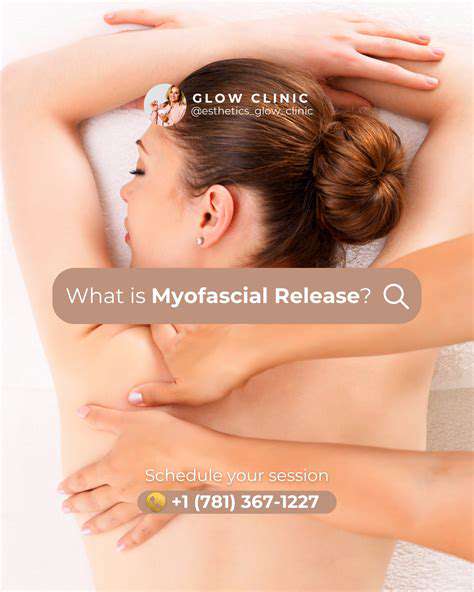
Myofascial Release (MFR) is a hands-on bodywork technique that focuses on relieving tension in the fascia, which is the connective tissue surrounding muscles, organs, and nerves. This technique can be performed by trained therapists or practiced as self-myofascial release through various methods. Key techniques include sustained pressure, stretching, and gentle movement to coax the tissue into relaxation and restoration.
Essentially, MFR aims to identify and alleviate restrictions within the fascial layers. By applying specific pressure and stretching, therapists can facilitate improved blood flow, flexibility, and overall function of the affected areas. In more technical terms, this practice is grounded in a deep understanding of anatomy and the fascial system, making it both an art and a science.
Benefits of Myofascial Release for Lower Back Pain
- Reduces tension and pain in affected muscles
- Improves mobility and range of motion
- Helps prevent future injuries
One of the primary benefits of MFR for individuals suffering from lower back pain is its capacity to target and release tension in the muscles associated with the lumbar region. By addressing emotional and physical stress stored within the fascia, MFR offers a Holistic approach to pain relief. Studies suggest that regular MFR can lead to significant decreases in chronic pain levels, improving daily functionality.
Patients often report that the effects of MFR extend beyond immediate pain relief; they may experience enhanced mobility and a greater sense of well-being. In fact, some research highlights that ongoing myofascial treatments can lead to lasting changes in both pain perception and overall comfort levels.
Research Supporting Myofascial Release
Numerous studies have explored the efficacy of myofascial release in managing musculoskeletal pain. For instance, a systematic review published in the Journal of Bodywork and Movement Therapies concluded that MFR can significantly reduce pain levels and improve flexibility in patients with Chronic lower back pain. Researchers noted that the gentle, targeted pressure applied during MFR appears to facilitate real structural changes in the fascia.
Moreover, ongoing research indicates that MFR might also positively affect the nervous system. It can stimulate the vagus nerve, promoting a relaxation response. This could potentially lead to long-lasting relief for individuals battling chronic pain conditions.
Self-Myofascial Release Techniques
If professional treatment is not feasible, self-myofascial release can be a practical alternative. Some common tools for self-release include foam rollers, massage balls, and simply using hands. It involves applying pressure to specific points in the back and surrounding muscles to alleviate tension. Many practitioners recommend focusing on areas that feel tight or tender, applying gentle pressure for sustained periods.
To achieve the best results, it is crucial to keep the body hydrated and to maintain a consistent practice. Flowing through targeted techniques for about 10-15 minutes daily can lead to noticeable improvements in mobility and pain management. Finding the right approach to self-myofascial release may take some experimentation, but the benefits can be substantial.
When to Consult a Professional
While self-myofascial release can be beneficial, it is essential to recognize when professional guidance is necessary. If pain persists or intensifies, or if you encounter any unusual symptoms, consulting a healthcare provider or a certified MFR therapist is crucial. Only a professional can provide an accurate assessment and targeted treatment plan tailored to your individual needs.
Additionally, individuals with certain health conditions—such as severe osteoporosis or pregnancy—should seek professional advice before embarking on MFR techniques. A qualified therapist can help navigate these complexities and ensure a safe and effective approach to managing Lower Back Pain.
How Myofascial Release Alleviates Lower Back Pain
The Science Behind Myofascial Release
Myofascial release is a specialized form of manual therapy that targets the fascia, a connective tissue surrounding muscles and organs. Research indicates that the fascia can become restricted due to trauma, poor posture, or stress, leading to discomfort and pain, particularly in the lower back area. Studies suggest that by applying sustained pressure to these areas, improved blood flow and reduced muscular tension can be achieved, promoting healing.
This technique has been studied in various clinical settings. For example, a 2017 study in the Journal of Bodywork and Movement Therapies demonstrated significant reductions in lower back pain for individuals receiving myofascial release compared to those receiving traditional therapies. The empirical evidence supports its efficacy as a treatment option.
Identifying Myofascial Pain
Myofascial pain syndrome is characterized by localized pain and tenderness in a muscle or group of muscles, typically resulting from myofascial trigger points. These points are hyperirritable areas within taut bands of skeletal muscle that can refer pain to other parts of the body, often correlating with lower back pain. Understanding these trigger points is crucial in tailoring Myofascial release techniques effectively.
Common signs of myofascial pain include aching, stiffness, and a sensation of pressure in specific areas. Many people may also experience referred pain, which is pain that occurs in a different location than the trigger point itself. By using diagnostic pressure palpation, therapists can locate these knots in the fascia and develop an effective treatment plan.
Techniques Used in Myofascial Release
Myofascial release involves various techniques that aim to relieve tension and restore function. Among these, sustained pressure, gentle stretching, and active release are particularly effective for alleviating lower back pain. Each technique promotes relaxation in the fascia, allowing for a more functional and pain-free range of motion.
It's important to note that the application of myofascial release should be personalized. Some patients may respond better to a combination of techniques, depending on their individual condition. Therapists often design sessions that incorporate a mix of these methods to attain optimal results.
For instance, a therapist might start with gentle stretching of the back muscles to increase blood flow. This can be followed by deeper pressure applied to specific trigger points. By adapting the treatment in response to the client's feedback, a more effective pain relief experience can be created.
Benefits Beyond Lower Back Pain Relief
While myofascial release is primarily associated with alleviating lower back pain, it offers numerous additional benefits that can enhance overall wellbeing. Patients often report improvements in body awareness, flexibility, and posture after undergoing treatment. Health professionals note that as muscle tightness diminishes, it can positively influence overall function and mobility.
Furthermore, by addressing fascial restrictions, myofascial release may improve athletic performance. Athletes frequently incorporate this therapy to prevent injuries and enhance recovery. Research in sports medicine indicates that regular myofascial treatments can result in improved range of motion, reducing the risk of injury.
Integrating Myofascial Release into a Wellness Routine
For individuals experiencing chronic lower back pain, integrating myofascial release into their wellness routine can be a proactive approach to managing their health. It's advisable to work with a qualified therapist who specializes in this method, ensuring personalized care and attention to their specific needs. Regular sessions can be beneficial, but individual outcomes may vary.
In addition to therapy, it is important to complement myofascial release with other forms of exercise and self-care. Activities such as regular stretching, yoga, or low-impact aerobics can help maintain the benefits gained from the therapy. Clients should consider a holistic approach to lower back health that includes diet, hydration, and mental well-being.
Techniques for Myofascial Release at Home
Understanding Myofascial Release Techniques
Myofascial release (MFR) focuses on relieving tension in the fascia, the connective tissue that surrounds muscles, bones, and organs. This technique can alleviate pain by applying gentle pressure to the affected areas, helping to restore normal function and mobility. Research indicates that MFR may reduce chronic pain, improve range of motion, and enhance overall physical performance. It is particularly effective for addressing discomfort in the lower back, making it a practical approach for pain relief at home.
To effectively practice MFR, one should understand the anatomy involved. The fascia is found throughout the body, and its tightness can lead to muscle stiffness and restriction. By using specific techniques aimed at the lower back, you can directly target problematic areas, reducing tension and promoting healing. Understanding these principles is crucial for anyone looking to employ MFR at home.
Essential Tools for Home Myofascial Release
To get started with myofascial release at home, some basic tools can significantly enhance your experience. A foam roller is among the most versatile options, providing deep tissue massage to the lower back. Additionally, massage balls can penetrate specific knots more intensely than larger tools. Various options exist on the market, ranging from lacrosse balls to specialized myofascial release balls designed for optimal grip and pressure.
Basic Techniques to Try at Home
There are numerous MFR techniques that you can easily incorporate into your daily routine. One popular method involves self-myofascial rolling using a foam roller. To target the lower back, lie on your back with the roller positioned beneath the lumbar spine. Gently roll back and forth to massage tight areas, focusing on spots that feel particularly tense. Start with a few minutes and gradually increase your rolling time as your comfort level allows.
Another technique is using massage balls, allowing for specific targeting of trigger points. By placing the ball against a wall or lying on it, you can apply pressure directly to tight spots. Hold the pressure for 30 seconds to a minute and breathe deeply to promote relaxation and relieve tension. It’s essential to stay aware of your body's response and avoid any movements that may cause discomfort.
Creating a Comfortable Space for Myofascial Release
Having an appropriate environment is vital for effective myofascial release at home. Choose a quiet space with enough room to move freely without distractions. Soft lighting and calming music can promote relaxation and set the mood for your practice. Gather your tools—foam roller, massage balls, and a yoga mat—and make them accessible for your routine.
Moreover, consider investing in supportive flooring or a massage table, which can enhance comfort during your sessions. Creating a dedicated space for MFR practice can help you establish a regular routine, as consistency is key to experiencing the full benefits of myofascial release.
Safety Tips for Effective Myofascial Release
While MFR is generally safe, some precautions should be taken to ensure effective practice. Always listen to your body and avoid areas of acute pain or injury. It's recommended to consult with a healthcare provider before beginning any new physical therapy regimen, especially if you have existing health concerns. Using proper techniques and maintaining awareness of your body's limits can prevent unintended strain or injury during practice.
Integrating Myofascial Release with Other Therapies
Myofascial release can be most effective when integrated with other therapeutic practices. Combining MFR with stretching or yoga can enhance mobility and improve overall wellness. Post-release stretches can help maintain muscle elasticity and further alleviate tension in the lower back. Consider developing a holistic routine that incorporates MFR, mobility exercises, and strength training for comprehensive pain relief.
Monitoring Progress and Adjusting Techniques
As you incorporate myofascial release into your routine, it's crucial to monitor your progress and adjust strategies as needed. Keep a journal to document pain levels and your body's response post-release, which can help identify trends and areas needing more focus. As you become more familiar with various techniques, you can adapt your approach based on effectiveness or specific activities that might trigger discomfort.
Regularly reassessing your technique and outcomes will enhance your experience and effectiveness in managing lower back pain through myofascial release. By approaching your practice thoughtfully, you maximize the potential benefits and contribute to long-term relief.
When to Seek Professional Help
Recognizing Persistent Symptoms
When dealing with lower back pain, it is crucial to recognize the signs that indicate the need for professional intervention. Symptoms that persist for more than a few weeks, despite home treatment efforts such as rest, over-the-counter pain relief, or gentle stretching, should raise a flag. Additionally, if you experience pain that radiates down your legs or is accompanied by numbness or tingling, these can be serious indicators. Ignoring these symptoms can lead to worsening conditions that may require more intensive treatments.
Specific benchmarks for seeking help include intense pain that disrupts daily activities or leads to difficulty in standing up. According to a study published in the Journal of Pain Research, early intervention often leads to better outcomes for individuals suffering from chronic back pain. If your symptoms extend beyond mild discomfort and into debilitating territory, don’t hesitate to consult a healthcare professional for a comprehensive evaluation.
Understanding Risk Factors
- Age and lifestyle can amplify lower back pain issues.
- A history of injury or chronic conditions enhances the likelihood of seeking help.
Knowing your risk factors is essential in understanding when to seek professional help for lower back pain. Age plays a significant role; individuals over 40 are more likely to experience structural changes in their spine. Moreover, lifestyle choices such as prolonged sitting or lack of exercise can magnify the problems associated with back pain. If any of these situations apply to you, consulting a professional might just be in order.
Those with a history of back injuries or chronic conditions like arthritis should also remain vigilant. Consistent monitoring and proactive steps can prevent complications, leading to better management of pain and improved overall quality of life. Consider seeking advice from a qualified provider who can tailor interventions based on your unique circumstances.
Read more about Lower Back Pain Relief Through Myofascial Release







Hot Recommendations
-
*Healthy Mexican Food Recipes for Weight Loss
-
*How Gratitude Improves Cognitive Function in Aging
-
*Training for a Sub 20 Minute 5K: Expert Tips
-
*Using Vinegars and Citrus for Low Calorie Flavor
-
*Impact of Hamstring Flexibility on Lower Back Health
-
*How to Stay Motivated for Early Morning Runs
-
*The Relationship Between Gratitude and Stress Hormones
-
*Superfoods for Weight Loss: Fact vs. Fiction
-
*Is Your Mattress Causing Your Lower Back Pain?
-
*How a Gratitude Jar Can Improve Your Family’s Health