Healthy Eating
Dietary Choices
Weight Loss
Healthy Choices
Dietary Strategies
Nutrition
Beverages
Diet

Tips for Dining Out While Staying on a Weight Loss Diet

Review Menus Before You GoPlanAhead:ReviewMenusBeforeYouGo

Understand Menu Terminology

When reviewing menus, it's essential to familiarize yourself with common culinary terms. Knowing the meanings behind labels like grilled, stuffed, or fried can make a significant difference in your meal choices. Many menu items may sound healthy but could be prepared in ways that add unnecessary calories and fats.

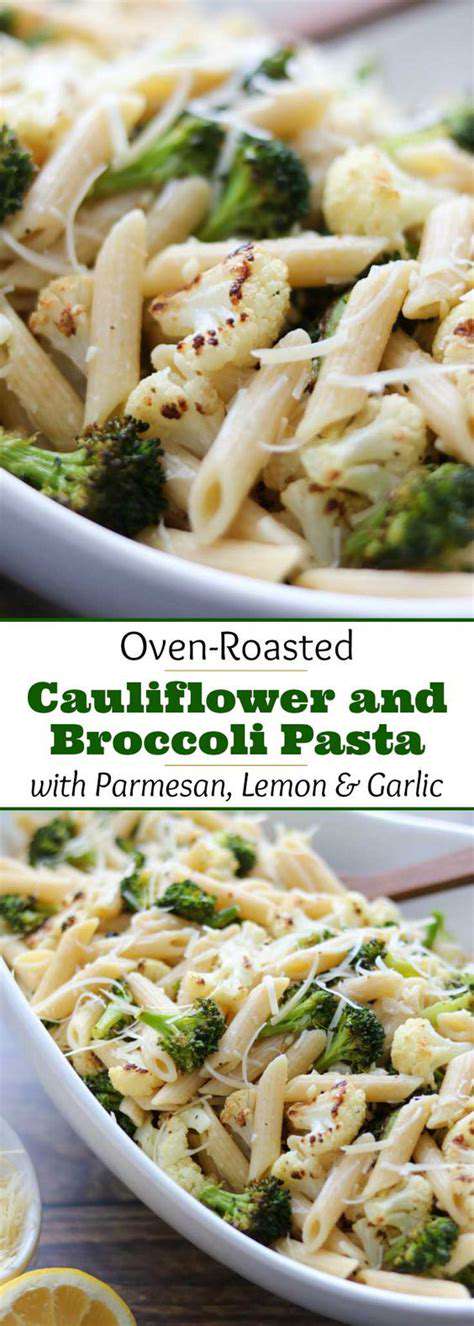
For example, a phrase like “oven-roasted” typically suggests a healthier option compared to “pan-fried.” Understanding these distinctions helps in making informed decisions that align with your dietary goals.

Check for Nutritional Information

In recent years, many restaurants have begun providing Nutritional Information for their menu items. Taking advantage of this information can guide your choices significantly. Look for calories, protein, fat, and carbohydrate content on the website or a special menu card in the restaurant. This level of detail can assist you in selecting a meal that fits within your dietary restrictions.

Highlight Healthy Options

Before dining out, consider jotting down your go-to healthy meals. This could include grilled proteins, salads, or vegetable sides, which often come with fewer calories than heavy dishes. Identifying these options beforehand can decrease the chances of impulsive choices that may sabotage your diet.

  • Opt for meals that include plenty of vegetables.
  • Request dressings or sauces on the side to control portions.
  • Choose whole grains whenever available.
  • Mind Portion Sizes

    Portion sizes at restaurants can be quite large, often exceeding standard dietary recommendations. This can make it challenging to adhere to a weight loss plan. Instead of cleaning your plate, consider sharing entrees or asking for a half-portion when available.

    Another excellent strategy is to utilize visual cues; for example, compare your serving to the size of your fist or a tennis ball to determine an appropriate portion. By being mindful of portion sizes, you'll find it easier to enjoy dining out while still being in control of your diet.

    Make Smart Food Choices

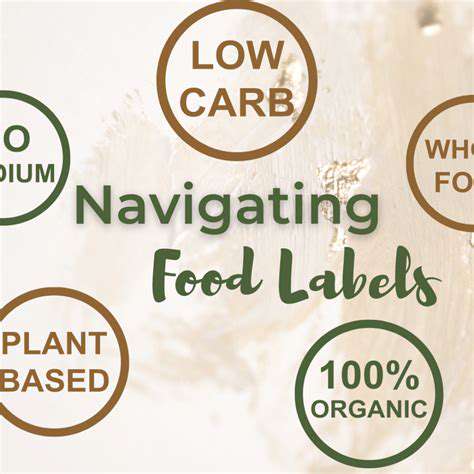
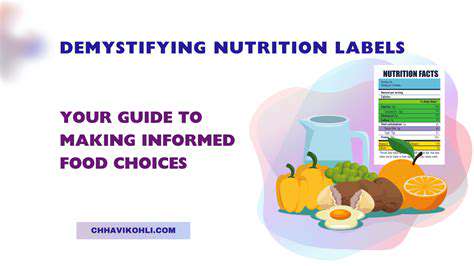
    Understanding Nutritional Labels

    Nutritional Labels provide valuable information that can guide diners in making healthier choices. They typically include details on calories, fats, carbohydrates, proteins, vitamins, and minerals. For instance, a meal comprising 500 calories with high sugar and saturated fat may not align with your weight loss goals.

    When dining out, it might not always be feasible to obtain a detailed label, but asking your server for information about the nutritional content can be very beneficial. Some restaurants provide nutritional guides or online profiles of their dishes, which can aid in decision-making.

    Making Sense of Menu Jargon

    The language used in restaurant menus can often be misleading. Terms like “grilled,” “light,” or “crispy” might suggest a healthier choice, but it's essential to dig deeper for insights. For example, “crispy” may indicate frying, which adds unnecessary calories. Knowing these nuances can help you navigate the menu effectively.

    Portion Control Strategies

    Portion sizes at restaurants can be significantly larger than the recommended serving sizes. A practical approach is to request smaller portions or share dishes with friends. Research shows that reducing portion sizes can lead to lower calorie consumption while still enjoying your meal.

    Additionally, consider asking for dressings or sauces on the side. This way, you have more control over how much you're consuming, enabling you to enjoy more flavors while managing your calorie intake.

    Smart Beverage Choices

    Beverages can contribute hidden calories, particularly sugary drinks or alcohol. Opting for water, unsweetened tea, or black coffee can drastically cut down your caloric intake. Studies indicate that when individuals choose high-calorie beverages, they often overlook the added sugars and fats they bring to a meal.

    Choosing Whole Foods

    Selecting whole foods over processed items can make a significant difference in your diet. Meals rich in vegetables, lean proteins, and whole grains are generally lower in calories and high in essential nutrients. Consider options like salads topped with grilled chicken instead of fried proteins for a healthier alternative.

    Whole foods provide the necessary fiber and fat that keep you full longer, thereby reducing the likelihood of overeating during a meal. Always prioritize dishes that incorporate fresh, seasonal ingredients when available.

    Mindful Eating Techniques

    Practicing Mindful Eating can transform your dining experience and significantly impact your weight loss journey. Taking time to savor each bite, paying attention to hunger cues, and minimizing distractions from electronic devices can enhance satisfaction and help you recognize when you are full.

    Balancing Indulgences and Healthy Choices

    Diving into indulgent dishes now and then can be part of a balanced weight loss strategy. The key is moderation. If a certain dish is very high in calories, consider balancing it out with lighter choices throughout the day. This way, you can enjoy your favorite meals without derailing your diet.

    To align with this, planning ahead for special occasions, being aware of your total caloric intake, and committing to a post-indulgence workout can also help in maintaining your weight loss trajectory. Understanding that every meal is part of a larger lifestyle can support your long-term health goals.

    Control Portion Sizes

    Understand Serving Sizes

    Familiarizing yourself with standard serving sizes is essential for effective Portion Control. For instance, a typical serving of meat should be about the size of a deck of cards, while pasta servings are often equivalent to a baseball. By understanding these sizes, you can better gauge how much food is on your plate, making it easier to stick to your dietary goals.

    Research indicates that many people underestimate serving sizes, which can lead to overeating. A study published in the American Journal of Clinical Nutrition found that participants often consumed 20-30% more food than necessary when they didn't visually assess portion sizes correctly. Being mindful of these metrics can significantly aid in maintaining a healthy diet while dining out.

    Utilize Smaller Plates and Bowls

    One effective strategy to control portion sizes is simply switching to smaller plates and bowls. This can create the illusion of a full plate, even with smaller servings. When you use a standard dinner plate versus a salad plate, studies show you are likely to serve yourself 20-30% more food. Opting for smaller dishware can help trick your brain into feeling satisfied with less.

    Share Your Meals

    Consider ordering meals to share when dining out. This not only allows you to enjoy a variety of dishes but also significantly reduces the quantity of food you consume in one sitting. Research shows that sharing meals can encourage healthier eating behaviors and prevent the pressure to finish large portions. It’s a communal experience that promotes moderation among friends.

    Opting to split an entrée with a dining companion is an excellent strategy, especially in restaurants known for generous servings. This approach also encourages social interaction, making dining out an enjoyable experience without the guilt of overindulgence.

    Request Modifications

    Most restaurants are willing to accommodate dietary requests, so don’t hesitate to ask for modifications. This could include simple adjustments such as substituting fries for a salad or requesting sauces or dressings on the side. Such adjustments can not only reduce calorie intake but also help you customize your meal according to your specific dietary needs.

    Practice Mindful Eating

    Engaging in mindful eating techniques can significantly enhance your ability to control portions while dining out. This involves focusing on the food, savoring each bite, and paying attention to hunger cues. Studies have shown that individuals who practice mindfulness eat slower, leading to a reduced appetite and smaller portion sizes over time.

    When you slow down and enjoy your meal, you're less likely to overeat. Take the time to put your utensils down between bites and engage in conversation. This not only helps you enjoy your meal more fully but also allows your brain to catch up with your stomach, giving you a better sense of fullness.

    Stay Hydrated and Mindful

    The Importance of Hydration in Weight Management

    Staying well-hydrated is fundamental for anyone aiming to maintain or lose weight. Water plays a crucial role in various bodily functions, including metabolism and digestion. Research indicates that drinking sufficient water can enhance metabolic rates by up to 30% during the short term. It is recommended to drink at least 8 cups (2 liters) of fluid daily, but individual needs may vary based on factors like activity level, climate, and diet.

    Moreover, hydration can influence appetite regulation. Sometimes, people misinterpret thirst as hunger, leading to unnecessary snacking or overeating. By drinking a glass of water before meals, you can create a sense of fullness, potentially reducing overall caloric intake. In practical terms, replacing sugary beverages with water can contribute to significant caloric savings over time, further supporting your weight loss goals.

    Mindfulness Practices While Dining Out

    Mindfulness during meals helps foster better eating habits, especially in a restaurant setting where temptations abound. One effective strategy is to slow down while eating; focusing on every bite can heighten your awareness of hunger and fullness cues. Studies have found that individuals who practice mindful eating tend to consume fewer calories and enjoy their food more, overall enhancing their dining experience.

    It’s also beneficial to engage in discussions with your dining companions instead of focusing solely on the food. This can naturally slow down your eating pace and make you less likely to indulge excessively. Also, consider setting intentions for your meal beforehand, which can help align your choices with your health goals, making it easier to say no to larger portions or high-calorie options.

    Choosing Healthier Options on the Menu

    Navigating restaurant menus while adhering to a weight loss plan requires a strategic approach. Start by scanning for lighter fare or dishes prepared with healthier cooking methods, such as grilled, baked, or steamed rather than fried. Many restaurants now highlight lighter options, making it easier to identify meals that align with your dietary goals.

    Additionally, consider customizing your order whenever possible. Asking for dressings or sauces on the side, opting for whole grains, and choosing larger servings of vegetables can make substantial differences in overall calorie content. A recent survey found that about 70% of diners appreciate the ability to customize their meals, so don’t hesitate to advocate for your health while enjoying a meal out.

    Hydration-Friendly Beverage Choices

    While it’s easy to gravitate towards sugary drinks or alcoholic beverages when dining out, there are numerous hydration-friendly alternatives. Opting for water-infused with lemon or cucumber is a refreshing choice that adds flavor without the extra calories. Furthermore, herbal teas provide a soothing option that can also aid digestion and hydration.

    If you prefer something fizzy, look out for sparkling water, which provides the sensation of soda without the sugar. It is essential to be aware of the calorie content in drinks, as these can quickly add up and derail your weight loss efforts. In fact, studies have shown that the average calorie consumption from beverages is about 400 calories per day, highlighting the significance of making informed choices on your beverage selections.

    Choose Wisely When It Comes to Beverages

    ChooseWiselyWhenItComestoBeverages

    Understanding Beverage Choices

    When dining out, beverage selections can significantly impact your overall caloric intake. Many beverages contain hidden calories that contribute to weight gain. It's crucial to be aware of what you're consuming, especially when trying to maintain a Weight Loss Diet.

    For example, soft drinks and sugary cocktails can add hundreds of calories to your meal. A standard 12-ounce soda contains about 150 calories, and that’s before any additional snacks or meals. Choosing water or unsweetened beverages instead can help you save those calories for more nutritious food options.

    Non-Alcoholic Options

    Opting for non-alcoholic beverages can be beneficial in several ways. Firstly, they typically have fewer calories, making them ideal choices for a weight loss plan. For instance, flavored sparkling water or herbal teas are both refreshing alternatives that can enliven your meal without unnecessary sugars.

    Moreover, non-alcoholic choices are often lower in sodium, which is another consideration for health-conscious individuals. Staying hydrated with non-caloric drinks not only promotes healthy digestion but also aids in controlling appetite.

    Alcoholic Beverages and Their Impact

    While enjoying a meal, it's easy to overlook the caloric content of alcoholic beverages. Many cocktails can contain high amounts of sugar and calories, especially those made with syrup or sweet mixers. For example, a margarita can average 500 calories per drink, significantly affecting your diet goals.

    • Choose spirits with calorie-free mixers like soda water.
    • Stick to light beer or wine, both of which tend to have lower calorie counts.
    • Always be mindful of portion sizes; smaller servings can make a big difference.

    Smart Choices When Dining Out

    When selecting beverages at a restaurant, consider ordering appetizers or small plates that pair well with lighter drinks. For instance, a white wine spritzer can complement seafood perfectly while keeping calorie counts in check. For those who enjoy a mixed drink, consider specifying less sugary options by requesting them without added syrups or sweeteners.

    By being transparent with your server about your preferences, they can offer recommendations that align with your dietary goals. A small change can lead to an enjoyable dining experience without straying far from your nutritional objectives.

    Reading Beverage Menus Carefully

    Take your time to study the beverage menu when dining out. Many establishments offer detailed descriptions of drink ingredients, and this information can be useful in making informed choices. Don't hesitate to ask questions about the ingredients or preparation methods. Knowing what goes into a drink can help you avoid unwanted calories or ingredients that don't align with your dietary needs.

    Hydration and Weight Loss

    Staying hydrated is crucial for overall health and particularly beneficial when trying to lose weight. Drinking water before a meal can not only help regulate your appetite but also prevent overeating. Studies suggest that consuming water prior to eating can lead to a reduction in calorie intake, promoting more effective weight management.

    Moreover, often our bodies can misinterpret thirst as hunger. So, reaching for a low-calorie beverage or even plain water might just satisfy your cravings. Make it a habit to drink water throughout your meal; it helps you feel fuller and more satisfied.

    Conclusion: Prioritizing Beverage Selection

    In conclusion, making wise beverage choices while dining out is key in maintaining a weight loss diet. Whether opting for non-alcoholic drinks or being selective about your alcohol intake, every decision counts toward achieving your health goals. Remember, the beverage you choose can be just as critical to your diet as the food on your plate. This awareness can lead to a more satisfying and successful dining experience.

    Read more about Tips for Dining Out While Staying on a Weight Loss Diet
    Healthy Smoothie Recipes for Weight Loss
    May 16, 2025
    Best Post Workout Nutrition Strategies for Recovery
    May 27, 2025
    Healthy Budget Meal Prep Ideas
    Jun 06, 2025
    Guide to Understanding Food Additives and Their Impact
    Jul 09, 2025
    Guide to Understanding Processed Foods and Their Risks
    Jul 29, 2025
    The Flavor Profiles of Vinegars and CitrusDiscover the versatile world of vinegars and citrus fruits, where flavor meets health benefits in every culinary creation. From light salad dressings to vibrant marinades, understanding the unique profiles and uses of these ingredients can take your low-calorie cooking to new heights. Understanding Different Vinegar TypesDive into the diverse landscape of vinegars—each brings its unique flavor to the table. Distilled vinegar, with its neutral profile, is a staple in countless recipes. Apple cider vinegar, known for its tang and health benefits, not only enhances flavors but also aids digestion. Meanwhile, balsamic vinegar offers a rich sweetness, perfect for drizzling over salads, while rice vinegar is favored in Asian cuisine for its mildness. Explore the depth that red and white wine vinegars can add to your dishes, enriching salads and marinades alike. Using Vinegars in Dressings and MarinadesVinegars are essential for crafting delicious dressings and marinades that enhance and tenderize your dishes without the extra calories. A classic vinaigrette made from vinegar, oil, and fresh herbs is not only refreshing but also low-calorie. Experiment with vinegar-to-oil ratios, typically 1:3, to find the perfect balance for your taste. Health Benefits of Different VinegarsAdding vinegar to your diet may offer surprising health benefits. Studies indicate that apple cider vinegar can assist in weight management and blood sugar regulation, making it a sought-after ingredient for health-conscious individuals. Balsamic vinegar, rich in antioxidants, can support heart health by reducing inflammation. Citrus: Brightening Up Your DishesCitrus fruits such as lemons, limes, and oranges can awaken flavors in your meals while providing essential vitamins. The acidity in citrus complements the tang of vinegar, creating a harmonious mix ideal for dressings and marinades. For example, a lemon vinaigrette can brighten up any salad, while an orange juice and balsamic vinegar combination amplifies sweetness without added calories. Creative Uses of Vinegar Beyond the KitchenVinegar is not only a culinary staple; its uses expand into home care and beauty. Its natural antibacterial properties make it an effective cleaning agent, perfect for eco-friendly households. Additionally, apple cider vinegar can be used as a natural hair rinse or skin toner, proving that this ingredient is truly multi-functional. Incorporating Vinegars and Citrus into a Low-Calorie DietUtilizing vinegars and citrus is a smart strategy for health-conscious cooking. These ingredients can enhance flavors without adding excessive calories, making them excellent substitutes for richer dressings. By swapping creamy dressings with vinegar-based ones, you can create fresh, satisfying flavors that align with your dietary goals. Final Thoughts on Flavorful, Low-Calorie CookingIncorporating both vinegars and citrus into your meals opens a world of culinary possibilities. From refreshing drinks to vibrant dressings, these ingredients can enhance flavors while maintaining a healthy profile. By exploring different combinations, you can craft unique dishes that don’t compromise on taste or nutritional value.Unlock the flavorful potential of vinegars and citrus in your kitchen today!
    Feb 27, 2026
    The Keys to SuccessIncorporate both active and passive recovery strategies into your plan. Adequate rest is crucial for muscle repair and preventing injuries. Schedule your recovery days wisely to enhance your performance in future workouts.By following these guidelines to develop a structured training plan, you can maximize your potential as a runner, ensuring you achieve your goals while maintaining a balanced and effective training regimen.
    Feb 27, 2026
    Prioritize careful meal planning to ensure nutritional variety. Use meal planning apps to organize your grocery list and streamline the process. 2. Proper Food Storage Techniques: Store prepared meals in glass containers and label them with dates to track freshness. Dividing meals into single-serving sizes can also aid in portion control. Sample Recipes for Healthy Lunch Prep- Mediterranean Quinoa Salad: Quinoa mixed with fresh vegetables provides a protein-rich lunch option, easy to customize.- Grilled Chicken Burrito Bowls: These bowls are nutritious and made with ingredients like brown rice, which aids in digestion and weight management.- Spinach and Feta Stuffed Peppers: A visually appealing meal that's rich in vitamins, making it perfect for lunch.- Chickpea and Avocado Salad: A protein-packed option that balances flavor and nutrition, easy to prepare and enjoy. Staying Motivated During Your Weight Loss JourneySetbacks are a common part of any weight loss journey. Viewing these moments as learning opportunities is essential. Keep a journal of your experiences to help identify triggers. Setting realistic, achievable goals, using the SMART criteria, will keep you motivated and on track.A healthy support network can also make a significant difference in your weight loss journey. Engaging with friends, family, or social media communities for accountability and encouragement can make the process enjoyable and sustainable. ConclusionIncorporating healthy meal prepping habits is a powerful strategy for anyone looking to lose weight. With thoughtful meal planning and preparation, you can not only reach your weight loss goals but maintain a healthier lifestyle in the long run.
    Mar 01, 2026
    ALA, EPA, and DHA. While ALA primarily exists in plant sources like flaxseeds, EPA and DHA are found in fatty fish such as salmon and mackerel. Research consistently underscores their importance in maintaining heart health, reducing inflammation, and supporting cognitive function. Regular consumption of omega-3s correlates with a decreased risk of cardiovascular diseases, according to a study published in the Journal of the American College of Cardiology. Anti-Inflammatory EffectsOmega-3s are known for their anti-inflammatory properties. By reducing inflammatory markers in the body, they can alleviate symptoms of chronic conditions such as arthritis. Incorporating omega-3s into your diet through fatty fish or plant-based sources can significantly improve joint health and mobility, making them beneficial for conditions like osteoarthritis. Dietary Sources of Omega-3sIncorporating omega-3 fatty acids into your meals is simple. Aim for two servings of fatty fish weekly, and for vegetarians, consider sources like chia seeds and walnuts. Algal oil is also an excellent alternative for those avoiding animal products. Fortified foods, such as certain dairy products and eggs, offer additional options for increasing your omega-3 intake. Fruits, Vegetables, and Pain ReliefFruits and vegetables provide an arsenal of nutrients essential for combating inflammation. Berries, leafy greens, and citrus fruits are particularly effective. Blueberries, for example, are packed with antioxidants, while leafy greens like spinach and kale offer anti-inflammatory benefits due to their high vitamin K content. Incorporating these foods into your diet can help reduce chronic pain and improve overall health. Antioxidant-Rich FoodsCherries and avocados also have significant anti-inflammatory effects. Cherries can aid in reducing pain related to conditions like arthritis, while avocados are rich in healthy fats and fight inflammatory responses. Spices and Whole Grains: Hidden GemsDon’t overlook spices! Curcumin from turmeric and ginger can significantly reduce inflammation. Studies have shown that turmeric can be as effective as certain medications for chronic pain without the side effects. Whole grains, like quinoa and brown rice, further support health by lowering inflammation and providing necessary nutrients. Meal Planning for Anti-Inflammatory BenefitsWhen planning meals, incorporate a variety of anti-inflammatory ingredients. Start with a whole grain base, add a serving of lean protein, and top it off with colorful veggies. Cooking in bulk can simplify meal prep and make it easy to stick to an anti-inflammatory eating plan. Consistency & CommunityStaying committed to an anti-inflammatory diet can be rewarding but requires effort. Set realistic goals, and keep a food journal to track your progress. Join communities that share recipes and success stories to keep you motivated along your journey toward better health.In summary, adopting omega-3 fatty acids and anti-inflammatory foods can transform your health. Embrace a diverse diet rich in these powerful nutrients, and you’ll be on your way to a healthier, pain-free life.
    Mar 01, 2026
    A Comprehensive GuideDiscover the nutritional wonders of plant-based proteins, perfect for anyone looking to enhance their diet with healthy, sustainable sources of nutrition. This guide delves into five powerhouse categories of plant-based proteins: legumes, quinoa, soy products, nuts and seeds, and plant-based protein powders. 1. Legumes: Nature's Protein PowerhouseLegumes, including beans, lentils, and peas, are rich in protein and fiber, making them a staple for vegans. With about 18 grams of protein per serving, they not only enhance muscle growth but also promote heart health through lower cholesterol levels. Learn to incorporate legumes into your meals with versatile recipes and cooking tips, supporting effective weight loss without sacrificing taste. 2. Quinoa: The Complete Protein GrainDubbed a superfood, quinoa is a complete protein containing all nine essential amino acids. Not only is it a nutrient-dense option rich in minerals like magnesium and iron, but its high fiber content aids in digestion and weight loss. Explore how to prepare quinoa and discover delicious ways to incorporate it into salads, bowls, and more! 3. Tofu and Tempeh: Essential Soy ProductsTofu and tempeh are excellent sources of protein and offer various health benefits. Tofu provides about 8 grams of protein per 100-gram serving and is rich in calcium, while tempeh takes the lead with 19 grams and probiotic benefits. Dive into creative cooking methods and meal-planning ideas to make the most of these versatile soy products. 4. Nuts and Seeds: Nutrient-Dense AdditionsPacked with healthy fats, protein, and essential nutrients, nuts and seeds play a crucial role in a balanced diet. Incorporate varieties like almonds and chia seeds for their health benefits and delicious flavors. This section highlights how to effortlessly add nuts and seeds to your meals for improved satiety and heart health. 5. Plant-Based Protein Powders: Convenient and VersatileFor an easy protein boost, explore the range of plant-based protein powders including pea, brown rice, and hemp proteins. These powders are not just convenient for post-workout recovery; they can also enhance smoothies and baked goods. Understand how to choose the right protein powder that enhances your diet without unnecessary additives. ConclusionWhether you’re vegan, vegetarian, or simply looking to incorporate more plant-based options into your meals, this guide provides essential insights and practical tips. Embrace the benefits of legumes, quinoa, soy, nuts, seeds, and plant-based protein powders to create a delicious and fulfilling diet that supports your health and wellness goals. Start your journey to mindful eating today for a healthier tomorrow!
    Mar 04, 2026
    posture, foot strike, and arm movement. Proper alignment and technique will enhance efficiency and reduce injury risk. Implementing methods like rhythmic breathing can significantly improve endurance. Setting Realistic Goals and Tracking ProgressRegularly assess your training and adjust your goals as needed. Utilize tracking tools like mobile apps to monitor your progress and keep your motivation high. A training journal documenting your workouts and feelings can help refine your personalized training strategy. Mental Preparation for Race DayMaster mental strategies such as visualization and positive self-talk to combat pre-race anxiety and boost confidence. Plan each race day thoroughly to ensure you know your goals, pacing strategy, and the course layout. Conclusion Creating a structured training regimen for your first 5K is an evolving journey that combines physical readiness and mental preparedness. By adhering to this guide, you'll be on the path to achieving your goals and enjoying the process of becoming a proficient runner. Celebrate your success on race day while setting the groundwork for future accomplishments in your running journey.---Ready to lace up your running shoes and start your training? Dive into these strategies today, and you’ll be well on your way to crossing the finish line with confidence!
    Mar 07, 2026
    Discover Healthy Pasta Alternatives for Weight Loss Zucchini Noodles (Zoodles)Zucchini noodles, or zoodles, are an excellent substitute for traditional pasta. Packed with nutritional benefits, they are significantly lower in calories—around 33 calories and 6 grams of carbs in a medium zucchini compared to 200 calories and 43 grams of carbs in spaghetti. Zoodles are rich in vitamin C, potassium, and antioxidants, making them a smart choice for those aiming for weight loss while enhancing their nutrient intake. Preparing zoodles is simple; using a spiralizer or a vegetable peeler, you can easily create long, noodle-like strands. Sautéing them with olive oil or pairing with lean proteins and colorful vegetables creates delicious, balanced meals. Whole Wheat PastaWhole wheat pasta is a nutritious alternative to typical pasta due to its higher fiber content, which helps regulate blood sugar levels and supports digestive health. With essential nutrients like B vitamins, magnesium, and protein, whole wheat pasta can be an effective component in a weight loss diet. By replacing regular pasta in your favorite dishes, such as hearty Bolognese or light primavera, you can enjoy a healthier meal. Pair with robust sauces and vegetables for enhanced flavor and nutritional benefits. Opting for whole grain promotes better farming practices, contributing to sustainable agriculture. Legume-Based PastaLegume-based pasta, made from ingredients like lentils and chickpeas, is celebrated for its high protein (up to 25 grams per serving) and fiber content, both of which are crucial for satiety and muscle maintenance. This makes it an ideal choice for weight loss. Additionally, legume pasta can help regulate blood sugar levels, reducing the risk of type 2 diabetes. When cooking, it’s essential to follow package instructions closely, as they require different techniques. Look for brands like Banza or Explore Cuisine for flavorful, gluten-free options. Shirataki NoodlesDerived from the konjac yam, shirataki noodles are extremely low in calories (about 10 calories per serving) while being high in glucomannan, a soluble fiber promoting fullness. Rinsing and properly preparing them enhances their versatility, allowing for use in a variety of dishes. While some may find the texture chewy, pairing with rich sauces can improve the experience. Moderation is key to avoid digestive discomfort, making shirataki noodles a healthy choice for weight loss. Cauliflower PastaCauliflower pasta is another incredible low-calorie alternative, with only around 25 calories per cup compared to regular wheat pasta. High in dietary fiber, it aids in digestion and helps control hunger. Preparing cauliflower pasta involves steaming or boiling the florets, then puréeing them until smooth. This versatile ingredient can enhance various dishes, from pasta salads to casseroles, providing a nutritious option while adhering to weight-loss goals.Explore these healthy pasta alternatives to lighten your meals while enjoying the flavors you love. By incorporating zoodles, whole wheat pasta, legume-based pasta, shirataki noodles, and cauliflower pasta into your diet, you’ll make delicious strides toward effective weight management without sacrificing taste.
    Mar 10, 2026
    View Publications>>