Health
Wellness
Exercise
Yoga
Flexibility
Stretching
Mobility

Morning Stretches to Wake Up Your Lower Back

This is excellent for loosening up the spine.
  • Child's Pose: Helps in elongating the back muscles.
  • Pelvic Tilts: Strengthens the lower back while improving mobility.
  • Seated Forward Bend: Provides a deep stretch for the hamstrings and lower back.
  • Each of these stretches targets the Lower Back effectively. Incorporating these stretches first thing in the morning can be transformative, especially for individuals with a history of back pain. It's important to perform each stretch gently, holding for 15-30 seconds to maximize benefits.

    Frequency and Timing for Optimal Results

    To best integrate back stretching into your Morning Routine, consistency is key. Engaging in these stretches at least 4-5 times a week will not only promote flexibility but also reinforce muscle memory, ensuring long-term benefits. Aim to spend about 10-15 minutes each morning solely on stretching your lower back. This investment of time can lead to significant improvements in your mobility and pain levels.

    Common Mistakes to Avoid When Stretching

    It's crucial to avoid rushing through your stretching routine. Many individuals stretch without warming up their muscles first, increasing the risk of injury. Approach each stretch with mindfulness, ensuring you breathe deeply and introduce the movements gradually. Also, be aware of your body’s limits—never push yourself into discomfort, as this can lead to setbacks. Listening to your body is a vital part of an effective stretching regimen.

    Incorporating Stretching into Your Daily Routine

    Making stretching a habitual part of your morning can set a positive tone for the day ahead. Some may find it beneficial to place reminder notes or set alarms to ensure they don’t skip this essential practice. Consider Combining Stretching With Other morning practices like hydration or meditation for a holistic approach to wellness. Documenting your feelings post-stretching can also help track progress and maintain motivation.

    Key Morning Stretches for Lower Back Relief

    Understanding Lower Back Pain

    Lower back pain is a common issue for many individuals, affecting approximately 80% of adults at some point in their lives. This discomfort can stem from various causes, including muscle strain, ligament sprain, or even more serious changes in the spine, such as herniated discs. Understanding the underlying reasons for your pain can help tailor a stretching routine that specifically targets your needs.

    Research indicates that maintaining flexibility and strength in the muscles surrounding the spine can significantly reduce the likelihood of recurring pain. Engaging in targeted stretching exercises can improve blood flow, enhance mobility, and alleviate stiffness, ultimately contributing to better overall back health.

    Importance of Morning Stretching

    Morning stretching plays a vital role in preparing your body for the day ahead. After a night of rest, your muscles may become stiff, leading to discomfort during daily activities. A simple stretching routine can help alleviate this tightness and restore blood flow, enhancing your body's physical performance.

    Effective Stretches for Relief

    Some effective stretches for lower back relief include the Cat-Cow stretch, Child’s Pose, and the Piriformis stretch. The Cat-Cow stretch promotes spinal flexibility and strengthens the core muscles, while the Child's Pose provides a gentle release for lower back tension. Such exercises engage multiple muscle groups, providing comprehensive benefits. Research demonstrates that these stretches can improve mobility while simultaneously easing pain.

    Incorporating specific routine stretches like the Hamstring stretch and Seated Forward Bend can also target tightness in the hamstrings, alleviating strain on the lower back. Experimenting with these stretches during your morning routine can make a significant difference in how you feel throughout the day.

    Tips for Stretching Safely

    Prioritizing safety while stretching is crucial to prevent exacerbating any existing pain. Always warm up your muscles with light movements before diving into stretches, as cold muscles are more susceptible to injury. It’s advisable to listen to your body; if a particular stretch causes sharp pain, ease off and adjust your position until you find a comfortable range of motion.

    Incorporating Deep Breathing

    A critical aspect of effective stretching is deep breathing. As you perform each stretch, focus on deep, rhythmic breaths that can promote relaxation and enhance the effectiveness of each movement. Inhaling deeply can help you engage your core, and exhaling as you stretch allows you to release tension, ensuring that you are working within your body's limits.

    Creating a Consistent Routine

    Establishing a consistent Morning stretching routine can yield long-term benefits for your lower back. Aim to implement these stretches several times a week, ideally each morning, to foster a habit that becomes second nature. Documenting your progress, whether it’s improved flexibility or decreased pain levels, can motivate you to maintain this healthy routine.

    In conclusion, morning stretches are not just a series of exercises but a proactive approach to Lower Back Health. With dedication to proper technique and a commitment to consistency, you can wake up your lower back every day with renewed vitality and strength.

    1. Cat-Cow Stretch

    1. Understanding the Cat-Cow Stretch

    The Cat-Cow stretch is a fundamental yoga pose that mobilizes the spine and helps alleviate tension in the lower back. By alternating between arching and rounding the back, this stretch encourages the flexibility of the spine while promoting healthy circuation throughout the body. When performed correctly, it can engage multiple muscle groups, including those in the abdomen and lower back.

    Research indicates that dynamic stretches like the Cat-Cow can also enhance intra-abdominal pressure and stability, which is crucial for maintaining proper posture throughout the day. This stretch is especially beneficial for individuals who spend long hours sitting, as it counteracts the effects of prolonged inactivity by improving overall mobility.

    2. How to Perform the Cat-Cow Stretch Effectively

    To start the Cat-Cow stretch, position yourself on all fours with your wrists aligned directly under your shoulders and your knees beneath your hips. Inhale deeply as you arch your back, lifting your head and tailbone towards the ceiling for the 'Cow' position. Then, exhale while rounding your spine, tucking your chin to your chest in the 'Cat' position. Aim for five to ten repetitions to reap the benefits of this stretch. Remember to breathe smoothly throughout the movement.

    A common mistake is to rush through the transitions between Cat and Cow. Instead, focus on slow, deliberate movements to maximize the effectiveness of each position. This not only improves flexibility but also helps develop a strong mind-body connection, crucial for overall well-being.

    If you're new to the Cat-Cow stretch, it might be useful to practice in front of a mirror. This way, you can ensure your form is correct and you are not inadvertently straining your back or neck. Focus on maintaining a neutral spine and engaging your core for better stability.

    3. Benefits Beyond Stretching

    The benefits of the Cat-Cow stretch extend beyond just flexibility. This exercise can also enhance emotional well-being by promoting mindfulness through controlled breathing and movement. Practicing stretches like these can stimulate the parasympathetic nervous system, helping to reduce stress and anxiety levels, making mornings more pleasant and productive.

    In addition, including the Cat-Cow stretch in your morning routine can lead to increased awareness of your body’s posture throughout the day, which may prevent back pain. Over time, the consistent practice of this stretch can contribute to a stronger and more resilient lower back. Aim to integrate it into your daily routine to create a positive habit that supports your overall health.

    2. Seated Forward Bend

    Understanding the Seated Forward Bend Pose

    The Seated Forward Bend, also known as Paschimottanasana, challenges flexibility while promoting relaxation. It primarily targets the hamstrings, lower back, and spine. This pose allows individuals to deepen their stretch progressively, enhancing both physical and mental focus. Many yoga practitioners find it beneficial for calming the mind, which makes it an excellent way to kick-start your morning routine.

    This pose’s efficacy is rooted in its ability to elongate and decompress the spinal column. By performing this stretch regularly, you can alleviate tension in the lower back, which is especially beneficial for those with sedentary lifestyles. The gentle forward fold encourages blood circulation to the spine and hips, promoting overall mobility.

    How to Properly Execute the Seated Forward Bend

    To perform the Seated Forward Bend, sit with your legs extended straight in front of you. Inhale deeply, lengthening the spine, and as you exhale, hinge at your hips to reach forward. Aim to grasp your feet or shins, depending on your flexibility level. Hold the pose for 30 seconds to a minute while ensuring that your back remains straight to prevent unnecessary strain.

    It's essential to listen to your body throughout the stretch. Avoid forcing your torso downward; instead, focus on relaxing into the position. Engaging in proper alignment not only protects your lower back but also enhances your overall stretching experience, making it effective and enjoyable.

    For beginners, using a strap or a towel can help bridge the gap between your hands and feet, allowing you to experience the benefits of the pose without compromising form.

    Benefits of Regularly Practicing Seated Forward Bend

    Incorporating the Seated Forward Bend into your daily stretches can offer numerous benefits. One notable advantage is its capacity to ease sciatica and lower back pain by stretching the entire back side of the body. Research indicates that Regular Stretching can significantly improve flexibility, which is crucial for injury prevention and enhanced performance in physical activities.

    This pose not only increases flexibility but also stimulates the digestive organs, which can improve gastrointestinal health as part of your morning regimen. The combination of bending forward and inhaling deeply helps in massaging the abdominal organs, contributing to better metabolism.

    Modifications and Variations for Enhanced Practice

    If you find the traditional Seated Forward Bend challenging, there are several modifications that can help. Placing a cushion or yoga block beneath your hips can provide additional support and stability. This adjustment can help ease the tension in your lower back while still allowing you to benefit from the pose.

    For those looking to deepen their practice, consider incorporating variations such as the wide-leg seated forward bend. Spreading your legs further apart can target different muscle groups and enhance the stretch even more.

    Remember, it's crucial to maintain a focus on breath during any modifications or variations. Controlled breathing not only aids in relaxation but also helps to increase your reach and comfort levels in this stretch.

    3. Child's Pose
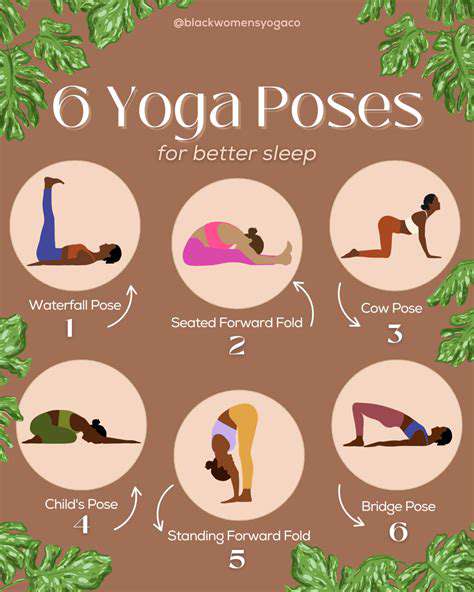
    3.Child'sPose

    Understanding Child's Pose

    Child's Pose, known as Balasana in yoga, is a foundational posture that promotes relaxation and flexibility. It is often recommended for alleviating tension in the lower back. This pose encourages gentle stretching of the spine while allowing your body to rest. Practicing Child's Pose regularly can help improve overall spinal alignment and posture, which is vital for maintaining a healthy back.

    Benefits for Lower Back Health

    • Relieves tension in the lower back.
    • Enhances flexibility in the hips and spine.
    • Promotes relaxation, reducing stress levels.

    Research shows that Child's Pose can effectively reduce lower back pain by promoting blood circulation to the spine. This gentle stretch helps lengthen the vertebrae, providing relief from stiffness. Many physical therapists suggest incorporating this pose into daily routines, as it can significantly benefit those with chronic lower back issues.

    Additionally, Child's Pose is easy to perform, making it accessible to individuals of various fitness levels. Its restorative nature can also improve mindfulness, contributing to better awareness of body mechanics.

    How to Properly Perform Child's Pose

    To perform Child's Pose correctly, start by kneeling on the floor, sitting back on your heels. With your knees apart, gently lower your torso forward, resting your forehead on the ground. It's crucial to extend your arms in front of you or alongside your body, depending on your comfort. Ensure that you are breathing deeply and evenly throughout the pose to maximize its benefits.

    Adjust positioning if necessary; if your knees are uncomfortable, consider placing a pillow or blanket for support. The key is to listen to your body and find a stretch that feels beneficial without causing strain.

    Frequency of Practice

    Incorporating Child's Pose into your morning routine can set a positive tone for the day. Aim to hold the pose for 5-10 breaths, slowly increasing your duration as your comfort level allows. Many practitioners find success by integrating the pose multiple times a week to maintain flexibility and ease in the lower back.

    Those with particularly tight hips or lower backs might benefit from performing this stretch daily. Keeping it at the start or end of a more extensive stretching or yoga routine can yield even better results, enhancing overall mobility.

    Common Mistakes to Avoid

    Even a simple pose like Child's Pose can be performed incorrectly if you're not aware of your body's limits. One common mistake is overstretching, which can lead to discomfort or injury. Always be mindful of how your body feels while in pose, making adjustments as needed.

    Another mistake is not engaging the core, which can lead to sagging in the lower back. Instead, focus on gentle engagement of the abdominal muscles to provide support as you stretch. Remember, the goal is relaxation, not forcing your body into a position.

    Personal Insights and Tips

    From my experience, Child's Pose is a fantastic way to ease into your morning, especially on days you feel tension building in your back. I often prefer to perform this pose with soft music or calming sounds in the background for an added sense of tranquility. It's beneficial to set an intention before practicing; this enhances mindfulness and focus.

    If you're looking to deepen your practice, consider pairing Child's Pose with other complementary stretches, such as Cat-Cow or Downward Dog. This combination not only enhances flexibility but also provides a holistic approach to warming up your whole body for the day ahead.

    4. Spinal Twist

    Understanding the Spinal Twist

    The spinal twist is a fundamental stretch that targets the lower back while improving spinal mobility. This exercise allows the vertebrae to rotate, which can help ease stiffness and discomfort. Incorporating this stretch into your morning routine can significantly enhance your flexibility, making daily activities easier and more comfortable.

    Research indicates that regular spinal twisting can also improve circulation in the area, promoting better oxygen flow to the spinal discs. As a result, maintaining a healthy spine is crucial not only for physical performance but also for overall well-being.

    Benefits to Lower Back Health

    Engaging in spinal twists regularly can provide numerous benefits for the lower back. One key advantage is the alleviation of tension and tightness that accumulates overnight. By promoting blood flow and oxygenation, this stretch can help in mitigating feelings of lethargy and stiffness.

    Moreover, many individuals experience chronic lower back pain due to prolonged sitting. Spinal twists can counteract the negative effects of a sedentary lifestyle, thereby improving posture and reducing discomfort in the lumbar region.

    How to Perform the Spinal Twist

    To execute a spinal twist effectively, begin by sitting on the floor with your legs extended. Bend one knee and place that foot outside the opposite thigh. Using your opposite arm, gently pull the bent knee across your body. Remember to keep your back straight, and twist slowly to avoid any potential strain.

    Hold the position for at least 15 to 30 seconds, breathing deeply throughout the stretch. This technique allows for a thorough rotation of the spine, offering the full benefits of the stretch.

    Ideal Frequency for Practicing Spinal Twists

    It's generally recommended to incorporate the spinal twist into your daily morning routine. Practicing this stretch once or twice daily can yield significant improvements in flexibility and reduce Lower back tension. However, listening to your body is crucial; if you feel any discomfort, modifying the depth and intensity of the stretch can be beneficial.

    Some experts suggest varying the frequency depending on individual needs. For those with chronic back issues, more frequent sessions may be necessary, whereas others may only need the stretch a few times a week for maintenance.

    Common Mistakes to Avoid

    When performing spinal twists, there are several common mistakes that individuals may make, such as forcing the stretch too deeply or twisting too quickly. These errors can lead to potential back strain or discomfort. It's essential to prioritize form over depth, and avoid pushing your body past its comfort zone.

    Additionally, be cautious about your alignment; ensure your shoulders are relaxed and facing the front during the twist. Keeping your core engaged will provide additional support to the lumbar region and prevent injury.

    Complementary Stretches for Enhanced Benefits

    While the spinal twist is effective on its own, pairing it with complementary stretches can lead to increased benefits. Hip openers, such as the pigeon pose, can help relieve tension in the hips, which often correlates with lower back tightness. Additionally, incorporating forward bends can enhance the stretch's impact on the lumbar region.

    Combining these stretches into a cohesive routine can create a comprehensive approach to lower back health, ultimately improving overall mobility and flexibility.

    Final Thoughts on Incorporating Spinal Twists

    Incorporating spinal twists into your morning stretches can have profound effects on your lower back health. Besides improved mobility and reduced discomfort, this exercise promotes body awareness and mindfulness, essential for long-term wellness. Being proactive about your spine's health sets the tone for an active and pain-free day.

    As you build a consistent stretching routine, consider the overall health of your back. Staying informed and attentive to your body's responses will help you optimize these stretches for lasting benefits. Remember, gradual adjustments and patience are key to achieving your wellness goals.

    Incorporating Stretches into Your Daily Routine

    Understanding the Benefits of Morning Stretches

    Integrating stretching into your morning routine can significantly improve flexibility and mobility, especially in the lower back area. Research suggests that regular stretching can enhance blood flow to the muscles, promoting recovery and reducing stiffness. This is particularly beneficial after a night's rest when your muscles may feel tight and unresponsive. Stretching helps to wake up the body, ensuring a gentle transition into your day.

    Regular morning stretches can also contribute to better posture. By targeting key muscle groups like the hamstrings and hip flexors, which tightly influence the lower back, you align your spine properly. Improved posture not only alleviates discomfort over time but also enhances overall well-being. You may not notice the benefits immediately, but over weeks, you'll likely feel the difference.

    Additionally, specific stretches can aid significantly in reducing the risk of injury, especially if you have a physically demanding lifestyle. Engaging in preventive measures, like morning stretches, sets a solid foundation for a day filled with movement. Instilling this habit may also lead to a more active lifestyle, as enhanced mobility encourages participation in various physical activities.

    Effective Stretches for Lower Back Relief

    When focusing on morning stretches for the lower back, it’s essential to include exercises that target the surrounding areas. One notable stretch is the Cat-Cow Pose, which not only helps to mobilize and stretch the spine but also warms up the abdominal muscles, improving core support. Holding each position for 15-30 seconds can provide effective relief.

    Another valuable stretch is the Child's Pose, which relaxes the lower back while promoting overall relaxation. By positioning your body so your torso rests on your thighs, you lengthen the spine and relieve tension in the lower back. Aim to hold this stretch for a minute or more, gradually deepening your breathing to enhance the release of tension.

    The Piriformis stretch is also beneficial, particularly if you often experience sciatica symptoms. This stretch targets the muscle located deep within the buttocks, assisting in alleviating pressure on the sciatic nerve. Adjust the position as needed, and hold for 30 seconds on each side to maximize the benefits.

    Including such stretches in your daily routine can pave the way for long-term improvements in lower back health. However, always listen to your body; if you feel discomfort, it's wise to stop and consult a health professional. Tailoring your stretches to suit your personal experience can ensure you reap maximum benefits.

    Creating a Habit for Consistency

    Developing a consistent stretching routine can sometimes be challenging, but there are effective strategies to help incorporate it into your mornings. Start by setting a specific time each day. This could be right after waking up or even just before breakfast. Associating this habit with an existing one makes it easier to remember and implement.

    Using reminders, whether through a physical note or a digital calendar, can also aid in sticking to your routine. Visual cues in your environment can prompt stretching sessions when you might otherwise forget. Additionally, consider having a dedicated space that is comfortable and inviting for your stretches, which can make the experience more enjoyable.

    Finally, don’t hesitate to add variety to your routine to maintain motivation and engagement. Explore different stretches each week or follow along with online guided sessions. This diversity not only keeps the process exciting but also engages different muscle groups, providing a well-rounded approach to lower back care. Establishing a habit may take time, but consistent practice will yield significant results that enhance your daily life.

    Read more about Morning Stretches to Wake Up Your Lower Back

    Dynamic Stretching Routine for Improved Mobility
    May 30, 2025
    Best Nutrition for Boosting Fertility
    Jun 23, 2025
    How to Build a Regular Exercise Routine
    Jul 30, 2025
    Guide to Managing Migraines
    Aug 04, 2025
    Understanding Stress Hormones and the Power of GratitudeStress hormones, primarily cortisol, play a critical role in how our body responds to stress. Elevated cortisol levels can lead to serious health issues, such as weight gain, hypertension, and weakened immunity, highlighting the importance of managing stress effectively. While cortisol assists in regulating metabolism and blood sugar levels, understanding its balance is vital for maintaining overall well-being. Recent research suggests a promising connection between gratitude practices and reduced cortisol levels. Engaging in gratitude can significantly mitigate the effects of stress, with studies showing that individuals who express appreciation regularly experience lower stress hormone concentrations. Simple acts, such as maintaining a gratitude journal or verbalizing thanks to others, not only boost mood but also provide a buffer against the adverse effects of stress. By shifting focus away from daily stressors, gratitude can profoundly influence both mental and physical health.In addition to cortisol, other stress hormones, such as adrenaline and norepinephrine, are activated during stressful situations to prepare the body for rapid responses. Understanding these hormones sheds light on our physical health and opens pathways for lifestyle changes that promote stress reduction. To effectively lower stress hormones, practices like regular physical activity, mindfulness meditation, and active gratitude expression have proven beneficial. Engaging in these activities can lead to lower cortisol levels, improve mood, and foster resilience against daily stress.Adopting a gratitude-focused lifestyle is an excellent strategy for managing stress. Research indicates that gratitude not only enhances emotional well-being but also leads to physiological improvements, including better sleep and a strengthened immune system. Maintaining a gratitude journal and participating in gratitude exercises can help individuals cultivate a positive environment and reinforce supportive social connections.The interplay between gratitude and stress hormones illustrates how mental and physical health are intertwined. Fostering a mindset of appreciation can serve as a practical approach to lower cortisol levels and enhance overall quality of life. By incorporating gratitude into daily routines, one can create a self-reinforcing cycle of positivity and resilience, ultimately contributing to a healthier and more fulfilling life.Explore the science behind stress hormones, their impact on health, and learn effective strategies for stress management through gratitude practices. Start transforming your life by embracing thankfulness today!
    Feb 27, 2026
    A Comprehensive Guide to Establishing a Consistent Running RoutineAre you ready to transform your mornings and elevate your fitness routine? Creating a consistent schedule for your morning runs can be a game-changer, enhancing both your motivation and performance. Studies show that habits formed through repetition lead to greater success, as your body and mind adapt to the rhythm of an early wake-up call. Let’s dive into how establishing a structured plan for your runs can ignite your passion for fitness! Create Your Personalized Running ScheduleCrafting a personalized running schedule requires understanding your lifestyle, work commitments, and energy levels. Start by evaluating your daily commitments and carve out a time to run that aligns with your natural rhythms. Whether you’re an early riser or a night owl, setting a specific time significantly increases your chances of sticking to your routine. Remember to consider short distances at first, gradually increasing your mileage while factoring in essential rest days for recovery. Leverage Technology to Stay on TrackIn today’s digital world, utilizing apps like Strava or Runkeeper can streamline your running journey. These platforms not only track your progress but also connect you with a community of fellow runners, offering motivation and accountability. Wearable tech like smartwatches provides real-time feedback and insights on your performance, helping you set realistic goals and celebrate achievements along the way. Prepare the Night Before for Seamless MorningsPreparation is key! Organizing your running gear, including shoes, clothes, and accessories, the night before can save time and reduce morning stress. Planning your route ahead of time ensures you’re all set to go, eliminating indecision that can deter you from heading out. Setting a realistic alarm is crucial—aim for 7-8 hours of sleep to avoid morning fatigue and make waking up a smoother process. Set Achievable Goals and Celebrate ProgressUnderstanding your fitness levels is essential when setting goals. Avoid overwhelming yourself by breaking larger objectives into manageable milestones. Celebrate each achievement, no matter how small—it could be as simple as logging your runs in a journal or treating yourself after reaching specific targets. Sharing your accomplishments with friends or social media communities can enhance that celebratory feeling, forming connections that keep you motivated. Find a Running Buddy or Join a GroupRunning with a buddy not only enhances motivation levels through mutual encouragement but also enriches your social life. With platforms like Meetup, you can find group runs that match your pace and goals, making your running experience more enjoyable. Engaging in a group also introduces structured workouts, like interval training sessions, to keep your runs fresh and exciting. Reflect and Evolve Your Running JourneyAs you progress, take time to reflect on your journey and adjust your goals as necessary. Life is unpredictable, and flexibility in your running routine allows you to remain committed without the pressure of overwhelming targets. Periodically assessing your achievements builds awareness of how you’ve evolved, both physically and mentally, reinforcing your resolve to maintain a morning running routine.In conclusion, crafting a consistent running schedule fosters discipline and enriches your life beyond just fitness. With determination, preparation, and support, you can embark on a rewarding journey filled with milestones, accountability, and cheer. Dive into your mornings with energy and watch as your passion for running grows!
    Feb 27, 2026
    Avoiding Bed Rest and MoreLower back pain is a common issue, affecting approximately 80% of adults at some point in their lives. While it may be tempting to indulge in prolonged bed rest, experts advise against it. In fact, staying inactive can exacerbate pain and lead to muscle weakening. As recommended by the American Academy of Orthopaedic Surgeons, engaging in gentle physical activity promotes healing and prevents the cycle of pain. Effective Alternatives to Bed RestInstead of remaining in bed, consider gentle activities such as walking, stretching, or yoga. Research indicates that active rehabilitation offers more effective lower back pain relief than resting. Working with healthcare professionals can help tailor a movement plan that suits your specific needs. This approach prioritizes pain management without risking further injury. Recognizing Pain SignalsPain is your body's way of signaling potential issues. Ignoring it may lead to chronic pain and mobility challenges. Early intervention plays a crucial role in recovery; studies show that prompt treatment often leads to faster relief. Incorporating simple strategies like stretching and adjusting your workspace can enhance comfort. Common Causes and Risks of Lower Back PainUnderstanding the common causes of lower back pain—such as muscle strain and poor posture—is essential for effective prevention and management. Recognizing the warning signs, like persistent pain or changes in bladder control, is crucial for timely intervention. Heavy Lifting and Posture CorrectionHeavy lifting poses significant risks for back pain. Incorporating proper lifting techniques—such as using your legs to lift and ensuring a clear path—can prevent injuries. Additionally, maintaining good posture is vital for overall health. Poor posture not only contributes to back pain but can also impact emotional well-being. The Dangers of Self-DiagnosisWhile it might be quick and easy, self-diagnosing your pain can lead to misinterpretation and worsening issues. Consulting a healthcare professional for an accurate diagnosis ensures you receive the necessary treatment. Relying on evidence-based methods and building a support network can significantly enhance recovery and overall health. ConclusionTaking proactive steps in managing lower back pain is essential to improve quality of life. By engaging in appropriate activities, recognizing pain signals, and seeking professional help when needed, individuals can effectively manage pain and promote long-term well-being. Avoid prolonged bed rest, maintain good posture, and never hesitate to consult with healthcare providers for the best outcomes.
    Feb 28, 2026
    The Role of Gratitude and Social Connections in Chronic Fatigue SyndromeChronic Fatigue Syndrome (CFS) is a debilitating disorder affecting millions, characterized by unrelenting fatigue that worsens with activity and does not improve with rest. Those suffering from CFS often endure cognitive impairments and sleep disturbances, greatly impacting their quality of life. At the heart of managing this challenging condition lies a powerful yet accessible tool: gratitude. Understanding the Impact of GratitudeResearch consistently shows that practicing gratitude can lead to notable improvements in mental health. Findings suggest that gratitude boosts emotional resilience, reduces anxiety and depression, and enhances overall life satisfaction. For individuals with CFS, cultivating a gratitude practice can help shift focus from persistent fatigue to moments of positivity. Simple exercises, such as maintaining a gratitude journal or engaging in gratitude letters, can foster a renewed sense of hope and connection, promoting further well-being.Moreover, evidence indicates that incorporating gratitude into daily routines has biological benefits as well. Regular gratitude expressions may enhance sleep quality and reduce stress levels, both pivotal for recovery from CFS. In essence, gratitude not only uplifts spirits but can also lead to improved physical health outcomes. Building Social Connections Through GratitudeSocial support plays a critical role in managing chronic illnesses like CFS. Expressing gratitude can enhance relationships and promote stronger social networks. When individuals appreciate the contributions of others, it deepens connections and nurtures a sense of community. For those facing the isolating symptoms of CFS, the act of expressing gratitude can alleviate feelings of loneliness and foster a supportive environment.Joining support groups or engaging in community activities focused on gratitude can lead to shared experiences. This sense of belonging can be particularly comforting for CFS patients, allowing them to connect with others facing similar challenges. Furthermore, these connections can instill motivation to uphold gratitude practices, contributing to a positive feedback loop that benefits overall wellness. Practical Strategies for Integrating GratitudeFor individuals managing CFS, adapting gratitude practices to personal circumstances is essential. Here are a few practical tips:1. Gratitude Journaling: Record three things you're thankful for daily to focus attention away from fatigue.2. Mindfulness Moments: Engage in mindfulness exercises to enhance awareness of positive experiences, reducing stress.3. Express Appreciation: Verbalize gratitude towards friends, family, and caregivers to reinforce social bonds.4. Community Engagement: Participate in local or online gratitude-focused groups to foster belonging and shared experiences. Transforming Your Journey with GratitudeIntegrating gratitude into your daily life doesn’t have to be overwhelming. Simple practices can be transformed into a sustainable routine, leading to incremental improvements in both mental and physical health. Over time, the cultivation of gratitude can reduce the psychological burden of CFS and enhance resilience, enriching your overall quality of life.In conclusion, gratitude is not just a fleeting emotion but a transformative practice that can significantly enhance the experience of those living with Chronic Fatigue Syndrome. By acknowledging the positive aspects of life and nurturing social connections, individuals can cultivate a healthier mindset and build a robust support system, paving the way for improved well-being.
    Mar 01, 2026
    1 oil-to-vinegar ratio and optional ingredients like Dijon mustard and fresh herbs, you can customize your vinaigrette to match any salad ingredient. Plus, enjoy the health benefits of olive oil, known for its heart-healthy properties! Zesty Citrus Honey Mustard DressingBrighten your salads with our Citrus Honey Mustard Dressing made from fresh citrus juice, honey, and mustard. This delicious dressing supports your immune system with vitamin C while offering a perfect sweet and tangy balance. Quick to prepare, it’s versatile enough for mixed greens, grilled vegetables, or even as a marinade. Store it for up to a week and enjoy its flavor-enhancing qualities! Nutritious Tahini Lemon DressingDiscover the health benefits of our Tahini Lemon Dressing, crafted with tahini, fresh lemon juice, and garlic. Rich in vitamins and minerals, this dressing is a creamy addition to salads, especially when paired with roasted vegetables. Easy to prepare and ideal for meal prep, you can store it in the fridge for up to a week—just give it a shake before use to re-mix! Vibrant Yogurt Herb DressingAdd a creamy, flavorful kick to your salads with our Yogurt Herb Dressing. Combining probiotic-rich yogurt with fresh herbs like dill and parsley, garlic, and lemon juice, this low-calorie dressing not only tastes amazing but also supports gut health. Perfect for drizzling over greens or grain salads, it can be customized with your favorite herbs for a personalized touch. Preparation is a breeze—simply whisk, adjust the consistency, and let it sit for enhanced flavors! Why Choose Homemade Dressings?Opting for homemade dressings allows you to control the ingredients and customize flavors while boosting the nutritional value of your meals. Each dressing recipe included here is designed to be simple, flavorful, and packed with health benefits, making your salads not just a side dish but the star of your meal.---Explore these delightful dressing recipes and transform your salads into culinary masterpieces that are not only delicious but nourishing too!
    Mar 02, 2026
    The Importance of Hydration in Running Key Insights on Hydration for RunnersHydration is a crucial aspect of running that significantly impacts performance and recovery. Water plays a vital role in maintaining body temperature and supporting metabolic functions, such as nutrient transport and recovery after exercise. Under-hydration can lead to fatigue, decreased coordination, and even serious heat-related illnesses, making it essential for runners to understand and prioritize their hydration needs. Recognizing the Signs of DehydrationBeing aware of the signs of dehydration is vital for any runner. Symptoms can include dry mouth, fatigue, dizziness, and muscle cramps. Studies indicate that losing just 2% of your body weight due to fluid loss can adversely affect performance. Hydration strategies should be proactive—make it a habit to drink water consistently throughout the day, not just before your runs. Effective Hydration StrategiesTo maintain optimal hydration, establish a pre-run routine that includes drinking 16-20 ounces of water or sports drinks two hours before running. If your runs exceed an hour, be sure to drink 7-10 ounces of fluids every 10-20 minutes. After your run, aim to drink 16-24 ounces for every pound lost during the activity, and don’t underestimate the importance of combining hydration with nutritional strategies for enhanced performance. Understanding Electrolyte BalanceElectrolytes like sodium, potassium, and magnesium are essential for muscle function and hydration. A proper balance helps prevent cramps and fatigue during prolonged exercise. To avoid electrolyte imbalances, consider including foods rich in potassium (e.g., bananas and oranges) and sodium (e.g., sports drinks) in your diet. Optimizing Your Hydration PlanDeveloping a comprehensive hydration strategy is essential. Start by gauging your sweat rate to determine how much fluid you need during activities. Adjust your strategy according to weather conditions and exercise intensity, incorporating electrolyte-rich fluids every 30 minutes for longer runs. Nutritional Strategies for Injury PreventionProper nutrition, paired with hydration, is key to preventing injuries during running. Micronutrients like vitamins and minerals are crucial for muscle recovery, while macronutrients provide the fuel needed for lengthier runs. Consider incorporating a balanced meal plan rich in carbohydrates, proteins, and healthy fats to meet your nutritional needs and reduce injury risks. The Crucial Role of TimingWhat you consume before and after your runs can significantly enhance your performance. Aim for a high-carb meal two to three hours prior to running and a combination of carbohydrates and proteins within 30 minutes post-exercise for optimal recovery. Personalizing your nutrition plan based on your individual needs is essential for success. Listening to Your BodyUnderstanding your body's signals—such as fatigue and thirst—is critical for runners. Regular self-assessments can guide you in adapting your hydration and nutrition strategies to improve your running experience. If you consistently experience cramps or fatigue, it may be beneficial to consult with a sports nutritionist for tailored advice.---For more insights on hydration, nutrition, and running strategies, delve deeper into our comprehensive resources tailored for runners of all levels. Your journey to optimal performance and well-being starts here!
    Mar 03, 2026
    A Creamy DelightYogurt is a versatile ingredient that brings numerous health benefits, including probiotics for gut health and calcium for strong bones. Whether you’re crafting a tzatziki sauce or spicing it up for grilled meats, yogurt-based sauces offer a satisfying alternative to heavy creams. Engage your creativity and experiment with flavors, making healthy dishes without sacrificing taste. Homemade Honey Mustard: A Sweet and Savory TwistCreate your own honey mustard using simple ingredients like mustard, honey, and apple cider vinegar. This homemade version not only tastes better but eliminates unwanted preservatives found in store-bought condiments. Explore healthier sweetener alternatives and learn how to use honey mustard in diverse dishes—from salad dressings to marinated meats, ensuring that everything you eat is delicious and nourishing. Ignite Your Meals with Spicy HarissaDiscover the complex flavors of harissa, a North African chili pepper paste that adds heat and health benefits to your dishes. Packed with antioxidants and essential vitamins, this versatile condiment can spice up marinades, soups, and dips. Find out how to incorporate harissa into your meals for a healthy kick that won’t compromise on flavor. Conclusion: The Future of Healthy EatingEmbracing these nutrient-packed sauces can transform your meals and promote a healthier lifestyle. Whether you’re looking for ways to enhance flavors or aiming to achieve your wellness goals, these condiments not only add deliciousness but also contribute to your overall well-being. Equip your kitchen with these flavorful ingredients and dine better every day!
    Mar 09, 2026
    This fiery spice contains capsaicin, known for its thermogenic properties, which help increase body temperature and calorie burn.2. Ginger: With its active compound, gingerol, ginger has been linked to heightened thermogenesis, making it a key ally in weight loss efforts.3. Turmeric: Rich in curcumin, turmeric not only adds vibrant color to your dishes but also assists in fat breakdown and formation reduction.4. Cinnamon: More than just a sweetener, cinnamon helps regulate blood sugar and improve insulin sensitivity, aiding your metabolism. Practical Ways to Include Spices in Your MealsAdding spices to your diet can be simple and delicious! Incorporate them into smoothies, oatmeal, or roasted vegetables to elevate flavor and metabolic benefits. Experiment with custom spice blends that resonate with your taste preferences, enriching both your meals and your weight loss strategy. Precautions When Using Spices for Weight LossWhile spices offer numerous benefits, it's essential to use them mindfully. Monitor your body’s reactions, start with small doses, and be aware of any potential interactions with medications. Consultation with healthcare professionals can provide personalized advice, especially if you have sensitivities or ongoing health concerns. Achieve Lasting ResultsRemember, spices are powerful allies but should accompany a balanced diet and active lifestyle. Sustainable weight loss is a gradual process, and while spices can aid your journey, they are not a replacement for healthy habits. By consistently integrating these spices into your diet and tracking your progress, you will enhance not only your metabolism but also your overall health.Embrace the flavorful journey of spices in your kitchen and kickstart your metabolism today!
    Mar 10, 2026
    View Publications>>

    Hot Recommendations