How Social Gratitude Strengthens Your Support System
Index
Gratitude enhances emotional support and relationship satisfaction.
Expressing thanks fosters a positive cycle of reciprocity.
Gratitude contributes to relationship longevity and commitment.
Gratitude journals help maintain appreciation in relationships.
Regular expressions of thanks improve mental and physical well-being.
Acknowledgment builds trust and enhances interpersonal connections.
Specific acknowledgments deepen recognition and trust.
Cultivating acknowledgment improves team dynamics and productivity.
A supportive environment mitigates loneliness and enhances resilience.
Effective communication fosters trust and encourages support-seeking.
Community initiatives can expand support systems significantly.
Technology facilitates immediate access to support networks.
Gratitude boosts resilience and emotional health.
Practicing gratitude can combat mental health issues.
Workplace gratitude improves morale and productivity.
Cultivating gratitude requires commitment and daily practice.
The Power of Gratitude in Relationships
Understanding Gratitude's Role in Emotional Support
Research has shown that expressing gratitude can significantly enhance emotional support among individuals. A study conducted by Emmons and McCullough highlights that individuals who regularly acknowledge their appreciation for others report increased levels of happiness and satisfaction in their relationships. Such acknowledgments create a sense of belongingness and strengthen relational bonds.
Furthermore, showing gratitude fosters a positive feedback loop. When one person expresses appreciation, it encourages the other to reciprocate, creating a cycle of goodwill. This is essential in nurturing long-term relationships, as mutual support and recognition are foundational to any strong partnership. A simple thank you can go a long way in reinforcing these ties.
The Impact of Gratitude on Relationship Longevity
Studies indicate that gratitude plays a vital role in the longevity of relationships. Research by Algoe et al. suggests that individuals in relationships expressing gratitude are more likely to remain committed to each other over time. This commitment stems from a sense of security and appreciation that emphasizes the value of the partnership.
Gratitude Practices for Strengthening Relationships
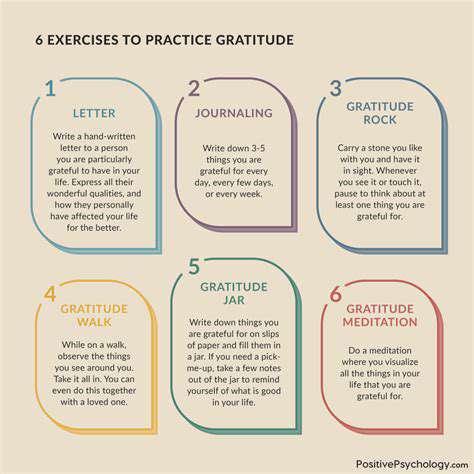
Incorporating gratitude practices into daily interactions can simplify the process of relationship building. One effective method is to maintain a gratitude journal, where individuals can note down acts of kindness they’ve received and expressed. This not only fosters a mindset of recognition but also establishes a habit of regularly appreciating others.
Moreover, initiating gratitude rituals—like sharing what you are grateful for during family dinners—can strengthen family ties. Engaging in these practices offers a structured way to celebrate relationships, leading to a supportive environment where everyone feels valued.
The Science Behind Gratitude and Its Social Benefits
The science surrounding gratitude is backed by numerous studies. For example, research published in the journal Social Psychological and Personality Science found that individuals who regularly practice gratitude experience improved relationships, psychological health and even physical well-being. The act of expressing thanks triggers endorphin release, leading to enhanced mood and increased optimism.
Additionally, gratitude can facilitate better communication. When individuals feel appreciated, they are more likely to express their thoughts and emotions openly. This practice not only avoids misunderstandings but also helps individuals navigate conflicts more effectively. By prioritizing gratitude, we strengthen our support systems and promote healthier interactions.
Building Trust Through Acknowledgment
Understanding the Importance of Acknowledgment
Acknowledgment serves as the foundation of trust in relationships, both personal and professional. It is a key factor that fosters a sense of belonging and appreciation. According to Dr. Emma Seppälä, a leading researcher in social and emotional learning, acknowledgment can significantly enhance interpersonal connections. This act of recognizing someone’s efforts not only validates their contributions but also promotes a supportive environment.
Research from the Greater Good Science Center at UC Berkeley highlights that acknowledgment can even lead to improved mental health outcomes. When individuals feel valued, their stress levels decrease, leading to increased morale and productivity both at work and in personal circles. This underlines the profound impact acknowledgment can have on one's overall quality of life.
Mechanisms of Trust Development
Building trust through acknowledgment often follows specific psychological mechanisms. When a person feels recognized, it triggers emotional responses that cultivate trust. This process is closely tied to the chemical oxytocin, often referred to as the trust hormone. As documented in multiple studies, increased oxytocin levels encourage feelings of safety and security, which are vital for strong relationships.
Strategies for Effective Acknowledgment
To effectively acknowledge others within your support system, consider employing a few simple yet impactful strategies. First, be specific about what you are acknowledging. Instead of a general good job, say, I appreciate how you handled that client meeting with such professionalism. This adds depth and ensures they understand exactly what they are being acknowledged for.
Additionally, make acknowledgment a regular practice. Consistency fosters trust, so find moments during meetings, check-ins, or even casual conversations to express gratitude. This goes a long way in reinforcing bonds and establishing a culture of mutual respect.
The Impact on Team Dynamics
Acknowledgment can dramatically influence team dynamics. When team members feel appreciated, they are more likely to engage openly, share ideas, and collaborate effectively. A survey conducted by TinyPulse showed that organizations fostering a culture of recognition have teams that are 14% more productive than those that do not. The positive correlation between acknowledgment and team performance cannot be overlooked.
Addressing Potential Challenges
While acknowledgment is vital, there can be challenges in implementing it effectively. Some individuals may feel uncomfortable receiving recognition, fearing it draws unwanted attention. It is essential to be sensitive to these preferences, pivoting towards more private acknowledgment when necessary. For instance, written notes or one-on-one conversations might resonate better.
Another challenge is ensuring that acknowledgment is perceived as genuine rather than obligatory. Frequent or scripted praise can diminish its value. Therefore, being thoughtful and sincere in your acknowledgment practices is crucial to maintaining trust.
Long-Term Benefits of Acknowledgment
In the long run, the benefits of building trust through acknowledgment extend beyond immediate relationships and can significantly enhance overall well-being. Individuals who frequently engage in acknowledgment report higher levels of life satisfaction and happiness. This aligns with findings from the Journal of Happiness Studies, which suggest that gratitude practices, including acknowledgment, contribute to sustaining positive mental health.
Ultimately, fostering a culture of acknowledgment can lead to an enriched support system, positively impacting both personal and professional spheres. Striving to be more mindful about recognizing the efforts of others can create ripple effects, enhancing the quality of interactions within any community.
Encouraging a Culture of Support

Understanding the Importance of Support
Support systems play a crucial role in anyone's life, providing not just emotional backing but also practical help during challenging times. Research highlights that individuals with robust Support Systems Are more resilient and better equipped to deal with stress. The presence of support can mitigate feelings of loneliness and enhance overall mental health, providing a buffer against psychological distress.
A key aspect of a support system is its diverse composition. Friends, family, colleagues, and even community members can all contribute unique perspectives and resources that collectively enrich individuals’ experiences and coping strategies.
Building a Supportive Environment
Creating an environment conducive to support requires intentional effort. Organizations, for instance, should implement policies that promote teamwork and open communication. Encouraging collaboration among employees not only enhances productivity but fosters a sense of belonging and shared purpose. This framework allows individuals to feel more comfortable seeking assistance when necessary.
Effective communication skills are paramount in fostering this environment. Listening and acknowledging others’ concerns can transform mere acquaintances into reliable support networks.
Additionally, leaders and managers who model supportive behaviors—such as offering help and validating employee contributions—set a precedent that can permeate the entire organization, enhancing communal ties and trust.
Practicing Gratitude Within Support Systems
- Gratitude reinforces social bonds and enhances feelings of connectivity.
- Regular expressions of thanks can improve interpersonal relationships.
- Implementing gratitude practices can lead to increased overall well-being.
Gratitude is a powerful tool in enhancing and maintaining support systems. When individuals express thankfulness toward others, it strengthens relationships and reinforces positive behaviors. Practicing gratitude, whether through simple thank-you notes or regular expressions of appreciation, can significantly uplift the morale of a support network. Studies indicate that gratitude can transform passive relationships into active supportive ones, creating an environment where individuals feel valued and heard.
Encouraging Open Communication
Open lines of communication form the backbone of any effective support system. It is essential to cultivate an atmosphere where individuals feel free to share their thoughts and concerns without fear of judgment. Regular check-ins or informal gatherings can encourage these dialogues and help individuals articulate their needs effectively or offer support to others.
Furthermore, fostering transparency through sharing both successes and challenges contributes to a strong culture of support. When team members know each other’s struggles, they are better positioned to offer help, enhancing mutual understanding.
Generating Community Support Initiatives
Beyond personal networks, fostering a culture of support can extend to community initiatives. This can involve organizing events that encourage social interaction, educational workshops, or health and wellness programs. Community support not only bridges gaps between individuals but also creates a cohesive culture that enhances collective growth.
By collaborating with local organizations and experts, communities can expand their support frameworks while also addressing broader societal issues. Such initiatives often draw on the strengths of diverse community members, harnessing collective wisdom to develop robust support systems.
The Role of Technology in Support Systems
In today's digital age, technology plays a pivotal role in sustaining support systems. Online platforms can facilitate quicker communication, providing instant access to support groups or mental health resources. Apps designed for fostering community engagement or tracking mental wellness are particularly beneficial for those needing immediate help.
However, it's essential to ensure that technology complements rather than replaces face-to-face interaction. Maintaining a balance between digital and in-person support helps reinforce the authenticity of relationships while maximizing the benefits of technological advancements.
Measuring the Impact of Support Systems
The effectiveness of a support system can be gauged through various metrics, including satisfaction surveys, mental health assessments, and overall community engagement rates. Understanding these parameters allows organizations and individuals to refine their support structures continually.
Regular feedback from participants provides insights into what works and what doesn’t, enabling adjustments that can enhance efficacy. Evaluating the impact of support systems should be a dynamic process, ensuring they evolve to meet changing needs and challenges.
Gratitude as a Tool for Emotional Resilience
The Science Behind Gratitude and Resilience
Research indicates that practicing gratitude can significantly enhance emotional resilience. A study published in the journal *Psychological Science* found that individuals who regularly express gratitude experience lower levels of stress and anxiety. Moreover, these individuals are better equipped to handle life's challenges, as gratitude fosters a positive outlook and encourages adaptive coping strategies.
Incorporating gratitude into daily life can activate brain regions associated with reward and pleasure. Neuroscientific studies show that expressing gratitude stimulates the release of neurotransmitters such as dopamine and serotonin, which enhance overall mood. This biological response reinforces the notion that gratitude is not merely a feel-good practice; it is a powerful tool that fosters emotional health.
The Role of Gratitude in Social Connections
Gratitude has a unique ability to strengthen social bonds. When we express appreciation for others, we reinforce social ties, which can lead to increased social support. According to research from the University of Pennsylvania, individuals who practice gratitude regularly report having more friends and stronger connections with their peers. Social ties are vital for emotional resilience, providing a support network during difficult times.
Furthermore, recognizing the contributions of others can create a positive feedback loop. When you express gratitude, it often encourages reciprocation, deepening relationships and fostering a sense of community. The simple act of saying thank you can go a long way in building rapport and trust among friends and family.
Practical Strategies for Cultivating Gratitude
Integrating gratitude into your daily routine does not have to be complicated. One effective method is to maintain a gratitude journal where you jot down three things you are thankful for each day. Research, including findings from the *Journal of Happiness Studies*, supports this practice, linking it to improved emotional well-being and increased resilience.
Additionally, consider expressing gratitude verbally. Whether it's through phone calls, texts, or face-to-face interactions, taking a moment to acknowledge someone's efforts can strengthen both your relationship and their motivation. Creating rituals around gratitude, like sharing thankful thoughts at family meals, can also be beneficial.
The Impact of Gratitude on Mental Health
Numerous studies have shown that gratitude can effectively combat mental health issues such as depression and anxiety. A noteworthy study published in the *Journal of Clinical Psychology* found that individuals who engage in regular gratitude exercises report significantly fewer symptoms of depression. These findings underscore gratitude's role as a protective factor in mental health.
Moreover, gratitude promotes resilience by encouraging individuals to focus on what they have rather than what they lack. This shift in mindset can be particularly beneficial for those struggling with negative thought patterns, providing a framework for cognitive reframing and enhancing emotional stability.
Gratitude in Professional Settings
Practicing gratitude in the workplace can also foster a supportive environment. Research conducted by the Greater Good Science Center indicates that expressing appreciation among colleagues boosts employee morale and engagement. Organizations that prioritize gratitude often see higher productivity levels and reduced turnover rates, making it a win-win for both employees and employers.
Moreover, implementing gratitude practices at work can lead to improved team dynamics. When team members recognize each other's contributions, it creates a culture of support and collaboration. Regular expressions of gratitude can build trust and open communication, which are crucial elements for a healthy workplace.
Building a Gratitude Habit
Creating a habit of gratitude takes time and commitment, but the benefits are well worth the effort. Start small by incorporating daily practices that encourage gratitude, such as morning reflections or evening gratitude meditations. Research supports that even these minor shifts can lead to significant improvements in emotional well-being over time.
Consider sharing your gratitude journey with others. By discussing the impact of gratitude on your life with friends or family, you not only reinforce your own practice but also inspire those around you to explore the Benefits of Gratitude. This communal approach can further enhance your emotional resilience as you build a shared support system founded on appreciation.
The Transformative Power of Gratitude
Ultimately, gratitude is more than a simple expression of thanks; it is a transformative practice that can change the way we relate to ourselves and others. Engaging with gratitude allows us to acknowledge the positive aspects of our lives, reducing feelings of entitlement and increasing life satisfaction. As research shows, this transformative power is essential for building emotional resilience.
Moreover, embracing gratitude actively shapes our interactions and perspectives. By recognizing and appreciating the kindnesses we receive, we cultivate not just our emotional fortitude, but we also contribute to a more compassionate and supportive community. This cycle of positive reinforcement helps sustain resilience and deepens our connections with others.
Practical Ways to Cultivate Gratitude

Understanding the Benefits of Gratitude
Gratitude has been shown to have a multitude of benefits that extend beyond mere happiness. According to a study published in *Psychological Science*, individuals who practice gratitude experience better physical health, sleep quality, and emotional well-being. This implies that gratitude not only enriches our interpersonal relationships but also contributes positively to our mental and physical health.
Moreover, gratitude can enhance resilience and coping strategies. People who regularly acknowledge their blessings report higher levels of optimism and hope. This mental shift allows them to tackle challenges with a more positive mindset, fostering a supportive community where individuals uplift each other.
Daily Practices to Foster Gratitude
- Start a gratitude journal.
- Set reminders for gratitude reflection.
- Engage in meaningful conversations focused on appreciation.
A simple yet effective practice is to keep a gratitude journal. By writing down three things you are thankful for each day, you can actively shift your focus from negatives to positives. This doesn't have to be elaborate—just a sentence or two will do. The key is consistency and making this reflection a daily habit.
Incorporating Gratitude into Social Interactions
In social settings, expressing gratitude can significantly strengthen bonds between individuals. When you take the time to thank someone, it not only makes them feel valued but also reinforces your own sense of community and connection. For example, sending a quick message to acknowledge a friend’s support can have lasting positive effects on your relationship.
Moreover, sharing positive experiences related to gratitude can inspire others to adopt similar practices, creating a ripple effect. Encourage friends or colleagues to share what they appreciate and make it a group activity. This turns individual gratitude into a collective experience, enhancing the overall support network.
The Role of Gratitude in Professional Settings
In the workplace, gratitude is a powerful tool for building teamwork and employee morale. Recognizing the hard work of colleagues can lead to a more engaged workforce. According to a survey by *Gallup*, companies that foster a culture of appreciation see a 20% increase in productivity. This shows that gratitude is not just a personal practice; it can also yield tangible benefits in a professional environment.
Furthermore, expressing gratitude in the workplace can improve retention rates. Employees who feel valued are more likely to stay with a company, reducing turnover costs and fostering a stable work environment. Making gratitude part of the company culture can lead to long-term success.
Research on Gratitude and Support Systems
Many studies have investigated the relationship between gratitude and social support. A significant finding from research published in the *Journal of Personality and Social Psychology* reveals that individuals who regularly express gratitude are more likely to receive social support in return. This reciprocity strengthens social networks and enhances resilience during challenging times.
Another facet of gratitude is its role in conflict resolution. When individuals express appreciation, it can help de-escalate tense situations. By focusing on the positives, you create a pathway to more constructive communication. In this manner, gratitude acts as a bridge, connecting individuals and fostering a supportive environment.
Read more about How Social Gratitude Strengthens Your Support System








Hot Recommendations
-
*Daily Gratitude Affirmations for a Healthier Life
-
*Daily Gratitude for Caregivers: Managing Health and Stress
-
*How to Breathe While Running for Maximum Endurance
-
*Breathing Techniques to Improve Your Running Endurance
-
*Gluten Free Meal Ideas for Weight Loss and Energy
-
*Why Dehydration Might Be Causing Your Back Pain
-
*Healthy Salad Ideas That Are Actually Filling
-
*The Benefits of Gratitude for Chronic Fatigue Syndrome
-
*Lower Back Strengthening for Seniors: Safe and Effective
-
*How Gratitude Can Improve Your Personal Relationships