Healthy Fish and Seafood Recipes for Weight Loss
Quinoa is often hailed as a superfood due to its impressive nutrient profile. Loaded with essential amino acids, fiber, and minerals, quinoa complements grilled salmon beautifully. One cup of cooked quinoa provides about 8 grams of protein and offers a complete source of fibers that aid in digestion. Moreover, being gluten-free, it's suitable for a variety of dietary restrictions, making it a versatile option for any meal plan.
To elevate your quinoa salad, consider adding an array of colorful vegetables such as bell peppers, cucumbers, and cherry tomatoes. These not only enhance the visual appeal but also increase the antioxidant properties of your meal. The incorporation of fresh herbs like parsley or cilantro can also boost flavors without adding extra calories.
Preparing the Dish: A Step-by-Step Guide
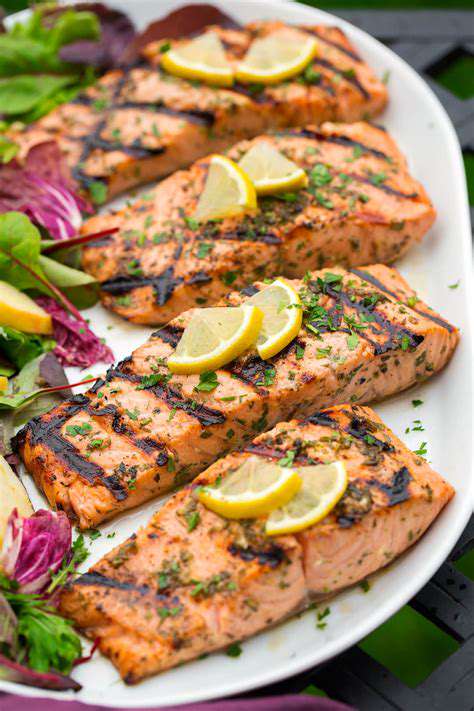
The preparation of grilled salmon with quinoa salad can be straightforward when following a structured approach. Start by marinating the salmon with a mix of lemon juice, olive oil, garlic, and your choice of herbs. Let it sit for at least 30 minutes to enhance the flavor. Meanwhile, rinse the quinoa thoroughly, then cook it in water or broth until it becomes fluffy and tender, which usually takes about 15 minutes.
Grilling the salmon should take about 6-8 minutes per side, depending on the thickness. Aim for an internal temperature of 145°F (63°C) to achieve optimal doneness. Once everything is prepared, mix the cooked quinoa with diced vegetables and the grilled salmon on top. Drizzle with a light vinaigrette to tie the flavors together.
Tips for Weight Loss Success
Adopting healthier meal options like grilled salmon with quinoa salad can significantly impact weight management. It's advantageous to plan meals ahead, ensuring you have healthy options readily available. Incorporating a variety of textures and flavors is key to keeping meals interesting and satisfying without overindulging. This dish’s balance of fats, proteins, and carbs ensures you stay nourished yet feel lighter.
Additionally, pairing meals with adequate hydration is crucial. Drink plenty of water throughout the day to stay hydrated and help regulate hunger cues. Experiment with different herbs and spices to find what excites your palate, helping to avoid the monotony that often leads to cravings. Set realistic goals and celebrate small victories to maintain motivation on your weight loss journey while enjoying delicious meals.
2. Spicy Shrimp Tacos with Cabbage Slaw
Ingredients Needed for Spicy Shrimp Tacos
To create these zesty and health-focused shrimp tacos, you will need fresh shrimp, preferably wild-caught. Wild shrimp are not only more flavorful but also contain more nutrients than their farmed counterparts. Aim for about 1 pound for the perfect serving size.
Your shrimp will need a marinade for that spicy kick. A mix of lime juice, cumin, chili powder, and garlic creates an irresistible blend. For added crunch and nutrition, gather cabbage, which is packed with fiber. Don’t forget to include fresh cilantro, sliced jalapeños, and whole wheat tortillas to wrap everything up nicely.
Health Benefits of Shrimp
Shrimp is a powerhouse of essential nutrients. It is low in calories yet rich in protein, making it an ideal food for weight loss. According to the USDA, a 3-ounce serving of shrimp provides about 84 calories and 18 grams of protein, which is quite impressive for a seafood option.
Moreover, shrimp contains omega-3 fatty acids, known for their heart health benefits. Studies have shown that these nutrients can lower triglyceride levels and reduce the risk of heart disease. Including shrimp in your diet helps you reach your protein goals while enjoying a scrumptious meal.
Preparing the Cabbage Slaw
The cabbage slaw is the perfect complement to the spicy shrimp. Start by finely shredding green cabbage and mixing it with a handful of shredded carrots for color and sweetness. Toss in a few tablespoons of apple cider vinegar for acidity, balancing the spicy elements of the shrimp.
For added flavor, consider adding some chopped green onions and a sprinkle of sesame seeds. This slaw not only adds texture, but it also boosts the nutritional profile of your meal with vitamins A and C. Combine all ingredients and let them sit for a few minutes to blend the flavors effectively.
Cooking the Shrimp Perfectly
When cooking shrimp, timing is crucial. Start by heating a skillet over medium-high heat and add a dash of olive oil. Once the oil is hot, add your marinated shrimp in a single layer, being careful not to overcrowd the pan. Cook for about 2-3 minutes on each side until they turn pink and opaque.
To enhance flavor, you can add a splash of lime juice right before serving. This not only brightens the dish but also complements the spicy marinade beautifully. Remember, overcooking shrimp can lead to a tough texture, so keep an eye on them!
Assembly of the Tacos
Assembling these Spicy Shrimp Tacos is straightforward yet rewarding. Begin by warming the whole wheat tortillas on a hot, dry skillet for about 30 seconds on each side. This step helps to improve their pliability and flavor.
Next, layer the cooked shrimp over the tortillas and generously top with the cabbage slaw. For an extra punch, add fresh slices of avocado or a dollop of Greek yogurt, which can add creaminess and additional nutrients. Serving with lime wedges will elevate the dish, allowing each guest to customize their flavor profile.
Pairing the Tacos with Sides
While these shrimp tacos are delicious on their own, pairing them with the right sides can enhance your meal. Quinoa or a simple salad made from mixed greens can provide additional nutrients and fiber without adding excessive calories. A refreshing cucumber salad can act as a palate cleanser, highlighting the spices in the tacos.
For those looking for a low-calorie beverage option, consider sparkling water with a squeeze of lemon or lime. This not only keeps your meal light but also adds a refreshing twist, making it a perfect accompaniment.
Suggestions and Variations
If you’re looking to switch things up or cater to different palates, there are many variations for these spicy shrimp tacos. For a milder flavor, try using tequila-lime marinated shrimp instead of a spicy blend. Alternatively, grilling the shrimp can add a delightful smoky flavor without increasing calories.
For a vegetarian option, consider substituting the shrimp with grilled portobello mushrooms or jackfruit, which can absorb flavors well and provide a satisfying texture. Make these variations your own, and enjoy experimenting with the spices and toppings to find your perfect match!
3. Baked Cod with Lemon and Herbs

Benefits of Cod as a Healthy Choice
Cod is often celebrated for its Lean Protein Content and low-calorie profile. In fact, a 3-ounce serving of baked cod typically contains around 90 calories. This makes it an excellent meat alternative for those looking to lose weight while still enjoying wholesome, nutritious meals.
- Rich in omega-3 fatty acids, promoting heart health.
- Contains essential vitamins and minerals, such as vitamin B12 and selenium.
- Low mercury levels compared to other fish, making it safer for frequent consumption.
Additionally, cod's mild flavor makes it versatile for various dishes. Its adaptability means it can easily absorb flavors from herbs and spices, enhancing its appeal to those who might be wary of fish.
Preparing Baked Cod: Recipe and Tips
To prepare a delicious and Healthy Baked Cod dish, preheat your oven to 400°F (200°C). Season cod fillets with olive oil, lemon juice, and a sprinkle of your favorite herbs, such as parsley or dill. Ensure each fillet is coated evenly to maximize flavor. Baking them for about 12-15 minutes will keep them moist and flavorful. An instant-read thermometer can help; the fish is done when it reaches an internal temperature of 145°F (63°C).
It’s worthwhile to experiment with side dishes as well. Pairing baked cod with steamed vegetables or a fresh salad enriches the meal's nutritional value. Consider also adding a whole grain like quinoa for added fiber and sustained energy, ensuring a well-rounded dinner.
4. Tuna Salad Lettuce Wraps
Ingredients and Nutritional Benefits
Tuna salad lettuce wraps are not only quick to prepare but also packed with nutrients. Key ingredients typically include canned tuna, Greek yogurt, celery, and various spices. Tuna is rich in omega-3 fatty acids, which are beneficial for heart health and may reduce the risk of various chronic diseases.
In addition, the use of Greek yogurt instead of mayonnaise significantly reduces the calorie content while providing a good dose of protein and probiotics. This combination makes the wraps High in protein and fiber, key components for satiating hunger and supporting weight loss.
Preparation Steps
To prepare tuna salad lettuce wraps, start by draining a can of tuna and placing it in a mixing bowl. Add Greek yogurt, diced celery, and your choice of spices—dill, garlic powder, or black pepper work well. Blend these ingredients until combined, ensuring a creamy consistency without being overly wet.
Next, wash and dry large lettuce leaves—romaine or butter lettuce are ideal options for their sturdiness and flavor. Spoon the tuna mixture into each leaf, folding it like a taco for easy handling.
Serving Suggestions
These tuna salad lettuce wraps can be served as a main dish or a healthy snack. Pair them with a side of sliced vegetables or a light soup to create a balanced meal. To elevate the flavor, add avocado slices or cherry tomatoes. These additions not only enhance the dish but also bring additional nutritional benefits.
If you're prepping for a week, consider storing the tuna mixture in an airtight container and assemble the wraps just before eating. This keeps the lettuce crisp and fresh, while the tuna salad stays flavorful for up to three days in the refrigerator.
Customization Options
One of the best things about tuna salad is its versatility. You can easily customize the recipe to suit various taste preferences or dietary restrictions. For a spicier kick, consider adding diced jalapeños or a dash of hot sauce. Alternatively, for a hint of sweetness, mix in diced apples or grapes.
For those avoiding animal products, chickpeas can be substituted for tuna to create a plant-based option that still provides a good source of protein and satisfies your taste buds. The key is to play around with the ingredients until you find your perfect combination.
Conclusion and Health Considerations
In conclusion, tuna salad lettuce wraps are a nutritious, low-calorie meal option that fits well into a weight loss regimen. The combination of protein and fiber makes them satisfying without being overly indulgent. However, it’s important to watch out for the sodium content in canned tuna; opting for low-sodium versions can help in maintaining heart health.
Incorporating these wraps into your meal plan provides a creative way to enjoy seafood while reaping its health benefits. Always strive for balance and variety in your diet to ensure you’re meeting your nutritional needs effectively.
5. Mediterranean Grilled Octopus

Flavor Profile and Nutritional Benefits
Grilled octopus is not only a treat for the palate but also packs a nutritional punch. This seafood is high in protein, low in calories, and rich in essential nutrients. A typical serving of octopus contains around 139 calories, 30 grams of protein, and minimal fat, making it an excellent choice for a weight loss regimen. This dish is also rich in vitamins such as B12, iodine, and selenium.
Moreover, octopus is a source of omega-3 fatty acids, which are essential for heart health. Recent dietary guidelines emphasize the importance of including fish and seafood in our diets to promote cardiovascular function and reduce inflammation. Given these factors, grilled octopus not only satisfies taste buds but also supports overall health.
Preparation Tips for Perfectly Grilled Octopus
- Choose fresh octopus that has a bright color and a firm texture.
- Marinate for at least one hour to maximize flavors.
- Grill over medium heat to ensure a tender outcome.
When preparing grilled octopus, the right technique is critical to achieving the desired texture and flavor. First, it’s essential to tenderize the octopus by boiling it prior to grilling. This step will ensure that the meat becomes tender rather than chewy. A popular method is to simmer the octopus in water with aromatics for about 40-60 minutes before grilling.
After boiling, marinating the octopus adds depth to its flavor. A mixture of olive oil, lemon juice, garlic, and herbs such as oregano works beautifully. Allow it to marinate for at least one hour, as this aids in flavor absorption. Lastly, grill the octopus over moderate heat for 3-4 minutes on each side, just until it gets that lovely char.
Read more about Healthy Fish and Seafood Recipes for Weight Loss