Mindfulness
Health
Gratitude
Healthy Eating
Nutrition
Wellness

How Mindful Eating and Gratitude Go Hand in Hand

the more you practice gratitude, the more present you become during meals, and the more mindful you are, the greater your appreciation for food. This synergy can help reduce unhealthy eating patterns and foster a healthier lifestyle.

The Benefits of Practicing Mindful Eating and Gratitude Together

Combining mindful eating with gratitude can lead to numerous physical and emotional benefits. For instance, studies show that mindful eating can improve digestion and increase metabolism, while gratitude practices can reduce stress and anxiety. Together, these approaches may create a balanced approach to eating and wellness.

Practical Steps to Enhance Your Mindful Eating Experience

One effective way to integrate mindful eating into your routine is to set aside specific times for each meal, free of distractions. This means no phones, televisions, or multitasking. Focus solely on the act of eating. Taking a moment of gratitude before your meal, such as a short reflection or saying thank you, can enhance this experience further.

Personal Reflections on Mindful Eating and Gratitude

In my experience, transitioning to mindful eating has been transformative. I've found that practicing gratitude complements this change, making meals feel more rewarding. The simple act of pausing to appreciate the food has shifted my perspective, allowing me to enjoy smaller portions without feeling deprived.

Research Insights on Mindful Eating and Gratitude

Numerous studies underscore the importance of both practices. For example, research from the University of California suggests that mindful eating can significantly reduce food cravings. Similarly, a survey from the Greater Good Science Center reveals that gratitude practices correlate with improvements in emotional health. The integration of these concepts can lead to a more satisfying and health-driven lifestyle.

The Role of Gratitude in Eating

TheRoleofGratitudeinEating

Understanding Gratitude in the Context of Eating

Gratitude, when applied to eating, involves recognizing and appreciating the sources of our food. This can include acknowledging the farmers, the soil, and the water that produce our meals. Research indicates that expressing gratitude can enhance our overall satisfaction with life, which naturally extends to how we perceive our meals.

Incorporating gratitude into eating practices is more than just a thought; it can profoundly impact our relationship with food. By acknowledging where our food comes from, we cultivate a deeper connection to it, making each meal more meaningful.

Scientific Insights on Gratitude and Eating

Several studies have shown that practicing gratitude can lead to healthier eating habits. For instance, a study published in the journal Appetite found that individuals who regularly expressed gratitude tended to make more nutritious food choices. This suggests that gratitude can be a tool for improving dietary habits.

The interplay between gratitude and mindful eating is particularly noteworthy. When individuals are grateful for their meals, they are more likely to consume them mindfully, taking time to savor flavors and nutrients. This mindfulness can result in better digestion and improved satiety signals.

The Role of Mindfulness in Enhancing Gratitude

Mindfulness acts as a bridge between gratitude and eating. Mindfulness involves being fully present and aware of the moment, which can enhance the experience of eating. When we eat mindfully, we’re not just consuming food; we’re engaging with it, which creates an opportunity to express gratitude.

  • Mindful eating encourages awareness of taste, texture, and aroma.
  • This awareness fosters appreciation for the meal.
  • Greater appreciation can lead to healthier food choices.

Practical Ways to Incorporate Gratitude in Eating

Implementing gratitude in your eating routine can be straightforward. Start by taking a moment before meals to reflect on what you are about to eat. You might consider jotting down what you are grateful for regarding the food on your plate.

Another approach could involve sharing a moment of gratitude with those you are eating with. This could be as simple as sharing thanks for the meal or discussing the origins of your food. Engaging in these practices enhances the overall dining experience and deepens connections with others.

Potential Benefits of Grateful Eating

Practicing gratitude during meals can lead to various benefits, both psychological and physiological. Individuals who make it a habit to express thanks before meals often report feeling more fulfilled and satisfied. This emotional uplift can contrast sharply with the stress and hurried pace often associated with eating in modern life.

Furthermore, research has shown that grateful eaters tend to have better health outcomes, including improved digestion. They’re also less prone to emotional eating, which is particularly beneficial in today's fast-paced world.

Challenges in Practicing Gratitude While Eating

Despite its many benefits, practicing gratitude while eating can be challenging. Many people find themselves eating on the go, making it difficult to savor meals. This can lead to mindless eating, where the focus is solely on consumption rather than appreciation.

To overcome these challenges, consider setting aside dedicated meal times where you can enjoy your food without distractions. Creating a peaceful eating environment can significantly support your efforts to cultivate gratitude in your meals.

Integrating Mindful Eating with Gratitude

IntegratingMindfulEatingwithGratitude

Understanding Mindful Eating

Mindful eating is a practice that encourages individuals to focus on the experience of eating without distractions. This approach allows eaters to tune into their body's hunger signals and cravings. Research indicates that practicing mindful eating can lead to healthier food choices and improved digestion. It promotes awareness of the sensory experience and the flavors of food, which can enhance satisfaction and help prevent overeating.

This technique often involves slowing down during meals and being fully present. It allows individuals to appreciate the food they consume, leading to a more enjoyable experience. Studies have shown that slow eaters tend to weigh less than those who eat quickly, which suggests that mindful eating has tangible benefits for weight management.

The Role of Gratitude in Eating

Incorporating gratitude into eating habits can significantly enhance one's overall dining experience. Expressing thankfulness for food not only fosters a positive mindset but can also improve one's relationship with food. Gratitude is linked to higher levels of life satisfaction, which can translate to healthier choices during meals. When you appreciate the food on your plate, you may be less likely to indulge in unhealthy snacks.

  • Gratitude can enhance one's awareness of food sources.
  • Recognizing the effort that goes into food production increases appreciation.
  • Thankfulness can diminish guilt associated with eating certain foods.

Combining Mindfulness and Gratitude

Integrating mindfulness and gratitude creates a holistic approach to eating that encourages a deeper connection with food. Practicing both can improve mental health and foster a sense of well-being. Individuals can benefit from dedicated moments of reflection before meals, considering what they are thankful for and how their food nourishes their bodies.

Research shows that those who regularly practice gratitude exhibit reduced emotional distress. By combining this with mindful eating, individuals have a dual mechanism to combat issues like binge eating and emotional eating. Taking a moment to reflect on the positive aspects of food may also empower people to make more health-focused choices, reinforcing both psychological and physical health.

This combined approach can lead to sustainable habits that benefit long-term health. For example, individuals who consciously enjoy their meals while expressing gratitude often report feeling more satisfied and less likely to overindulge.

Strategies for Practicing Mindful Eating with Gratitude

To effectively combine mindful eating and gratitude, individuals can adopt several practical strategies. One straightforward method is to start each meal with a moment of silence, reflecting on the food's origins and expressing thanks for how it nourishes the body.

Another approach is to keep a gratitude journal focused on food. Documenting what you are grateful for in your meals can help reinforce positive associations with food. Additionally, consider creating a designated gratitude mantra to repeat during meals, reinforcing the connection between mindfulness and appreciation.

  • Practice deep breathing before meals to center your thoughts.
  • Visualize the journey of your food from farm to table to foster appreciation.
  • Involve family or friends in expressing gratitude together to enhance the experience.

Combining these practices can turn eating into a meaningful ritual rather than a mindless habit. Incorporating gratitude into the mindful eating framework can ultimately cultivate healthier eating behaviors and improve overall life satisfaction.

Benefits of the Mindful Eating and Gratitude Combination

Enhanced Awareness of Food Choices

Mindful eating fosters a heightened awareness of food choices, encouraging individuals to think critically about what they consume. This mindfulness prompts careful consideration of the nutritional value of foods, rather than choosing products based solely on convenience or impulse. Research indicates that those who practice mindful eating often select healthier foods, reducing their intake of sugars and unhealthy fats.

Studies suggest that individuals who engage in this practice can lower their risk of obesity and other health issues. For instance, a study published in the “Journal of the Academy of Nutrition and Dietetics” showed that participants who practiced mindful eating gained a deeper understanding of their hunger cues and emotional triggers related to food. This awareness can lead to long-term behavioral changes that promote better health and well-being.

Promotion of Positive Eating Habits

The combination of mindful eating and gratitude significantly promotes Positive eating habits. When individuals express gratitude for their meals, they tend to savor their food more and eat at a slower pace. This slower consumption allows for better digestion and enjoyment of flavors, which can improve overall satisfaction with meals. A University of California study found that individuals who practiced gratitude while eating reported feeling fuller and more content after meals.

Moreover, adopting this practice shifts focus from mindless snacking to more intentional eating. By appreciating each bite, people are less likely to engage in unhealthy eating patterns, such as binge eating or frequent snacking on processed foods. Integrating gratitude into meals empowers individuals to take control of their eating habits in a way that positively influences their lifestyle and health.

Additionally, it is recommended to take a moment before eating to reflect on the journey of the meal—from its origins to the preparation—and acknowledge the effort involved. This consciousness can further enhance one's enjoyment and commitment to healthy eating.

Improved Mental Health Outcomes

The synergy of mindful eating and gratitude extends beyond physical health, positively impacting mental well-being. Mindfulness practices have been heavily researched, with many studies showcasing their ability to reduce anxiety and stress. For instance, a meta-analysis in “Psychological Bulletin” highlighted that engaging in mindfulness can lead to significant reductions in symptoms of depression and anxiety.

Incorporating gratitude into this framework can further amplify these benefits. When individuals practice gratitude, they shift their focus from negative thoughts to a more positive mindset. This shift can enhance their relationship with food, diminishing feelings of guilt or shame that often accompany eating. A notable study published in “The Journal of Positive Psychology” showed that participants who expressed gratitude reported higher levels of life satisfaction and improved coping strategies in stressful situations.

Creating a Mindful and Grateful Eating Routine

Understanding Mindful Eating

Mindful eating is a practice that emphasizes awareness of one's eating habits, focusing on the sensory experience of eating. Studies indicate that this approach not only improves dietary choices but also enhances the overall experience of meals. When individuals concentrate on the taste, texture, and aroma of their food, they become more in tune with their bodily signals, leading to better hunger regulation and satisfaction.

Research has shown that engaging in mindful eating can lead to a decrease in binge eating and emotional eating behaviors. A study published in the journal *Appetite* found that participants who practiced mindful eating consumed fewer calories and were more likely to engage in healthier food choices. This process encourages individuals to pause before eating, assessing their actual hunger levels and cravings, thus fostering a healthier relationship with food.

Incorporating Gratitude into Eating Habits

Gratitude can significantly transform the way we experience food. By taking a moment to appreciate where our meals come from, including the effort of farmers and cooks, we cultivate a deeper connection to our nourishment. This acknowledgment fosters a sense of respect for the food we consume, potentially reducing waste and encouraging more thoughtful purchasing choices.

Implementing a gratitude practice before meals—such as taking a moment to express thanks for the food—can enhance the dining experience. Research from *Journal of Experimental Psychology* supports that gratitude enhances well-being and can lead to healthier eating habits. By fostering thankfulness for nutritious foods, individuals may feel more compelled to choose healthier options, resulting in a continuous cycle of positivity and wellness within their diet.

Read more about How Mindful Eating and Gratitude Go Hand in Hand
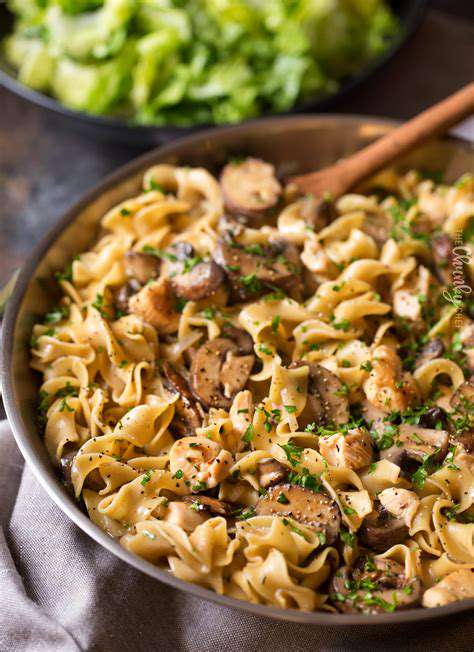
Light OptionsLight desserts like chia seed pudding or baked apples can add a sweet touch to your dinner without compromising your health. Focus on fresh fruits, Greek yogurt, and whole grains to create guilt-free indulgences that support your weight loss goals.---By incorporating these dishes into your meal routine, you can create delicious, nutrition-packed dinners that are satisfying and beneficial for your overall health. Enjoy your journey toward a healthier lifestyle!
Apr 23, 2025
Best Post Workout Nutrition Strategies for Recovery
May 27, 2025
Guide to Understanding Processed Foods and Their Risks
Jul 29, 2025
Best Exercises for People with Anxiety Disorders
Aug 03, 2025
Understanding and Solutions Understanding Poor PosturePoor posture is a common issue that affects many, particularly those in sedentary jobs. Prolonged sitting or standing incorrectly can lead to significant discomfort and chronic lower back pain. Research shows that slouched shoulders and hunched backs place undue stress on spinal structures, reducing lung capacity and straining muscles. It is crucial to be aware of the posture as it not only enhances aesthetic appeal but also boosts overall health and productivity. Importance of ErgonomicsErgonomics plays a vital role in designing workspaces that cater to individual needs. By adjusting furniture and tools to fit how you work, you can significantly reduce the risk of developing lower back pain. For instance, using an ergonomic chair that supports the lumbar curve can make a substantial difference in comfort and efficiency. Moreover, proper monitor placement can alleviate neck strain and promote better posture. Practical Solutions to Improve PostureIncorporating specific solutions like regular stretching, strength training, and visual reminders can improve posture. Standing desks or balance ball chairs can create a more active work environment and foster better spinal alignment. Active Lifestyle and Lower Back PainRegular exercise is fundamental for maintaining optimal health and reducing the risk of lower back pain. The World Health Organization advises adults to engage in at least 150 minutes of moderate-intensity exercise weekly. Activities that strengthen core muscles can lessen strain on the lumbar region, making movement an essential component of back health. Injuries Leading to Lower Back PainCommon injuries leading to lower back pain include muscle strains, ligament sprains, and herniated discs. Understanding these injuries and how they occur can help in preventing them. Safe lifting techniques and maintaining proper body mechanics can significantly reduce injury risk. Weight Management IssuesExcess weight is a contributing factor to chronic lower back pain, exerting pressure on the lower back and altering the body's biomechanics. A balanced diet paired with regular physical activity can help in managing weight and alleviating stress on the spine. Consulting professionals to craft a personalized plan might be necessary for those struggling with pain and weight management. Stress and Emotional FactorsStress has a direct impact on back pain. Muscle tension from stress can exacerbate discomfort, creating a vicious cycle. Addressing emotional factors and incorporating stress management strategies, like mindfulness or therapy, can improve both mental health and physical well-being. Long-Term Strategies for PreventionLong-term management of lower back pain involves a multifaceted approach that includes maintaining an active lifestyle, ergonomic awareness, and emotional health. It is essential to understand the interplay between physical strain and psychological factors, leading to effective prevention and management strategies.By prioritizing posture, ergonomics, and a healthy lifestyle, you can significantly reduce the risk of lower back pain and improve your overall quality of life.
Feb 26, 2026
Separating Facts from Myths for Weight Loss Understanding SuperfoodsSuperfoods, often touted for their exceptional nutritional profiles, include a variety of fruits, vegetables, grains, nuts, and seeds. While there isn't a formal definition for these nutrient-dense foods, examples such as blueberries, kale, and quinoa frequently come to mind. These foods are recognized for their high content of vitamins, minerals, and antioxidants that can significantly contribute to health. It's essential to approach the concept of superfoods with critical thinking, recognizing the difference between their advertised health benefits and actual effects. Superfoods and Weight ManagementResearch suggests that incorporating certain superfoods into your diet may support weight management. Foods high in fiber, such as legumes and whole grains, can promote feelings of fullness, helping reduce overall calorie intake. For instance, studies published in reputable journals show that diets enriched with fiber correlate with lower body weight and fat mass. Additionally, beverages like green tea contain catechins that may increase metabolism, providing additional support for weight loss goals. Incorporating Superfoods Into Your DietIncorporating superfoods into your daily regime doesn't have to be complicated. Start by gradually adding colorful fruits and vegetables to your meals. For example, enhance your morning oatmeal with berries or blend leafy greens into your smoothies. Experimenting with creative recipes such as quinoa salads or vegetable-loaded soups can make these nutritional powerhouses part of your everyday life.Key Strategies for Enjoying Superfoods:- Balance and Variety: Avoid limiting yourself to a handful of superfoods. Instead, ensure you rotate a variety of options to capitalize on different nutrients.- Mix and Match: Combine superfoods with proteins and healthy fats to enhance satiety and maintain energy levels.- Experiment with Recipes: Create unique dishes that highlight the natural flavors of superfoods while offering substantial health benefits. Debunking Weight Loss MythsOne prevailing myth is that consuming superfoods alone can lead to substantial weight loss. However, weight loss fundamentally relies on maintaining a caloric deficit, requiring a balanced approach to diet and exercise. Superfoods should supplement a well-rounded diet rather than serve as a substitute for sound nutrition practices. Key Takeaways- No Magic Solution: Superfoods can complement a healthy lifestyle, but they are not miracle foods.- Hydration Matters: Don't overlook the role of hydration in weight management—drinking enough water is vital.- Consult Professionals: For personalized advice, consult with nutritionists or dietitians to create a tailored eating plan that incorporates superfoods into your lifestyle effectively. The Final WordWhile superfoods like quinoa, kale, and berries can significantly contribute to your nutritional landscape, they should be seen as part of a broader dietary strategy. A holistic approach involving balanced meals, regular physical activity, and mindful eating habits is essential for sustainable weight management. Keep it colorful, varied, and full of life—your plate and your health will thank you!
Feb 27, 2026
Prioritize careful meal planning to ensure nutritional variety. Use meal planning apps to organize your grocery list and streamline the process. 2. Proper Food Storage Techniques: Store prepared meals in glass containers and label them with dates to track freshness. Dividing meals into single-serving sizes can also aid in portion control. Sample Recipes for Healthy Lunch Prep- Mediterranean Quinoa Salad: Quinoa mixed with fresh vegetables provides a protein-rich lunch option, easy to customize.- Grilled Chicken Burrito Bowls: These bowls are nutritious and made with ingredients like brown rice, which aids in digestion and weight management.- Spinach and Feta Stuffed Peppers: A visually appealing meal that's rich in vitamins, making it perfect for lunch.- Chickpea and Avocado Salad: A protein-packed option that balances flavor and nutrition, easy to prepare and enjoy. Staying Motivated During Your Weight Loss JourneySetbacks are a common part of any weight loss journey. Viewing these moments as learning opportunities is essential. Keep a journal of your experiences to help identify triggers. Setting realistic, achievable goals, using the SMART criteria, will keep you motivated and on track.A healthy support network can also make a significant difference in your weight loss journey. Engaging with friends, family, or social media communities for accountability and encouragement can make the process enjoyable and sustainable. ConclusionIncorporating healthy meal prepping habits is a powerful strategy for anyone looking to lose weight. With thoughtful meal planning and preparation, you can not only reach your weight loss goals but maintain a healthier lifestyle in the long run.
Mar 01, 2026
Veggie-Packed Scrambled Eggs, Egg Muffins, and Spicy ShakshukaLooking to spice up your breakfast routine? Discover three nutritious and easy recipes: Veggie-Packed Scrambled Eggs, Egg Muffins, and Spicy Shakshuka. These dishes not only satisfy your hunger but also provide a range of health benefits, making them perfect for anyone seeking quick, tasty, and balanced meals. 1. Veggie-Packed Scrambled EggsStart your day with a protein-rich breakfast by whipping up Veggie-Packed Scrambled Eggs. This dish combines high-quality protein from eggs with a colorful array of vegetables, boosting the nutrient density of your meal. Spinach, bell peppers, and tomatoes not only add vitamins A and C but also contribute fiber for digestive health. Enhance the flavor with fresh herbs and spices like turmeric and black pepper—both known for their anti-inflammatory properties. Cooking Tips:- Whisk thoroughly: Ensure a fluffy texture.- Use low heat: Prevent rubbery eggs and maintain the softness.- Add vegetables at the end: Keep their crunch and vibrant color.Meal prepping? Prepare vegetable mixtures in advance for a quick breakfast in under 10 minutes. 2. Egg Muffins for Meal PreppingEfficiency meets nutrition with Egg Muffins, an ideal breakfast option for on-the-go lifestyles. You can customize these muffins with various vegetables and protein sources, making them a versatile choice. Spinach, bell peppers, and lean meats not only provide essential nutrients but also help keep you satisfied throughout the morning. Meal Prep Advantages:- Make in batches: Prepare a dozen muffins at once to enjoy throughout the week.- Storage tips: Use airtight containers to maintain freshness, and consider freezing for longer storage. Flavor Enhancements:Experiment with herbs, spices, and a sprinkle of cheese to elevate the flavor without adding unnecessary calories. Pair your muffins with fresh fruits or whole-grain toast to round out your morning meal. 3. Spicy ShakshukaSpice up your mornings with a flavorful bowl of Spicy Shakshuka. This vibrant dish features fresh tomatoes, bell peppers, and eggs simmered to perfection. High in protein and antioxidants, Shakshuka can be customized to match your preferred spice level, whether you want a mild dish or an extra fiery kick. Cooking Method:- Sauté onions and garlic for a flavor base, then add tomatoes and create wells for the eggs. Cover and let simmer until the whites are set. Serving Suggestions:Best served straight from the pan, Shakshuka pairs beautifully with crusty bread for savoring the rich sauce and yolks. For added variety, consider topping with feta cheese or incorporating olives for Mediterranean flair. ConclusionWith these three recipes, you can enjoy delicious and satisfying breakfasts that fuel your day. Whether you're prepping for a busy week or indulging in a leisurely morning, Veggie-Packed Scrambled Eggs, Egg Muffins, and Spicy Shakshuka offer flavorful, nutritious options that align with a healthy lifestyle. Try swapping ingredients to maintain variety and keep your meals exciting!
Mar 03, 2026
Wholesome Recipes for a Vibrant and Healthy DietDiscover a world of flavor with our selection of easy, healthy recipes that fit perfectly into busy lifestyles. Whether you're looking for a colorful Veggie Stir-Fry, a Quick Chickpea Salad, Zucchini Noodles with Pesto, an Egg and Spinach Breakfast Wrap, or Shrimp Tacos with Mango Salsa, this page has the delicious options you need to nourish your body without consuming precious time. 1. Colorful Veggie Stir-FryBrighten up your dinner plate with a vibrant mix of bell peppers, broccoli, carrots, and snap peas. This dish is not only a feast for the eyes but also packed with essential nutrients. Learn how to create a flavorful base using quality oils and seasonings while mastering cooking techniques to preserve the crunch of your vegetables. Adding plant-based protein sources like tofu or tempeh makes it a complete meal. 2. Quick Chickpea SaladPerfect for a quick lunch or light dinner, this salad mixes canned chickpeas, fresh tomatoes, cucumbers, and herbs for a nutritious powerhouse. Made in just 10 minutes, it's rich in protein and fiber, helping you feel full and satisfied. The zing of olive oil and lemon dressing ties all the flavors together, creating a harmonious experience. 3. Zucchini Noodles with PestoSatisfy your pasta cravings with zucchini noodles, a low-calorie alternative that doesn't skimp on taste. This recipe for homemade pesto combines fresh basil, garlic, nuts, and parmesan cheese for a nutty and fragrant complement. With easy preparation and cooking tips, you can create a delightful dish that supports healthy living. 4. Egg and Spinach Breakfast WrapStart your day right with a nutritious Egg and Spinach Breakfast Wrap that's ready in just 10 minutes! Use whole wheat wraps for added fiber and load them with sautéed spinach and scrambled eggs. Customize with add-ins like feta or diced tomatoes for an explosion of flavor that fuels your morning. 5. Shrimp Tacos with Mango SalsaBring the fiesta to your table with our Shrimp Tacos topped with a refreshing mango salsa. Both low in calories and high in protein, this dish is quick to make and customizable to suit your taste. Pair with black beans for a complete meal and enjoy the vibrant mix of flavors and textures. Health BenefitsEach recipe emphasizes fresh, whole ingredients that help maintain a balanced diet. Incorporating a variety of vegetables, legumes, and proteins supports overall health and well-being. Moreover, meal prepping tips included for each recipe help you save time during busy weeknights without compromising your nutrition. ConclusionEating healthy doesn’t need to be complicated. With these simple yet delicious recipes, you can whip up meals that are as nourishing as they are satisfying. Embrace the flavors of fresh produce and wholesome ingredients, and elevate your culinary creations today!
Mar 05, 2026
- Salmon: High in protein and omega-3s, perfect for muscle repair and heart health.- Quinoa: Packed with fiber, making it ideal for digestion and weight management. 2. Spicy Shrimp Tacos with Cabbage SlawThese spicy shrimp tacos are a vibrant and zesty option! Fresh wild-caught shrimp marinated in a mix of lime juice and spices, paired with crunchy cabbage slaw, create a delightful explosion of flavors. Perfectly wrapped in whole wheat tortillas, these tacos are both nutritious and incredibly fulfilling. Health Insights:- Shrimp: Low in calories yet high in protein, making it an excellent choice for weight loss.- Cabbage Slaw: Adds fiber and vitamins, enhancing the overall nutritional profile. 3. Baked Cod with Lemon and HerbsExperience the delicate flavors of baked cod, a light and healthy meal choice that’s rich in lean protein and essentials like selenium and omega-3s. With a quick preparation time and versatile pairing options, this dish is ideal for a busy weeknight or a weekend feast. Health Insights:- Cod: Low-calorie with heart-healthy omega-3s, suitable for frequent consumption. 4. Tuna Salad Lettuce WrapsThese tuna salad lettuce wraps are not only quick to prepare but are also loaded with nutrients. Made with canned tuna and Greek yogurt, they offer a protein-packed, low-calorie meal option. Enjoy these wraps as a snack or a main dish, with plenty of customization options to match your taste preferences. Health Insights:- Tuna: Rich in omega-3 fatty acids, supporting heart health and weight loss. 5. Mediterranean Grilled OctopusIndulge in the unique flavors of Mediterranean grilled octopus. This seafood is high in protein and low in calories, making it an excellent addition to any healthy diet. With a few preparation tips, you can create a tender and flavorful dish that is sure to impress. Health Insights:- Octopus: Low in calories and high in protein, packed with essential nutrients for overall health. ConclusionEach of these seafood recipes brings together flavor, health, and simplicity, encouraging you to embrace a balanced diet. With the right ingredients and preparation techniques, enjoying nutritious meals has never been easier. Dive into our collection of seafood recipes today and elevate your meals while nourishing your body!Discover more recipes like these and savor the good taste of health!
Mar 07, 2026
Your Guide to Healthy EatingDining out can be a challenge, especially when trying to maintain a healthy diet. By planning ahead and understanding menu terminology, you can make informed choices that align with your wellness goals. Review Menus Before You GoBefore hitting the restaurant, familiarize yourself with the menu. Recognize terms like grilled versus fried, as these can greatly influence your meal's calorie count. For instance, grilled dishes are generally healthier compared to their fried counterparts. Check for Nutritional InformationMany restaurants provide nutritional information online. This can guide your choices by highlighting calories, fats, and other vital stats, helping you select a meal that fits your dietary needs. Highlight Healthy OptionsPrepare a list of healthy go-to meals, such as salads or grilled proteins. This prevents impulsive choices that might disrupt your diet and ensures you're opting for healthier alternatives. Mind Your PortionsRestaurant portions can be substantial. To avoid overeating, consider sharing dishes or asking for half portions. This strategic approach helps you savor your meal while staying within your calorie goals. Portion Control StrategiesUtilize visual cues to gauge appropriate serving sizes, like comparing your meal to the size of your fist. Reducing portion sizes significantly aids in calorie management. Make Smart Food ChoicesUnderstanding nutritional labels can empower you to make healthier decisions. If a dish appears high in sugars and unhealthy fats, consider alternatives. Always inquire about the nutritional content when in doubt. Mindful Eating TechniquesPracticing mindfulness during meals enhances your dining experience. Slow down, savor each bite, and engage in conversation. This helps you recognize hunger signals and prevents overeating. Choose Healthy BeveragesBeverages can be calorie traps; sugary drinks and alcohol can quickly add up. Opt for water, herbal teas, or flavored sparkling water to keep your calorie intake in check. Hydration and Appetite ControlDrinking water can help manage your appetite. Often, thirst is confused with hunger; consuming water before meals can lead to less eating overall. Conclusion: Prioritize Your Health While Dining OutBy applying these tips, you can enjoy dining out without compromising your health goals. Being proactive about your choices—understanding menu items, controlling portions, and selecting healthier beverages—allows you to indulge while staying on track with your dietary plan. Remember, the choices you make while dining out can significantly impact your weight loss journey. Enjoy your meals, stay mindful, and savor the flavors of healthy eating!
Mar 11, 2026
The Impact of Digital Gratitude Apps on Mental Health
Mar 14, 2026
View Publications>>

Hot Recommendations