Scoliosis
Physical Therapy
Rehabilitation
Back pain
Back Pain

Corrective Exercises for Scoliosis Related Back Pain

Catalog

    Scoliosis is an abnormal curvature of the spine, often noticed in adolescence.

    Symptoms include visible curvature, uneven shoulders, and potential back pain.

    Management strategies range from observation to surgery, depending on severity.

    Corrective exercises effectively address scoliosis-related pain and muscle imbalances.

    Professional assessment helps tailor exercises for individual scoliosis needs.

    Monitoring progress and adapting plans ensures effective scoliosis management.

    Interdisciplinary approaches enhance treatment outcomes by addressing all health aspects.

    Support networks provide encouragement and shared experiences for those with scoliosis.

Understanding Scoliosis and Its Impact on the Spine

UnderstandingScoliosisandItsImpactontheSpine

What is Scoliosis?

Scoliosis is a medical condition characterized by an abnormal curvature of the spine, where the spine curves sideways in an S or C shape. It usually becomes noticeable during childhood or early adolescence but can develop in adulthood as well. This deformity can vary in severity, ranging from mild curvature to more pronounced structural changes that can significantly impact daily life. The cause of scoliosis can often be idiopathic, meaning the origin is unknown, but it can also result from congenital issues or neuromuscular conditions.

According to the Scoliosis Research Society, approximately 2-3% of the population has some form of scoliosis. Understanding the nature of this condition is essential not only for treatment but also for managing symptoms effectively.

  • Scoliosis typically affects more girls than boys.
  • Early detection is crucial for effective management.
  • Conditions may range from mild to severe, impacting function.

Symptoms and Effects of Scoliosis

The symptoms of scoliosis can vary significantly among individuals but often include visible spinal curvature, uneven shoulders, or hips. Patients may also experience discomfort or pain in the back, particularly with prolonged standing or sitting activities. These physical manifestations can lead to psychological stress due to visible deformities and may affect one's self-esteem.

In severe cases, scoliosis can impact respiratory function if the curvature affects the thoracic region. Research indicates that only about 10% of individuals with scoliosis experience severe complications, but this still underscores the importance of monitoring the condition over time.

It's also critical to acknowledge that scoliosis is not just about the spine. Patients often report related musculoskeletal pain and fatigue, further complicating the overall health picture. Regular check-ups are recommended for early identification of potential issues.

Management and Treatment Options

Management strategies for scoliosis depend on the degree of curvature and symptoms present. Common interventions range from observation and physical therapy to bracing and, in severe cases, surgical intervention. Non-surgical approaches often emphasize strengthening and flexibility exercises tailored to each patient's unique symptoms.

Physical therapy is a common and effective way to improve spinal function and mitigate pain associated with scoliosis. Evidence suggests that targeted exercise regimens can enhance muscle support around the spine, potentially improving posture and reducing discomfort. Patients should consult with healthcare providers to develop personalized exercise plans that suit their needs.

  • Observation is typically recommended for mild cases.
  • Physical therapy can significantly improve quality of life.
  • Surgery may be necessary for advanced curvature to prevent complications.

Importance of Corrective Exercises in Managing Pain

Understanding the Role of Corrective Exercises

Corrective exercises play a pivotal role in managing pain associated with scoliosis-related conditions. These exercises are specifically designed to target muscle imbalances and improve postural alignment, which are often exacerbated by the curvature of the spine. Studies indicate that incorporating corrective exercises into a rehabilitation program can lead to significant reductions in pain and disability. For instance, a research study published in the Journal of Physical Therapy Science highlighted the effectiveness of corrective exercises in enhancing flexibility and strength in patients with scoliosis, which led to a notable decrease in discomfort.

Given that scoliosis often results in uneven muscle tension and compensatory movement patterns, corrective exercises aim to restore balance within the musculature. They do this by focusing on weak muscle groups while stretching tight muscles. This targeted approach not only alleviates pain but may also enhance overall functional mobility. For individuals grappling with scoliosis, engaging in these exercises under professional guidance ensures both safety and efficacy, leading to better long-term outcomes.

Evidence-Based Practices for Pain Management

Incorporating evidence-based practices into the management of scoliosis-related pain through corrective exercises is essential for achieving optimal results. Recent clinical guidelines recommend that patients work with healthcare professionals trained in scoliosis management. These experts can provide individualized exercise regimens that take into account the specific curvature, age, and physical condition of the patient, ensuring that the prescribed exercises are safe and beneficial. The literature strongly supports the idea that personalized exercise programs yield better improvements in pain levels compared to generic routines.

Moreover, a systematic review published in Spine highlighted the positive effects of specific corrective exercises on patients suffering from scoliosis. This review synthesized data from various studies and emphasized the importance of education regarding postural awareness and movement patterns. Adopting these strategies not only assists in Pain management but also equips individuals with the tools to prevent future episodes of discomfort, thus enhancing their quality of life. It's imperative to stay informed and proactive when managing scoliosis-related challenges through targeted corrective exercise practices.

Key Corrective Exercises for Scoliosis-Related Back Pain

Understanding Scoliosis and Its Impact on Back Pain

Scoliosis is a complex spinal condition characterized by an abnormal lateral curvature of the spine. This can often lead to significant discomfort and pain, as the altered alignment puts undue stress on the muscles and ligaments that support the spine. Research indicates that over 3 million cases of scoliosis are documented annually in the United States, highlighting its prevalence and the importance of management strategies. This means that many individuals may be seeking solutions for the pain associated with this condition.

The irregular curvature can also result in asymmetrical muscle development across the back, further complicating pain and discomfort. For instance, a study published in the journal Spine found that individuals with scoliosis tend to show an increased incidence of chronic back pain due to this muscular imbalance. A deeper understanding of these patterns is essential for effectively addressing scoliosis-related back pain through corrective exercises.

Developing a Comprehensive Exercise Routine

To effectively manage scoliosis-related back pain, it is crucial to establish a structured exercise routine that focuses on strengthening and stretching key muscle groups. Incorporating exercises specifically designed to target the core, back, and hips can significantly alleviate discomfort. The balanced development of these muscle groups not only supports spinal alignment but also enhances stability. Additionally, considering the role of flexibility is vital; some exercises should also emphasize stretching to improve range of motion and decrease muscle tension.

Consulting with a physical therapist or a trained exercise professional can be beneficial in designing an individualized exercise program. They can assess the specific curvature of the spine and suggest targeted exercises that align with the unique needs of the individual. This personalized approach can lead to more effective outcomes in pain management.

It's also important to integrate appropriate warm-up and cool-down exercises to prevent injury during physical activities. A routine that incorporates dynamic stretches followed by static stretches can enhance overall effectiveness while minimizing the risk of strains or sprains.

Core Strengthening Exercises

Core strengthening exercises play a fundamental role in managing scoliosis-related back pain. Strong core muscles support the spine and can mitigate the effects of muscle imbalances that contribute to pain. Evidence shows that exercises such as planks, bridges, and pelvic tilts are particularly effective in building core muscle strength. These exercises not only stabilize the spine but also promote better posture, which is critical for individuals dealing with scoliosis.

For instance, the plank exercise engages multiple core muscles simultaneously, providing a robust foundation for back stability. Moreover, some research highlights that integrating core exercises into an exercise regime significantly reduces pain levels in patients with scoliosis. This correlation indicates the potential effectiveness of a focused approach to strengthening the core, enhancing overall physical function.

Stretching Techniques for Relief

In addition to strengthening exercises, stretching is a vital component of any exercise program aimed at managing scoliosis-related pain. Stretching encourages flexibility and may help to alleviate muscle tension, which can contribute to discomfort. Attention should be given to specific stretches that target the muscles of the back and torso. For example, stretches like the cat-cow stretch or the side stretches can promote spinal mobility and counteract the effects of curvatures.

A well-rounded approach may involve incorporating both static and dynamic stretches in your routine. A study in the Journal of Physical Therapy Science emphasizes the importance of regular stretching for patients with scoliosis, indicating that those who engaged in consistent flexibility training reported lower levels of pain and increased functionality.

The Role of Posture in Pain Management

Posture is closely linked to back pain in individuals with scoliosis. Poor posture can exacerbate discomfort, whereas practicing good posture may lead to a reduction in pain levels. Simple adjustments, such as maintaining an upright position while sitting or engaging core muscles while standing, can significantly influence how individuals experience pain related to scoliosis. Moreover, being aware of one’s body alignment in everyday activities can contribute to the overall management of pain.

Incorporating postural awareness into daily life and exercise routines reinforces the importance of maintaining an aligned spine. Professional guidance through physical therapy can further aid individuals in identifying habits that contribute to poor posture, ensuring that corrective strategies are accurately implemented.

Consultation with Healthcare Professionals

Prior to embarking on any corrective exercise program, it is essential to consult with a healthcare professional or specialist in spinal conditions. This step not only ensures safety but also provides personalized insights into the most effective strategies for managing scoliosis-related pain. A comprehensive evaluation can help determine specific angles of curvature and recommend suitable exercises tailored to individual circumstances.

Moreover, healthcare professionals can monitor progress and make necessary adjustments to the exercise program. They can also provide education on lifestyle choices that support overall spine health, including ergonomics and daily activity modifications. Regular follow-ups can be instrumental in yielding better long-term results by keeping individuals accountable to their exercise routines.

Consulting with Professionals for an Effective Plan

Understanding Scoliosis and Its Impact on Back Pain

Scoliosis, a condition characterized by an abnormal lateral curvature of the spine, often leads to various complications, including back pain. Studies have shown that around 2-3% of the population exhibit signs of scoliosis, indicating that it's more common than many realize. The curvature can occur at any age and often progresses during periods of growth, such as in adolescence.

The pain experienced by individuals with scoliosis can vary widely, with some reporting discomfort solely during physical activity, while others may suffer chronic pain even at rest. This discrepancy can often be attributed to the degree of curvature and its effect on spinal alignment, which can lead to muscle imbalances and strain. Understanding these underlying mechanics is crucial for effective intervention.

Recent research suggests that targeted corrective exercises and physical therapy can significantly alleviate pain in scoliosis patients. However, the effectiveness of these therapies often hinges on a comprehensive evaluation by trained professionals. Their guidance can help tailor programs that address individual needs based on specific spinal curvatures and associated symptoms.

Importance of Professional Assessment

Engaging a healthcare professional for a thorough assessment of your spinal condition is vital. A physical therapist or chiropractor with experience in scoliosis can employ specialized assessments, such as the Cobb angle measurement, to determine the severity of curvature. This will inform the development of a personalized treatment plan.

Moreover, professionals can help identify any muscle imbalances that may be contributing to back pain. For example, if one side of the body is stronger or tighter, it may place additional stress on the spine, intensifying discomfort. Their insights can guide corrective exercises aimed to strengthen weakened areas while stretching tight muscles.

Crafting a Tailored Exercise Regimen

Once a Professional Assessment is complete, your healthcare provider will likely recommend a tailored exercise regimen aimed at addressing your specific needs. These exercises may include strengthening routines for the core and back muscles, which play a critical role in supporting the spine. Incorporating activities such as planks, bridges, and specific stretches can foster balance and stability.

It's important to remember that consistency is key; incorporating these exercises into your routine several times a week can yield better results. Moreover, when performed correctly, these exercises can help improve posture and reduce pain levels over time. Improper execution, on the other hand, can exacerbate the issue, underscoring the need for professional guidance.

In some instances, professionals may also suggest incorporating low-impact activities such as swimming or yoga to promote flexibility and overall spinal health. Both practices provide a low-resistance environment that can enhance mobility without placing undue stress on the spine, making them excellent complements to your strength training routine.

Monitoring Progress and Adapting Plans

As you embark on your corrective exercise journey, ongoing assessment and feedback from your healthcare provider are paramount. Progress can be irregular; thus, regular check-ins can help ensure that you are on the right trajectory with your treatment plan. Adjustments may be necessary based on how your body responds to the prescribed exercises.

Documenting your pain levels, strength improvements, and flexibility gains can provide valuable insights for your professional. These records allow them to modify the regimen as needed, ensuring that the advice you receive is both relevant and effective. It’s also motivating to see tangible improvements, which can encourage continued commitment.

Interdisciplinary Approaches to Management

In treating scoliosis-related pain, an interdisciplinary approach is often beneficial. Collaboration among physical therapists, orthopedic specialists, and even psychologists can provide a more holistic management plan. This principle recognizes that chronic pain affects not only the body but also mental well-being, requiring attention to emotional health as part of treatment.

Working with multiple professionals may involve coordinating appointments, but the cumulative knowledge and experience they offer can significantly improve outcomes. For example, nutritionists can suggest dietary changes that promote muscle health and recovery, while psychologists can provide cognitive strategies to cope with chronic pain.

The Role of Support Networks

Finding a support network, whether online or in-person, can provide encouragement and motivation as you navigate your scoliosis treatment. Engaging with others facing similar challenges can provide not just emotional uplift but also practical advice based on personal experiences. Support groups often share tips on effective practices and recommend resources that have worked for them.

Additionally, leveraging social media platforms and forums allows you to connect with advocates and experts who specialize in scoliosis treatment. Participating in these communities can inspire you to remain focused on your goals. They often provide emotional support through sharing stories and suggestions, making your experience feel less isolated.

Read more about Corrective Exercises for Scoliosis Related Back Pain
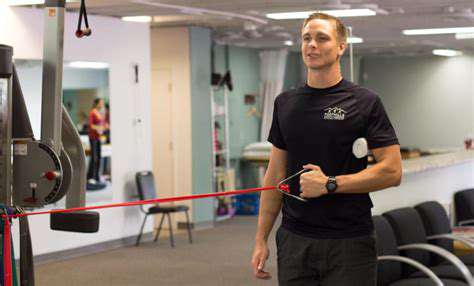
Best Exercises for Shoulder Mobility
May 16, 2025
Understanding and Solutions Understanding Poor PosturePoor posture is a common issue that affects many, particularly those in sedentary jobs. Prolonged sitting or standing incorrectly can lead to significant discomfort and chronic lower back pain. Research shows that slouched shoulders and hunched backs place undue stress on spinal structures, reducing lung capacity and straining muscles. It is crucial to be aware of the posture as it not only enhances aesthetic appeal but also boosts overall health and productivity. Importance of ErgonomicsErgonomics plays a vital role in designing workspaces that cater to individual needs. By adjusting furniture and tools to fit how you work, you can significantly reduce the risk of developing lower back pain. For instance, using an ergonomic chair that supports the lumbar curve can make a substantial difference in comfort and efficiency. Moreover, proper monitor placement can alleviate neck strain and promote better posture. Practical Solutions to Improve PostureIncorporating specific solutions like regular stretching, strength training, and visual reminders can improve posture. Standing desks or balance ball chairs can create a more active work environment and foster better spinal alignment. Active Lifestyle and Lower Back PainRegular exercise is fundamental for maintaining optimal health and reducing the risk of lower back pain. The World Health Organization advises adults to engage in at least 150 minutes of moderate-intensity exercise weekly. Activities that strengthen core muscles can lessen strain on the lumbar region, making movement an essential component of back health. Injuries Leading to Lower Back PainCommon injuries leading to lower back pain include muscle strains, ligament sprains, and herniated discs. Understanding these injuries and how they occur can help in preventing them. Safe lifting techniques and maintaining proper body mechanics can significantly reduce injury risk. Weight Management IssuesExcess weight is a contributing factor to chronic lower back pain, exerting pressure on the lower back and altering the body's biomechanics. A balanced diet paired with regular physical activity can help in managing weight and alleviating stress on the spine. Consulting professionals to craft a personalized plan might be necessary for those struggling with pain and weight management. Stress and Emotional FactorsStress has a direct impact on back pain. Muscle tension from stress can exacerbate discomfort, creating a vicious cycle. Addressing emotional factors and incorporating stress management strategies, like mindfulness or therapy, can improve both mental health and physical well-being. Long-Term Strategies for PreventionLong-term management of lower back pain involves a multifaceted approach that includes maintaining an active lifestyle, ergonomic awareness, and emotional health. It is essential to understand the interplay between physical strain and psychological factors, leading to effective prevention and management strategies.By prioritizing posture, ergonomics, and a healthy lifestyle, you can significantly reduce the risk of lower back pain and improve your overall quality of life.
Feb 26, 2026
Avoiding Bed Rest and MoreLower back pain is a common issue, affecting approximately 80% of adults at some point in their lives. While it may be tempting to indulge in prolonged bed rest, experts advise against it. In fact, staying inactive can exacerbate pain and lead to muscle weakening. As recommended by the American Academy of Orthopaedic Surgeons, engaging in gentle physical activity promotes healing and prevents the cycle of pain. Effective Alternatives to Bed RestInstead of remaining in bed, consider gentle activities such as walking, stretching, or yoga. Research indicates that active rehabilitation offers more effective lower back pain relief than resting. Working with healthcare professionals can help tailor a movement plan that suits your specific needs. This approach prioritizes pain management without risking further injury. Recognizing Pain SignalsPain is your body's way of signaling potential issues. Ignoring it may lead to chronic pain and mobility challenges. Early intervention plays a crucial role in recovery; studies show that prompt treatment often leads to faster relief. Incorporating simple strategies like stretching and adjusting your workspace can enhance comfort. Common Causes and Risks of Lower Back PainUnderstanding the common causes of lower back pain—such as muscle strain and poor posture—is essential for effective prevention and management. Recognizing the warning signs, like persistent pain or changes in bladder control, is crucial for timely intervention. Heavy Lifting and Posture CorrectionHeavy lifting poses significant risks for back pain. Incorporating proper lifting techniques—such as using your legs to lift and ensuring a clear path—can prevent injuries. Additionally, maintaining good posture is vital for overall health. Poor posture not only contributes to back pain but can also impact emotional well-being. The Dangers of Self-DiagnosisWhile it might be quick and easy, self-diagnosing your pain can lead to misinterpretation and worsening issues. Consulting a healthcare professional for an accurate diagnosis ensures you receive the necessary treatment. Relying on evidence-based methods and building a support network can significantly enhance recovery and overall health. ConclusionTaking proactive steps in managing lower back pain is essential to improve quality of life. By engaging in appropriate activities, recognizing pain signals, and seeking professional help when needed, individuals can effectively manage pain and promote long-term well-being. Avoid prolonged bed rest, maintain good posture, and never hesitate to consult with healthcare providers for the best outcomes.
Feb 28, 2026
Understanding High-Impact Activities and Their Effect on Lower Back HealthHigh-impact activities often amplify lower back pain, making it essential for individuals, especially those with existing conditions, to understand the potential risks. Engaging in dynamic sports like running, basketball, or heavy weightlifting can strain your back significantly. What are High-Impact Activities?High-impact exercises typically involve rapid movements that place stress on the body, particularly the lumbar region. While many individuals can safely participate in these activities, caution is warranted for those suffering from lower back pain. Injuries and exacerbation of existing conditions are common outcomes, necessitating moderation and professional guidance. Exercises to AvoidCertain high-impact exercises are more problematic for individuals with lower back pain. Activities such as running on hard surfaces or high-intensity aerobics can lead to painful outcomes. Sports involving sudden twisting or bending motions, like football or basketball, can exacerbate existing back issues. Safer AlternativesFor those with lower back pain, low-impact exercises serve as viable alternatives. Swimming, walking, and stationary biking enhance cardiovascular health without undue stress on the back. Modifying traditional exercises—like using resistance bands—can also prove beneficial, maintaining an active lifestyle while reducing the risk of injury. Importance of Professional GuidanceBefore making changes to your exercise routine, consulting a healthcare professional is vital. Physical therapists can tailor a program to your specific condition, ensuring that you engage in activities that enhance your well-being without risking injury. A personalized approach significantly impacts recovery and overall health. Adding Strengthening ExercisesIncorporating core-strengthening exercises, which promote spinal stability, is crucial for reducing lower back pain. Movements like planks and pelvic tilts strengthen the essential muscle groups that support the back. Regular practice, under professional supervision, can greatly alleviate pain episodes. Listening to Your BodyPaying attention to your body's signals during exercise is crucial. If a movement elicits pain, stop immediately and consult a professional. Maintaining an open dialogue with your healthcare provider about your symptoms can lead to better pain management strategies. The Impact of Heavy WeightliftingWhile heavy weightlifting is popular, it can also present risks to lower back health. The importance of maintaining proper form cannot be overstated. Incorporating proper lifting techniques and allowing recovery time between sessions can mitigate injury risk significantly. Navigating High-Intensity Interval Training (HIIT)HIIT workouts can further exacerbate back pain due to their explosive nature. Those suffering from lower back issues should consider low-impact alternatives that maintain fitness without overloading the back. Flexibility and recovery play essential roles in preventing injury during these high-intensity sessions. Managing Twisting Motions in SportsSports with frequent twisting motions—like tennis and golf—can put additional stress on the lower back. Athletes should prioritize core conditioning to stabilize the spine during such movements, mitigating the risk of injury. ConclusionHigh-impact activities can be beneficial, but individuals with lower back pain must exercise caution. Engaging in safe alternatives, emphasizing proper techniques, and collaborating with health professionals are fundamental for maintaining an active lifestyle while protecting spinal health. Listen to your body to ensure you’re moving towards recovery and achieving your fitness goals without risking back injuries.
Feb 28, 2026
What Causes Bulging Discs? Understanding the Impact on Spinal HealthBulging discs are a common issue that can arise from various factors, significantly impacting life quality. Understanding what causes bulging discs can help you take proactive steps towards spine health. Anatomy of the SpineThe spine consists of vertebrae, intervertebral discs, and supportive structures. Intervertebral discs cushion vertebrae, and when they bulge due to a weakened outer layer, they can compress nearby nerves, leading to pain and dysfunction. Age-related degeneration plays a crucial role in this process, with studies indicating that older adults are more susceptible due to reduced water content in discs. Risk Factors and Lifestyle InfluencesSeveral elements increase the risk of developing bulging discs, including age, genetics, and job-related hazards. Occupations requiring heavy lifting or repetitive motions may lead to spinal wear and tear. Lifestyle choices also matter; smoking and inactivity hinder blood flow and weaken core muscles, both essential for supporting the spine. Regular exercise, especially strength training and flexibility routines, can significantly enhance spinal health, reducing the likelihood of bulging discs. Recognizing the SymptomsSymptoms of a bulging disc include localized pain in the back or neck, which may radiate to limbs. Most commonly, lumbar disc issues can trigger sciatica, causing pain down one leg. Symptoms can be acute or chronic, with acute cases arising suddenly after injury, while chronic symptoms develop gradually and require long-term management approaches.Nerve compression from a bulging disc can lead to tingling, numbness, or weakness, further complicating daily activities and diminishing life quality. Natural Management Techniques Physical TherapyPhysical therapy is a cornerstone of managing bulging discs. Tailored treatment plans focus on strengthening core muscles and improving flexibility, which can lead to increased mobility and reduced pain. Chiropractic CareChiropractic care offers an effective approach through spinal manipulations that realign vertebrae and relieve nerve pressure. This holistic treatment can enhance recovery speed and overall spinal health. Nutrition and Alternative TherapiesA balanced diet rich in anti-inflammatory foods supports spinal health. Hydration is critical for disc function, and incorporating practices like yoga and acupuncture can provide additional benefits by improving flexibility and promoting emotional well-being. ConclusionUnderstanding the causes and symptoms of bulging discs enables individuals to take charge of their health proactively. Engaging with healthcare professionals for proper diagnosis, combined with physical therapy, chiropractic care, and lifestyle modifications, can significantly improve recovery outcomes. If you or someone you know is experiencing symptoms, it’s essential to seek guidance and consider a multifaceted approach to management.
Mar 01, 2026
Causes, Solutions, and Recovery StrategiesLower back pain is a common issue that affects many athletes, impacting performance and overall health. Understanding the causes and implementing effective solutions is crucial for athletes looking to manage or prevent this type of pain. Common Causes of Lower Back Pain Biomechanical FactorsAthletes often experience lower back pain due to biomechanical issues related to their specific sports. Repetitive motions in activities like running, cycling, and weightlifting can lead to muscle imbalances and increased strain on the lumbar region. Poor technique can exacerbate these problems, making proper form essential. Additionally, core strength and flexibility are vital in supporting the lower back. Strengthening core muscles helps to stabilize the spine and reduce injury risk. Training Load and RecoveryTraining load plays a significant role in lower back pain. Overtraining without sufficient recovery leads to cumulative fatigue, heightening injury risk. A balanced approach to training, known as periodization, helps athletes optimize performance while reducing the likelihood of injury. Implementing structured recovery routines, including rest, hydration, and muscle-relaxing techniques, aids in effective recovery. Psychological FactorsMental health also influences pain perception. Anxiety and fear of re-injury can worsen the experience of pain. Addressing these psychological elements through cognitive-behavioral strategies, mindfulness, and relaxation techniques can help athletes manage discomfort more effectively. Targeted Exercises for Prevention and Relief StretchingIntegrating targeted stretching routines can improve flexibility and reduce lower back pain. Stretches that focus on the muscles surrounding the lower back, including hamstrings and hip flexors, enhance muscle elasticity and lower injury risk. StrengtheningCore strengthening exercises, such as planks and bridges, are vital in supporting the spine and alleviating lower back strain. Resistance training focusing on the lower back, like deadlifts while maintaining proper form, also promotes spine resilience. The Role of Physical TherapyPhysical therapy offers a variety of techniques to alleviate lower back pain. Approaches such as manual therapy, targeted exercises, and education on proper biomechanics are effective. A tailored exercise rehabilitation program, complemented by proprioceptive training, can further enhance recovery. Recovery ModalitiesIncorporating recovery modalities into an athletic regimen is essential. Techniques like cryotherapy and compression therapy can accelerate recovery and reduce inflammation. Posture and ErgonomicsImproving posture is vital for athletes to prevent lower back pain. Optimal alignment minimizes strain during physical activities and enhances overall performance. Using ergonomic equipment and conducting regular posture assessments can reinforce good habits and prevent injuries. ConclusionBy understanding the multifactorial nature of lower back pain in athletes and implementing targeted prevention strategies, strength training, recovery modalities, physical therapy, and maintaining proper posture, athletes can significantly enhance their performance and longevity in their sports. Continuous monitoring and adjustments to training and recovery plans will further support their journey to optimal health.
Mar 02, 2026
A Comprehensive Guide to Relief and Healing What is Spinal Decompression?Spinal decompression refers to a non-surgical therapeutic approach aimed at relieving unwanted pressure on the spine, particularly targeting the intervertebral discs. By creating a negative pressure within these discs using specific traction techniques, spinal decompression allows bulging or herniated discs to retract into their proper positions. This process invites essential nutrients and fluids back into the discs, facilitating healing and reducing discomfort associated with conditions like chronic back pain.Research shows that spinal decompression can be remarkably effective, with studies revealing over 70% of patients report significant pain relief following treatment. With insights gathered from reputable journals, this therapy not only alleviates pain but also actively supports long-term spinal health. Effective Home Techniques for Spinal DecompressionMany individuals seek to incorporate spinal decompression methods into their home routine for convenience and cost-effectiveness. One of the primary techniques is inversion therapy, which involves using an inversion table to create space between vertebrae, reducing nerve compression and enhancing blood flow. Regular usage has been shown to provide substantial relief, making this technique popular among those dealing with back issues.In addition to inversion therapy, simple stretching exercises such as the cat-cow stretch and child’s pose can be effective in promoting spinal elongation and alignment. These exercises engage core muscles while reducing tension in the spine. It’s important to consult healthcare professionals when attempting new exercises, especially for those with pre-existing spinal conditions. Understanding the Science Behind Spinal DecompressionSpinal decompression operates on a fundamental principle of creating negative pressure within the disc space to improve nutrient flow to the intervertebral discs. By alleviating pressure on spinal nerves, the therapy can effectively reduce inflammation and pain caused by conditions like sciatica or radiculopathy. Scientific studies reinforce the efficacy of spinal decompression techniques, highlighting the importance of personalized treatment plans to optimize patient outcomes. Benefits of At-Home Spinal DecompressionOne of the primary advantages of performing spinal decompression at home is its accessibility. Individuals can seamlessly integrate decompression exercises into their daily activities, avoiding frequent clinic visits. Research indicates that those who actively engage in consistent home practices achieve better long-term results.However, safety should remain a top priority. Individuals are encouraged to consult healthcare professionals to tailor their approach according to their specific conditions. Potential risks, such as severe osteoporosis or spinal fractures, should always be assessed before starting any at-home therapy. Recommended Exercises and ToolsEffective at-home spinal decompression can involve various exercises, including hanging techniques using a pull-up bar, yoga poses like Downward Dog, and targeted stretching to relax back muscles. Incorporating professional-grade tools, such as spinal decompression machines, can augment your decompression efforts, while custom-fit braces can ensure proper posture during daily activities.Staying informed about emerging trends in spinal health management, including smart devices and virtual reality therapies, can enhance the effectiveness of self-care practices. In conclusion, spinal decompression offers a multifaceted approach to managing back pain and improving spinal health. By understanding the underlying mechanisms and various techniques, individuals can take proactive steps towards achieving and maintaining a pain-free life.
Mar 06, 2026
Symptoms, Causes, and TreatmentSacroiliac joint pain is a prevalent condition often resulting in discomfort localized in the lower back and buttocks. Recognizing the distinct symptoms, such as a deep aching sensation that may radiate to the legs, is essential for effective diagnosis and treatment. Individuals experiencing increased pain after prolonged sitting or standing should distinguish this condition from other lower back issues like sciatica. Common Causes of Sacroiliac Joint DysfunctionFactors contributing to sacroiliac joint dysfunction include injuries, degeneration, and inflammatory conditions. Traumatic incidents, such as falls, can misalign the joints, leading to pain and instability. Additionally, conditions like arthritis can deteriorate cartilage, intensifying discomfort. Pregnancy is another notable factor as hormonal changes can exert excessive stress on the pelvis, necessitating careful monitoring of symptoms during and after this period. Diagnostic TechniquesDiagnosing sacroiliac pain typically involves a thorough physical examination where healthcare providers assess joint mobility and tenderness. Specialized tests, like the FABER test, and imaging techniques such as X-rays or MRIs are often employed to rule out other underlying conditions. Lifestyle Factors Impacting Sacroiliac PainSedentary behaviors and poor posture significantly influence the severity of sacroiliac joint pain. Regular low-impact exercises like walking or swimming can improve flexibility and strengthen the muscles supporting the joint, thereby reducing discomfort. Maintaining a healthy weight is also crucial, as excess weight adds pressure to the pelvic region. Collaborating with healthcare providers on balanced diet and exercise plans can foster better recovery outcomes. Conservative TreatmentsConservative treatments commonly commence with physical therapy, including stretching and strengthening exercises to stabilize the pelvic area. Techniques like heat or ice therapy can provide immediate relief during flare-ups. Over-the-counter NSAIDs are effective for reducing inflammation, but discussing ongoing symptoms with a healthcare provider ensures tailored advice. Natural Relief OptionsMany individuals find relief through natural techniques. Acupuncture has gained traction for its ability to stimulate specific body points and release endorphins, which can mitigate pain. Incorporating anti-inflammatory foods, such as omega-3 rich fish and antioxidant-rich fruits, into your diet can enhance joint health. A combination of dietary and lifestyle changes often yields the best results. When to Seek HelpConsultation with a healthcare professional becomes necessary when experiencing acute pain that disrupts daily activities, persistent discomfort lasting weeks, or symptoms like numbness indicating potential serious issues. Signs of underlying conditions, such as fever or unexplained weight loss, should prompt immediate evaluation. Comprehensive AssessmentProfessional evaluation typically includes diagnostic imaging and an examination to determine the pain's root causes. Discussing the pain history in detail will allow healthcare providers to tailor treatment plans that effectively address both symptoms and underlying issues.By understanding the symptoms, causes, and treatment options for sacroiliac joint pain, individuals can take proactive steps towards management and recovery, ensuring improved quality of life.
Mar 09, 2026
Enhance Your Core Stability and Functional Strength with Deadlifts Understanding the Power of DeadliftsDeadlifts are often heralded as a fundamental exercise for building core stability and overall strength. Engaging a multitude of muscle groups, including the glutes, hamstrings, and lower back, deadlifts promote essential coordination and balance. Research highlights that maintaining core activation during deadlifts not only improves performance but also significantly reduces injury risk. By ensuring that the core remains engaged throughout the lift, individuals can achieve substantial improvements in postural stabilization and functional strength. Integrating Deadlifts into Your Fitness RoutineTo maximize the benefits of deadlifts, it is essential to incorporate them into a well-rounded workout schedule. Whether you are a beginner or a seasoned athlete, starting with lighter weights will help you focus on proper form. As you build confidence and strength, gradually increasing the weight will foster continued improvement. Experts suggest performing deadlifts at least twice a week to observe noticeable gains in core stability over time.Consider exploring variations like sumo and Romanian deadlifts, which target different muscle groups while reinforcing core stability. Seeking guidance from a certified trainer can ensure you develop a personalized workout plan that aligns with your goals and safety. Improving Posture Through DeadliftsGood posture is foundational for spinal health, with poor alignment often leading to chronic discomfort and reduced mobility. Deadlifts play a crucial role in enhancing posture by engaging the posterior chain and core stabilizers. Correctly executed, deadlifts reinforce proper spinal alignment, contributing to long-term spinal health and functional strength.Incorporating flexibility exercises focusing on the hip flexors and hamstrings alongside deadlifts can further improve your posture by alleviating tightness. Daily habits, such as maintaining an ergonomic workstation and practicing mindfulness about posture in daily activities, are also critical in ensuring a healthy spine. Functional Strength for Everyday ActivitiesFunctional strength is vital for performing daily tasks efficiently and safely. By targeting multiple muscle groups, deadlifts are an excellent exercise for enhancing this strength, making it easier to engage in everyday activities like climbing stairs or lifting heavy objects. Incorporating deadlifts into your fitness regimen not only boosts core stability but also improves grip strength and reduces the risk of lower back injuries. Supporting Rehabilitation and Injury PreventionDeadlifts are not only beneficial in strength building; they can also play a vital role in rehabilitation and injury prevention. When executed with proper form, deadlifts aid in stabilizing the spine and support overall muscle strength. Individuals recovering from lower back injuries can safely integrate modified deadlifts into their programs, promoting strength and mobility with controlled exposure to weight-bearing activities.Consulting with healthcare professionals before starting a deadlift routine for rehabilitation is crucial in tailoring the program to individual needs, ensuring safety and effectiveness. ConclusionDeadlifts stand out as a comprehensive exercise for enhancing core stability, improving posture, and increasing functional strength. By mastering this fundamental movement and integrating it into your routine, you can achieve significant improvements in your physical capabilities while reducing the risk of injury. Whether for functional performance in daily life, rehabilitation, or athletic training, deadlifts are a valuable addition to any fitness regimen.
Mar 10, 2026
- Seat Height: Allows users to align their chair with their desk for optimal comfort.- Armrests: Reduces strain on the shoulders and neck.- Backrest Recline: Alleviates pressure on the lower back.Having these adjustments can enhance comfort during long working hours, making it easier to focus on tasks. Lumbar Support IntegrationProper lumbar support is crucial in preventing lower back pain. Chairs with adjustable lumbar support systems enable customization to accommodate different body types, helping to maintain the natural curve of the lower spine. Material Quality and BreathabilityThe materials should not only be durable but also comfortable and breathable. High-quality fabric or leather helps to keep you cool and supported during prolonged sitting. Investing in breathable materials ensures comfort and productivity. Mobility and StabilityA great office chair should provide easy movement around your workspace. Look for swivel bases and durable castors to reach different areas without straining. A five-point base offers enhanced stability, ensuring a safe and secure seating experience. Budget ConsiderationsWhile investing in an ergonomic chair may seem costly, it is essential for long-term health and productivity. Discomfort can lead to decreased output and higher healthcare costs. Look for options that balance quality and budget without sacrificing essential features.--- Top Office Chairs for Lower Back PainWhen it comes to alleviating lower back pain, ergonomic chairs are designed with critical features like adjustable lumbar support and seat height. Popular models such as the Herman Miller Aeron and Steelcase Leap are highly regarded for their effectiveness at reducing back pain, offering significant customization for individual needs. For those on a budget, consider the Hbada ergonomic chair, which combines comfort and support without a hefty price tag.--- Tips for Maintaining Proper PostureTo further enhance comfort while seated, ensure your monitor is positioned at eye level and your keyboard is set at elbow height. Regular movement and stretching every hour can counteract the negative effects of prolonged sitting, promoting overall well-being.--- Additional Solutions for Lower Back Pain ManagementIn addition to a quality office chair, consider chiropractic care, physical therapy, and mind-body techniques like yoga and meditation for holistic management of lower back pain. These practices not only target immediate discomfort but also provide strategies to improve long-term spinal health.---By prioritizing ergonomic design, adjustability, and material quality when selecting an office chair, you can significantly reduce the risk of lower back pain and enhance your work productivity.
Mar 12, 2026
- Squats: Ensure proper form to maximize glute activation.- Hip Thrusts: Isolate and engage the gluteus maximus effectively.- Deadlifts: Promote overall strength while targeting glutes.Dedicate 15-20 minutes, two to three times a week, to focused glute workouts as part of your fitness regimen. Gradual progression and variety in exercise will help maintain strength improvements and prevent lower back pain. Implementing a Routine for Long-Term BenefitsRegularly assessing your progress and adjusting your workout routine is essential for continued success. Incorporate mobility and flexibility work to enhance the effectiveness of your glute exercises. Balance strengthening workouts with proper recovery to listen to your body and prevent injury.Recognize the vital role of glute muscles in lower back health. By prioritizing their strength through targeted exercises, monitoring your progress, and adjusting your workout regime, you can significantly improve not only your glute strength but also your overall lower back health for a better quality of life.
Mar 13, 2026
A Comprehensive Guide What is Anterior Pelvic Tilt?Anterior pelvic tilt (APT) is a common postural imbalance that occurs when the front of the pelvis tilts forward and the back lifts upward. This displacement can lead to various issues, including chronic lower back pain and discomfort. With approximately 30% of individuals with lower back pain affected by APT, identifying the condition is crucial for effective intervention and improvement of overall body function. Common Symptoms of APTPeople with anterior pelvic tilt often experience:- Excessive curvature of the lower back (lordosis)- Tight hip flexors- Weak abdominal and gluteal musclesThese symptoms can lead to instability and discomfort, making it vital to understand and address the underlying causes. Consequences of Ignoring APTFailing to address APT can result in the worsening of lower back pain, impacting daily activities and long-term health. It can also predispose individuals to other musculoskeletal problems such as knee pain. Early intervention, including physical therapy and targeted exercises, is essential for mitigating these risks and promoting healthier movement patterns. Identifying APTConsulting with a physical therapist who specializes in postural assessments can provide insights into the extent of anterior pelvic tilt. Techniques such as gait analysis and flexibility testing are beneficial in understanding one’s postural dynamics. Addressing APT: Exercise and Muscle StrengtheningTo correct APT, it’s essential to focus on strengthening core and gluteal muscles while stretching tight hip flexors. Incorporating exercises including:- Glute Bridges- Dead Bugs- Hip Flexor Stretches- Pelvic TiltsRegular engagement in these activities can significantly enhance pelvic stability, alleviate discomfort, and rectify muscle imbalances. Stretching for ReliefStretching plays a vital role in relieving tightness associated with APT. Key stretches include:- Hip Flexor Stretch: Kneel on one knee and push your hips forward to lengthen the iliopsoas group.- Hamstring Stretch: Forward bends or seated stretches can increase flexibility and relieve lower back pressure.Aim for 10-15 minutes of stretching twice daily to achieve optimal results. Corrective Posture TechniquesImplementing corrective techniques is crucial for managing APT. This entails:- Stretching tight muscles like the hip flexors- Strengthening weak areas, particularly the glutes and core- Making ergonomic adjustments in your workspace to support better posture Seeking Professional GuidanceEngaging with a qualified physical therapist or chiropractor can provide tailored assessments and treatments to effectively address anterior pelvic tilt. These professionals can offer structured programs incorporating both corrective exercises and lifestyle modifications, leading to improved pelvic alignment and reduced pain. ConclusionUnderstanding and addressing anterior pelvic tilt can significantly enhance comfort and functionality. Through a combination of strength training, stretching, and professional guidance, individuals can regain proper alignment and improve overall well-being. For tailored advice and support, seek the expertise of healthcare professionals specializing in postural health.
Mar 14, 2026
View Publications>>