Exercises to Strengthen Your Core and Protect Your Lower Back
Incorporating core strengthening exercises into your regular fitness routine can yield significant benefits for your body. *Individuals often underestimate the power of their core*, but recognizing its importance can shift workout priorities. Without a strong core foundation, efforts in strength training or cardio might be less effective.
Therefore, it’s advisable to devote time each week to core strengthening routines. Whether through structured fitness classes, personal training, or at-home workouts, everyone can find a method that fits their lifestyle, ultimately leading to increased strength and protection against injuries.
Plank Variations for Core Stability

Understanding the Basics of Planks
Planks are a fundamental exercise that targets the core, strengthening not only the abdominal muscles but also the back, shoulders, and hips. This comprehensive engagement enhances overall stability and balance. When performing a plank, it's essential to maintain a straight line from your head down to your heels. This alignment prevents undue stress on your spine and maximizes effectiveness.
Research indicates that incorporating planks into your routine can improve posture and reduce the risk of lower back pain significantly. One study noted that participants who regularly practiced planks experienced a notable decrease in chronic lower back discomfort, highlighting the exercise's functional benefits in real-world applications.
Variations for Increased Intensity
To elevate the intensity of basic planks, variations can be introduced. For instance, side planks activate the oblique muscles more thoroughly, adding a different challenge to your Core Stability. Incorporating these variations not only prevents workout monotony but also allows for a well-rounded strength regimen.
Moreover, variations such as plank jacks or adding reach-outs can enhance the workout. These additional movements increase the heart rate while still focusing on core stability, making them excellent for those looking to include Cardiovascular Benefits in their strength training.
As you progress, consider adding weights or incorporating equipment such as stability balls or resistance bands. These tools can further challenge your core muscles and promote adaptation, leading to continued strength gains.
Proper Form and Technique
- Keep your body in a straight line from head to heels.
- Engage your core by drawing your belly button towards your spine.
- Maintain shoulder alignment directly above your elbows.
Even with the variety of plank exercises available, proper form is paramount. Poor posture while planking may lead to injuries or diminish the effectiveness of the workout. Always remember to keep your shoulders away from your ears and maintain a steady posture throughout.
Benefits Beyond Core Stability
Planks are not just excellent for core strength; they offer various ancillary benefits. For example, performing plank variations can improve overall flexibility, particularly in your shoulders, hamstrings, and glutes. This increased flexibility further supports functional movements in daily life and enhances overall athletic performance.
Additionally, engaging in planks can boost metabolic rate. A study conducted by the American Council on Exercise found that exercises emphasizing stability, such as planks, can elevate the heart rate significantly, contributing to fat loss and weight management when combined with proper nutrition.
Integrating Planks into Your Routine
For optimal results, frequency and duration of plank exercises should be tailored to your individual fitness level. Beginners may start with 20-30 second holds, gradually increasing to 1 minute or longer as strength develops. Establishing a routine that includes planks three to four times a week can quickly lead to noticeable improvements in core strength and stability.
Moreover, it’s beneficial to include various plank types within your routine to target different muscle areas. By alternating between high planks, low planks, side planks, and dynamic variations, you keep your workouts diverse and challenging, which is crucial for long-term adherence and progress.
Precautions and Common Mistakes
While planks are generally safe, certain precautions are essential to maximize benefits and minimize injury risks. Always listen to your body; if you feel pain in the lower back, you may be sagging your pelvis or overextending your back. In such cases, it's best to reassess form or switch to a less intense variation. Proper cues and adjustments can help prevent common mishaps.
Also, ensure you’re not holding your breath. Maintaining a steady breathing rhythm is vital for sustaining endurance throughout the exercise. If you're struggling to breathe, consider easing into planks gradually instead of holding for extended durations prematurely.
Bridge Exercises for Lower Back Support
Understanding the Role of the Bridge Exercise
The Bridge Exercise is essential for developing lower back support. By engaging the glutes and core muscles, it not only stabilizes the spine but also enhances overall posture. Research shows that strong gluteal and core muscles can significantly reduce the risk of lower back injuries. A 2017 study published in the Journal of Physical Therapy Science highlighted how engaging these muscle groups could lead to improved spinal alignment and reduced discomfort in both sedentary and active individuals.
This exercise targets key muscle groups that play critical roles in daily activities. Whether you're lifting groceries or sitting at a desk, a strong lower back and core translate to a more resilient body. Integrating the bridge into your routine can provide immediate benefits for muscle activation, and long-term results in strength and support.
How to Perform the Bridge Exercise Correctly
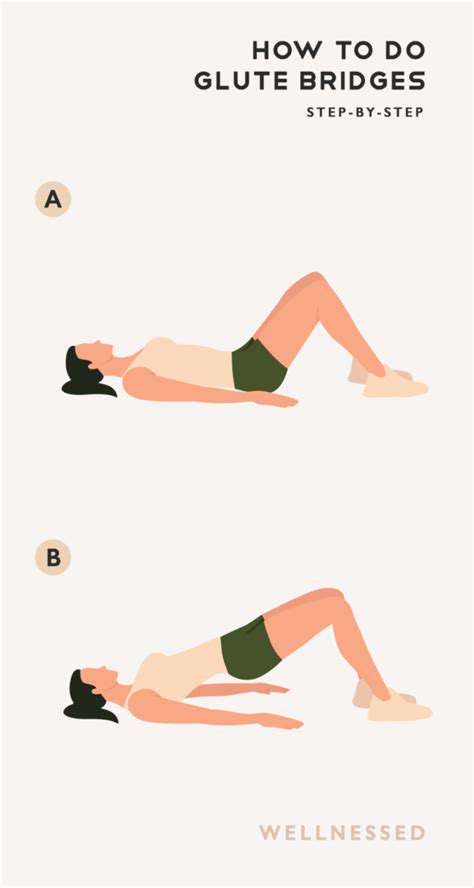
To execute the bridge exercise effectively, start by lying on your back with your knees bent and feet flat on the floor, hip-width apart. Ensure your arms are relaxed alongside your body, palms facing down. Engage your core, and press your feet into the ground as you lift your hips towards the ceiling. Your body should form a straight line from your knees to your shoulders at the top of the movement. Hold for a few seconds before gently lowering back to the starting position.
Proper form is key; avoid pushing through your lower back to rise. Instead, activate your glutes, ensuring they do the heavy lifting, while your core and legs assist in stabilizing the movement. A common mistake is letting the knees splay outwards, so keep them aligned with your feet throughout the exercise. This focus on alignment not only maximizes the effectiveness of the exercise but also minimizes the risk of injury.
Variations of the Bridge for Enhanced Strength
Once you master the basic bridge exercise, consider variations to challenge yourself further and promote strength gains. The single-leg bridge is a popular modification that intensifies the exercise. To perform it, lift one leg and keep it straight while pushing through the heel of the grounded foot to raise your hips. This variation engages the glutes even more and improves balance.
Another effective variation is the elevated bridge, where your feet rest on a stability ball or a low bench. This modification activates the core and engages the stabilizing muscles of the lower back, leading to enhanced strength and stability. Each variation can be progressively integrated into your workout routine, tailored to your goals and capabilities.
Incorporating resistance bands can also add another layer of challenge. By wrapping a band around your thighs and pushing against it while performing the bridge, you engage additional muscle fibers, enhancing glute activation and overall strength.
The Importance of Consistency in Training
Consistency is crucial when incorporating bridge exercises into your fitness regime. Aim to include them in your workout routine at least three times a week for effective results. Over time, this commitment leads to noticeable improvements in both strength and endurance, allowing you to perform daily tasks with greater ease.
Tracking your progress can also be beneficial. Consider keeping a fitness journal to log sets and reps or any variations you attempt. This not only helps maintain motivation but also allows you to see your growth over time, reinforcing the connection between effort and achievement.
When to Consult a Professional
While bridge exercises are generally safe for most individuals, certain conditions may warrant professional guidance. If you have a history of lower back pain or injuries, it's wise to consult a physical therapist or a qualified fitness trainer before starting any new exercise program. These professionals can offer personalized recommendations tailored to your specific needs and help you perform exercises safely.
Additionally, if you experience pain during the exercise, stop immediately and consult a healthcare provider. They can identify potential causes and suggest modified movements or alternative exercises that will support your lower back without causing strain. Engaging in exercises that are customized to your body’s needs can enhance effectiveness while reducing the risk of injury.
Incorporating Rotational Exercises
Understanding the Benefits of Rotational Exercises
Rotational exercises are crucial for improving core strength and stability. Not only do they enhance athletic performance, but they also play a vital role in daily activities by allowing for greater mobility and functionality. Research has shown that incorporating these movements engages multiple muscle groups, thereby optimizing overall force production and reducing the risk of injury.
Additionally, studies suggest that rotational movements activate the muscles of the transverse abdominis and obliques, which are essential for proper spine alignment and support. This is particularly important for individuals who experience lower back issues, as these are often linked to weak core muscles. Hence, focusing on these exercises can create a more resilient lower back.
Key Rotational Exercises for Core Strength
There are several effective rotational exercises that you can incorporate into your routine. The Russian twist, for example, is performed by sitting on the floor and leaning back slightly while twisting your torso side to side. This movement strengthens the obliques while promoting spinal stability. Aim for 2-3 sets of 10-15 repetitions on each side for optimal results.
Another excellent exercise is the medicine ball rotational throw. This is done by standing with your feet shoulder-width apart, holding a medicine ball at your chest, and twisting your torso to throw the ball against a wall. Not only does this engage your core, but it also improves coordination and power through functional movement. Consider performing several sets to assess your progress and effectiveness in pulling from your core.
Plank rotations can also be beneficial; starting in a plank position and rotating your body while lifting one arm towards the ceiling works both your anterior and lateral core. The key is to maintain form and control throughout the move, which will further enhance core engagement.
How to Integrate Rotational Exercises into Your Routine
When looking to integrate rotational exercises into your fitness routine, always begin with a proper warm-up. This includes dynamic stretches that prepare your muscles and joints for the movements ahead. Consider adding rotational exercises to your existing core workouts or as a standalone session to target stability specifically. Include at least 15-20 minutes of dedicated rotational work twice a week for substantial benefits.
It's also wise to progress gradually. Start with basic movements, then increase complexity and resistance as your core strength improves. Using resistance bands or weights can add intensity, but always prioritize form over the number of reps. Combining rotational exercises with traditional core workouts can yield comprehensive results that benefit overall fitness levels.
Common Mistakes to Avoid
While performing rotational exercises, one common mistake is neglecting proper form in pursuit of higher repetitions. Poor form can lead to muscle strain and injury; thus, focus on executing each movement with control and precision. Make sure your spine remains neutral, and engage your core throughout each exercise.
Another error often seen is over-rotation. This can place undue stress on the lower back and lead to pain or discomfort. Instead, aim for a fluid motion that stays within a comfortable range of motion. Moreover, be aware of your surroundings when performing exercises like rotational throws, to prevent hazards or accidents during workouts.
Monitoring Progress and Adjusting Technique
As you incorporate rotational exercises into your core strengthening routine, it's essential to monitor your progress continuously. Keep a fitness journal to note your reps and sets, along with any feelings of discomfort or improvement in strength. Tracking your performance can help you adjust your technique or vary your exercises when needed.
Listening to your body is key. If you start to feel pain rather than fatigue, reassess your form and overall approach. Consider consulting with a fitness professional to ensure you are on the right track and to gain insights on modifying movements safely. Regular feedback will improve not only your technique but also your confidence in performing these critical exercises.
Read more about Exercises to Strengthen Your Core and Protect Your Lower Back