Why Deep Squats Can Either Save or Hurt Your Back
Common Causes of Injury During Deep Squats
One of the primary causes of back injuries during deep squats is Improper Form. Many individuals dive into heavy weights without mastering the basics, leading to compensatory movements that put unnecessary stress on the lumbar spine. Research by the National Institute of Health indicates that even slight deviations in form can increase the risk of injury significantly. Therefore, mastering squat mechanics should be prioritized.
Another noteworthy factor is Muscle Imbalances. Favoring certain muscle groups while neglecting others can create instability in the body. For example, a weak core may fail to stabilize the spine during the squat, resulting in excessive strain on the lower back. A study published in the Journal of Sports Rehabilitation emphasizes the importance of a balanced strength training program to mitigate these imbalances. Targeting both anterior and posterior chain muscles can significantly reduce injury risk.
Preventative Measures to Avoid Back Pain from Deep Squats
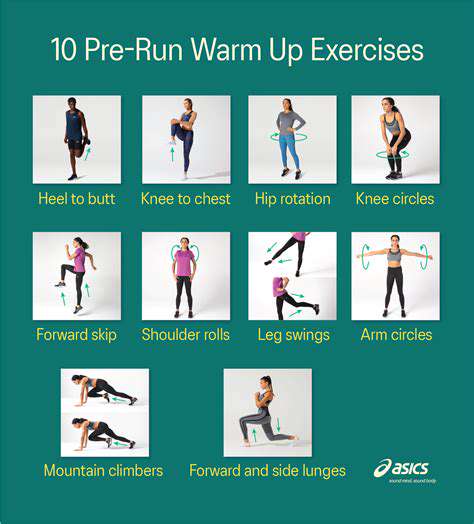
To minimize the risk of back injuries while squatting deeply, incorporating a proper warm-up routine is vital. Dynamic stretches targeting the hips, hamstrings, and lower back can prepare these areas for the workload ahead. Moreover, resistance training that strengthens the core and stabilizing muscles can offer essential support during heavy lifts. This work can serve as a foundation that allows for safer lifting practices.
Additionally, using lighter weights and gradually increasing resistance can help you build strength and confidence in your squat technique. Prioritize perfect form over lifting heavy; over time, this approach leads to sustainable progress without compromising safety. Fitness professionals often recommend focusing on repetitions rather than weight initially, which aligns with both proper technique and injury prevention.
How to Perform Deep Squats Safely

Understanding the Anatomy of Deep Squats
Deep squats engage various muscle groups, primarily focusing on the quadriceps, hamstrings, glutes, and lower back. Understanding these muscle interactions is critical to performing the movement safely. Proper engagement maximizes benefits and minimizes injury risks.
The squat also plays a role in improving flexibility and mobility, particularly in the hips and ankles. As you learn how to engage these muscles correctly, you will likely find it easier to attain a full range of motion.
Common Injuries Associated with Improper Squatting Techniques
Injuries are often linked to poor squat form, such as rounding the back or allowing the knees to collapse inward. This misalignment can place undue stress on the lumbar spine, leading to chronic pain or injuries. Some common injuries include strained muscles, torn ligaments, or even herniated discs.
- Muscle strains in the lower back
- Patellar tendinopathy
- Herniated discs
- Knee ligament injuries
A thorough understanding of good form and technique can significantly reduce these risks. Awareness and education are fundamental in promoting safer exercise practices.
Mastering the Fundamentals of Squat Technique
When initiating a squat, begin by standing tall with your feet shoulder-width apart. Focus on keeping your chest up and shoulders back, as this alignment helps maintain a neutral spine. Additionally, activating your core muscles can provide additional stability throughout the movement.
As you descend into the squat, it’s vital to drive your hips back while bending your knees. This posture not only supports your body weight but also allows your knees to travel forward without compromising form. Practicing with lighter weights or body weight can establish a strong foundation.
Warm-Up Exercises to Enhance Performance
Before jumping into deep squats, incorporate dynamic warm-up exercises to prepare your muscles and joints. Activities like leg swings, hip circles, and bodyweight lunges can improve flexibility and readiness. Warming up not only aids performance but significantly decreases injury risks.
Additionally, performing some light squats (at a reduced depth) can help condition your muscles. Gradual engagement allows you to assess your range of motion and identify uncomfortable feelings that may need to be addressed.
The Importance of Progressive Overload
To successfully improve your squat, applying the principle of progressive overload is crucial. This means gradually increasing the weight or resistance in your exercises over time. Start with manageable weights and increase them incrementally as you grow stronger.
You might also incorporate variations after achieving a solid foundation, like goblet squats or front squats, to challenge your muscles differently. The goal here is to cultivate strength while continually reassessing your form.
Identifying Signs of Overtraining and Burnout
Monitoring your body for signs of overtraining is essential for both progress and safety. Symptoms can include persistent soreness, fatigue, and decreased performance. If you feel these signs, consider taking a step back to allow your body to recover.
Listening to your body can prevent serious injuries and burnout in the long run. Rather than powering through discomfort, evolving your workout approach can be key in maintaining longevity.
Consulting a Professional for Tailored Guidance
If you're unsure about your squat form or you're experiencing recurring discomfort, it's wise to consult a fitness professional. A trained expert can assess your technique, offer personalized advice, and ensure that you're on the right track to achieving your fitness goals.
Additionally, small group or one-on-one training sessions can provide valuable feedback. Personalized guidance can help you uncover potential issues before they lead to injury, ensuring a safer workout routine.
Incorporating Accessory Work for Back Health
Understanding Accessory Work Basics
Accessory work refers to exercises that complement the main lifts in a training program, and for back health, these exercises can be crucial. Such workouts target smaller muscles that may not get sufficient focus during primary lifts like squats or deadlifts, which is integral to promoting overall stability and strength. Incorporating accessory movements helps in balancing muscle development, reducing the risk of injury, and improving functional performance.
Common accessory exercises for back health include rows, pull-ups, and hyperextensions. Research indicates that strengthening the back through these movements can significantly enhance postural integrity and spinal stability, which are essential for maintaining a healthy back during heavy lifting. Moreover, accessory work can also alleviate stress from the lower back by distributing forces more evenly across different muscle groups.
Choosing the Right Accessory Exercises
When selecting accessory exercises, it is vital to align them with your primary training goals. For instance, if your lower back tends to fatigue quickly during deep squats, incorporating exercises such as Romanian deadlifts or glute bridges can effectively strengthen the hip extensors and lumbar region. Additionally, variations in grip and equipment, such as using bands or kettlebells, can further enhance the effectiveness of these movements.
Progressing with Accessory Work
Progression in accessory work should be approached systematically to ensure safety and effectiveness. Start with lighter weights and focus on form before increasing resistance. Experts suggest adhering to the principle of progressive overload, where you gradually increase the intensity of your workouts. This method not only builds strength but also helps in identifying any weak points that may lead to back discomfort during heavy lifts.
Regularly reassessing your accessory work is indispensable. Incorporating a variety of exercises every few weeks can prevent adaptation and keep your training challenging. Moreover, keeping a training log can help you track your progress and make informed adjustments to your routine that support your back health.
The Role of Rest and Recovery
It’s essential to recognize that accessory work, like any other physical training, necessitates adequate rest and recovery. Overtraining can lead to burnout and increase the likelihood of injury, particularly in the back area, where the need for recovery is paramount after strenuous workouts. Incorporate rest days and consider active recovery techniques such as foam rolling to alleviate tension in the back muscles.
Listening to your body is key when incorporating accessory work for back health. Pay attention to signs of fatigue or discomfort, as these are indicators that you may need to adjust your training intensity or frequency. By prioritizing both your workout and recovery, you're setting yourself up for long-term success in maintaining a healthy back.
Read more about Why Deep Squats Can Either Save or Hurt Your Back


![How to Train for a 5K Run [Plan Included]](/static/images/26/2025-07/NutritionandRecoveryStrategiesforOptimalPerformance.jpg)


Hot Recommendations
-
*How Giving Back to Others Improves Your Own Health
-
*The Ultimate Guide to Running Your First 5K Faster
-
*Why Gratitude is Key to a Holistic Health Approach
-
*Healthy Fish and Seafood Recipes for Weight Loss
-
*How Social Gratitude Strengthens Your Support System
-
*Hydration Strategies for Runners: Boosting Endurance Safely
-
*The Benefits of Tempo Runs for Speed Endurance
-
*How Gratitude Helps Lower Blood Pressure Naturally
-
*How to Start a Gratitude Journal: A Step by Step Guide
-
*Practicing Gratitude in the Workplace for Better Health