Strengthening Your Glutes to Prevent Lower Back Pain
List of Contents
Glute muscles support hip movement and lower back stability.
Weak glutes may cause lower back pain and mobility issues.
Strengthening glutes prevents compensatory movements that lead to injury.
Effective glute exercises include squats, lunges, and hip thrusts.
Improve glute strength through proper form and consistent training.
Inactivity contributes to weak glutes and poor posture.
Track progress and adjust routines for ongoing strength improvements.
Flexibility exercises are important for effective glute function.
Listening to your body helps prevent overtraining and injuries.
The Role of Glute Muscles in Lower Back Health

Understanding Glute Anatomy and Function
The gluteal muscles, comprising the gluteus maximus, gluteus medius, and gluteus minimus, serve critical roles in the body's mechanics. These muscles not only enable hip extension but also contribute to hip abduction and stabilizing the pelvis during movement. A well-functioning glute complex is essential for maintaining proper posture and balance.
Recent studies highlight that individuals with weakened Glute Muscles often display compensatory patterns that stress the lower back. For instance, a research study published in the *Journal of Physical Therapy Science* found that participants with strong gluteal muscles exhibited fewer instances of lower back pain. This correlation underscores the significance of focusing on glute strength in physical therapy protocols.
Impact of Weak Glutes on Lower Back Pain
- Weak glutes can lead to poor pelvic alignment.
- Compromised hip mechanics may exacerbate lower back strain.
- Inadequate glute activation affects movement patterns.
When the glutes are weak, the body often compensates by engaging other muscles inadequately, particularly those in the lower back, which can lead to injuries. This compensation not only increases the risk of pain but also creates long-term dysfunction in mobility and strength. Recognizing this link is crucial for anyone experiencing chronic lower back issues.
Strengthening Strategies for Glute Health
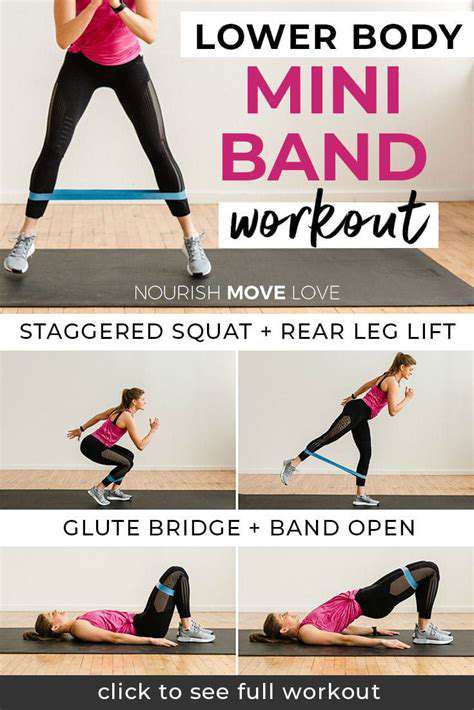
Incorporating targeted exercises, such as squats, lunges, and deadlifts, can significantly enhance glute strength. Additionally, resistance band exercises have been shown to effectively activate the glute muscles during rehabilitation phases. Research indicates that even light resistance training can have significant benefits, especially for those starting from a low fitness baseline.
It's important to ensure that you not only perform these exercises but also focus on proper form to maximize effectiveness. Monitoring your progress through regular assessments can also help keep you motivated. In conclusion, integrating a glute-Strengthening Routine into your fitness regimen could be a proactive measure for maintaining lower back health.
Common Causes of Weak Glutes
Physical Inactivity and Sedentary Lifestyles
One of the leading causes of weak glutes is Physical Inactivity, particularly in individuals who have a sedentary lifestyle. Research indicates that sitting for extended periods can lead to muscle atrophy in the glutes, significantly weakening them over time. This lack of movement not only affects the glutes but also contributes to poor posture and potential lower back pain.
According to a study published in the Journal of Physical Therapy Science, individuals who engage in less than 30 minutes of physical activity each day show a marked decrease in muscle strength and functionality. Therefore, incorporating regular activities like walking, cycling, or any form of exercise is essential for maintaining glute strength and overall musculoskeletal health.
Poor Exercise Form and Technique
Another common cause of weak glutes is inadequate exercise form during workouts. Many people perform exercises like squats or lunges without proper technique, predominantly engaging the quadriceps instead of activating the glutes. This improper engagement not only limits the effectiveness of the exercise but can lead to muscular imbalances and potential injury. Proper form is crucial; it's advised to consult with a fitness professional to ensure exercises target the correct muscle groups.
To maximize glute activation, consider incorporating exercises such as hip thrusts, glute bridges, and deadlifts into your routine. These movements specifically target glute engagement when performed correctly, thereby enhancing overall glute strength. Tracking your form through video recordings or using mirrors can also provide immediate feedback, helping to refine your technique as needed.
Moreover, integrating variety into your workout regimen is vital. Sticking to the same routine can lead to adaptation, resulting in diminished strength gains. As suggested by the American Council on Exercise, varying intensity and exercise types can stimulate the glutes effectively, promoting ongoing strength improvements and helping to prevent lower back pain over time.
Essential Exercises to Strengthen Your Glutes
Understanding the Role of Glutes in Lower Back Support
The gluteal muscles, consisting of the gluteus maximus, medius, and minimus, play a crucial role in stabilizing the pelvis and supporting the lumbar spine. Research shows that weak glutes can contribute to several issues, including lower back pain. When these muscles are underutilized, other parts of the body compensate, leading to muscle imbalances.
Studies indicate that individuals with chronic lower back pain often exhibit reduced gluteal activation patterns. A well-functioning gluteal muscle not only aids in leg movements but also provides essential support for the spine. Strengthening these muscles can significantly improve posture and alleviate undue pressure on the lower back.
Effective Exercises for Glute Strengthening
There are many effective exercises to target the glute muscles. Squats are perhaps the most recognized choice, working not just the glutes but also the quadriceps and hamstrings. It's crucial to maintain proper form, with feet shoulder-width apart, and to push through the heels during the movement to maximize glute engagement.
Another excellent exercise is the hip thrust, where you elevate your shoulders on a bench while driving your hips upward. This movement isolates the glutes, allowing for maximum contraction and development. According to research from the Journal of Strength and Conditioning Research, hip thrusts significantly activate the gluteus maximus compared to traditional squats.
Additionally, lunges and deadlifts are fantastic exercises that promote glute strength and stability. It's essential to include a variety of movements in your routine to ensure comprehensive development and prevent injury.
Integrating Glute Work into Your Routine
Incorporating glute-strengthening exercises into your fitness regimen doesn't require hours at the gym. Simply adding 15 to 20 minutes of targeted training two to three times a week can yield significant benefits. It’s all about consistency; integrating these moves into your daily routine can bolster glute strength over time.
For those who might find themselves short on time, compound movements such as squats and deadlifts can be highly effective. Pairing these with shorter, focused glute workouts ensures you're optimizing your time while still addressing lower back concerns.
Ultimately, it’s important to listen to your body and consult with a fitness professional if you're unsure about form or technique. Starting with bodyweight exercises may prove beneficial before progressing to weights. A gradual approach will help ensure that you build strength safely and avoid unnecessary strain on your back.
Implementing a Routine for Long-Term Benefits

Understanding the Role of Glute Muscles
The gluteal muscles, commonly referred to as the glutes, play a critical role in stabilizing the pelvis and supporting the lower back. These muscles are essential for maintaining proper posture and alignment during various physical activities. When the glutes are weak, it can lead to compensatory movements that may increase strain on the lower back, potentially leading to discomfort or injury.
Research indicates that individuals with stronger glute muscles experience lower levels of lower back pain. In a study published in the Journal of Physical Therapy Science, participants who engaged in targeted Glute Strengthening Exercises reported significantly reduced pain and improved functionality.
Creating an Effective Strengthening Routine
- Incorporate compound movements such as squats and deadlifts.
- Focus on exercises that specifically target the glute medius and maximus.
- Ensure that you gradually increase the resistance to promote muscle growth.
To reap the long-term benefits of a strengthening routine, it is essential to focus on exercises that effectively target the glutes. For instance, squats, deadlifts, and hip thrusts are great compound movements that not only work the glutes but also engage other muscle groups, promoting overall strength.
It's advisable to include 2-3 sets of 8-12 repetitions of each exercise, aiming to train the glutes at least twice a week. Adding variety to your routine, such as resistance bands or stability balls, can enhance engagement and help prevent plateaus.
Incorporating Mobility and Flexibility Work
While strength is crucial, mobility and flexibility are equally important for balanced muscle function. Tight hip flexors and hamstrings can limit the effectiveness of glute exercises. Incorporating dynamic stretches and foam rolling into your routine can promote a greater range of motion and prevent injuries.
Implementing mobility work, like the pigeon pose or hip circles, can help to loosen up tight areas around the hips. This added focus on flexibility will support the muscles during stronger contractions, optimizing overall functionality.
Assessing Progress and Adjusting the Routine
As you implement your routine, regularly assess your progress to ensure you are on the right track. Use performance metrics such as the weight lifted or the number of repetitions performed to gauge improvements in strength. Tracking these metrics in a journal can help identify patterns and motivate you to push your limits.
Additionally, consider adjusting your routine every 4-6 weeks. This could involve modifying the exercises or increasing resistance. Keeping your routine fresh can prevent boredom and encourage continued progress over time.
Listening to Your Body
Finally, it's vital to listen to your body throughout this journey. While pushing yourself is important, it's equally important to recognize signs of discomfort or pain that may indicate overtraining or improper form. Finding a balance between challenge and recovery aids in long-term sustainability.
Incorporating rest days into your routine allows your muscles to recover and grow stronger. If you experience persistent pain, consider consulting a healthcare professional or a physical therapist for tailored guidance. It's essential to prioritize your body's signals for optimal muscle health and overall well-being.
Read more about Strengthening Your Glutes to Prevent Lower Back Pain
![Essential Health Screenings for Women [By Age]](/static/images/26/2025-05/ImportantConsiderationsAcrossAllAges.jpg)






Hot Recommendations
-
*Using Gratitude to Cope with Chronic Pain and Illness
-
*How Giving Back to Others Improves Your Own Health
-
*The Ultimate Guide to Running Your First 5K Faster
-
*Why Gratitude is Key to a Holistic Health Approach
-
*Healthy Fish and Seafood Recipes for Weight Loss
-
*How Social Gratitude Strengthens Your Support System
-
*Hydration Strategies for Runners: Boosting Endurance Safely
-
*The Benefits of Tempo Runs for Speed Endurance
-
*How Gratitude Helps Lower Blood Pressure Naturally
-
*How to Start a Gratitude Journal: A Step by Step Guide