How to Cook for Weight Loss Without a Kitchen Scale
Outline
- Portion control aids weight loss by regulating calorie intake.
- Visual cues simplify portioning without precise measurements.
- Measuring tools ensure accurate portion sizes for cooking.
- Mindful eating enhances portion awareness and satisfaction.
- Meal planning supports portion control and dietary success.
- Healthy snacks satisfy cravings while maintaining balance.
- Tracking food intake improves portion management effectiveness.
- Cooking techniques enhance meal flavor without extra calories.
- Fresh ingredients significantly improve dish taste and nutrition.
- Understanding hunger cues prevents overeating and emotional eating.
Embrace the Power of Portion Control

Understanding Portion Control
Portion control is a vital aspect of any weight loss journey, particularly when cooking without precise measurements. By mastering portions, you can regulate calorie intake effectively, helping you to achieve your health goals. The basic concept involves balancing food quantities to reduce excess consumption while still enjoying meals.
Research shows that the average American serves sizes have increased significantly over the last few decades, which correlates directly with rising obesity rates. This means that becoming aware of portion sizes is more crucial than ever for effective weight management.
Visual Cues for Portion Size
When cooking without a kitchen scale, using visual cues can make portion control easier. For example, a serving of meat or fish should roughly match the size of your palm. Similarly, a serving of pasta can be estimated by a handful or what fits into a standard coffee cup.
Making use of these visual indicators not only simplifies meal preparation but also helps maintain a balanced plate. Utilizing your hands as a measuring tool is a practical way to ensure you’re serving appropriate amounts without the hassle of a scale.
Utilizing Measuring Cups and Spoons
- Measure dry ingredients for accuracy.
- Use standard measurements for consistency.
- Be mindful of liquid versus solid ingredients when measuring.
Measuring Cups and Spoons, while not a scale, offer a straightforward way to ensure you’re consuming correct portion sizes. For instance, 1 cup of vegetables is generally recommended as a serving, allowing you to load up on nutrients without excessive calories. Incorporating these tools into your cooking can greatly assist in portion awareness.
Mindful Eating Practices
When practicing portion control, adopting mindful eating habits is essential. This involves being present during meals, chewing slowly, and savoring each bite. This method helps your brain recognize when you’re full, which can prevent overeating. By tuning into your body’s Hunger Cues, you can make better decisions about how much food to consume.
Additionally, limiting distractions, such as television or smartphones, during meals can enhance awareness of your eating habits. The result is improved satisfaction and reduced calorie intake without sacrificing enjoyment.
Planning and Prepping Meals
Meal planning is a powerful tool in the portion control arsenal. By preparing meals in advance, you can easily measure out ingredients, ensuring that your portions align with your dietary needs. This is especially useful for busy individuals who might otherwise resort to unhealthy fast-food options.
Thinking ahead also allows you to explore a variety of healthy foods, keeping your diet interesting and sustainable. In fact, studies indicate that individuals who plan their meals are more successful at maintaining their weight loss compared to those who do not.
Incorporating Healthy Snacks
Healthy snacking plays a significant role in portion control, providing a way to satisfy cravings without derailing your diet. Think about including snacks like sliced vegetables, a handful of nuts, or Greek yogurt. All these options can fill you up and provide nutrients while still being low in calories.
Remember, the key is to measure out snacks instead of eating directly out of the package. This practice helps you maintain control over your intake, allowing for a more balanced diet throughout the day. It’s a simple yet effective strategy!
Tracking Your Progress
Lastly, keeping track of what you eat can dramatically improve your efficacy with portion control. Consider using a food diary or an app to log your meals and snacks. This self-monitoring can highlight patterns in your eating behaviors and make you more aware of your portion sizes.
By observing your consumption and making adjustments as needed, you'll be able to refine your approach over time. This reflective practice not only aids in weight loss but also reinforces healthy habits for the long term.
Measure with Everyday Kitchen Items
Utilizing Measuring Cups and Spoons
Measuring cups and spoons are fundamental tools in every kitchen and can provide accurate measurements for portion control. For liquids, standard measuring cups come in various sizes, usually marked at 1 cup, ½ cup, and even down to ¼ cup. When measuring solid ingredients like flour or sugar, it's important to scoop gently and level off the cup to avoid packing, which can result in excess calories and skewed nutritional information.
On average, a cup of cooked rice contains about 200 calories, while a quarter cup can be around 50 calories. By using these simple tools, you can better manage your intake. For individuals focusing on weight loss, a precise measurement can aid in adhering to recommended serving sizes and maintaining a balanced diet. Keep in mind that most recipes designed for healthy cooking offer serving sizes, which you can replicate with measuring cups for accuracy.
Using Common Kitchen Items for Quick Measurements
If you don’t have measuring tools handy, several common kitchen items can serve as Quick Measurement Alternatives. For instance, a standard coffee mug can be roughly equivalent to a cup. This can be particularly helpful for items like oatmeal, quinoa, or even soups. Similarly, a tablespoon can be visualized by using a serving spoon or even the larger fork in your cutlery set as a rough guide for sauces or oils.
Using your hand as a measurement device is also a handy trick. A fist-sized portion can represent a serving of vegetables or fruits, while a palm-sized piece of protein, like chicken or tofu, typically amounts to about 3 to 4 ounces. These practical methods help simplify the cooking process, particularly when you're on the go or don’t have access to precise measurement tools.
Focus on Cooking Techniques That Enhance Flavor
Understanding the Role of Seasoning in Cooking
Seasoning is critical for enhancing the flavor of your meals without adding unnecessary calories. Salt, herbs, and spices can elevate the taste profile of low-calorie dishes significantly. For instance, the right amount of sea salt can bring out the natural flavors of vegetables, while fresh herbs like basil and cilantro add brightness without the guilt. Research indicates that using various spices can boost satiety, helping you feel full longer and avoiding unnecessary snacking.
Experimenting with different seasoning blends can also add exciting dimensions to your cooking. Take time to explore ethnic seasoning profiles, such as Indian curry spices or Mexican adobo, to discover flavors that resonate with your palate. The World Health Organization recommends reducing sodium intake while emphasizing the use of herbs and spices, making this approach both healthful and flavorful.
Mastering Cooking Methods That Preserve Nutrients
The method of cooking can significantly impact the nutrient content of your meals. Techniques such as steaming or sautéing can help retain vital vitamins and minerals in vegetables. For example, steaming broccoli can preserve up to 90% of its vitamin C content, while boiling can lead to nutrient loss due to leaching. It’s beneficial to experiment with quick cooking methods that require minimal fat, such as grilling or broiling, which can also impart a rich, smoky flavor to proteins.
Research shows that healthy cooking methods not only enhance flavor but also foster better nutrient absorption. When using these techniques, keep an eye on cooking times and temperatures to ensure that you’re maximizing both taste and health benefits. Pairing foods rich in vitamin C with iron-rich plant-based sources, for instance, can enhance iron absorption, making your meals even more balanced.
Utilizing Marinades for Enhanced Flavor
Marinades are an excellent way to boost flavor in lean meats and vegetables. A simple marinade of olive oil, vinegar, and your favorite herbs can transform a bland chicken breast into a tasty dish. Science supports this, citing that marinating can not only infuse flavors but also contribute to tenderizing meat, thereby creating a more enjoyable eating experience. Aim for at least 30 minutes for marinades to take effect, though longer is often better.
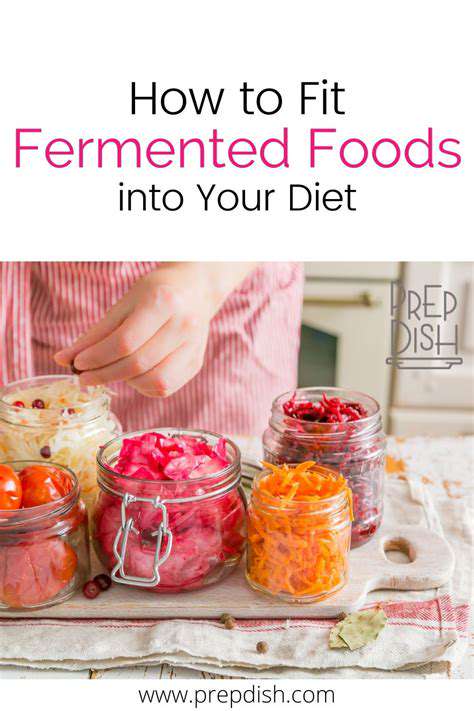
Try to include ingredients like citrus juices, yogurt, or even fermented options like kimchi. According to culinary experts, acids like vinegar and citrus do more than just flavor; they can also break down proteins, leading to a more tender result. This approach allows you to use a variety of low-calorie ingredients while ensuring each bite is packed with taste, making healthy eating less of a chore.
Emphasizing Fresh Ingredients for Enhanced Taste
Fresh, high-quality ingredients can make a substantial difference in flavor. Seasonal produce is not only tastier but often more nutrient-dense, contributing positively to your weight-loss efforts. For example, sourcing local vegetables might provide a more robust flavor, stimulating your taste buds, and encouraging you to enjoy your meals. Research indicates that higher freshness levels are associated with improved eating experiences, making it easier to stick to your healthy eating goals.
Consider visiting a local farmers' market to select the freshest ingredients available. Engaging with farmers can also educate you on how best to prepare their products. Remember, focusing on fresh produce doesn’t just enhance the dish's flavor; it also promotes sustainability and supports local agriculture.
Exploring Cooking Techniques That Create Depth of Flavor
Simple cooking techniques can amplify flavors in remarkable ways. Techniques like roasting and caramelizing can bring out the natural sweetness in vegetables, allowing you to replace high-calorie sauces with ingredient-driven side dishes. For instance, roasted carrots and parsnips magnify their earthy flavors, creating satisfaction without added sugars or fats. Culinary research highlights the Maillard reaction, where proteins and sugars combine when heated, yielding complex flavors that improve overall dish quality.
Incorporate methods that layer flavors, such as browning proteins before adding liquid, to create a rich and savory backbone to your meal. Cooking with methods that encourage browning adds depth without significantly increasing caloric content, making it both a flavorful and weight-loss-friendly approach.
Making Use of Cooking Tools and Pans for Flavor Optimization
Your choice of cooking tools and pans can also influence the flavors in your meals. Cast iron skillets, for example, can retain heat exceptionally well, leading to an ideal sear on meats and maintaining moisture in vegetables. Various studies have demonstrated that cooking at the right temperatures can enhance certain flavors that would be lost using inadequate cookware. This not only benefits your palate but also enhances the overall eating experience.
Utilizing tools like steamers or instant pots can also reduce cooking time while improving flavor retention. Whether you’re opting for non-stick pans for low-fat cooking or choosing to invest in high-quality stainless steel, the right tool can make a significant difference in how a dish turns out. Consider the impact of your cooking equipment as part of your flavor-enhancing strategy in the kitchen.
Plan Your Meals Ahead of Time

Understanding the Importance of Meal Planning
Meal planning is crucial for maintaining a balanced diet and achieving weight loss goals. It allows you to Control Portion Sizes and nutrient intake, making it easier to adhere to dietary guidelines. Research conducted by the Academy of Nutrition and Dietetics indicates that individuals who plan their meals tend to consume healthier foods and reduce calorie intake.
By having a structured plan, you're less likely to opt for unhealthy last-minute food choices. Additionally, meal planning can facilitate shopping by reducing impulse purchases. According to a recent study, consumers who plan their meals save an average of 40% on grocery bills. This financial benefit is a motivating factor for many individuals looking to adopt healthier eating habits.
Creating a Weekly Meal Schedule
- Identify meals to include for breakfast, lunch, and dinner.
- Incorporate a variety of vegetables and lean proteins.
- Use a digital calendar or a simple notebook for organization.
- Set aside specific times for meal prep during the week.
- Adjust portions and ingredients based on your goals.
Once you've decided the meals you'll prepare, draft a weekly schedule. This should indicate when you'll have time to cook and eat each meal, minimizing the chances of skipping healthy options for convenience. For instance, if you know you have a busy workweek ahead, dedicate some time on Sundays to prepare larger batches of healthy meals that can be refrigerated or frozen.
Grocery Shopping with Purpose
Effective grocery shopping is a critical part of the meal planning process. Start by creating a shopping list based on your meal schedule, ensuring you purchase only the ingredients you need. This approach can promote healthier choices by minimizing the chances of impulse buying. Always shop on a full stomach to resist cravings for high-calorie snacks and processed foods.
Be strategic with your shopping trips—consider visiting farmers' markets or local stores that offer fresh, seasonal produce. These options are often lower in cost and higher in nutritional value compared to pre-packaged goods. Additionally, bulk-buying staples like grains and legumes can be more economical in the long run.
Listen to Your Body’s Hunger Cues
Understanding Hunger Signals
Hunger cues are your body’s way of communicating its needs. Recognizing these signals involves tuning in to physical sensations like a rumbling stomach, low energy levels, or irritability. Research indicates that being mindful of these clues can help prevent overeating. For instance, the University of Cambridge conducted a study highlighting how individuals who were attentive to their body’s hunger felt more satisfied after meals while consuming fewer calories.
It’s essential to differentiate between physical hunger and emotional eating. Physical hunger develops gradually and can be satisfied with food, while emotional hunger tends to come on suddenly and often leads to cravings for specific comfort foods. Understanding these nuances can empower you to make better eating choices according to your body’s true needs.
Practical Strategies for Listening to Your Body
One effective strategy for honing your awareness of hunger cues is the practice of Mindful Eating. This approach encourages you to slow down during meals, savor each bite, and pay attention to your body’s signals. Start by placing your utensils down between bites and focusing on the flavors and textures of your food. Research has shown that this practice not only enhances the eating experience but also improves satiety, helping to maintain a healthy weight.
Another useful technique is to keep a food and mood journal. Record what you eat and how you feel before and after meals. Over time, this can reveal patterns in your eating habits and pinpoint when you are genuinely hungry or eating due to emotional triggers. A study published in the Journal of Nutrition found that individuals who tracked their eating habits were more successful in achieving weight loss goals compared to those who didn’t.
It’s also beneficial to hydrate adequately. Sometimes, the body confuses thirst with hunger. Drinking water throughout the day can mitigate this issue, ensuring that you’re responding to genuine hunger cues rather than misleading signals. Aim for at least eight 8-ounce glasses of water daily, adjusting based on your activity level and environment to cater to your body's real needs.
Read more about How to Cook for Weight Loss Without a Kitchen Scale






Hot Recommendations
-
*Tips for Dining Out While Staying on a Weight Loss Diet
-
*Meal Planning for Beginners: Weight Loss Made Simple
-
*Why Strong Abdominals are the Best Defense for Your Back
-
*The Link Between Gratitude and Increased Productivity
-
*Training for Your First Half Marathon: Endurance 101
-
*The Relationship Between Gratitude and Body Image
-
*The Power of "Thank You": Improving Mental Health Daily
-
*The Psychological Benefits of Expressing Gratitude to Others
-
*Why Gratitude is the Missing Piece in Your Wellness Routine
-
*Developing a Mental Strategy for Ultra Endurance Running