The Relationship Between Gratitude and Body Image
Catalog
Gratitude enhances mental well-being and self-esteem.
Practicing gratitude improves body image satisfaction significantly.
Daily gratitude practices foster self-compassion and positive self-view.
Gratitude reduces negative self-perception through positive emotions.
Gratitude can counteract social media's negative body image effects.
Gratitude journaling promotes recognition of personal strengths and uniqueness.
Mindfulness enhances the effectiveness of gratitude practices.
Gratitude boosts relationship satisfaction, influencing body image positively.
Simple gratitude actions can lead to profound self-acceptance.
Gratitude challenges encourage social support and accountability.
The Connection Between Gratitude and Self-Esteem
Understanding Gratitude and Its Psychological Benefits
Gratitude is more than a mere feeling; it is a profound psychological state that encompasses recognizing and appreciating the positive aspects of life. Research published in the Journal of Happiness Studies establishes that Practicing Gratitude can significantly enhance mental well-being. Engaging in simple activities such as keeping a gratitude journal can amplify awareness of what we possess rather than what we lack, which is crucial for self-esteem development.
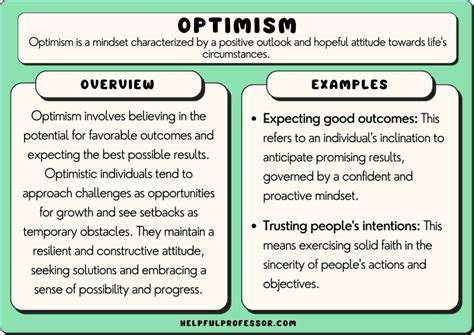
Furthermore, gratitude can induce positive emotions that counteract the adverse effects of negative self-perception. A study by Emmons and McCullough revealed that individuals who regularly express gratitude feel more optimistic and have higher self-esteem, essentially transforming their perspective on personal Body Image. This can lead to a more compassionate view of oneself, as gratitude removes the weight of constant dissatisfaction.
The Impact of Gratitude on Body Image Satisfaction
Body image satisfaction is deeply influenced by how we perceive ourselves and our environment. Cultivating gratitude shifts focus away from comparing our bodies to societal standards, which can often seem unattainable. When individuals practice gratitude, they start to appreciate their unique features and health, potentially increasing self-acceptance. Moreover, data suggests that people who actively recognize their body's abilities rather than just its appearance report greater satisfaction with their overall body image.
Additionally, integrating gratitude practices into daily routines can foster a habit of self-compassion. For instance, taking time to acknowledge the strength and functionality of one's body promotes an appreciation that transcends superficial beauty. This internal shift can play a pivotal role in fostering a healthier relationship with one’s body.
Moreover, educational programs that incorporate gratitude into self-esteem building have been shown to yield positive results. Research led by the University of California suggests that interventions that emphasize gratitude can lead to a substantial improvement in body image, especially among adolescents. This shows that the scope for personal development through gratitude is extensive and can empower individuals at various life stages.
Practical Ways to Cultivate Gratitude
Implementing gratitude practices does not have to be complicated. Simple, everyday actions can have profound impacts on self-esteem and body image. Start by dedicating a few minutes each day to reflect on things you appreciate about yourself and your body. This could range from acknowledging physical strengths to recognizing achievements. Engaging in discussions about what you’re grateful for can catalyze positive shifts in perspective.
Furthermore, consider setting up a gratitude challenge with friends or family. Sharing moments of appreciation fosters a supportive environment where Positive Body Image can thrive. Social support plays a critical role in enhancing self-esteem, and collectively practicing gratitude amplifies its effects.
Lastly, don’t underestimate the power of visual reminders. Creating a vision board featuring affirmations and images that resonate with gratitude can serve as a daily motivator. This visual stimulus reinforces the habit of gratitude, serving as a reminder to focus on personal growth and acceptance.
How Gratitude Can Alter Perceptions of Beauty
Understanding the Link Between Gratitude and Positive Self-Perception
Research indicates that practicing gratitude can significantly improve self-image and body acceptance. In a study published in the Journal of Personality and Social Psychology, participants who regularly expressed gratitude reported healthier body images. They tended to appreciate their physical attributes more and focus less on perceived flaws. Such findings underline the importance of incorporating gratitude practices into daily routines as a means to bolster one's self-esteem.
When individuals consciously acknowledge what they love about themselves or their lives, they shift their focus from negative self-comparisons to affirming thoughts. This shift can lead to a more balanced perspective on body image, as it fosters a sense of appreciation for one's uniqueness. Encouraging gratitude journaling or daily reflection on positive attributes can be effective strategies for those struggling with negative body image issues.
The Impact of Gratitude on Psychological Well-Being and Body Image
Moreover, gratitude has been linked to various aspects of psychological well-being, which in turn can influence body image perceptions. Studies show that individuals who practice gratitude tend to report lower levels of anxiety and depression. These mental health improvements can lead to a more stable self-image, as emotional distress often exacerbates concerns about physical appearance. Therefore, fostering a mindset of thankfulness could be a practical approach to support overall mental health.
Integrating gratitude practices, like expressing thanks to oneself for achievements—big or small—can also promote a healthier self-view. It encourages individuals to see their bodies as capable vessels rather than mere objects of scrutiny. This perspective can reshape daily interactions and how one navigates societal beauty standards, promoting a culture of acceptance and self-love. In this light, gratitude may serve as a powerful tool for enhancing body image and fostering resilience against external pressures.
The Role of Gratitude in Social Comparisons

Understanding Social Comparisons in the Context of Body Image
Social Comparisons play a significant role in shaping an individual's body image. With the rise of social media platforms, we often see edited and curated images that can skew our perceptions of what is considered a normal or desirable body type. According to recent studies, people who frequently engage in social comparisons are more likely to experience body dissatisfaction, especially among adolescents.
This body image dissatisfaction can lead to a range of issues, including low self-esteem and unhealthy behaviors such as excessive dieting or exercise. It's essential to recognize that the images we see online are often not realities. Research indicates that exposure to idealized body images can distort self-perception, making individuals feel less attractive or developed.
- Social media can amplify negative body image perceptions.
- Adolescents are particularly vulnerable to body dissatisfaction.
- Unrealistic standards often lead to unhealthy lifestyle choices.
- Understanding these comparisons is crucial for promoting a positive body image.
The Impact of Gratitude on Body Image Perception
Gratitude has been linked to improved mental health outcomes, and its effect on body image is no exception. Various studies have shown that individuals who practice gratitude regularly report more positive views of themselves and their bodies. For instance, a 2020 study published in the Journal of Happiness Studies revealed that participants who engaged in gratitude journaling demonstrated greater body appreciation and lower levels of self-objectification.
Practicing gratitude can shift focus from what we lack to what we have, fostering a more positive outlook. By acknowledging our strengths and the unique aspects of our bodies, we can reduce the negative feelings associated with social comparisons. It's beneficial to create a daily gratitude practice, focusing on aspects that promote body positivity, such as physical abilities or the joy of movement.
Incorporating Gratitude Practices into Daily Life
Understanding the Science of Gratitude
Research indicates that gratitude can have profound effects on mental health and well-being. A study by Emmons and McCullough (2003) demonstrated that individuals who regularly practiced gratitude reported higher levels of optimism and life satisfaction. This sheds light on the need to incorporate gratitude into everyday practices, as it can serve as a powerful tool for improving one's overall outlook.
Additionally, studies have shown that gratitude practices can decrease symptoms of depression and anxiety. In a randomized controlled trial, participants who kept gratitude journals exhibited improvements in mood and reduced psychological distress. These findings suggest that fostering an attitude of gratitude might be an essential component for enhancing self-image and body acceptance.
The Role of Daily Gratitude Journals
One effective way to integrate gratitude practices into daily life is through maintaining a gratitude journal. Spending just a few minutes each day to write down things you are thankful for can be incredibly beneficial. Research from the University of California, Davis, supports this, indicating that individuals who document their gratitude feel more connected and satisfied with their lives.
When writing in a gratitude journal, focus on specific instances that brought you joy or contentment. This practice not only helps in recognizing positive aspects of life but also enables a better self-perception. Over time, this can lead to an improved body image, as the mind learns to appreciate the body in its current state rather than focusing solely on perceived flaws.
Incorporating varied prompts can also enhance this journaling experience. For example, you might write about compliments received, experiences of joy, or aspects of your body you are grateful for. This variety can stimulate more reflective thinking and deeper appreciation.
Practicing Mindfulness and Gratitude Together
Mindfulness practices, such as meditation, can effectively enhance gratitude experiences. By being present in the moment and acknowledging your thoughts and feelings, you can create a deeper connection between gratitude and self-acceptance. Research in positive psychology suggests that people who practice mindfulness are often more open to experiences, which can lead to improved body image perceptions.
Combining mindfulness techniques with gratitude practices increases awareness of both positive and neutral experiences related to one’s body. For instance, mindfulness meditation can focus on bodily sensations, fostering acceptance and appreciation for the body's capabilities. As you cultivate this mindset, it becomes easier to recognize and celebrate your individuality and uniqueness.
Gratitude’s Impact on Relationships and Body Image
Gratitude not only improves individual well-being but also fosters stronger relationships. A study published in the Journal of Personality and Social Psychology found that expressing gratitude is linked to increased levels of relationship satisfaction. Healthy relationships can significantly influence body image, as supportive partners can help foster a positive self-view.
Surrounding yourself with grateful individuals can create an environment that nurtures self-acceptance. Engaging in gratitude exercises with friends or family, such as sharing weekly highlights, can encourage each participant to acknowledge their strengths and express appreciation for one another. This shared experience can reinforce a positive body image, benefiting all involved.
Actionable Steps to Incorporate Gratitude into Your Routine
To effectively incorporate gratitude practices, consider setting specific times for reflection, such as during your morning coffee or just before bed. Creating a routine allows gratitude to become a habit rather than an occasional activity. Additionally, utilize smartphone apps designed for gratitude tracking to remind you to engage in these practices regularly.
Another action step is to integrate gratitude into your social media interactions. Instead of focusing on comparison, take time to compliment or appreciate the content shared by others. This practice not only cultivates a gratitude mindset but also encourages a more positive online environment.
Lastly, you can engage in gratitude challenges with friends or community members, where you collectively commit to expressing gratitude for a set period. Sharing experiences reinforces accountability and encourages creativity in how you express appreciation, greatly enriching your gratitude journey.
Read more about The Relationship Between Gratitude and Body Image








Hot Recommendations
-
*Lower Back Pain Relief Through Myofascial Release
-
*High Volume, Low Calorie Meals for Sustainable Satiety
-
*Tracking Your Running Progress: Best Metrics for Speed
-
*Managing Running Injuries: When to Run and When to Rest
-
*Impact of Footwear on Lower Back Pain and Posture
-
*Common Running Mistakes That Kill Your Speed
-
*The Habit of Gratitude: How to Make It Stick
-
*Spices and Herbs That Boost Weight Loss and Flavor
-
*Fartlek Training: A Fun Way to Increase Running Speed
-
*Using Compression Gear to Boost Running Endurance