Dynamic Warm Ups to Prevent Back Pain Before Exercise
Contents
- Dynamic warm-ups prepare your body for physical activity effectively.
- They enhance blood flow and reduce injury risk significantly.
- Proper warm-ups decrease injury likelihood by up to 20%.
- Dynamic stretches improve muscle engagement and flexibility.
- Effective warm-ups should last 10 to 15 minutes before exercise.
- Incorporating sport-specific movements enhances warm-up effectiveness.
- Exercises like leg swings boost hip flexibility and stabilization.
- Dynamic warm-ups activate core muscles, helping prevent back pain.
- Gradually increase intensity in warm-ups to prepare muscles.
- Customize warm-ups based on individual needs and exercise types.
Dynamic warm-ups are critical for optimal performance and injury prevention.
What is Dynamic Warm-Up?
Understanding the Importance of Warm-Up
Dynamic warm-ups are essential for preparing your body for physical activity. They enhance blood flow to muscles, increasing oxygen availability, which is critical for performance. Activating these muscle systems not only improves flexibility but also reduces the risk of injuries during workouts. Research indicates that engaging in a proper warm-up can lead to a 20% decrease in injuries, particularly in athletes who participate in high-impact sports.
Moreover, warming up increases your heart rate gradually, transitioning your body from a state of rest to one ready for exercise. This gradual change helps in minimizing strain on the cardiovascular system, thereby setting the stage for an efficient workout. For anyone looking to prevent ailments like back pain, the warm-up phase can make a significant difference.
The Components of a Dynamic Warm-Up Routine
A comprehensive dynamic warm-up consists of various exercises that integrate a range of motion, balance, and core stability. Movements such as leg swings, arm circles, and high knees are fundamental in activating muscle groups. They stimulate the nervous system, setting up the body for more complex movements and stronger performance during physical activities.
Furthermore, incorporating sport-specific movements into your warm-up can better prepare your muscles for the demands of your workout. For instance, if you’re going for a run, dynamic stretches like walking lunges can effectively target the hip flexors and quadriceps, enhancing mobility and function.
It is advisable to spend at least 10 to 15 minutes on your dynamic warm-up, focusing on major muscle groups that will be engaged during your workout. Increasing core temperature and improving joint range of motion are crucial points to consider when you plan your routine.
Common Dynamic Warm-Up Exercises
There are numerous effective dynamic exercises to consider, each targeting different muscle groups. Some popular choices include torso twists, which enhance spinal mobility, and leg swings for better hip flexibility. Moreover, knee hugs help stretch the lower back while improving balance, which is key when preventing back pain.
Exploring further, exercises such as the caterpillar stretch not only warm up the hamstrings but also prepare the spine for more strenuous activities. Each of these movements is geared towards injury prevention, specifically protecting the back, which is particularly vulnerable during high-intensity workouts.
Timing and Frequency for Maximum Effect
The timing of your dynamic warm-up can significantly influence its effectiveness. Ideally, it should be performed 15 to 30 minutes before starting your main workout or training session. This allows enough time to elevate your heart rate and activate your muscle groups without causing fatigue, which might detract from your performance.
In terms of frequency, incorporating dynamic warm-ups into every workout session is ideal, especially for activities that involve heavy lifting or high-impact movements. This practice not only protects against injuries but also conditions the body consistently, leading to improved strength and flexibility over time.
Conclusion and Personal Recommendations
In conclusion, dynamic warm-ups are a vital aspect of any exercise regimen. Their benefits extend beyond injury prevention to enhancing performance and overall physical readiness. Each workout is different, so tailoring your warm-up routine to fit the specific demands of the activity is advisable. This personalized approach ensures that you are well-prepared and less likely to suffer from back pain.
As a practitioner in this field, I always recommend setting aside a dedicated time for dynamic warm-ups. Make them a non-negotiable part of your workout routine rather than an afterthought. This commitment will not only improve your athletic performance but also contribute to your long-term health and wellness.
Benefits of Dynamic Warm-Ups for Back Pain Prevention
Enhanced Flexibility and Range of Motion
Dynamic warm-ups incorporate active movements that improve flexibility and enhance the range of motion in the joints. Unlike static stretching, which can actually reduce strength and performance if done before physical activity, dynamic stretches allow the muscles to engage and lengthen actively. This is particularly beneficial for the lower back, as it helps to prepare the spinal muscles and surrounding tissues for the demands of exercise.
Research indicates that incorporating dynamic warm-ups into your fitness routine can significantly improve athletic performance. A study published in the Journal of Sports Science and Medicine found that dynamic warm-ups can increase muscle temperature and elasticity, thereby reducing the likelihood of injuries, particularly related to the lower back. By getting your body in motion, you prime the muscles necessary for stabilization and movement, which is crucial for preventing back pain.
Improved Blood Circulation and Muscle Activation
Another key benefit of dynamic warm-ups is the boost they provide to blood circulation. When you engage in exercises that elevate your heart rate and increase blood flow, you allow more oxygen and nutrients to reach the muscles. For individuals with a history of back pain, improved circulation can help alleviate conditions such as muscle knots or tension before exercising, thus fostering a safer workout environment.
Ligaments and tendons require sufficient blood flow to withstand stress and performance demands, especially during physical exertion. Studies show that dynamic warm-ups enhance not just muscle activation but also prep the central nervous system for activity. By effectively engaging core stabilizers and lower body muscles, you reinforce the support structures of the back, mitigating the risk of injury.
It is advisable to include exercises like leg swings, torso twists, and lunges in your dynamic warm-up routine. Moreover, focusing on the muscle groups that will be utilized in your intended workout can provide more tailored benefits. This strategic approach not only prepares your body but also instills confidence, making exercise an enjoyable and pain-free experience.
Dynamic Warm-Up Exercises for Back Pain Prevention

Understanding the Importance of Dynamic Warm-Ups
- Dynamic warm-ups enhance blood flow to muscles.
- They prepare the body for physical activity effectively.
- Warm-ups can significantly reduce the risk of injury.
Dynamic warm-ups serve a critical function in preparing the body for physical activities. When you engage in these exercises, you enhance blood flow to your muscles, which helps in increasing muscle temperature and elasticity. This preparation is crucial to optimizing performance and minimizing the risk of injury.
Research from the *Journal of Strength and Conditioning Research* highlighted that dynamic warm-ups can increase range of motion, thereby improving overall mobility. Another study demonstrated that a solid warm-up routine reduces strain on lower back muscles, which are often at risk during activities involving bending or lifting.
Key Dynamic Warm-Up Exercises for Back Pain Prevention
Several effective dynamic warm-up exercises can specifically target the muscles around your back to provide better support. Incorporating exercises such as leg swings, torso twists, and arm circles can enhance flexibility and strength. These movements not only promote joint mobility but also prepare your core and back for more intense workouts.
Another recommended exercise is the cat-cow stretch, which mobilizes the spine while engaging both abdominal and back muscles. When you do this stretch, gradually alternate arching and rounding your back while moving your spine through its full range of motion, thus activating the supporting structures.
The Science Behind Dynamic Warm-Ups
Research illustrates that dynamic warm-ups engage the neuromuscular system, prompting muscle activation and coordination. This activation is essential, as it primes the body’s muscle fibers for the physical demands they'll face. Studies suggest that performing such warm-ups can reduce muscle stiffness significantly, thereby promoting efficient movement patterns.
Moreover, a systematic review published in *Sports Medicine* establishes that athletes who regularly incorporate dynamic warm-ups exhibit better performance metrics compared to those who do not. This evidence supports the hypothesis that preparing your body properly leads to optimal engagement of muscle groups, significantly diminishing any potential for back pain during rigorous activities.
Customizing Your Warm-Up Routine
Every individual is different, and it’s crucial to tailor your warm-up routine to your personal needs and particular activities. If you have a history of back pain, focusing specifically on core-strengthening exercises and dynamic stretching can benefit you greatly. Consulting with a physical therapist can help design a personalized warm-up that suits your body’s unique biomechanics.
Consider incorporating movements that mimic your intended activity. For instance, if you're about to run, practice high-knees and butt kicks. This functional approach helps orient your muscles to the specific actions they will perform during the exercise, ultimately contributing to lower injury risk and enhanced performance.
Practical Tips for Effective Warm-Ups
To maximize the benefits of your dynamic warm-up, set a time limit of 10 to 15 minutes before your main workout. This duration allows sufficient time for your muscles to activate without causing fatigue. Focus on maintaining fluid movements rather than rushing through each exercise, as control is critical for achieving effective warm-up results.
Additionally, ensure that your warm-up is progressive. Start with lower-intensity movements, gradually increasing the intensity as you progress through the routine. This gradual escalation better prepares your muscles and joints for the upcoming physical stresses. Always listen to your body; if you feel any pain or discomfort during a dynamic warm-up, it’s advisable to modify or replace the exercise with something more suitable for your current fitness level.
How to Create Your Dynamic Warm-Up Routine

Understanding the Importance of Warm-Ups
Dynamic warm-ups are crucial for preparing the body for exercise, especially for individuals prone to back pain. Engaging in a structured warm-up routine can increase muscle temperature, boost blood flow, and enhance overall flexibility. Research indicates that a thorough warm-up can reduce the risk of injury by approximately 30% during physical activities.
Additionally, these warm-ups activate the stabilizing muscles in the back, preparing them for the exertion to come. According to a study published in the Journal of Orthopedic & Sports Physical Therapy, implementing a proper warm-up protocol has been shown to improve performance and decrease discomfort during and after exercises.
Essential Components of a Dynamic Warm-Up Routine
- Gradual muscle activation
- Joint mobility exercises
- Sport-specific movements
A well-rounded dynamic warm-up incorporates various movements that target the core, hips, and lower back. Start with gradual muscle activation exercises like leg swings and arm circles to gently increase blood flow. Following this, include joint mobility exercises, such as torso twists and side bends, which can help in maintaining flexibility.
Incorporating sport-specific movements that mimic the actions of your upcoming activity is also essential. For instance, if you're preparing for running, you might include high knees and butt kicks to simulate the running motion while engaging the back muscles effectively.
Tips for Customizing Your Warm-Up Routine
Every individual has unique physical needs and limitations, making it vital to customize your warm-up correctly. First, assess your personal history with back pain, as individuals with previous injuries should focus on gentler movements. Consult with a physiotherapist to tailor a warm-up specific to your condition and needs.
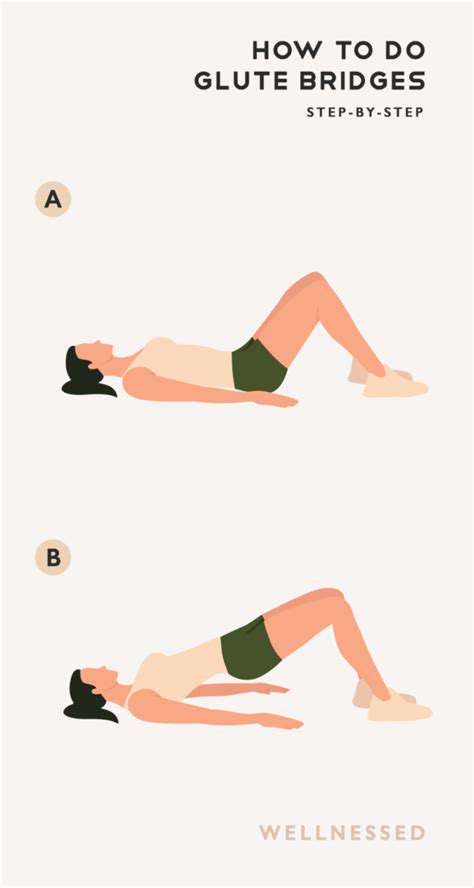
Additionally, consider the type of exercise you plan to undertake. If your workout involves heavy lifting, emphasize core and lower back activation. Focus on exercises such as glute bridges or bird-dogs, which strengthen the support muscles around the lumbar spine.
Monitoring Effectiveness and Adjusting Your Routine
After implementing your warm-up routine, it’s crucial to Monitor its effectiveness over time. Pay attention to any changes in your back pain levels during and after workouts. Keeping a journal can be beneficial in tracking the trends in your comfort levels and performance. If you notice persistent pain, it might indicate the need for adjustments in your warm-up sequence.
Lastly, don’t hesitate to revisit the content of your warm-up. As your condition improves, or if your exercise routine changes, upgrading your warm-up can enhance your performance further. Regularly consulting fitness professionals can provide valuable insights and upgrades to ensure optimal practice for preventing back pain.
Read more about Dynamic Warm Ups to Prevent Back Pain Before Exercise





Hot Recommendations
-
*Barefoot Running: Does It Improve Speed or Cause Injury?
-
*The Best Office Chairs for Lower Back Pain Sufferers
-
*Why Running Cross Training Includes Swimming and Cycling
-
*The Science Behind Gratitude and Mental Wellbeing
-
*How Gratitude Improves Your Relationships and Wellbeing
-
*Finding Gratitude in Physical Limitations
-
*Strengthening the Erector Spinae for Back Health
-
*Portion Control Tips for Healthy Weight Loss Cooking
-
*Best Running Shoes for Speed: What to Look For
-
*Nutritional Supplements That Improve Running Endurance