Keto Friendly Cooking for Beginners: Weight Loss Tips
Not all fats are created equal, especially in a keto diet. It is essential to prioritize quality over quantity. Healthy fats, such as those found in avocados, nuts, olive oil, and fatty fish, should be your go-to choices. These kinds of fats not only nourish your body but also support essential functions like hormone regulation and nutrient absorption. In contrast, highly processed fats typically found in snack foods may wreak havoc on your health and undermine your diet goals.
Incorporating Low-Carb Vegetables into Meals
Vegetables may often be sidelined in many diets, but in a keto lifestyle, low-carb options like spinach, kale, zucchini, and cauliflower should be staples. These vegetables are not only nutrient-dense but also provide essential vitamins and minerals to balance your diet. Plus, they add bulk to meals, which can help you feel fuller for longer. Aim to fill half your plate with these greens to maximize fiber intake while staying within your carb limits.
Additionally, experimenting with different preparation methods can make consuming veggies more enjoyable. Consider roasting, sautéing, or even spiralizing vegetables into noodles as a creative way to incorporate them into your dishes. Presentation matters in cooking; a colorful plate can enhance your meal experience while ensuring nutritional value.
Smart Substitutes for Common Ingredients
Transitioning to a keto diet often involves finding substitutes for traditional high-carb ingredients. For instance, replacing regular flour with almond or coconut flour can drastically lower carb content in baking recipes. Similarly, using unsweetened cocoa powder instead of chocolate can satisfy your sweet tooth without kicking you out of ketosis. Identifying these substitutions not only helps maintain your dietary goals but also expands your culinary repertoire.
It’s vital to experiment with these alternatives to discover what flavors and textures work best for you. Some may find cauliflower rice a satisfying substitute for regular rice, while others might prefer zucchini noodles instead of pasta. The key is to keep an open mind and view these ingredients as tools that can make your cooking creative and enjoyable.
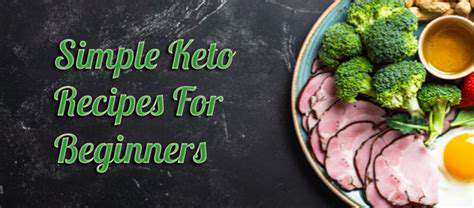
Simple Keto Recipes for Beginners
Understanding the Keto Diet Basics
The ketogenic (keto) diet is a low-carb, high-fat eating plan designed to shift the body's metabolism away from carbohydrates and towards fat. This transition is known as ketosis, and it is where the body begins to burn fat for energy instead of carbohydrates. Typically, a standard keto diet consists of about 70% fat, 25% protein, and only around 5% carbohydrates.
Adhering to these macronutrient ratios encourages your body to utilize fat stores, which can significantly aid in weight loss. To start, it's essential to track your macros to ensure you're staying within the recommended limits for optimal ketosis.
- The keto diet focuses on high fat and low carbohydrate intake.
- It is crucial to monitor macronutrient ratios for effectiveness.
- Understanding ketosis is key to experiencing the diet's benefits.
Simple Breakfast Ideas for Keto Beginners
Breakfast is often considered the most important meal of the day, and for keto beginners, it can be simple and delicious. One popular dish is scrambled eggs cooked in butter, which provides healthy fats to kickstart the day. Consider adding avocado or a sprinkle of cheese for even more flavor and fat content.
Alternatively, you might opt for a chia seed pudding made with unsweetened almond milk and topped with nuts or berries, which are lower in carbohydrates. This dish is easy to prepare ahead of time and can be eaten on-the-go, ensuring you stay on track with your dietary goals.
Lunch and Dinner Recipes That Satisfy
For lunch, a keto salad can be both fulfilling and refreshing. Start with leafy greens, such as spinach or kale, and top them with grilled chicken, olives, and a rich olive oil dressing. This combination not only satisfies hunger but also delivers a significant amount of healthy fats and proteins.
For dinner, consider zucchini noodles topped with a marinara sauce made from tomatoes and herbs. If you're looking for protein, add some ground beef or turkey to enhance the nutritional profile. Remember to keep your portions in check to avoid accidentally exceeding your carb limits.
Experimenting with various spices can also elevate the flavors of your dishes, making them more enjoyable and keeping your meals from feeling repetitive.
Snacks That Fit Within Your Keto Lifestyle
Snacking on a ketogenic diet can be a challenge, but there are plenty of options to keep you satisfied between meals. Cheese sticks, for example, are a convenient source of protein and fat that provides lasting energy. Pair them with a few almonds for added crunch and flavor.
Another fantastic option is incorporating homemade fat bombs—small snacks made from cream cheese, coconut oil, and natural flavorings like cocoa or vanilla extract. Not only are these easy to make, but they also support your keto goals effectively. These snacks can help curb cravings and keep you motivated on your weight loss journey.
Ultimately, keeping a variety of keto-friendly snacks on hand will make sticking to the diet more manageable and enjoyable.
Meal Prepping for Keto Success
Understanding the Basics of Keto Meal Prep
Meal prepping for a ketogenic diet involves planning and preparing meals in advance to ensure adherence to low-carb guidelines. This method allows you to have keto-friendly meals ready to grab when you're short on time or feeling tempted to indulge in high-carb options. According to a study published in the Journal of Nutrition, meal prepping can significantly improve dietary adherence, making it easier to maintain a ketogenic lifestyle.
Start by selecting recipes that are high in healthy fats, moderate in protein, and low in carbohydrates. Incorporating foods such as avocados, fatty fish, and olive oil can help you meet your macronutrient targets. Additionally, planning your grocery list ahead of time will save you from impulse purchases that may steer you away from your keto goals. This proactive strategy not only helps with budgeting but also contributes to successful weight management.
Essential Tools for Effective Meal Prep
Having the right kitchen tools can make your Keto Meal Prep efficient and straightforward. Invest in quality food storage containers that are BPA-free and come in various sizes for portion control. Silicone mats and baking sheets can also be useful for easy roasting of vegetables or meats, minimizing cleanup time after cooking. A food scale can aid in accurately measuring your ingredients, which is crucial for meeting your daily macronutrient requirements.
Slow cookers or Instant Pots are excellent for preparing big batches of hearty meals, such as stews and casseroles, which can be portioned out and stored for later use. Additionally, using a meal planner app can help keep your meals organized and help track your macros effectively. These tools can greatly simplify the meal prep process, allowing you to focus more on cooking and enjoying your meals rather than stressing about the logistics.
Creating a Balanced Keto Meal Plan
To optimize your keto meal plan, incorporate a wide variety of nutrient-dense foods. A balanced approach ensures you’re not only hitting your carb limits but also getting necessary vitamins and minerals. Aim to include leafy greens, nuts, seeds, and non-starchy vegetables daily. Research suggests that a diverse diet can help reduce the risk of nutrient deficiencies, which is especially important on a restrictive diet like keto.
For a sustainable keto lifestyle, consider implementing flexible meal ideas that can be quickly adjusted depending on your cravings or what you have on hand. For instance, a base salad can morph into various meals by adding grilled chicken, beef, or tofu with a different dressing each time. This versatility keeps your meals exciting and prevents boredom, increasing the likelihood of long-term success on your keto journey.
Incorporating a cheat day or meal occasionally can also alleviate the pressure of strict dieting. This strategy is supported by research from the American Journal of Clinical Nutrition, which indicates that allowing occasional indulgences can prevent feelings of deprivation and promote better adherence to dietary regimens. However, be sure to plan these in advance to maintain control over your overall intake.
Staying Motivated and Overcoming Challenges
Setting Realistic Goals
When starting a keto-friendly diet, it's crucial to establish Achievable Goals. Setting unrealistic expectations can lead to frustration and burnout. Instead, define what you want to accomplish in a specific timeframe. For instance, instead of saying, I want to lose weight, you might say, I aim to lose 5 pounds in the next month. This specificity can help you stay focused and motivated.
Research suggests that breaking larger goals into smaller, manageable tasks enhances motivation and accountability. For example, focus on trying one new keto recipe each week or aiming to meal prep every Sunday. These tangible tasks contribute to long-term changes without overwhelming you. Celebrate these small victories! They serve as reminders of your progress and commitment.
Finding Support and Resources
Support Systems play a vital role when undertaking dietary changes. Engaging with friends, family, or online communities can enhance motivation and provide practical tips. Consider joining keto-focused forums or social media groups where members share recipes, success stories, and advice for overcoming challenges. Engaging with others on a similar path can provide encouragement and accountability.
Moreover, leveraging resources like meal planning apps can be incredibly beneficial. Many apps allow you to search for keto recipes, track your macronutrient intake, and even suggest grocery lists. This tech-savvy approach simplifies grocery shopping while ensuring you remain aligned with your keto goals. The easier it is to maintain your diet, the more likely you are to stick with it long-term.
Professional guidance can also be invaluable. Consulting with a dietitian who specializes in ketogenic diets can provide customized recommendations based on your individual needs and preferences. They can help you navigate challenges, suggest suitable foods, and develop a meal plan that works for you.
Managing Setbacks Effectively
Experiencing setbacks is natural in any dietary journey, including keto. The key is how you respond. Instead of viewing setbacks as failures, treat them as learning opportunities. If you find yourself slipping back into old eating habits, analyze what triggered the change. Was it stress, social events, or lack of meal prep? Understanding these triggers can help you devise strategies to manage them more effectively in the future.
It’s also useful to have a plan for getting back on track. For instance, if you indulge in non-keto foods, allow yourself a specific timeframe to enjoy treats without guilt, but set a limit. After that period, refocus on your keto goals. This approach not only helps prevent prolonged deviations but also encourages a balanced perspective on food and lifestyle.
Read more about Keto Friendly Cooking for Beginners: Weight Loss Tips