Practicing Gratitude During Difficult Times: A Health Strategy
Gratitude is not just a simple expression of thanks; it is a profound psychological state that can significantly affect our mental health. Research indicates that individuals who practice gratitude experience lower levels of depression and anxiety. Engaging in gratitude prompts can foster a positive outlook on life, even in tough times. This shift in mindset allows individuals to focus on the good moments, shifting attention away from stressors. In fact, psychologist Robert Emmons found that those who regularly write in a gratitude journal report higher levels of well-being and life satisfaction.
Physiological Effects of Gratitude on the Body
- Improves sleep quality and duration
- Reduces symptoms of physical pain
- Enhances overall mood by activating serotonin pathways
Scientific studies have revealed that gratitude has tangible benefits for our physical health. Individuals who express gratitude often report improved sleep quality. Interestingly, those who practice gratitude are less likely to suffer from insomnia, allowing for better rest and recovery. The physiological effects can also extend to lower blood pressure and a stronger immune response, which is crucial in times of stress. A study by the University of California found that grateful adults exhibit fewer health complaints, showcasing the mind-body connection.
Implementing Gratitude Practices in Daily Life
Incorporating gratitude into one’s daily routine can be easy and enriching. Simple practices such as maintaining a gratitude journal or sending thank-you notes can create lasting positive effects. Regular reflection on the things we are thankful for can lead to a shift in our perspective, especially during challenging periods. It's important to make this practice a habit; Consistency is key to reaping the long-term benefits. Setting aside just a few minutes each day to reflect can be a transformative experience. Consider also sharing one's gratitude verbally with friends or family to foster stronger relationships.
The Role of Gratitude in Resilience Building
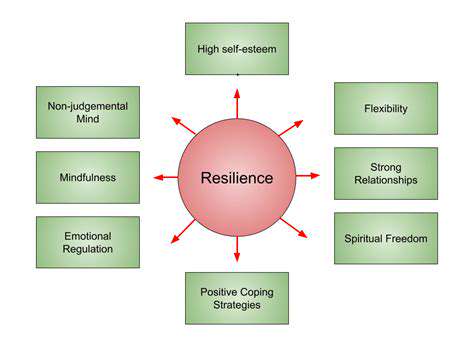
Practicing gratitude can significantly enhance resilience, a crucial trait when navigating difficult times. Resilient individuals often view challenges as opportunities for growth rather than insurmountable obstacles. By focusing on gratitude, we can reframe our struggles and cultivate a sense of hope. Studies have shown that gratitude can bolster emotional resilience, allowing individuals to bounce back more effectively from adversity. A 2016 study published in the journal Psychological Science demonstrated that gratitude interventions led to increased resilience in participants during stressful periods.
Practical Ways to Cultivate Gratitude Daily
Establishing a Daily Gratitude Practice
One of the most effective ways to cultivate gratitude is by creating a dedicated time each day for reflection. Research has shown that when individuals take time to acknowledge what they are thankful for, their overall well-being improves significantly. Setting aside just a few minutes each morning can help in framing a positive mindset for the day ahead.
Consider keeping a gratitude journal where you write down three things you're grateful for every day. According to a study published in the journal Personality and Individual Differences, participants who engaged in a Daily Gratitude Practice reported higher levels of positive emotions and greater life satisfaction. This simple act encourages mindfulness and allows you to actively reflect on the positive aspects of your life, even amid challenges.
Utilizing Technology for Reminders
In our fast-paced digital world, leveraging technology to remind us to practice gratitude can be highly beneficial. There are numerous apps designed specifically for this purpose, offering prompts and reminders to help users maintain their gratitude practice. For instance, an app like Gratitude Journal provides daily notifications that encourage users to pause and reflect on their blessings.
Moreover, integrating gratitude into your social media habits can amplify its effects. Sharing your perspectives on gratitude with friends and family not only reinforces your own practice but also encourages others to engage in similar reflections. A study by the University of California, Berkeley highlighted that people often experience heightened feelings of connectedness when they share positive experiences, further deepening the impact of gratitude.
This combination of technology and social interaction not only helps in reinforcing positive habits but also creates a supportive community around gratitude, contributing to emotional resilience during tough times.
Mindfulness and Gratitude Connection
Mindfulness is a valuable tool that complements gratitude practice. Taking a moment to be present and recognize your surroundings can enhance your ability to appreciate the small joys in life. Research from the University of Massachusetts indicates that mindfulness training can enhance emotional regulation and increase feelings of gratitude. When you engage in mindfulness techniques, you train your brain to focus on the present, reducing stress and improving your overall mental health.
Try incorporating mindfulness meditation into your routine, even if just for a few minutes a day. As you meditate, reflect on specific people or experiences that bring you joy. This not only solidifies a sense of appreciation but can also lead to improved emotional clarity during difficult periods. Mindfulness, combined with gratitude, creates a powerful synergy that equips you with tools to manage stress effectively while fostering a more fulfilled life.
Overcoming Challenges with a Grateful Heart
Understanding the Psychological Benefits of Gratitude
Research has shown that practicing gratitude can lead to measurable improvements in mental health. One study conducted by Emmons and McCullough found that individuals who maintained a gratitude journal reported higher levels of optimism and life satisfaction compared to those who focused on daily hassles. This can be particularly transformative during tough phases in life where negative emotions dominate.
Moreover, a meta-analysis published in the Journal of Happiness Studies indicated that gratitude helps decrease symptoms of depression and anxiety. When individuals focus on what they have rather than shortcomings, it fosters a more resilient mindset. This isn't merely anecdotal; numerous studies corroborate the idea that gratitude can serve as a buffer against stress.
Actionable Strategies for Cultivating Gratitude
To effectively incorporate gratitude into daily life, individuals can adopt simple yet powerful techniques. Keeping a gratitude journal is a foundational practice, as it encourages reflection on positive experiences. Setting aside time each day to write down three things one is grateful for can significantly shift focus from negative thoughts to positive outcomes.
Another effective strategy includes expressing gratitude to others. Research by Algoe and Haidt highlights that acting on gratitude strengthens social connections, which are vital in times of stress. Whether through a simple thank-you note or a heartfelt conversation, showing appreciation not only benefits the recipient but also empowers the giver, creating a constructive feedback loop.
Leveraging Gratitude Amid Challenging Circumstances
During times of personal or collective hardship, practicing gratitude can seem challenging. However, it is precisely in these moments that it becomes most critical. A 2020 study published in the Journal of Positive Psychology found that participants who engaged in gratitude activities during a crisis exhibited greater emotional stability. This suggests that focusing on gratitude not only helps to mitigate the effects of stress but can also deepen one's resilience.
It is essential to acknowledge the difficulty of this practice in tough times. Personal narratives often highlight how individuals have found solace in gratitude while navigating challenges, such as illness or loss. Recognizing these stories may inspire others to seek similar paths of reflection and appreciation, even when faced with adversity.
The Role of Community in Fostering Gratitude
A supportive community can significantly enhance the practice of gratitude. Engaging with others who prioritize positivity can create an uplifting environment that enables individuals to reflect on their own lives. Programs that promote communal gratitude, such as group journaling or sharing circles, have shown promise in enhancing social bonds during tough times.
Furthermore, community-based initiatives like volunteer work or collective projects can foster a sense of purpose and gratitude among participants. For example, a study from the University of California found that volunteering can enhance psychological well-being, providing participants with a sense of accomplishment and connection to others. These experiences not only shift individual perspectives but also build a collective culture of gratitude that can uplift entire communities.
Community and Gratitude: Building Support Networks

Understanding the Role of Community in Gratitude
Gratitude is more than a personal sentiment; it is deeply intertwined with Community engagement. Research by the Greater Good Science Center highlights that expressing gratitude can enhance social bonds. When individuals come together to share grateful moments, they create a positive feedback loop that strengthens relationships. This interconnectedness can be pivotal during difficult times, providing a buffer against stress and anxiety.
Furthermore, communities that focus on thankfulness often report higher levels of overall well-being. Creating spaces for communal gratitude allows individuals to feel seen and supported, thus fostering resilience through shared experiences.
Mechanisms of Support Networks
Support networks operate on several levels, offering emotional, practical, and informational resources. They can include friends, family, colleagues, and even digital communities. Studies indicate that people with strong support systems experience lower levels of depression and increased life satisfaction. These interactions serve as protective factors during times of hardship, emphasizing the collective power of gratitude and support.
To leverage these support networks effectively, it's essential to cultivate two-way relationships. Engaging both as a supporter and as someone who receives support not only bolsters personal resilience but also reinforces the entire network.
Practical Steps to Enhance Community Gratitude
- Identify your support network and actively connect with its members.
- Participate in group activities focused on gratitude, like sharing monthly appreciation notes.
- Create a digital space (e.g., a group chat) for regularly expressing gratitude.
Building a culture of gratitude can start small but can have significant, long-term benefits for community resilience. For instance, organizations can implement gratitude workshops emphasizing recognition and appreciation among team members. This approach not only strengthens interpersonal connections but also increases overall morale.
Research Insights on Gratitude Practices
Numerous studies have been conducted on gratitude and its relationship with health. Researchers at the University of California, Davis, found that participants who engaged in regular gratitude journaling experienced fewer health complaints. Such practices increase awareness of positive experiences, enhancing one’s overall emotional health.
Incorporating gratitude into daily routines can take many forms, such as expressing thanks before meals or maintaining a gratitude journal. Keeping track of what one is thankful for helps shift focus from challenges to positive aspects, improving mental health.
The Psychological Impact of Gratitude on Health
The psychological impact of recognizing gratitude has been widely documented. According to a 2020 study published in Psychological Science, individuals who practiced daily gratitude reported significant improvements in mental health. They experienced heightened feelings of belonging and community.
This correlates significantly with strategies for stress management. Participation in gratitude-focused programs can act as a mitigating factor for depression, improving coping mechanisms during challenging times.
Building Gratitude-Driven Initiatives
Organizations and communities can promote gratitude-driven initiatives to foster resilience. One approach is creating programs that encourage individuals to participate in acts of kindness. These initiatives could include volunteering, which not only supports others but reinforces personal well-being through feelings of gratitude.
Educational institutions might incorporate gratitude training into their curricula to equip younger generations with these essential skills. Teaching children the value of recognizing and expressing gratitude can lead to more empathetic and socially responsible adults.
Creating a Culture of Appreciation in Society
Developing a culture of appreciation can enhance community ties and individual well-being. Implementing public recognition days can be an effective way to celebrate achievements, large and small. Such events can serve as powerful reminders of communal support and collective progress.
Moreover, organizations should encourage a workplace culture that values and practices gratitude. Companies that prioritize recognition not only see improvements in employee satisfaction but also benefit from increased productivity and retention rates.
Read more about Practicing Gratitude During Difficult Times: A Health Strategy