Plyometrics
Muscle Activation
Training
Performance
Speed Enhancement

The Benefits of Plyometrics for Running Speed

Contents

  • Plyometrics activate fast-twitch muscles, enhancing power and speed in runners.
  • Plyometric training improves force output and vertical jump performance in athletes.
  • Plyometrics also reduce injury risk by strengthening tendons and ligaments.
  • Neuromuscular coordination enhances running speed and injury prevention.
  • Plyometric exercises effectively boost neuromuscular coordination for better race performance.
  • Agility drills can significantly improve running speed and efficiency.
  • Regular monitoring of coordination progress aids in training adjustments.
  • Plyometrics improve speed through explosive movements and muscle transitions.
  • Key plyometric exercises include box jumps, depth jumps, and bunny hops.
  • Plyometric training can prevent injury through enhanced proprioception and strength.
  • Plyometrics foster better muscle coordination compared to traditional training methods.
  • Plyometric training optimizes biomechanical efficiency and energy expenditure.
  • Scheduling plyometric workouts is crucial for maximizing performance and recovery.
  • A balanced training program includes plyometrics, strength, endurance, and flexibility exercises.
  • Monitoring progress helps adjust training loads for optimal performance outcomes.
  • Long-term plyometric integration leads to sustained improvements in overall performance.

Enhancing Power and Force Production

The Role of Plyometrics in Muscle Activation

Plyometric exercises play a crucial role in activating fast-twitch muscle fibers, which are key contributors to explosive strength and speed. Research indicates that training modalities like jump squats and box jumps enhance the neuromuscular system's efficiency, leading to improved force output. For instance, a study published in the Journal of Strength and Conditioning Research found that athletes who incorporated plyometrics into their training regimen improved their vertical jump performance by an average of 10% within just six weeks.

This activation can lead to better synchronization of muscle fibers, allowing movements to be more powerful and efficient. Moreover, as these muscle fibers engage more actively, the overall kinetic chain becomes optimized, which is vital for runners looking to increase stride length and reduce ground contact time. Dr. Michael Yessis, an expert in sports training, emphasizes that Plyometric Training enhances the body’s ability to produce force quickly, which is essential for competitive running.

Injury Prevention Through Enhanced Strength

While the primary focus of plyometrics in running is enhancing speed and power, Injury Prevention is an equally important benefit. Engaging in plyometric training can help strengthen the tendons and ligaments around the joints. A 2017 study published in the British Journal of Sports Medicine found that athletes participating in plyometric training exhibited a 24% reduction in lower limb injuries compared to those who did not engage in such training.

Furthermore, plyometric workouts improve balance and proprioception, which are essential for maintaining proper running form, especially during speed workouts or races. It's worth noting that by developing joint stability and muscular strength, runners can better absorb the impact forces experienced during high-speed running, decreasing the likelihood of issues like tendonitis or knee injuries. Thus, incorporating plyometrics not only serves to enhance performance but also safeguards against overuse injuries.

Improving Neuromuscular Coordination

Understanding Neuromuscular Coordination

Neuromuscular coordination is the process through which the brain, nerves, and muscles interact to produce movement. This intricate system allows runners to execute quick, precise actions during running, thus affecting overall speed. Effective neuromuscular coordination not only enhances performance but also helps in preventing injuries, as it facilitates better control and efficiency in muscle contractions.

Research indicates that athletes with superior neuromuscular coordination are often able to achieve faster sprint times. A study published in the Journal of Sports Sciences found a significant correlation between coordination training and improved sprint performance. This emphasizes the importance of incorporating drills that improve neuromuscular efficiency in a runner's training regimen.

Plyometric Exercises and Coordination

Plyometric Exercises are particularly effective for enhancing neuromuscular coordination. These high-intensity movements leverage the stretch-shortening cycle of the muscle, which enhances the communication between the nervous system and the muscles. When performed regularly, exercises like bounding, jump squats, and burpees can significantly boost a runner’s ability to react quickly and accurately during races.

Specific Drills to Enhance Coordination

To improve your neuromuscular coordination, you might consider integrating specific drills into your routine. Drills such as single-leg hops and agility ladder exercises can challenge and develop the coordination necessary for running. For instance, a study highlighted in the International Journal of Sports Physiology and Performance showed that incorporating agility drills led to marked improvements in running speed and efficiency among elite athletes.

Additionally, balance exercises like Bosu ball training can enhance proprioception, which is crucial for maintaining coordination during high-speed movements. Engaging in these drills regularly can lead to noticeable improvements in your running performance.

Monitoring Progress and Making Adjustments

Regularly assessing your neuromuscular coordination progress is essential. Utilizing video analysis or even simple timing measures can provide insights into your performance improvements. Metrics such as sprint time, reaction time, and even perceived exertion can indicate how well you’re enhancing your coordination.

Incorporating feedback-based adjustments can further amplify results. If you're finding certain drills don’t resonate well with your performance goals, experimenting with variations can keep your training effective and engaging. Ensuring a balanced approach that includes strength training, flexibility exercises, and plyometrics is key to a comprehensive strategy for improving running speed through better neuromuscular coordination.

Boosting Agility and Speed Endurance

BoostingAgilityandSpeedEndurance

Understanding the Role of Plyometrics in Speed Enhancement

Plyometric exercises are designed to improve speed through Explosive Movements, such as jumps and bounds. This training method utilizes the stretch-shortening cycle of muscles, requiring quick transitions between eccentric and concentric muscle actions. Research indicates that incorporating plyometrics into a running regimen can lead to measurable improvements in overall speed endurance.

A study published in the Journal of Sports Science & Medicine found that participants who integrated plyometric training into their workouts experienced a significant increase in their vertical jump and sprinting speed over an eight-week program. This highlights the effectiveness of plyometric exercises for runners looking to enhance performance.

Key Plyometric Exercises for Runners

  • Box Jumps
  • Depth Jumps
  • Bunny Hops
  • Bounding

Box jumps are a popular choice because they not only train the muscles for explosive strength but also improve agility by forcing the runner to elevate their center of gravity. This exercise enhances the body's ability to generate power quickly, directly translating to improved sprinting speed. A targeted volume of at least 2-3 sessions per week is generally recommended for best results.

Injury Prevention Through Plyometric Training

While plyometrics can significantly boost performance, they also carry an inherent risk of injury if not executed properly. Runners should therefore focus on their form and gradually increase intensity. Research suggests a thoughtful approach to plyometrics can enhance proprioception, thereby reducing the risk of common running injuries. In turn, this longevity helps maintain peak performance.

Additionally, incorporating sufficient recovery time is essential. Overtraining can lead to muscle fatigue and heightened injury risk. Athletes might consider alternating plyometric sessions with lower-impact activities, ensuring proper recovery while still improving speed and agility.

Reducing Risk of Injury

Understanding the Mechanics of Plyometrics

Plyometric exercises involve explosive movements that improve power and speed. These exercises, such as box jumps and hop drills, enhance neuromuscular efficiency. According to a study published in the *Journal of Sports Science*, athletes incorporating plyometrics into their training showed significant improvements in muscle coordination and recruitment compared to traditional training methods.

Furthermore, incorporating plyometric training can strengthen the joints and surrounding muscles. By engaging fast-twitch muscle fibers more effectively, runners can experience improved stability, which is crucial in preventing common injuries like ankle sprains and knee issues. As a result, trainers recommend integrating plyometric drills into regular training routines for a balanced approach to running performance.

Injury Prevention Strategies through Plyometrics

One of the main advantages of plyometric training lies in its ability to condition the body to absorb impact forces safely. Research indicates that athletes who regularly practice plyometrics have a lower incidence of injuries compared to those who do not participate in such activities. This is due in part to enhanced strength in connective tissues, which plays a crucial role in shock absorption during repetitive movements like running.

Creating a Well-Rounded Training Program

Understanding Plyometrics in Relation to Running

Plyometrics refers to exercises that involve explosive movements, including jumps and bounds. These exercises aim to enhance muscle power and improve the speed of contraction. For runners, incorporating plyometric workouts can lead to increased running speed by fostering better neuromuscular coordination. Research indicates that athletes who integrate plyometric training into their regimes can see an average speed improvement of up to 5% over traditional training methods.

Additionally, plyometric training can enhance running economy by optimizing biomechanical efficiency. This means less energy is expended during runs, allowing athletes to maintain a faster pace for longer durations. Such advancements in both strength and efficiency can result in significant performance gains for competitive runners.

Key Plyometric Exercises for Runners

To create a rounded training program, runners should incorporate specific plyometric exercises tailored to their needs. Exercises like box jumps, depth jumps, and single-leg hops can significantly contribute to muscular strength development. Box jumps, for instance, involve jumping onto an elevated surface, facilitating rapid muscle contraction and improving explosive power.

Another effective exercise is the tuck jump, which emphasizes vertical lifting of the knees while jumping. This not only targets the leg muscles but also improves overall agility and coordination, essential for navigating varied terrains while running. Runners looking to incorporate these exercises should aim for two to three sets of eight to ten repetitions each, ensuring adequate recovery between sets.

Scheduling Plyometrics within Your Training Program

When scheduling plyometric workouts, timing is crucial. Ideally, these high-intensity exercises should be performed on days when resistance training or endurance runs are not the primary focus. This scheduling method maximizes energy levels and reduces fatigue, allowing for optimal performance during plyometric sessions.

Moreover, it is advisable to space plyometric workouts throughout the week, ensuring they do not coincide with heavy long runs or races. This method helps in recovering sufficiently between sessions and minimizes the risk of injury, such as strain or joint discomfort.

Balancing Plyometrics with Other Training Components

A comprehensive training program must balance plyometric exercises with strength training, endurance workouts, and flexibility exercises. Strength training complements plyometric work by building the foundational power required for explosive movements. Incorporating exercises like squats and lunges can help enhance overall lower body strength.

Endurance running builds aerobic capacity, essential for long-distance events, while flexibility exercises such as dynamic stretches or yoga improve range of motion. By effectively blending these components, athletes can achieve greater performance outcomes while reducing potential injury risks associated with overtraining one aspect.

Monitoring Progress and Adjusting Deadlines

To get the most out of a plyometric training program, runners should closely monitor their progress. Tools like training journals or mobile apps can help track performance metrics, including jump height, speed, and overall strength gains. By regularly assessing these metrics, athletes can identify areas that need further improvement or modification.

It's pertinent to adjust training loads based on individual performance and recovery cues. For example, if a runner observes a plateau in speed improvements or experiences excessive fatigue, it might be time to reassess exercise intensity or rest periods.

Potential Risks and Safety Tips

Introducing plyometric training can carry a risk of injury, particularly if proper form and technique are not adhered to. Common injuries include ankle sprains and knee inflammation, usually resulting from overzealous attempts to increase intensity too quickly. Ensuring athletes have adequately developed strength and stability in their support muscles is vital before introducing plyometric training.

Safety tips to consider include warming up adequately before sessions, focusing on technique over volume, and using appropriate surfaces for jumps. Grass or rubberized tracks can minimize impact forces compared to rigid surfaces like concrete.

Long-Term Benefits of Integrating Plyometrics

In the long term, integrating plyometric exercises into a training routine can contribute to sustained improvements in a runner's overall performance. Enhanced muscular power, speed, and explosive strength will lead to not just faster times but also improved resilience against fatigue in races. Additionally, the transfer of these benefits to other athletic pursuits makes plyometric training a wise choice for serious athletes.

Finally, as runners establish a consistent plyometric training program, they can enjoy a more dynamic and engaging workout routine. This variability can keep training fresh, reduce monotony, and increase overall enjoyment of physical fitness, leading to greater adherence to long-term fitness goals.

Read more about The Benefits of Plyometrics for Running Speed
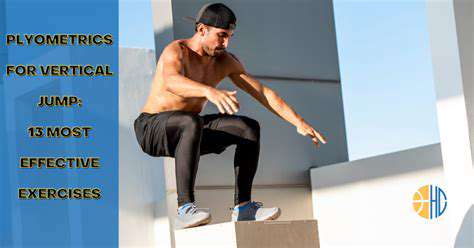
How to Increase Your Vertical Jump with Plyometrics
May 07, 2025
How to Train for Rock Climbing Fitness
May 28, 2025
The Keys to SuccessIncorporate both active and passive recovery strategies into your plan. Adequate rest is crucial for muscle repair and preventing injuries. Schedule your recovery days wisely to enhance your performance in future workouts.By following these guidelines to develop a structured training plan, you can maximize your potential as a runner, ensuring you achieve your goals while maintaining a balanced and effective training regimen.
Feb 27, 2026
Targets the upper and lower back; maintain a straight back to engage muscles effectively.2. Standing Back Extension: Enhances lumbar strength; focuses on core engagement and spinal health.3. Side Bend: Strengthens the oblique muscles and improves flexibility in the torso.4. Bridges with Resistance Band: Targets glutes and hamstrings; focuses on pelvic stability.5. Bird-Dog Exercise: Promotes stability between the upper and lower body. Final ThoughtsTo strengthen your lower back, aim for consistency by incorporating resistance band exercises into your routine three times a week. Always prioritize proper form and technique to maximize effectiveness and reduce injury risks. With their many benefits, resistance bands are an excellent addition to any fitness program, particularly for those seeking to enhance their lower back strength efficiently and safely.
Feb 28, 2026
Mental and Physical Readiness In the days leading to your 10K, focus on both physical and mental preparation. Tapering training routines ensure your body is rested and primed for performance. Visualizing the race and practicing mindfulness techniques can alleviate nerves, enhancing mental focus. Endurance Training for Lasting PerformanceEndurance training is essential for improving stamina and performance. This regimen typically includes various aerobic activities, gradually increasing in intensity and volume. Key workouts such as long runs, interval training, and tempo runs play a significant role in building endurance. Nutrition's Impact on EnduranceNutrition greatly influences endurance capabilities. Adequate carbohydrate intake is vital for fueling endurance activities, while proper hydration prevents dips in performance. Meal timing, particularly post-exercise nutrition, can significantly expedite recovery. Recovery Strategies to Enhance PerformanceIncorporating effective recovery strategies into your training is imperative for performance improvement. Active recovery, proper hydration, and nutrition timing can all facilitate quicker recovery times and maintain muscle function. Mental Preparation and Race Day StrategyMental readiness often mirrors physical preparation in importance. Developing visualization techniques and a structured race strategy equips runners to handle various race scenarios while maintaining focus.In summary, establishing your ideal race pace involves understanding your body, practicing regularly, and preparing mentally and physically. By employing the strategies discussed, you can enhance your performance in your next 10K and achieve your running goals.
Mar 03, 2026
A Detailed Guide What is Running Economy?Running economy is a vital measure of how efficiently a runner utilizes oxygen at a specific pace. It directly correlates to energy expenditure, where lower energy costs indicate a better running economy. This metric is crucial for runners, especially in endurance events, impacting overall performance and race times. Various factors such as biomechanics, body composition, and running technique influence running economy. Key Factors Influencing Running Economy1. Body Composition: A lower body fat percentage enhances running efficiency.2. Biomechanics: Proper running form reduces energy wastage and improves performance.3. Strength Training: Increased muscle strength contributes to better running efficiency. Essential Strategies to Improve Your Running Economy 1. Targeted Training ProgramsImplementing structured training routines, such as interval training, can significantly enhance running economy by building both speed and efficiency. Small improvements can lead to considerable gains in race performance. 2. Plyometric ExercisesPlyometrics are effective for enhancing running economy. These explosive movements train muscles to apply force quickly, improving efficiency. Incorporating plyometric exercises into your workouts can yield measurable progress. 3. Strength TrainingStrength training is crucial for all runners. A strong core stabilizes the body during runs, preventing energy wastage. A well-crafted resistance training program targeting major muscle groups is essential, with exercises like squats and deadlifts being key. 4. Improving Running FormUnderstanding your running mechanics—foot strike, posture, and cadence—can lead to enhanced performance and efficiency. Regular assessments of form, possibly using video analysis, can help identify areas needing improvement. 5. Speed Work and Tempo RunsIntegrating speed work significantly boosts running economy. Short, high-intensity intervals enhance muscle adaptation and VO2 max. Additionally, tempo runs help improve your lactate threshold, allowing for sustained faster paces. 6. Proper Nutrition and HydrationBalancing macronutrients is essential for performance. Focus on carbohydrates for energy and sufficient protein for recovery. Staying hydrated is critical, as even minor dehydration can diminish performance. 7. Consistent Training RoutineEstablishing a consistent training schedule not only strengthens muscles but reinforces the neuromuscular pathways necessary for efficient running. Keep your routine varied to maintain interest and engagement. 8. Cross-Training PracticesIncorporating other activities like cycling or swimming can enhance overall performance and prevent injuries. It helps maintain cardiovascular fitness during recovery phases while promoting muscle strength and flexibility. 9. Focus on Mental StrategyMental training techniques like visualization can positively affect running performance. Develop mental resilience to enhance focus during challenging runs or races. ConclusionImproving your running economy is essential for enhancing performance and staying injury-free. By following a comprehensive approach that includes targeted training, proper nutrition, strength work, and consistent practice, you can achieve significant advancements in your running. Embrace these strategies to unlock your potential and achieve your race day goals!
Mar 03, 2026
Understanding Common PitfallsAchieving optimal running performance requires understanding and addressing various factors that contribute to inefficiencies and injuries. In this guide, we’ll explore important topics like poor running form, inconsistent training plans, neglecting strength training, and improper footwear, providing actionable tips to enhance your running experience. Identifying Poor Running Form Common Causes of Poor Running FormPoor running form is often a result of muscle imbalances, improper footwear, and mental distractions. Factors like weak hamstrings or tight hip flexors can lead to inefficient strides, affecting speed and increasing fatigue. Impact on SpeedRunning with bad form can slow you down significantly—research shows that proper form can enhance speed by 10% to 30%. Additionally, poor mechanics raise energy expenditure, leading to quicker fatigue. Exercises to Improve FormIncorporating core strengthening exercises, dynamic drills, and flexibility routines can greatly enhance your running form and overall efficiency. Professional guidance can accelerate this process by tailoring exercises to your specific weaknesses. Importance of Consistent TrainingConsistency is crucial for improvement. Inconsistent training can stall progress and increase injury risks. A structured training plan incorporating speed work and rest days enhances adaptation and performance. Runners should monitor their routines to prevent overtraining and ensure appropriate recovery periods. The Role of Strength TrainingRunners often overlook strength training, which is vital for improving speed, efficiency, and injury prevention. Incorporating weight training can enhance muscular strength, leading to better impact absorption during runs. Aim for two strength training sessions weekly, focusing on compound movements like squats and deadlifts. Recovery and NutritionRecovery is just as critical as the training itself. Ignoring recovery can lead to injuries and burnout. Incorporating rest days alongside practices like yoga aids both physical and mental recovery. Nutrition also plays a pivotal role in running performance; a balanced diet rich in carbohydrates, proteins, and hydration is essential for optimal energy levels and recovery. Timing your meals before and after workouts significantly affects performance. Selecting Proper FootwearImproper footwear can exacerbate running form issues. Choosing shoes that fit properly, cater to your arch type, and provide appropriate cushioning is essential. Regular gait analysis at specialty running stores can help ensure that you find the best footwear for your running style. Remember to replace shoes every 300 to 500 miles to maintain optimal performance. Overcoming MythsIt’s important to dispel common myths surrounding running shoes and training practices, such as the notion that higher-priced shoes guarantee better performance. The best choice is always the one that fits your specific biomechanics and running needs. Take Your Running to the Next LevelBy addressing these areas, runners can significantly enhance performance, reduce injury risks, and enjoy a more fulfilling running experience. Implement consistent training, strength workouts, proper recovery, and the right footwear to see measurable improvements in your running journey. Enhancing your running isn't just about pounding the pavement; it requires holistic attention to your training, biomechanics, and recovery strategies.
Mar 05, 2026
Pace, Split Times, Cadence, Heart Rate, and Form IntroductionIn the world of running, measuring performance is integral for progression and achieving personal bests. This comprehensive guide explores essential metrics including pace, split times, cadence, heart rate, and running form. By understanding and utilizing these metrics, runners at all levels can enhance their training and race day performance. What is Pace?Pace, the time it takes to cover a specific distance, serves as a pivotal metric that helps runners evaluate their speed. Calculating your pace is simple: divide the total running time by the distance covered. For instance, running 5 miles in 40 minutes results in a pace of 8 minutes per mile. Monitoring your pace can substantially improve running performance, as studies indicate that runners focusing on their pacing strategies tend to outperform others. The Importance of Split TimesSplit times provide a detailed analysis of performance segments throughout a run. By tracking these times, runners can adjust their pace during races to optimize their strategy. Utilizing GPS-enabled devices and fitness apps can enhance this process, offering real-time feedback on various metrics such as cadence and estimated finish times. This analysis can empower runners to make informed decisions during training and races. Cadence: The Rhythm that Drives PerformanceCadence, or the number of steps taken per minute, plays a significant role in running efficiency. An ideal cadence typically falls between 160 to 180 steps per minute, contributing to a more efficient stride and reduced injury risk. Runners can calculate their cadence by timing themselves for a minute and doubling the footfalls counted. Strategies such as incorporating interval sprints or running to music can help improve cadence. Heart Rate: The Connection Between Effort and PerformanceHeart rate monitoring is essential for understanding exertion levels and improving training quality. The five heart rate zones—resting, moderate, hard, very hard, and maximum—each offer unique benefits for performance enhancement. Consistently measuring heart rate through reliable devices and recovery assessments can lead to more targeted and effective workouts. Optimizing Running FormRunning form encompasses posture, foot strikes, and arm movements, directly impacting running efficiency and injury prevention. Key elements such as a mid-foot strike and relaxed arm swing are crucial to achieving optimal performance. With the aid of technology, runners can analyze their form through apps that track stride length and cadence, allowing for personalized adjustments. ConclusionBy understanding and applying these key metrics—pace, split times, cadence, heart rate, and running form—runners can significantly improve their training effectiveness and race outcomes. Using technology and data-driven insights, athletes can personalize their strategies, optimize performance, and reach their running goals more effectively. Embrace these metrics and unlock your full running potential!
Mar 05, 2026
The Benefits of Hill SprintsDiscover the transformative power of hill sprints in enhancing your running performance. This high-intensity workout offers a unique approach to improving both aerobic and anaerobic fitness, making it a crucial addition to any runner's training regimen. What Are Hill Sprints?Hill sprints consist of short, explosive runs on an incline, which forces your body to engage multiple muscle groups, particularly fast-twitch fibers essential for speed and power. Unlike running on flat surfaces, the incline challenges you to increase strength, ultimately enhancing your overall athletic performance. Key Physiological BenefitsHill sprints aren't just about building muscle; they can significantly boost your cardiovascular health. Engaging in high-intensity interval training like hill sprints leads to a marked improvement in VO2 max, the measure of your body's ability to utilize oxygen during exercise. This enhancement translates to increased endurance and overall performance. Moreover, hill sprints can elevate your metabolic rate, allowing for heightened calorie burn post-workout through a phenomenon known as EPOC (excess post-exercise oxygen consumption). This is beneficial for runners looking to improve body composition and faster recovery. Injury Prevention through StrengtheningRegularly incorporating hill sprints into your training can significantly lower the risk of injuries. Uphill running strengthens muscles and connective tissues, providing stability and resilience. This is crucial for preventing injuries like shin splints or IT band syndrome while improving your running technique by promoting proper mechanics. Crafting Your Hill Sprint Training RegimenTo effectively include hill sprints in your routine, start with a proper warm-up, including dynamic stretches and light jogging. A session generally consists of runs lasting 20-30 seconds on a 5-10% incline, followed by a descent for recovery. It's essential to gradually increase the volume of sprints (starting from 3-5 and moving to 10+) as your stamina builds. Focus on balancing hill sprints with other forms of training, such as endurance runs or strength workouts, allowing for optimal results without overtraining. Mastering Proper TechniqueTechnique is all-important when tackling hill sprints. Maintain an upright posture with a slight lean, and aim for mid-foot landings to reduce joint impact. Use shorter, rapid strides to facilitate explosive movement without overexerting. Listening to your body is vital—if fatigue sets in, consider adjusting your intensity or taking breaks. Common Mistakes to AvoidAvoid the pitfalls of neglecting warm-ups and cool-downs, which can lead to injuries and sluggish recovery. Always listen to your body and resist the urge to push beyond your limits to prevent overtraining, as this can lead to chronic fatigue and reduced performance. Final ThoughtsHill sprints are not only versatile, allowing you to train anywhere from urban parks to rugged trails, but they also provide comprehensive benefits for runners of all levels. By incorporating these sprints into a well-rounded training plan, you can enhance performance, prevent injuries, and keep your workouts engaging. Start your hill sprint journey today, and elevate your running game to new heights!
Mar 05, 2026
Key Features for Optimal PerformanceAre you on the hunt for the perfect speed running shoes that can elevate your performance? Look no further. This guide highlights the essential features that make speed running shoes exceptional, ensuring you select the best footwear for your running goals. Lightweight Construction for Enhanced PerformanceOne of the primary factors to consider when choosing speed running shoes is their weight. Lightweight shoes are crafted using advanced materials such as mesh uppers and specialized foams, which contribute to their featherlight feel without compromising durability. Research from the Journal of Sports Science supports that every ounce counts, and lighter shoes can lead to improved running economy and energy conservation—vital for long distances. Responsive Cushioning for a Dynamic RideCushioning technology plays an instrumental role in speed running shoes. Brands like Adidas and Hoka incorporate responsive cushioning systems, providing optimal energy return with each stride. Effective cushioning can enhance your turnover rate while absorbing shock, as indicated by a study in the Journal of Biomechanics. Investing in shoes with advanced cushioning technology is critical for runners aiming for speed. Superior Traction and GripThe outsole design of speed running shoes is crucial for performance. Look for shoes featuring rubber outsoles designed for excellent traction, which can prevent slips and enhance stability on varying surfaces. According to the International Sports Engineering Association, optimized tread patterns elevate grip, particularly during technical races. Shoes that offer reliable traction can significantly improve your speed during sharp turns and descents. Fit and Comfort MatterAchieving the right fit is vital for optimal running performance. A snug fit minimizes unnecessary movement, reducing the risk of blisters and inefficiencies. Many brands now offer options catering to diverse foot shapes, ensuring that you can find the perfect match. Breathability and moisture-wicking properties in the shoe materials further enhance your comfort during longer runs. Understanding Cushioning TypesSpeed running shoes feature various cushioning systems tailored to meet runner needs. Knowing the difference between maximum cushioning for shock absorption and responsive cushioning that boosts energy return can help you make an informed choice. Studies have shown that responsive shoes can measurably improve performance, highlighting the importance of selecting the right type of cushioning for your running style. Real-World Testing and FeedbackExperience plays an essential role in choosing the right running shoes. Many runners share their perspectives through online forums, providing insights on comfort and performance. Trying on shoes and going for a quick run can help you assess how they fit and perform relative to your unique running dynamics. Make Informed Choices for SpeedWhen selecting your speed running shoes, considering the shoe's lightweight construction, responsive cushioning, superior traction, and proper fit can enhance your overall running experience. By prioritizing these features, you set yourself on the path to achieving your best performances yet.Invest in your running journey by choosing shoes that cater to your specific needs—unlocking your potential and speeding towards your goals!
Mar 11, 2026
- Enhanced Posture: Maintaining proper alignment reduces energy wastage, helping runners move more efficiently.- Reduced Fatigue: Improved core strength prevents early onset of fatigue by ensuring effective muscle use.- Increased Speed: Research shows that core strength plays a significant role in superior energy transfer, allowing runners to maintain speed with less effort. Core Strength TrainingTo develop a robust core, consider incorporating these exercises into your routine:- Basic Exercises: Planks and bridges help establish foundational strength.- Dynamic Movements: Medicine ball throws and rotational exercises engage multiple muscle groups for enhanced coordination.- Resistance Training: Focus on exercises that combine stability with power to amplify core strength.Aim for two to three core workouts weekly, focusing on balance and proper form during running to avoid injuries. Utilizing tools like stability balls can challenge your core further and lead to superior performance results. Improving Running EfficiencyResearch confirms that an improved running posture, supported by a strong core, directly relates to better performance and efficiency. Maintaining proper alignment allows for optimal breathing patterns, further enhancing endurance. Speed and Power DynamicsCore strength directly influences leg power, which is critical for running speed. Studies have shown that athletes with stronger core muscles can produce significantly more force, translating to faster race times. Injury PreventionA strong core acts as a safety mechanism against common running injuries. By stabilizing the pelvis and spine, core strength minimizes the risk of injuries like shin splints and stress fractures. Incorporating Core WorkIntegrate core training into your running regimen by scheduling specific sessions for core workouts alongside running routines. A balanced approach that includes interval training, long-distance runs, and dedicated core sessions will optimize speed and endurance. ConclusionCore strength is not merely an ancillary part of a runner’s training but a fundamental component vital for improved performance. By prioritizing core strength and integrating targeted exercises into your routine, you can significantly boost your running efficiency, speed, and overall athletic capability. Regularly track your progress and adjust your training to continue challenging your core, ensuring lasting improvements in your running ability.
Mar 16, 2026
carbohydrates, proteins, and fats. Carbohydrates should dominate your intake, providing the quick energy needed for endurance activities. Aim for 7-10 grams per kilogram of body weight in the days leading up to your run. Proteins play a crucial role in muscle repair, with a recommended intake of 1.2 to 1.4 grams per kilogram for those engaging in high-volume running. Healthy fats contribute to long-term energy and should make up 20-35% of your daily calories. Hydration GuidelinesHydration is vital for performance and recovery. Drink 17-20 ounces of water a few hours before running and stay consistently hydrated throughout your run—aim for 7-10 ounces every 10-20 minutes, using electrolyte drinks for runs longer than an hour. This helps combat fatigue and sustains stamina. Foods to Fuel Your RunsPre- and post-run nutrition can't be overlooked. Focus on complex carbohydrates such as whole grains, fruits, and vegetables for consistent energy. A meal rich in carbohydrates 3-4 hours before your run can make all the difference. After exercising, consume a recovery meal with a 3:1 ratio of carbohydrates to protein to promote muscle recovery effectively. The Role of ElectrolytesElectrolytes like sodium, potassium, calcium, and magnesium are crucial for maintaining fluid balance and preventing cramps during intense running. Incorporate foods or sports drinks that replenish these essential nutrients to maintain performance levels. Pacing Yourself WiselyUnderstanding energy zones can significantly enhance your pacing strategy. Most runners should start in Zone 1 to warm up gradually. Creating a strategic pace plan that incorporates negative splits helps manage energy efficiently. Mental Strategies for SuccessVisualization techniques and positive self-talk can enhance focus and resilience when the going gets tough. Practicing mindfulness and breathing techniques during your runs helps maintain clarity and a relaxed posture. Incorporating Interval TrainingImplementing interval training can improve both speed and endurance by alternating high-intensity bursts with resting periods. Craft a personalized plan based on your goals for speed or stamina, and track your progress to make necessary adjustments. Recovery StrategiesPost-run recovery is essential in preventing injuries and ensuring long-term performance. Embrace active recovery techniques like low-intensity activities and foam rolling, and maintain a balanced diet rich in carbohydrates and protein for optimal muscle repair. ConclusionEvery runner's nutritional and recovery needs vary. Pay close attention to what works best for you—consider consulting with a registered dietitian specializing in sports nutrition to tailor a personalized dietary plan. Follow these guidelines to maximize your running performance, ensuring you're prepared for every challenge on the road ahead.
Mar 17, 2026
View Publications>>