Healthy Snack Prep: Weight Loss Options for the Office
Greek yogurt parfaits are a delicious way to incorporate protein and antioxidants into your diet. Layer yogurt with fresh fruits and a sprinkle of granola for added crunch and satisfaction. You can experiment with different fruits like berries, bananas, or even kiwi, each offering unique health benefits. This snack is not only flavorful but also provides a good balance of macronutrients, which is ideal for maintaining energy during long office hours.
Preparing these parfaits in jars allows for an easy grab-and-go option. Consider pre-portioning yogurt and fruit servings in the morning so that you can quickly access a healthy snack when needed. Explore the many flavor combinations to keep your taste buds excited without compromising your health goals.
Portion Control: The Key to Healthy Snacking
Understanding Portion Control
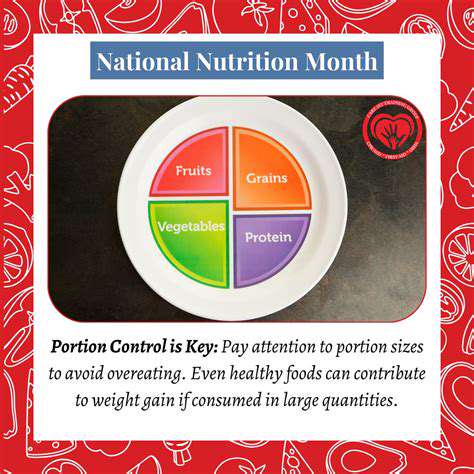
Portion control plays a crucial role in maintaining a healthy diet, especially when it comes to snacking. Understanding your portion sizes can significantly help you manage your caloric intake, leading to better health outcomes over time. It’s not always about the types of snacks you eat but how much of them you consume. Learning to gauge appropriate portions helps curb excessive calorie consumption.
Moreover, many people underestimate just how much they snack during the day. A recent study published in the *Journal of Nutrition* indicated that participants often consumed 20-40% more calories than they intended when they did not use portion control methods. This highlights the importance of being mindful while snacking.
Tips for Effective Portion Control
- Use smaller plates and bowls to visually trick your brain into feeling satisfied.
- Pre-portion snacks into single-serving bags or containers.
- Pay attention to hunger cues instead of mindlessly snacking.
Implementing practical strategies for portion control can be both fun and effective. For instance, using smaller plates is a common trick that can make servings look larger than they are—a simple psychological hack that can aid in feeling satisfied. By making these small adjustments, you can drastically reduce your risk of overeating while still enjoying your favorite snacks.
The Impact of Mindless Snacking
Mindless snacking, or eating without paying attention to what or how much you consume, can be detrimental to your health goals. For instance, studies have shown that distracted eating—like snacking while working—can lead to consuming up to 50% more calories than intended. This makes it essential to be conscious of your eating habits throughout the day.
It's particularly easy to overlook how much you're snacking when you're busy or under pressure at work. To combat this, try setting designated snack times where you can focus solely on enjoying your food without distractions. This not only enhances the experience but also helps you recognize your body's fullness signals more effectively.
Healthy Snack Options for the Office
Choosing Healthy snacks for office environments doesn't have to be complicated. Think about easy-to-grab options such as pre-cut vegetables, yogurt, or nuts. Incorporating nutrient-dense snacks like these can keep your energy levels stable and help you avoid the sugar crashes associated with unhealthy snacks.
Additionally, whole grain crackers paired with hummus or guacamole offer not only health benefits but also textures and flavors that make snacking enjoyable. Preparing these snacks in advance means you have them ready when you need a quick pick-me-up during your busy workday.
Batch Preparation for Snack Success
Preparing healthy snacks in bulk, or batch preparation, can save time and ensure you always have nutritious options available. For example, you can create a “snack station” at home, where items like carrot sticks, apple slices, and protein bars are readily accessible. This setup encourages you to reach for healthier choices during crunch times.
Consider using containers to store mixed nuts, dried fruits, and whole grain popcorn. These not only provide essential nutrients but also meet the texture and taste requirements for satisfying snacks. Aim to keep these containers organized and visible, as this can further entice you to make healthier choices over junk food.
Monitoring Your Snack Intake
Being aware of what you're snacking on is crucial. Keeping a food diary or using a nutrition tracking app can fill in the gaps in your understanding of your snacking habits. By recording your snacks, you can identify patterns and triggers that lead to excessive eating.
Research has shown that people who track their food intake are more successful in achieving their dietary goals. So, don’t underestimate the power of tracking—this small step can make a big difference toward making more informed decisions about your snacking habits.
Finding Balance in Your Snack Choices
Striving for balance in your snacks is a crucial aspect of portion control. This means selecting a mix of carbohydrates, healthy fats, and proteins to provide a nutrient-rich experience. Instead of eliminating certain food groups, think about how to incorporate them wisely into your snack time.
For example, a combination of fruit and nut butter can be not only delicious but also provide a sustained energy boost that keeps you alert during your workday. This balance enables you to satisfy cravings while also adhering to healthy eating protocols, which can ultimately support weight loss and maintenance efforts.
Staying Hydrated: A Simple Healthy Habit
Importance of Staying Hydrated
Staying hydrated is crucial for overall health, influencing physical performance, concentration, and mood. Water makes up around 60% of the human body and is vital for cellular functions, digestion, and the absorption of nutrients. Dehydration can lead to fatigue and impaired cognitive function, negatively impacting work productivity. It's generally recommended to drink at least 8 glasses of water daily, though individual requirements may vary based on factors like activity level, climate, and dietary choices.
Research has shown that even mild dehydration can impair various aspects of cognitive performance, such as attention and memory. A study published in the Journal of Nutrition found that students who maintained optimal hydration levels performed better in tasks requiring concentration compared to those who were moderately dehydrated. Therefore, keeping hydrated should be prioritized not just for physical health, but also for cognitive efficiency in the workplace.
Tips for Maintaining Hydration at Work
One of the easiest ways to ensure you stay hydrated at work is to keep a water bottle at your desk. This simple action acts as a physical reminder to drink water regularly throughout the day. Many people find that setting specific times to hydrate, such as during breaks or meetings, can also help establish a routine. Additionally, consider integrating hydrating foods into your snacks; options like cucumbers, watermelon, and oranges can contribute to your daily fluid intake.
Another effective strategy is to use technology to your advantage. There are various apps available that track your water intake and send reminders to drink throughout the day. These tools can make a significant difference in your hydration habits, helping you to reach your daily goals without much effort.
Lastly, consider the temperature of the beverages you consume. Warm drinks like herbal teas or hot water with lemon can also aid hydration while providing calming effects, especially during stressful work hours.
Signs of Dehydration to Watch For
Being aware of the symptoms of dehydration is essential for preventing its adverse effects. Common signs include thirst, dry mouth, fatigue, and dark-colored urine, which indicates that your body is conserving water. Extreme dehydration can lead to more severe complications like dizziness, confusion, and even fainting, particularly in high-stress environments. By recognizing these warning signs early, you can take immediate action to rehydrate and restore your body’s balance.
The Role of Hydration in Weight Management
Hydration plays an integral role in weight management, often overlooked in discussions about dieting and exercise. Drinking water before meals can create a sense of fullness, helping to reduce caloric intake. According to a study in the journal Obesity, participants who drank about 500 ml of water half an hour before meals lost more weight than those who did not. Furthermore, staying hydrated can assist in maintaining metabolic rates, crucial for effective weight loss strategies.
Incorporating hydration into weight loss plans not only aids digestion but also helps reduce cravings for high-calorie snacks. By opting for water over sugary drinks, individuals can cut down their overall caloric consumption effectively. In essence, prioritizing hydration can enhance weight loss efforts while promoting healthier eating habits.
Making Healthy Snack Choices in the Office
Understanding Nutritional Labels for Better Choices
When navigating through snack options at the office, it's crucial to understand the Nutritional Labels on packaged foods. Many snacks may appear healthy at first glance, but a closer look can reveal excessive amounts of sugar, sodium, or unhealthy fats. For example, a snack bar may boast of being 'all-natural' yet contain high fructose corn syrup. By familiarizing yourself with the guidelines set by organizations such as the FDA, you can make informed choices that align with your weight loss goals.
Additionally, consider the serving size indicated on the label; often, what you assume is a single portion can actually consist of multiple servings. This can significantly influence your calorie intake. A study published in the American Journal of Public Health suggests that individuals frequently underestimate their portions by a staggering 50%. So, always keep a food scale handy or pre-portion your snacks to maintain control over your diet.
Easy and Nutritious Office Snack Ideas
Preparing healthy snacks ahead of time can vastly simplify your workday and keep you on track with your goals. Consider fresh fruits like apples paired with almond butter, which provide a satisfying crunch and healthy fats. Similarly, Greek yogurt topped with berries not only offers protein but also supports digestion with probiotics. These options are easy to prepare and can be kept in the office fridge for those mid-afternoon slumps.
For those craving something savory, try mixing nuts and seeds for a homemade trail mix. Incorporating items like pumpkin seeds and walnuts can add essential nutrients like magnesium and omega-3 fatty acids to your diet. By preparing these snacks in advance and keeping them accessible, you mitigate the temptation of high-calorie office snacks typically found in vending machines.
Read more about Healthy Snack Prep: Weight Loss Options for the Office