How Aging Affects the Lower Back and How to Adapt
Index
- Spinal changes due to aging affect posture and height.
- Muscle weakness increases back pain risk in older adults.
- Osteoarthritis commonly impacts lower back health in seniors.
- Spinal stenosis may cause pain and numbness in the legs.
- Regular exercise helps preserve lower back function.
- Ergonomic adjustments can alleviate lower back strain.
- Recognizing symptoms early aids in effective treatment.
- Maintaining a healthy weight supports lower back health.
- Core strength is vital for lower back stability.
- Stretching promotes flexibility and reduces discomfort.
- Alternative therapies can provide additional pain relief.
- Posture significantly impacts lower back health.
- Seek medical advice for persistent or worsening symptoms.
- Document symptoms before consulting healthcare professionals.
- Specific warning signs require immediate medical attention.
Common Changes in the Lower Back Due to Aging
Structural Changes in the Spine
The aging process leads to various structural transformations in the spine. Vertebrae may undergo changes in shape and size as they start to compress and lose density, a phenomenon that can contribute to an increase in height reduction. Over time, spinal discs also dehydrate, losing their ability to cushion and absorb shocks effectively.
Research indicates that by the age of 60, many individuals may experience significant changes in vertebral spacing and alignment. Studies suggest that disc degeneration can become noticeable from the third decade of life, increasing the risk of conditions such as spondylosis and herniated discs.
Muscle and Ligament Weakness
As we age, muscle mass tends to decline, a condition known as sarcopenia. This loss is particularly evident in the muscles supporting the lower back. Weakened muscles lead to diminished support for the spine, which can result in poor posture and back pain. Regular strength training can mitigate these effects.
Additionally, ligaments become stiffer and less elastic, which can restrict movement and flexibility in the lower back. Long-standing ligamental constraints may also contribute to chronic pain conditions, emphasizing the importance of physical therapy or gentle stretching exercises.
Recent studies have shown that maintaining an active lifestyle through exercises specifically tailored for older adults can help counteract muscle and connective tissue weakening. This proactive approach can improve overall mobility and reduce pain.
Osteoarthritis and Disc Degeneration
Osteoarthritis is one of the most common conditions affecting older adults, particularly in the lower back. It arises from the wear and tear of cartilage that cushions the joints, leading to inflammation and pain. This degenerative condition can severely impact mobility and quality of life.
Additionally, intervertebral discs lose hydration and elasticity, leading to disc degeneration. A study conducted by the American Academy of Orthopaedic Surgeons highlights that nearly 85% of individuals experience some form of disc degeneration by the age of 70, often correlating with chronic pain associated with osteoarthritis.
Preventive measures such as maintaining a healthy weight, engaging in low-impact aerobic activities, and incorporating anti-inflammatory food choices into your diet can help manage these age-related changes effectively. Joint health supplements may also provide additional support for maintaining cartilage integrity.
Impact on Nerve Function
Aging can cause the spinal canal to narrow, a condition known as spinal stenosis, which exerts pressure on nerves and can lead to pain, numbness, or weakness in the legs. These symptoms frequently arise during physical activities, prompting many older adults to limit their mobility.
Moreover, research published in the journal *Neurology* indicates that age-related factors contribute to the degeneration of nerve endings, reducing their ability to transmit signals effectively. This alteration impacts muscle control and overall function, further complicating movement and balance.
To combat these issues, engaging in balance-improving exercises such as tai chi or yoga may help enhance muscular control while reducing the risk of falls associated with age-related nerve impairments.
Strategies for Pain Management and Prevention
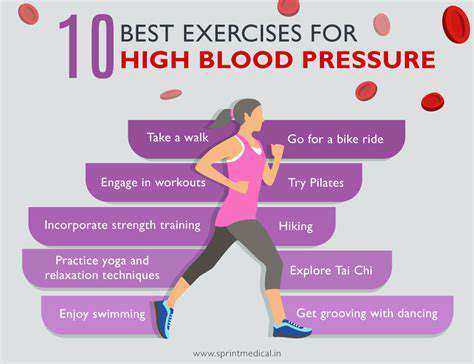
Effective management of lower back pain due to aging should involve a combination of physical activities, ergonomic adjustments, and medical interventions. Engaging in regular low-impact exercises like swimming, walking, or cycling can deliver considerable benefits for spinal health, enhancing strength and flexibility in the lower back.
Moreover, ergonomic modifications at home, such as supportive seating and appropriate workspace arrangements, can play a pivotal role in reducing strain on the lower back. Consulting a professional for personalized ergonomic assessments can offer tailored strategies to minimize discomfort.
In some cases, medications, including non-steroidal anti-inflammatory drugs (NSAIDs), may be prescribed, but it’s essential to use these judiciously. Consideration of alternative therapies, such as acupuncture or chiropractic care, may also provide relief depending on individual preferences and health conditions.
Recognizing Symptoms of Lower Back Issues

Common Symptoms of Lower Back Problems
The symptoms of lower back issues can vary widely from one individual to another, but there are some common indications. The most prevalent symptoms include Persistent pain, discomfort when standing or sitting, and a noticeable stiffness in the lower back region. Identifying these symptoms early can lead to more effective management and treatment options.
Occasionally, individuals may experience referred pain, which is discomfort that radiates from the lower back to other areas such as the hips or legs. This type of pain often signifies that a deeper underlying issue exists, and addressing it promptly can be crucial for preventing further complications.
- Persistent pain or ache in the lower back.
- Stiffness or reduced range of motion.
- Pain radiating to the hips, legs, or buttocks.
Impact of Lifestyle on Lower Back Health
Your daily activities play a significant role in the health of your lower back. For instance, individuals with sedentary lifestyles often face higher risks of chronic back pain due to weakened muscles and improper posture. Making small adjustments, such as incorporating regular movement, can significantly improve Lower back health.
Engaging in low-impact exercises, such as walking or swimming, can enhance flexibility and strengthen the back muscles. According to the American Academy of Orthopaedic Surgeons, maintaining a healthy weight and staying active are essential for preventing lower back issues as you age.
Another important factor is ergonomics in the workplace. Ensuring your workstation is properly set up can greatly reduce strain on your back and promote better posture. Investing in ergonomic chairs or desks could be beneficial for overall health.
When to Consult a Healthcare Professional
It’s crucial to recognize when lower back pain warrants a visit to a healthcare provider. If self-care measures, such as rest, ice, and over-the-counter medications, do not alleviate symptoms after a week, seeking professional advice is necessary.
Additionally, specific indicators suggest the need for immediate medical attention. These include severe pain that disrupts normal activities, symptoms coupled with numbness or weakness in the legs, or the presence of bladder or bowel control issues. Ignoring these signs can lead to more serious health complications.
Preventive Measures for Lower Back Health
Preventing lower back problems comes down to mindful lifestyle choices. Regular physical activity can greatly strengthen the back and core muscles, providing better support and resilience as we age. Simple routines that incorporate stretching and strengthening exercises can work wonders in maintaining flexibility and strength.
Additionally, paying attention to body mechanics while lifting heavy objects is essential. Always bend your knees and keep the load close to your body to avoid strain on the lower back. Incorporating these techniques can help avoid injuries and maintain a healthy back.
Finally, managing stress through wellness practices, such as yoga or meditation, can also contribute positively to lower back health. Stress can lead to muscle tension, which exacerbates discomfort. Therefore, integrating relaxation techniques into your routine can benefit your physical health.
Effective Strategies for Managing Lower Back Health

Understanding the Anatomy of the Lower Back
The lower back, known as the lumbar region, comprises five vertebrae, crucial for mobility and support. This area is also home to essential structures like intervertebral discs, ligaments, and muscles, which work together to provide stability and movement. Understanding its anatomy is vital for recognizing any signs of discomfort or pain.
As we age, changes can occur in these anatomical structures, including disc degeneration and reduced muscle mass. This increase in vulnerability can make the lower back more susceptible to injuries and chronic pain. Familiarity with these changes will help individuals identify effective management strategies.
Common Causes of Lower Back Pain in Older Adults
- Degenerative Disc Disease
- Arthritis and Osteoporosis
- Sciatica
- Muscle Strains
- Improper Posture
Degenerative conditions such as arthritis and degenerative disc disease frequently lead to discomfort in the lower back, particularly among seniors. These conditions result in inflammation and reduced flexibility, ultimately leading to debilitating pain. Recognizing these causes is critical for tailoring appropriate treatment plans.
Incorporating Physical Activity into Daily Routines
Staying active is essential for maintaining lower back health, especially as we age. Activities like walking, swimming, and gentle stretching can significantly enhance flexibility and strengthen back muscles. Regular physical activity can lead to improved blood circulation and nutrient supply to the spine, thus promoting recovery and preventing future injuries.
Involving community or buddy systems for outdoor activities can enhance motivation and accountability. Consider joining a local walking group or participating in chair yoga sessions designed for seniors to encourage consistent engagement.
The Role of Core Strength in Lower Back Support
Core muscles are central to maintaining stability and support for the lower back. These muscles help distribute pressure evenly across the spine and pelvis, reducing the likelihood of strain. Incorporating core strengthening exercises, such as planks and bridges, can bolster support for the lumbar region. A strong core is essential for Preventing lower back pain and enhancing overall functional mobility.
Additionally, integrating balance-training exercises will further stabilize your movements and prevent falls, which can lead to serious injuries among older adults. Regularly challenge your core and balance to adapt and strengthen over time.
Effective Stretching Techniques for Flexibility
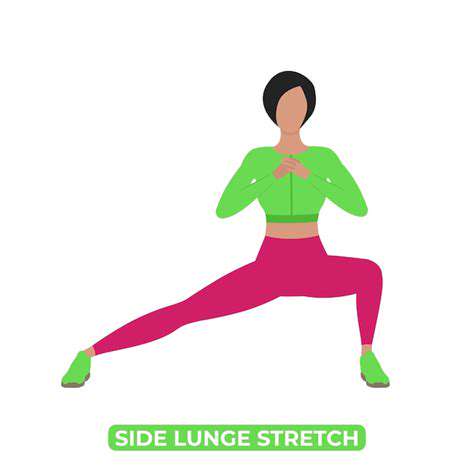
Incorporating regular stretching into your routine can help alleviate tightness and promote better range of motion in the lower back. Techniques such as the cat-cow stretch or knee-to-chest stretch can significantly assist in reducing discomfort. Focusing on the major muscle groups—including hamstrings, hip flexors, and lower back muscles—can enhance overall flexibility and relieve tension.
It's advisable to perform these stretches gently and consistently. Ideally, aim for at least 15 minutes of focused stretching exercises three times a week. Make sure to breathe deeply and listen to your body throughout the process to avoid overexertion.
Alternative Therapies for Pain Relief
Alternative therapies may provide additional relief for those struggling with chronic lower back pain. Treatments such as acupuncture, chiropractic care, and massage therapy have shown promise in alleviating discomfort and improving mobility. For instance, acupuncture may stimulate specific points in the body, leading to a reduction in pain perception and enhanced tissue healing.
Consultation with healthcare professionals is essential before starting any alternative treatment. Personal experiences vary significantly, so it’s crucial to find a method that aligns with individual health needs and preferences.
The Importance of Posture in Back Health
Posture plays a critical role in maintaining lower back health, especially during prolonged sitting. Poor posture can lead to muscle imbalance and increased strain on the lumbar region. Awareness of your posture while sitting, standing, or lifting objects can prevent unnecessary stress on your back.
Investing in ergonomic furniture or adjustments in your workspace can significantly enhance posture. Regular reminders throughout the day to realign should also be a part of your routine to help maintain optimal back health.
When to Seek Medical Advice
Identifying Warning Signs
As we age, it's crucial to Recognize Specific Indicators that suggest it's time to seek professional evaluation. Persistent pain in the lower back—lasting longer than a few weeks—accompanied by feelings of numbness or tingling in the legs can signify underlying issues such as spinal stenosis or herniated discs. According to the American Academy of Orthopaedic Surgeons, if pain worsens or disrupts daily activities, professional assessment should not be delayed.
Moreover, pay attention to any changes in bowel or bladder control. Sudden incontinence or difficulty in urination can be serious signs of cauda equina syndrome, which requires immediate medical intervention. Whenever unusual symptoms present themselves, particularly if they affect mobility or balance, reaching out to a healthcare provider is essential for a thorough evaluation.
Consultation Recommendations
When considering a medical consultation for lower back pain, it's essential to prepare relevant information before your appointment. Keep a detailed log of your symptoms—when they occur, activities that worsen or alleviate them, and any other health changes you have noticed. This can significantly aid your healthcare provider in diagnosing the issue accurately. It's advisable to Consult A Specialist, such as a physical therapist or an orthopedic surgeon, particularly if conservative treatments like over-the-counter medications or physical therapy haven't yielded positive results.
Read more about How Aging Affects the Lower Back and How to Adapt
![Essential Health Screenings for Women [By Age]](/static/images/26/2025-05/ImportantConsiderationsAcrossAllAges.jpg)








Hot Recommendations
-
*Seasonal Vegetable Recipes for Healthy Eating
-
*Reflecting on Daily Wins: A Simple Gratitude Exercise
-
*The Longitudinal Effects of Gratitude on Longevity
-
*Signs of Muscle Imbalance and Its Effect on Back Pain
-
*The Benefits of Trail Running for Endurance and Agility
-
*Recovery Sandals and Gear for Runners
-
*Using Gratitude to Cope with Chronic Pain and Illness
-
*How Giving Back to Others Improves Your Own Health
-
*The Ultimate Guide to Running Your First 5K Faster
-
*Why Gratitude is Key to a Holistic Health Approach