Athletes
Breathing techniques
Athletic Performance
Stress Reduction
Athletic performance
Breathing
Athletics
Running
Performance

Breathing Exercises to Increase Running Lung Capacity

Stress Reduction and Recovery

While diaphragmatic breathing is particularly effective for runners, its benefits extend beyond athletic performance. This technique can significantly contribute to stress reduction and facilitate mental clarity, making it a useful tool for everyday life. Research has indicated that deep breathing stimulates the parasympathetic nervous system, promoting relaxation and reducing anxiety levels.

After intense workouts, incorporating diaphragmatic breathing as part of your cool-down routine can accelerate recovery by helping to lower your heart rate and promote oxygen delivery to fatigued muscles. This practice can enhance overall recovery speed, allowing you to get back on the track sooner and perform at your best.

Engaging with Professional Guidance

If you're serious about optimizing your lung capacity and overall performance as a runner, consider enlisting the guidance of a coach or respiratory therapist who specializes in sports medicine. These professionals can offer tailored exercises and provide feedback on your Breathing Techniques, helping you to avoid common pitfalls and achieve peak performance.

In addition to personalized instruction, attending workshops or online courses focused on breathing techniques can give you deeper insights and advanced strategies. Consistent practice, combined with expert feedback, will exponentially enhance your ability to utilize diaphragmatic breathing effectively in your running routine.

Box Breathing Technique

Understanding Box Breathing

Box breathing is a structured breathing technique often used by athletes and individuals under stress. It involves four simple phases: inhaling, holding, exhaling, and holding again, each lasting for the same duration. This method helps synchronize your breath and can be especially beneficial during intense physical activities such as running.

Research has shown that breathing exercises like box breathing can help lower stress levels and improve focus. A study published in the *Journal of Clinical Psychology* found that controlled breathing techniques significantly reduce anxiety and enhance cognitive function. For runners, this means maintaining mental clarity and endurance, crucial for achieving personal bests.

Steps to Practice Box Breathing

To practice box breathing, start by finding a comfortable and quiet space. Begin by inhaling through your nose for a count of four, ensuring that you fill your lungs completely. Next, hold your breath for another four counts, then exhale through your mouth for four counts. Finally, hold your breath again for four counts before starting the cycle anew. This rhythm not only calms the mind but also promotes effective oxygen delivery in the body.

As you become more familiar with the technique, you may experiment with extending the counts to five or six seconds if it feels comfortable. Consistency is key; try to practice several times a day. Regular sessions can lead to noticeable improvements in lung capacity and overall respiratory health, putting you in a better position for optimized running performance.

When starting, it’s crucial to listen to your body. If at any point you feel lightheaded or uncomfortable, it’s appropriate to return to normal breathing and try again later. This personalized approach ensures the practice remains beneficial rather than harmful.

Benefits for Runners

The Box breathing technique offers substantial benefits for runners looking to enhance their lung capacity and overall performance. By focusing on breath control, runners can improve their oxygen intake efficiency during intense runs. This improved lung efficiency can delay the onset of fatigue and increase stamina, allowing runners to push their limits more effectively.

Moreover, effective breathing techniques can help regulate heart rate and stabilize blood pressure, especially during high-intensity intervals. This physiological response can enhance your performance significantly over time. When you practice box breathing regularly, your body learns to optimize oxygen distribution, which is crucial for peak performance during races or training runs.

Incorporating box breathing into your pre-run warm-up routine can also help mentally prepare you for your workout. By cultivating awareness and focus, you set a positive tone for the session ahead, resulting in better performance. Remember, the mental aspect of running is just as critical as physical preparation; thus, practicing breathing techniques can have a dual benefit.

Final Thoughts on Box Breathing

In conclusion, box breathing is a simple yet powerful tool for runners aiming to enhance their lung capacity and overall performance. It serves not only as a method to improve breathing efficiency but also as a mental training exercise to help maintain focus during strenuous activities. Given the physiological benefits backed by scientific studies, incorporating this technique into your training regimen is a worthy endeavor.

As with any training strategy, individual results may vary. It's essential to experiment and see how box breathing fits into your training routine. Consulting with a coach or respiratory specialist can also provide personalized insights to tailor this technique more effectively to your needs.

Pursed-Lip Breathing
Pursed-LipBreathing

Understanding the Technique of Pursed-Lip Breathing

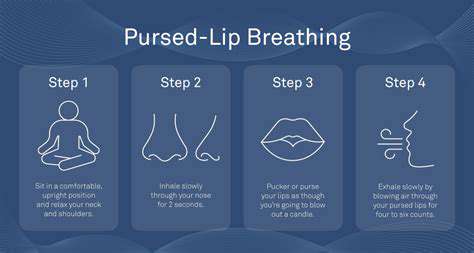
Pursed-lip breathing is a simple yet effective technique that helps to improve lung function during physical activities, especially running. This method promotes better oxygen exchange, leading to enhanced endurance. By controlling the exhalation, you can prolong the time that carbon dioxide is expelled, effectively helping your lungs work more efficiently.

Additionally, this technique can serve as a useful tool when transitioning between varying intensities in a run. Many athletes find that practicing pursed-lip breathing can alleviate feelings of breathlessness, allowing them to maintain their pace. Regular practice can create a physiological response by strengthening the diaphragm and reducing the work of the lungs.

How to Incorporate Pursed-Lip Breathing into Your Routine

To effectively incorporate pursed-lip breathing into your running routine, begin by practicing it in a relaxed state. First, inhale through your nose for a count of two, then purse your lips as if you're about to whistle. Exhale slowly through your pursed lips for a count of four. Doing this consistently helps train your body to use this technique during more intense activities. Start with short intervals and gradually integrate this method into longer runs.

  • Start with a few minutes of pursed-lip breathing in a resting position.
  • Incorporate into warm-up routines before jogging.
  • Use during runs to manage breath during challenging segments.

Make sure to listen to your body; if at any point this technique causes discomfort, ease off and consult a coach or trainer for personalized guidance. Consistency with this breathing exercise can lead to noticeable improvements in your running performance.

Integrating Breathing Exercises into Your Running Routine

IntegratingBreathingExercisesintoYourRunningRoutine

Understanding the Benefits of Breathing Techniques for Runners

Integrating breath control into your running routine can significantly enhance your performance. Research indicates that athletes who practice focused breathing techniques can improve their lung capacity and overall stamina. These techniques, including diaphragmatic breathing and rhythmic inhalation-exhalation, allow runners to utilize their lung capacity more efficiently, thereby minimizing fatigue during long runs.

Additionally, a study published in the Journal of Sports Sciences highlights that dedicated breathing exercises can optimize oxygen uptake. This means that runners are not just breathing; they are maximizing the benefits of each breath. When you consciously use your breathing patterns, you're not only enhancing your physical capabilities but also improving mental clarity, which is crucial for endurance sports.

Practical Breathing Exercises to Incorporate While Running

One effective exercise is the 4-7-8 technique, which encourages a rhythmic pattern: inhale for four seconds, hold for seven seconds, and exhale for eight seconds. This method helps in calming the mind and increasing lung capacity over time. Many runners have reported that practicing this technique during their warm-up sessions leads to improved pace and reduced anxiety during races, supporting the notion that mental and physical readiness go hand in hand.

  • 4-7-8 breathing improves lung capacity.
  • Incorporate deep diaphragmatic breathing to enhance oxygen intake.
  • Practice rhythmic breathing to maintain focus and manage fatigue.

Furthermore, try pairing your breath with your steps. For instance, inhale deeply for three steps and exhale for two. This not only syncs your breath with your running cadence but also allows you to establish a steady rhythm, which can be especially beneficial on uneven terrains or during intervals. Staying attuned to your breath can lead to more enjoyable and efficient runs.

Read more about Breathing Exercises to Increase Running Lung Capacity
30 Day Running Plan for Beginners to 5K
May 10, 2025
How to Improve Your Sleep Quality Naturally
May 20, 2025
Guide to Practicing Digital Detox for Well being
Jul 18, 2025
A Detailed Guide What is Running Economy?Running economy is a vital measure of how efficiently a runner utilizes oxygen at a specific pace. It directly correlates to energy expenditure, where lower energy costs indicate a better running economy. This metric is crucial for runners, especially in endurance events, impacting overall performance and race times. Various factors such as biomechanics, body composition, and running technique influence running economy. Key Factors Influencing Running Economy1. Body Composition: A lower body fat percentage enhances running efficiency.2. Biomechanics: Proper running form reduces energy wastage and improves performance.3. Strength Training: Increased muscle strength contributes to better running efficiency. Essential Strategies to Improve Your Running Economy 1. Targeted Training ProgramsImplementing structured training routines, such as interval training, can significantly enhance running economy by building both speed and efficiency. Small improvements can lead to considerable gains in race performance. 2. Plyometric ExercisesPlyometrics are effective for enhancing running economy. These explosive movements train muscles to apply force quickly, improving efficiency. Incorporating plyometric exercises into your workouts can yield measurable progress. 3. Strength TrainingStrength training is crucial for all runners. A strong core stabilizes the body during runs, preventing energy wastage. A well-crafted resistance training program targeting major muscle groups is essential, with exercises like squats and deadlifts being key. 4. Improving Running FormUnderstanding your running mechanics—foot strike, posture, and cadence—can lead to enhanced performance and efficiency. Regular assessments of form, possibly using video analysis, can help identify areas needing improvement. 5. Speed Work and Tempo RunsIntegrating speed work significantly boosts running economy. Short, high-intensity intervals enhance muscle adaptation and VO2 max. Additionally, tempo runs help improve your lactate threshold, allowing for sustained faster paces. 6. Proper Nutrition and HydrationBalancing macronutrients is essential for performance. Focus on carbohydrates for energy and sufficient protein for recovery. Staying hydrated is critical, as even minor dehydration can diminish performance. 7. Consistent Training RoutineEstablishing a consistent training schedule not only strengthens muscles but reinforces the neuromuscular pathways necessary for efficient running. Keep your routine varied to maintain interest and engagement. 8. Cross-Training PracticesIncorporating other activities like cycling or swimming can enhance overall performance and prevent injuries. It helps maintain cardiovascular fitness during recovery phases while promoting muscle strength and flexibility. 9. Focus on Mental StrategyMental training techniques like visualization can positively affect running performance. Develop mental resilience to enhance focus during challenging runs or races. ConclusionImproving your running economy is essential for enhancing performance and staying injury-free. By following a comprehensive approach that includes targeted training, proper nutrition, strength work, and consistent practice, you can achieve significant advancements in your running. Embrace these strategies to unlock your potential and achieve your race day goals!
Mar 03, 2026
Pace, Split Times, Cadence, Heart Rate, and Form IntroductionIn the world of running, measuring performance is integral for progression and achieving personal bests. This comprehensive guide explores essential metrics including pace, split times, cadence, heart rate, and running form. By understanding and utilizing these metrics, runners at all levels can enhance their training and race day performance. What is Pace?Pace, the time it takes to cover a specific distance, serves as a pivotal metric that helps runners evaluate their speed. Calculating your pace is simple: divide the total running time by the distance covered. For instance, running 5 miles in 40 minutes results in a pace of 8 minutes per mile. Monitoring your pace can substantially improve running performance, as studies indicate that runners focusing on their pacing strategies tend to outperform others. The Importance of Split TimesSplit times provide a detailed analysis of performance segments throughout a run. By tracking these times, runners can adjust their pace during races to optimize their strategy. Utilizing GPS-enabled devices and fitness apps can enhance this process, offering real-time feedback on various metrics such as cadence and estimated finish times. This analysis can empower runners to make informed decisions during training and races. Cadence: The Rhythm that Drives PerformanceCadence, or the number of steps taken per minute, plays a significant role in running efficiency. An ideal cadence typically falls between 160 to 180 steps per minute, contributing to a more efficient stride and reduced injury risk. Runners can calculate their cadence by timing themselves for a minute and doubling the footfalls counted. Strategies such as incorporating interval sprints or running to music can help improve cadence. Heart Rate: The Connection Between Effort and PerformanceHeart rate monitoring is essential for understanding exertion levels and improving training quality. The five heart rate zones—resting, moderate, hard, very hard, and maximum—each offer unique benefits for performance enhancement. Consistently measuring heart rate through reliable devices and recovery assessments can lead to more targeted and effective workouts. Optimizing Running FormRunning form encompasses posture, foot strikes, and arm movements, directly impacting running efficiency and injury prevention. Key elements such as a mid-foot strike and relaxed arm swing are crucial to achieving optimal performance. With the aid of technology, runners can analyze their form through apps that track stride length and cadence, allowing for personalized adjustments. ConclusionBy understanding and applying these key metrics—pace, split times, cadence, heart rate, and running form—runners can significantly improve their training effectiveness and race outcomes. Using technology and data-driven insights, athletes can personalize their strategies, optimize performance, and reach their running goals more effectively. Embrace these metrics and unlock your full running potential!
Mar 05, 2026
Essential Techniques for Speed and Endurance Discover Powerful Drills for RunnersUnlock your running potential with effective techniques designed to boost your power, speed, and overall performance. This comprehensive guide explores the benefits of high knees, A-skip drills, strides, hill sprints, and tempo runs, ensuring you develop the essential skills needed to excel on the track or trail. High Knees: A Power BoosterHigh knees are a vital exercise for runners, focusing on explosive strength and speed enhancement. By engaging the hip flexors and quadriceps, high knees can significantly improve sprinting speed and cardiovascular fitness. Incorporate high knees into your training by practicing the proper form—standing tall, driving your knees to hip height, and coordinating arm movements for stability. Implement high knees in your warm-up, interval routines, or as a cooldown to elevate your running efficiency. A-Skip Drills: Coordination and CadenceA-skip drills are crucial for improving runners’ coordination and cadence. This exercise reinforces a natural running motion and helps develop muscle memory, essential for efficient running. Aim to practice A-skips several times a week, focusing on posture, rhythm, and intentional movements. By maintaining straight posture and incorporating arm techniques, you'll see improved speed and agility in long-distance runs. Strides for Speed DevelopmentStrides are key to enhancing both stride length and frequency—two vital components of speed. Elevate your running performance with specific drills like bounding and flying 30s. Mixing high-knees and butt-kicks into your warm-up routine will prepare your muscles for explosive movements, reinforcing proper form. Regularly incorporating these drills into your training regimen can lead to substantial improvements in your speed and overall efficiency. Hill Sprints: Strength and EnduranceHill sprints provide a unique challenge, engaging different muscle groups compared to flat ground running. This intense workout builds strength, enhances endurance, and promotes better running form. Start by gradually introducing hill sprints into your training plan, focusing on maintaining high knees and short ground contact time. Pairing these workouts with lower body strength training will further amplify your results. Remember to prioritize recovery for optimal performance improvement. Tempo Runs: Consistency in SpeedTempo runs are essential for developing speed and endurance. By maintaining a comfortably hard pace for extended periods, athletes can enhance their aerobic capacity and lactate threshold. Incorporate one tempo run per week into your training routine, gradually increasing intensity and duration as you progress. Proper warm-ups and cooldowns are critical to prevent injuries and maximize benefits, allowing you to achieve better race performance over time. Common Mistakes to AvoidUnderstanding common pitfalls can enhance your training effectiveness. In high knees, avoid inadequate knee height and lack of arm coordination. During tempo runs, resist the urge to start too fast, and ensure you allow for adequate recovery. Listening to your body and adjusting your workouts accordingly will prevent burnout and help maintain your performance levels.---By integrating these targeted techniques into your running routine, you’ll not only improve your speed and endurance but also achieve your athletic goals with more efficiency. Start implementing these drills today and experience the transformative benefits they offer!
Mar 06, 2026
Engage the entire core and improve stability. Aim for longer hold times as you progress.2. Crunch Variations: Reverse and twisting crunches target different abdominal areas effectively.3. Leg Raises: Build lower abdominal strength which is crucial for better posture.4. Pilates: Enhances core strength and flexibility, making it suitable for all fitness levels.Incorporate these exercises into your weekly routine for a balanced approach to core strengthening. Aim for at least three sessions per week, ensuring consistency and progression. ConclusionEmphasizing core strength is vital for enhancing posture, stability, and athletic performance. By integrating targeted core exercises into your daily routine, you can reduce the risk of injury and become more physically adept in various activities. Start focusing on your core today for a healthier and more active lifestyle.
Mar 11, 2026
Protein Supplements for Recovery and Endurance Enhance Your Recovery and Endurance with the Right SupplementsAre you a runner or an endurance athlete looking to enhance your performance and recovery? Protein supplements, electrolytes, caffeine, branched-chain amino acids (BCAAs), and beetroot juice may offer the edge you need. Understanding how these supplements function can guide you in making informed choices that foster your athletic journey. The Role of Protein in RecoveryAfter intense workouts, your muscles require repair and rebuilding. Consuming protein supplements helps optimize muscle recovery, particularly through whey and casein blends that provide both immediate and sustained amino acids. Aim for 20-30 grams of protein within the first hour post-exercise to maximize recovery benefits. Choosing Protein for EnduranceNot all protein supplements are created equal for endurance training. Opt for high biological value proteins and consider blends that cater to specific dietary needs, including plant-based options like pea and brown rice protein. Adding branched-chain amino acids (BCAAs) can enhance endurance and delay fatigue, making your long runs more effective. Importance of ElectrolytesElectrolytes are vital minerals that support hydration and muscle function. They’re lost through sweat during prolonged physical activity, emphasizing the need to replenish them. Sodium, potassium, calcium, and magnesium are essential for optimal performance. Runners can replenish electrolytes through sports drinks or whole foods like bananas and nuts, creating a well-rounded dietary strategy. Hydration StrategiesEffective hydration involves monitoring your electrolyte intake before, during, and after workouts. Some athletes may benefit from electrolyte tablets or powders for precise dosing without unnecessary sugar content. Caffeine for Enhanced Focus and EnduranceCaffeine is a proven performance booster, enhancing focus and stamina during runs. It blocks adenosine, increases dopamine levels, and helps mobilize fat for energy. It is recommended to consume caffeine 30-60 minutes before exercise, with optimal dosages typically ranging from 3-6 mg per kilogram of body weight. However, individual tolerance varies, and trial during training may help find the best approach for you. Alternative Caffeine SourcesExplore caffeinated options beyond coffee, including energy gels or drinks designed for athletes. Green tea offers a gentler dose with added antioxidants, rounding off your hydration plan. The Benefits of BCAAsBranched-chain amino acids play a crucial role in muscle recovery, helping to reduce soreness and enhance endurance. Available in various formats, incorporating BCAAs before or during your runs can enhance performance. A daily intake of 5 to 20 grams is effective for most athletes. Beetroot Juice for Nitric Oxide ProductionBeetroot juice is abundant in nitrates, converting to nitric oxide (NO), which improves blood flow and oxygen delivery to muscles. Consuming 300-500 ml about 2-3 hours pre-exercise can lead to improved performance and reduced fatigue. This natural option not only boosts athletic output but also offers additional vitamins and antioxidants.In conclusion, incorporating these supplements into your training regime can significantly improve recovery and endurance. Be mindful of individual responses to these substances, and tailor your diet to meet your specific needs. Your journey towards optimal performance begins with informed choices; start today!
Mar 11, 2026
A Comprehensive GuideAre you a long-distance runner looking to optimize your performance and recovery? Understanding the crucial role of macronutrients—carbohydrates, proteins, and fats—can significantly enhance your athletic journey. In this guide, we explore the importance of each macronutrient, hydration strategies, and the timing of nutrition tailored specifically for endurance runners. Carbohydrates: The Foundation of EnergyCarbohydrates are the primary energy source for runners. Aiming for 60-70% of your diet to consist of carbs is essential, especially during intensive training sessions. Complex carbohydrates from whole grains, fruits, and vegetables ensure a steady energy release, essential for prolonged exercise. Pre-race meals should include energy-rich options like brown rice and sweet potatoes to fuel your long runs effectively. Protein: Essential for RecoveryPost-run, protein becomes pivotal for muscle recovery. Consuming around 1.2 to 1.4 grams of protein per kilogram of body weight daily can help heal micro-tears in your muscles. Foods rich in protein such as lean meats, fish, and plant-based options should be included in your post-exercise meals, ideally in combination with carbs for optimal recovery. Healthy Fats: An Overlooked Energy SourceDon’t underestimate the power of healthy fats in your diet. While they serve as a secondary energy source, unsaturated fats play a key role in nutrient absorption and hormone production. Incorporating sources like avocados and nuts helps maintain balanced energy levels, especially during low-intensity exercises or long runs. Hydration: The Unsung HeroHydration is critical for performance and recovery in long-distance running. Aim to drink fluids regularly—before, during, and after your workouts. Electrolyte-rich sports drinks are beneficial during longer runs to replace lost salts and maintain hydration balance. Monitoring urine color can be a simple way to gauge your hydration levels and adjust accordingly. Timing Your NutritionThe timing of your macronutrient intake can influence your performance. Consuming carbohydrates and protein within 30 minutes post-exercise aids in recovery, while a balanced meal before your run can set you up for success. Experimenting with your nutrition strategy and consulting with a sports dietitian can help tailor a plan that suits your unique physiology. Listening to Your BodyRecognizing the signals your body sends is crucial for any athlete. Signs of fatigue, soreness, or even hunger can indicate when adjustments to training or nutrition are necessary. Stay attuned to your body's needs to optimize performance and reduce injury risk. Mindful Mental HealthLastly, don't neglect mental well-being. Techniques like mindfulness, goal setting, and stress management can enhance focus and motivation. Remember to take adequate rest and prioritize sleep, as recovery is as vital as your training itself.---By understanding and effectively managing your macronutrient intake, hydration, and mental health, you can significantly improve your long-distance running performance. Whether you're prepping for your next marathon or simply looking to enhance your overall running experience, this comprehensive guide equips you with the knowledge needed to excel.
Mar 12, 2026
carbohydrates, proteins, and fats. Carbohydrates should dominate your intake, providing the quick energy needed for endurance activities. Aim for 7-10 grams per kilogram of body weight in the days leading up to your run. Proteins play a crucial role in muscle repair, with a recommended intake of 1.2 to 1.4 grams per kilogram for those engaging in high-volume running. Healthy fats contribute to long-term energy and should make up 20-35% of your daily calories. Hydration GuidelinesHydration is vital for performance and recovery. Drink 17-20 ounces of water a few hours before running and stay consistently hydrated throughout your run—aim for 7-10 ounces every 10-20 minutes, using electrolyte drinks for runs longer than an hour. This helps combat fatigue and sustains stamina. Foods to Fuel Your RunsPre- and post-run nutrition can't be overlooked. Focus on complex carbohydrates such as whole grains, fruits, and vegetables for consistent energy. A meal rich in carbohydrates 3-4 hours before your run can make all the difference. After exercising, consume a recovery meal with a 3:1 ratio of carbohydrates to protein to promote muscle recovery effectively. The Role of ElectrolytesElectrolytes like sodium, potassium, calcium, and magnesium are crucial for maintaining fluid balance and preventing cramps during intense running. Incorporate foods or sports drinks that replenish these essential nutrients to maintain performance levels. Pacing Yourself WiselyUnderstanding energy zones can significantly enhance your pacing strategy. Most runners should start in Zone 1 to warm up gradually. Creating a strategic pace plan that incorporates negative splits helps manage energy efficiently. Mental Strategies for SuccessVisualization techniques and positive self-talk can enhance focus and resilience when the going gets tough. Practicing mindfulness and breathing techniques during your runs helps maintain clarity and a relaxed posture. Incorporating Interval TrainingImplementing interval training can improve both speed and endurance by alternating high-intensity bursts with resting periods. Craft a personalized plan based on your goals for speed or stamina, and track your progress to make necessary adjustments. Recovery StrategiesPost-run recovery is essential in preventing injuries and ensuring long-term performance. Embrace active recovery techniques like low-intensity activities and foam rolling, and maintain a balanced diet rich in carbohydrates and protein for optimal muscle repair. ConclusionEvery runner's nutritional and recovery needs vary. Pay close attention to what works best for you—consider consulting with a registered dietitian specializing in sports nutrition to tailor a personalized dietary plan. Follow these guidelines to maximize your running performance, ensuring you're prepared for every challenge on the road ahead.
Mar 17, 2026
- Leg Swings: Improve hip flexibility and mobility.- Torso Twists: Enhance spinal mobility and prepare the core.- Knee Hugs: Stretch the lower back while improving balance.Integrating these movements into your routine not only increases core temperature but also prepares necessary muscle stabilizers against injury. Timing and Frequency for Maximum BenefitPerform your dynamic warm-up 15 to 30 minutes before your primary workout. This timing allows your heart rate to elevate adequately, activating muscle groups without inducing fatigue. Incorporating these warm-ups into every workout session is especially critical for activities involving significant physical exertion. Conclusion and RecommendationsIn conclusion, dynamic warm-ups are indispensable for anyone looking to enhance their performance while minimizing the risk of injuries, particularly back pain. Tailoring your warm-up routine to match the specific demands of your workout leads to better results and a safer exercise experience. Make dynamic warm-ups a non-negotiable part of your workout regimen. Not only will you improve your athletic performance, but you will also invest in your long-term health and well-being. Commit to this crucial aspect of your fitness journey today, and experience the benefits of a thorough warm-up routine.
Mar 18, 2026
The Power of Interval Training and Tempo RunsIn the world of running, interval training and tempo runs are two key strategies for enhancing overall performance, speed, and endurance. Runners seeking to up their game can benefit significantly from understanding and incorporating these techniques into their training regimen. Understanding Interval TrainingInterval training involves alternating between periods of high-intensity effort and recovery. This approach not only boosts aerobic capacity but also enhances cardiovascular efficiency, leading to improved endurance and speed over longer distances. For instance, structured workouts like the 4x400m repeat session allow runners to fine-tune their pacing strategies, enabling them to achieve better race results. Implementing Effective Interval WorkoutsTo maximize the benefits of interval training, it’s essential to structure your workouts effectively. Start with a warm-up of at least 10 minutes followed by intervals of 30 seconds to 1 minute at a pace faster than your typical race pace. Gradually increase intensity and frequency to see substantial improvements. Incorporating intervals 2-3 times a week can significantly enhance marathon training. Enhancing Endurance with Tempo RunsTempo runs require maintaining a steady, challenging pace, often defined as comfortably hard. Aiming for a heart rate of 80-90% of your maximum, this workout builds aerobic capacity and improves lactate threshold—crucial elements for marathon performance. Structure your tempo runs with a warm-up, a steady pace segment, and a cooldown to provide consistent progress in your training. The Science Behind These TechniquesResearch underscores the effectiveness of both interval training and tempo runs. Studies published in the Journal of Applied Physiology reveal that these workouts can increase VO2 max, improve stamina, and enhance muscle efficiency—essential for sustaining faster paces during races. Monitoring Progress for Best ResultsFor continuous improvement, runners should monitor their training, noting metrics such as pace, heart rate, and perceived exertion. Keep a training log to identify trends, and consider participating in races to gauge progress. Consistent evaluations can inform necessary adjustments to your training plan, ensuring sustained improvements in speed and endurance. Building Mental Toughness Through TrainingBeyond physiological benefits, these training techniques also cultivate mental toughness. Many competitive runners find that pushing through tough workouts helps them develop coping strategies for race day. Visualization techniques and structured goal-setting during interval sessions can reinforce a resilient mindset essential for marathon success. Final ThoughtsBy integrating interval training and tempo runs into your running routine, you can significantly boost speed, endurance, and mental resilience. Remember to tailor your workout intensity to your fitness level and adjust your strategies based on progress and external conditions. With dedication and smart training, achieving your marathon goals is within reach. Start Your JourneyBegin your training today and experience the transformative power of interval training and tempo runs for your running performance. Don’t forget to listen to your body, adjust your paces, and monitor your progress for the best results.
Mar 19, 2026
View Publications>>

Hot Recommendations