Why Gratitude is Essential for Holistic Mental Health
List of Contents
- Gratitude enhances brain function through serotonin and dopamine modulation.
- Expressing gratitude improves emotional states and resilience against depression.
- Gratitude fosters stronger social connections and relationships.
- Practicing gratitude reduces symptoms of anxiety and depression.
- Gratitude creates a positive feedback loop in emotional well-being.
- The practice of gratitude aids in stress management during challenging times.
- Regular gratitude practice enhances long-term mental well-being.
- Gratitude can mitigate conflicts through a positive mindset shift.
- Cultivating gratitude can improve relationship satisfaction and emotional intimacy.
- Mindfulness meditation promotes feelings of gratitude and emotional resilience.
- Daily gratitude rituals reinforce appreciation and life's small victories.
- Practicing gratitude can reduce cortisol levels and overall stress.
- Gratitude correlates with better physical health and well-being.
- Long-term gratitude practices foster positive coping strategies for challenges.
- Expressing gratitude strengthens interpersonal connections and emotional health.
The Science Behind Gratitude and Mental Health
Understanding Gratitude's Impact on Neurotransmitters
Research has shown that Practicing gratitude can significantly enhance brain function through the modulation of neurotransmitters. Specifically, increased levels of serotonin and dopamine are observed in individuals who regularly express gratitude. According to a study published in the journal *Psychological Science*, participants who kept a gratitude journal experienced an increase in these neurotransmitters, which play vital roles in mood regulation and overall mental health. This biochemical shift can lead to improved emotional states and resilience against depression.
Moreover, gratitude has been linked to changes in the brain's neural pathways. Neuroimaging studies reveal that expressing gratitude activates areas in the prefrontal cortex, associated with decision-making and social behavior. Such activation suggests that gratitude not only enhances feelings of well-being but may also foster cognitive flexibility. This transformation highlights the profound, biological underpinnings of gratitude as an essential attribute for maintaining mental health.
The Role of Gratitude in Psychosocial Well-Being
Beyond its neurochemical effects, gratitude plays a crucial role in enhancing psychosocial well-being. Studies indicate that individuals who regularly practice gratitude report higher levels of social connectedness, which is critical for mental health. For instance, a study in the *Journal of Happiness Studies* found that gratitude can cultivate stronger relationships, as it encourages individuals to appreciate and acknowledge the contributions of others. This social reinforcement creates a supportive network, which is fundamental for coping with stress and adversity.
Moreover, gratitude practices, such as writing thank-you notes or sharing appreciation with others, can directly reduce symptoms of anxiety and depression. Institutions such as the American Psychological Association support evidence suggesting that gratitude interventions can lead to sustained improvements in mental health. Therefore, incorporating gratitude into daily life emerges as a valuable strategy for enhancing not just individual well-being but also community health.
Gratitude as a Tool for Resilience
Understanding the Psychology Behind Gratitude
Gratitude has been extensively studied within psychology, revealing its profound Impact on emotional well-being. Research indicates that gratitude can foster positive emotions, leading to improved mental health. For instance, studies published in journals like Personality and Individual Differences show that regularly practicing gratitude can enhance overall life satisfaction and reduce feelings of depression.
Moreover, gratitude promotes a positive feedback loop. When individuals express thankfulness, they often experience heightened feelings of joy and optimism, which in turn encourages them to adopt more positive behaviors. This cyclical nature can be particularly beneficial in stressful situations, fostering resilience amidst challenges.
The Biological Impact of Gratitude on the Brain
Neuroscientific studies reveal that gratitude activates brain regions associated with emotion regulation and reward processing. The act of expressing thanks increases dopamine production, a neurotransmitter linked to pleasure and motivation. Research published in the Journal of Happiness Studies highlights how consistent gratitude practices can lead to long-term brain changes, enhancing emotional resilience.
Practical Ways to Cultivate Gratitude
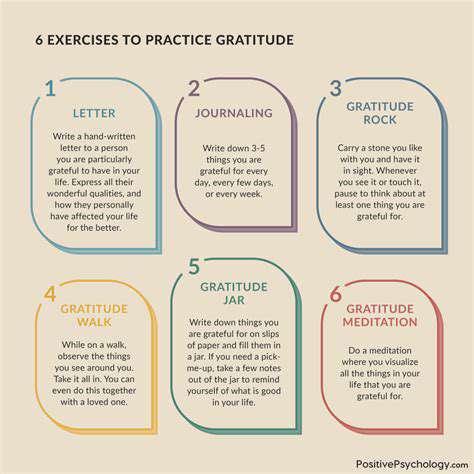
Incorporating gratitude into daily life can be straightforward yet profoundly impactful. One effective method is keeping a gratitude journal where individuals write down things they are thankful for on a regular basis, ideally daily. This practice not only encourages reflection but also shifts focus away from negative thoughts.
Additionally, expressing gratitude verbally can fortify relationships and promote social bonds. When people communicate appreciation to others, it not only boosts their own mood but also strengthens connections, which is essential for emotional health. Simple acts, like sending a thank-you note, can create a ripple effect of positivity.
The Role of Gratitude in Stress Management
Gratitude can serve as a powerful tool during stressful times. Research indicates that individuals who regularly practice gratitude report lower levels of perceived stress. In a 2020 study published in “Psychological Science,” participants who engaged in gratitude exercises showed more resilience when faced with adversity compared to those who did not.
This stress management benefit is particularly relevant in today’s fast-paced society. By shifting focus from what one lacks to what one appreciates, individuals can cultivate a more balanced perspective, resulting in lower anxiety levels and improved coping strategies. This is especially important for maintaining holistic mental health.
Long-Term Benefits of Gratitude on Mental Well-Being
The long-term psychological benefits of gratitude are well-documented. Regularly practicing gratitude has been linked with improved mental clarity, enhanced emotional stability, and a greater overall sense of life purpose. Studies indicate that individuals who consistently engage in gratitude practices report fewer symptoms of mental health disorders.
Furthermore, the ability to recognize and appreciate positive aspects of life can lead to better stress management and interpersonal relationships, both critical elements of ongoing mental well-being. As we become more attuned to gratitude, we also foster a proactive approach to handling life's challenges, ultimately paving the way for a more resilient mind.
Enhancing Relationships Through Gratitude

Understanding the Impact of Gratitude on Relationships
Gratitude significantly impacts interpersonal relationships by fostering a deeper sense of connection between individuals. Research indicates that expressing gratitude can lead to heightened feelings of trust and cooperation. According to a study published in the Journal of Personality and Social Psychology, participants who expressed thankfulness reported greater satisfaction in their relationships. These findings highlight the profound role gratitude plays in enhancing social bonds.
Moreover, regular expressions of appreciation can establish a positive feedback loop, reinforcing the behaviors that prompted gratitude in the first place. By acknowledging each other's contributions, individuals create a supportive environment that encourages open communication. This can greatly enhance emotional intimacy and trust within relationships.
Practical Ways to Cultivate Gratitude in Daily Interactions
- Start a gratitude journal to regularly reflect on and document what you appreciate about others.
- Make it a habit to express thankfulness verbally or through small gestures, like notes or texts.
- Incorporate gratitude practices into your regular meetings or family gatherings to strengthen bonds.
Integrating gratitude into everyday life doesn't have to be overwhelming. One simple method is to set aside a few moments each day to reflect on the positive contributions of those around you. This can be as informal as acknowledging someone's help with a work project or complimenting a friend’s supportive nature. These small acts foster a culture of appreciation and support.
The Role of Gratitude in Conflict Resolution
Gratitude plays a crucial role in mitigating conflicts by shifting focus from negative emotions to positive aspects of relationships. Practicing gratitude can help individuals reframe their perceptions, leading them to view conflicts as opportunities for growth rather than obstacles. This shift in mindset can greatly impact how solutions are negotiated.
In challenging situations, acknowledging what each party brings to the table can pave the way for compromise and understanding. For example, during a disagreement, it can be helpful to remind both your partner and yourself of shared goals and past positive experiences. This creates an environment conducive to resolution and can ameliorate lingering tensions.
Simple Ways to Cultivate Gratitude Daily

Start a Gratitude Journal
One effective method to cultivate daily gratitude is by maintaining a gratitude journal. Writing down what you are thankful for enhances your awareness of life’s positives. Research by psychologists suggests that journaling can significantly improve mental health and overall well-being.
When you consistently document your gratitude, you train your brain to focus on the positive aspects of life. This can lead to a noticeable shift in mindset over time, making challenges feel less daunting.
- Consistent writing can shift your mindset.
- Research shows journaling can enhance well-being.
- Awareness through journaling can uncover missed joys.
Practice Mindfulness Meditation
Mindfulness Meditation is another powerful tool to develop gratitude daily. By taking just a few minutes each day to focus on the present, you allow space for gratitude to arise naturally. Studies indicate that mindfulness not only reduces stress but also increases feelings of gratitude towards oneself and others.
Incorporating gratitude into your meditation practice can deepen your experience and promote emotional resilience. This is particularly beneficial for those dealing with anxiety or depression, as mindfulness fosters a greater connection to one’s thoughts and feelings.
Express Gratitude to Others
Telling others how much you appreciate them is a simple yet impactful way to Cultivate Gratitude in your daily life. You can write letters, make phone calls, or share your thoughts in person. A study conducted by researchers at the University of California found that expressing gratitude can significantly boost your mood and strengthen social bonds.
Taking the time to acknowledge the people who support you not only uplifts them but also enhances your own emotional health. When you express gratitude, it can inspire both you and others to create a more positive atmosphere.
Establish a Daily Gratitude Ritual
Creating a daily ritual dedicated to gratitude can solidify this practice in your routine. This might include setting aside 5-10 minutes each morning or night to reflect on three things you're thankful for. Research supports the notion that regular rituals can have a profound effect on mental health.
A Daily Gratitude Ritual encourages self-reflection and can help you notice the small victories in life. Integral to fostering a positive mindset, rituals can improve overall emotional stability and lead to greater life satisfaction over time. This consistency allows gratitude to become a natural part of your daily life.
The Long-Term Benefits of Embracing Gratitude
The Psychological Impact of Gratitude
Practicing gratitude can significantly enhance psychological well-being. Research conducted by Emmons and McCullough (2003) demonstrated that individuals who regularly engage in gratitude exercises show heightened levels of happiness and reduced symptoms of depression. This positive shift in mood can create a snowball effect, improving overall life satisfaction.
Gratitude fosters better emotional regulation, which is essential for mental health. By focusing on the positives in life's circumstances, individuals can train their brains to respond less negatively to stressors. This neuroplasticity allows for healthier coping mechanisms, promoting resilience in the face of adversity.
Improved Relationships Through Gratitude
Expressing gratitude can strengthen personal relationships by fostering a sense of connection and appreciation. Studies indicate that individuals who express gratitude towards their partners are generally more satisfied in their relationships. Not only does this gratitude boost relationship satisfaction, but it also encourages reciprocation, creating a cycle of positivity.
Additionally, gratitude can bridge gaps in communication and misunderstandings. When individuals acknowledge each other’s efforts and sacrifices, it opens pathways for more meaningful dialogue. This mutual exchange ultimately nurtures a deeper bond, essential for long-term relationship success.
Gratitude as a Stress Reliever
Incorporating gratitude practices into daily routines has been shown to lower cortisol levels, thereby reducing overall stress. A 2016 study by Wood et al. found that individuals who actively practiced gratitude experienced fewer stress-inducing thoughts and feelings. Stress management is a crucial aspect of maintaining mental health, and gratitude serves as a powerful tool in this context.
Enhancing Physical Health through Gratitude
There is a compelling connection between gratitude and physical health. Grateful individuals are more likely to engage in health-promoting activities, such as exercising regularly, maintaining a balanced diet, and attending routine medical check-ups. Research published in the Journal of Health Psychology reveals that gratitude can lead to better sleep quality, which in turn supports overall mental and physical wellness.
Long-Term Benefits in Coping Mechanisms
Adopting a mindset of gratitude shapes how individuals cope with challenges. Long-term practitioners of gratitude are more likely to approach adversity with a growth mindset. This perspective helps them see obstacles as opportunities for learning rather than insurmountable barriers. Over time, this adaptability can lead to more effective and positive coping strategies when faced with life’s ups and downs.
Strategies for Cultivating a Gratitude Practice
Starting a gratitude journal is one of the simplest and most effective strategies to incorporate into your daily routine. Dedicate a few minutes each day to noting down things you are thankful for, focusing on both significant and minor aspects of your life. This practice can help shift attention away from negative experiences and renew appreciation for the positive.
Another effective method is to express gratitude vocally or through writing to those you appreciate in your life. Whether it’s a thank-you note or a simple message, communicating your appreciation can reinforce positive feelings both for yourself and the recipient. This process not only bolsters your mental health but also strengthens interpersonal connections.
Read more about Why Gratitude is Essential for Holistic Mental Health








Hot Recommendations
-
*Teaching Gratitude to Kids for Lifelong Mental Health
-
*Exercises to Strengthen Your Core and Protect Your Lower Back
-
*7 Day Running Plan to Increase Your Weekly Mileage
-
*5 Ways Gratitude Can Help You Achieve Your Weight Loss Goals
-
*How to Set Up an Ergonomic Desk to Stop Back Pain
-
*Mental Endurance: How to Push Through the "Wall"
-
*Starting Your Health Transformation with Gratitude and Movement
-
*Using Gratitude to Combat Loneliness and Isolation
-
*How to Fuel Your Body for Long Distance Running
-
*Post Run Nutrition: What to Eat for Maximum Endurance