Yoga Poses for Lower Back Pain Relief and Flexibility
Implementing specific yoga poses into your routine can yield significant benefits for lower back health. For instance, Child's Pose provides deep relaxation while gently stretching the spine, helping to alleviate pain and tension. Over time, incorporating these poses can enhance overall mobility.
Those new to yoga should focus on their body’s limits and modify poses as needed to avoid any strain. Taking a gentle approach allows for gradual improvement and increased flexibility, essential for long-term relief.
The Importance of Consistency
Achieving lasting Lower back pain relief requires consistent practice over time. Studies indicate that individuals who engage in yoga regularly report more significant and sustained pain reduction. Consistency, rather than perfection, is key to reaping the benefits of yoga. Even short, daily practices can make a noticeable difference.
Setting a routine that includes simple, accessible yoga stretches can enhance flexibility and mobility. For those struggling to maintain motivation, joining a class or using online resources can provide both structure and support. Engaging with a community helps keep you accountable and encourages continued practice.
In conclusion, combining the therapeutic aspects of yoga with regular practice can lead you toward a pain-free lifestyle. Always prioritize listening to your body and consult with experts to ensure your practice is safe and effective for your unique needs.
Top Yoga Poses for Alleviating Lower Back Pain
Understanding the Causes of Lower Back Pain
Lower back pain affects millions of people worldwide, making it a common ailment. Often, it results from a combination of factors including poor posture, muscle strain, or spinal issues. Research indicates that sedentary lifestyles, especially with prolonged sitting, contribute significantly to the prevalence of these pain issues in your lower back. Furthermore, age-related degeneration can also play a significant role in this condition.
Moreover, specific risk factors such as obesity or previous injuries can exacerbate lower back pain. Understanding the root causes is essential in identifying the most effective yoga poses that can address these concerns. For a more comprehensive understanding, studies published in the *Journal of Pain Research* suggest that individualized approaches considering these factors yield better outcomes.
Benefits of Yoga for Lower Back Pain
Yoga is not just a physical practice; it encompasses breathing techniques and mental relaxation. This holistic approach can significantly alleviate lower back pain through increased flexibility and strength. A study published in the *Journal of the American Osteopathic Association* highlighted that consistent yoga practice improved pain and functionality in individuals suffering from chronic lower back discomfort.
By promoting spinal health and joint mobility, yoga enhances the body’s natural ability to heal itself. Furthermore, studies suggest that mindful movement can reduce stress, which is often a contributing factor to chronic pain conditions. Incorporating yoga into one's routine not only addresses physical symptoms but also supports emotional well-being.
Additionally, yoga encourages awareness of body alignment, which can lead to permanent postural improvements, ultimately reducing stress on the lower back.
Key Yoga Poses for Immediate Relief
Among the myriad of yoga poses, some stand out for their efficacy in relieving lower back pain. Poses like Child’s Pose and Cat-Cow are particularly effective for immediate relief. Child’s Pose allows you to gently stretch your lower back and hips, while Cat-Cow facilitates spinal mobility, helping to ease tension in the back muscles. Performing these poses consistently can yield significant relief and enhance your overall flexibility.
Another vital pose is Downward Dog, which extends and strengthens the entire back. Research has shown that regular practice of this pose can release muscular tension and promote better blood flow to the affected areas, hence accelerating healing. Remember to focus on breathwork throughout your practice, as it can enhance relaxation and amplify the benefits of these poses.
Incorporating Strengthening Exercises
While stretching is crucial, strengthening the muscles supporting the spine is equally important in alleviating lower back pain. Poses such as Bridge Pose and Plank are essential for building the core and back strength necessary for spinal support. A strong core stabilizes your lower back and reduces the likelihood of injury when engaging in daily activities.
Additionally, the practice of Warrior poses engages various muscle groups while promoting balance and stability. A combination of strength-enhancing poses, alongside flexibility work, provides a complete routine that addresses multiple aspects of back health. It's advisable to progress gradually, listening to your body’s limits to avoid exacerbating any pain.
Creating a Consistent Practice Routine
Establishing a consistent yoga routine tailored to alleviate lower back pain can be transformative. Aim for at least 20 to 30 minutes of targeted practice several times a week. Many experts recommend integrating poses that focus on both flexibility and strength to achieve holistic benefits. Consistency not only enhances results but also helps you stay committed to your journey towards back relief.
Consider setting aside a specific time each day for your practice—this could be in the morning to energize or in the evening to wind down. Moreover, utilizing online classes or apps designed for back pain relief can be helpful as they often provide guided routines that cater to varying skill levels. Personalizing your routine can make it more enjoyable and effective.
Consulting Professionals for Tailored Insights
To gain maximum benefit from your yoga practice, consulting with a professional, such as a certified yoga instructor or a physical therapist, can offer personalized insights. These experts can help you identify the best poses and practices tailored to your specific condition. Individual assessments can pinpoint areas of weakness or imbalance in your body, guiding you towards poses that enhance your strength and flexibility.
Moreover, working with a professional can also reduce the risk of injury by ensuring proper form and alignment during your practice. Collaboration with healthcare providers or yoga specialists can create a well-rounded approach that integrates therapeutic exercises alongside yoga practice, promoting more effective lower back pain relief.
1. Child's Pose (Balasana)
Overview of Child's Pose
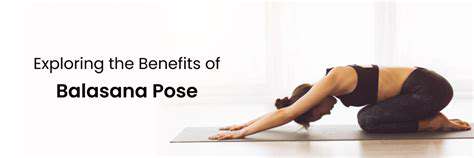
Child's Pose, known as Balasana in Sanskrit, is a fundamental yoga position often utilized for its restorative effects. This pose promotes relaxation while gently stretching various muscle groups, especially those in the back, hips, and thighs.
Practitioners often incorporate Child's Pose into their routines to alleviate lower back pain and enhance flexibility. It serves as a perfect resting pose that can be particularly useful after more challenging postures.
Benefits for Lower Back Pain
- Promotes relaxation and stress relief.
- Stretches the spine, hips, and thighs.
- Improves flexibility and opens the lower body.
Many individuals suffering from lower back pain find Child's Pose to be exceptionally beneficial. It helps decompress the spine while elongating the back muscles, which can relieve pain and tension.
Research indicates that such gentle stretches can improve blood circulation to the spine, potentially aiding in recovery from pain. Frequent practice may lead to lasting benefits in flexibility and pain reduction.
How to Perform Child's Pose
To enter Child's Pose, begin by kneeling on the mat with your feet together and knees spread apart. Exhale as you lower your torso down between your thighs, allowing your forehead to rest on the mat.
Extend your arms forward to deepen the stretch or place them alongside your body for additional relaxation. Ensure to breathe deeply and fully to maximize the benefits of this relaxing posture.
Modifications for Comfort
For those who experience discomfort while lowering their torso, modifications can be made. Using a folded blanket or bolster can provide additional support. Some practitioners find placing a small pillow or cushion under the forehead is beneficial.
These adjustments can make all the difference, ensuring that Child's Pose is accessible and comfortable for everyone. Listening to your body is crucial; if pain persists, consider consulting a healthcare professional.
Integrating Child's Pose into Your Practice
Integrating Child's Pose into your yoga routine is straightforward. It can be performed at the beginning as a warm-up, after a series of more intense poses, or at the end as part of a cool-down phase.
Many yoga classes incorporate this pose during transitions between more demanding postures, making it a versatile addition to any session. A great tip is to hold the pose for a few breaths to allow the body to fully relax.
Connection Between Breath and Awareness
Child's Pose emphasizes the importance of mindful breathing. Engaging in deep, intentional breaths while in the pose encourages a sense of tranquility and body awareness.
As you breathe in and out, focus on the expansion of the back body. This connection between breath and movement can greatly enhance your overall yoga experience.
Safety Considerations
While Child's Pose is generally safe for most individuals, certain caution is advised for those with knee injuries or conditions like plantar fasciitis. If you feel pain in your knees, consider adjusting the stance or using props for cushion.
As always, listen to your body and practice within your limits. If you feel sharp pain or significant discomfort, it's best to ease out of the pose.
2. Cat-Cow Stretch (Marjaryasana-Bitilasana)
Understanding the Benefits of Cat-Cow Stretch
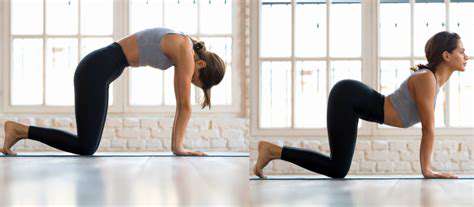
The Cat-Cow Stretch is an effective yoga pose that promotes spinal flexibility, which can be crucial for lower back pain relief. It combines two movements: arching the spine while inhaling and rounding it while exhaling, which helps in building strength and flexibility in the back.
Furthermore, regular practice of this stretch can enhance posture and alleviate tension from the surrounding spinal muscles. Research from the Journal of Bodywork and Movement Therapies indicates that spinal mobility is essential in reducing back pain.
How to Perform the Cat-Cow Stretch
To begin, position yourself on all fours with your wrists aligned under your shoulders and knees under your hips. As you inhale deeply, engage your core and arch your back, allowing your belly to drop towards the floor. This is the Cow Pose.
As you exhale, round your spine and draw your chin toward your chest, transitioning into the Cat Pose. Repeat this cycle for 5-10 breaths to maximize the stretch's effectiveness and promote relaxation.
Common Mistakes to Avoid
- Rounding the shoulders instead of maintaining them above the wrists.
- Forgetting to coordinate breath with movement, which can limit the stretch's benefits.
- Overextending the neck or lower back, leading to strain.
It's vital to maintain proper alignment during the Cat-Cow Stretch. Misalignment can lead to further discomfort rather than relief. Always focus on making gradual adjustments to your posture.
Incorporating Cat-Cow Stretch into Your Routine
For optimal results, consider integrating this stretch into your daily routine, especially if you have a sedentary lifestyle. Start with a 5-minute session and gradually extend it as your flexibility increases. You might include it as part of your warm-up prior to more intense yoga sessions.
Additionally, practicing this stretch multiple times a day can significantly relieve tension, making it a viable strategy for those working long hours at a desk.
Who Can Benefit from Cat-Cow Stretch?
Individuals suffering from lower back pain, athletes seeking flexibility, and even those experiencing menstrual discomfort can greatly benefit from the Cat-Cow Stretch. It's a versatile exercise that can be adapted for all levels of fitness.
Moreover, many physical therapists recommend this stretch as part of rehabilitation programs due to its low impact and effectiveness in promoting spinal health.
The Role of Cat-Cow Stretch in Stress Relief
Beyond physical benefits, this stretch can serve as a powerful tool for stress relief. Aligning breath with movement encourages mindfulness, allowing practitioners to enter a more relaxed state.
As studies suggest, integrating mindfulness practices with physical stretches improves overall well-being, further supporting the use of poses like Cat-Cow in daily life.
Conclusion: Making the Most of Cat-Cow Stretch
To fully embrace the benefits of the Cat-Cow Stretch, consider setting aside specific times during your day to practice it. Whether it's after waking up or during lunch breaks, dedicating a few moments can yield significant improvements in flexibility and spinal health.
As with any exercise, consistency is key. By regularly engaging with the Cat-Cow Stretch, you can effectively manage lower back pain and improve your overall mobility.
3. Sphinx Pose (Salamba Bhujangasana)
Benefits of the Sphinx Pose for Lower Back Pain
The Sphinx Pose is especially beneficial for individuals suffering from lower back pain due to its gentle extension of the spine. This posture actively engages the muscles in the lower back while promoting a range of motion. Research indicates that regular practice can lead to improved lumbar strength, which is crucial for alleviating discomfort.
With its specific focus on the lumbar region, the Sphinx Pose can also aid in the rehabilitation of lower back injuries. Physical therapists often recommend this pose as part of a larger routine because it supports spinal alignment and reduces tension in the surrounding muscles. As a result, it facilitates progressive healing and recovery.
How to Perform the Sphinx Pose Correctly
To execute the Sphinx Pose, begin by lying face down on your yoga mat with your legs extended and your feet hip-width apart. Gradually lift your chest while keeping your forearms on the ground and elbows aligned under your shoulders. This position ensures effective spinal extension without straining the lower back, allowing practitioners to hold the pose comfortably.
A key point to remember is to engage your abdominal muscles gently. This engagement enables better stabilization of the lumbar spine, thus enhancing the effectiveness of the pose. Maintaining a neutral neck position by looking slightly forward, rather than directly ahead, is essential to avoid unnecessary strain on the cervical region.
Hold the pose for 30 seconds to 1 minute, breathing deeply and allowing your back to stretch. With time, you can gradually increase the duration as your flexibility and strength improve. As you transition into and out of the pose, do so with awareness of your body's signals to prevent overstretching.
Incorporating Sphinx Pose into Your Routine
Integrating the Sphinx Pose into your regular yoga practice or daily stretching routine can significantly improve flexibility over time. It’s advisable to perform this pose in conjunction with complementary stretches such as Child's Pose or Cat-Cow to create a balanced regimen that reinforces both flexibility and strength in the back muscles.
If you’re particularly prone to lower back issues, consider practicing the Sphinx Pose several times a week. A consistent approach can help monitor any changes in pain levels and overall flexibility. Additionally, adapting the pose to your comfort level is crucial; using props like blocks under the forearms can greatly assist beginners or those with limited back mobility.
4. Seated Forward Bend (Paschimottanasana)
Benefits of Seated Forward Bend for Lower Back Pain
One of the primary advantages of practicing Seated Forward Bend, or Paschimottanasana, is its effectiveness in alleviating lower back pain. This pose encourages the elongation of the spine and hamstrings, which can mitigate tension and improve overall back health. According to research published in the Journal of Physical Therapy Science, regular stretching routines that include forward bends can significantly reduce lower back discomfort.
Additionally, the Seated Forward Bend fosters improved flexibility in the spine and hamstrings. By maintaining this pose, individuals can gradually enhance their range of motion. The National Institutes of Health (NIH) supports this, indicating that consistent yoga practice can lead to lasting improvements in musculoskeletal flexibility, which is crucial for those facing chronic pain.
How to Practice Seated Forward Bend Correctly
To perform Paschimottanasana correctly, start seated with your legs extended and feet flexed. Ensure that your spine is straight, and inhale deeply. As you exhale, hinge at the hips to reach toward your feet while maintaining a flat back. It is essential to avoid rounding the spine as this can exacerbate discomfort. Beginners may consider using a strap around the feet for additional grip and support.
Practitioners should aim for durations of 30 seconds to one minute in this position, as this provides adequate time for the muscles to stretch without causing undue strain. Remember to breathe deeply throughout the pose to enhance relaxation and make the forward bend more effective. Incorporating regular sessions will maximize results, ultimately leading to significant improvements in flexibility and pain relief.
5. Bridge Pose (Setu Bandhasana)
Understanding the Mechanics of Bridge Pose
Bridge Pose, or Setu Bandhasana, engages multiple muscle groups, including the glutes, hamstrings, and lower back. By lifting the hips off the ground, this pose creates an arch in the spine, which can increase both strength and flexibility in the lower back. Research indicates that dynamic stretching and strength training can enhance muscle flexibility, promoting long-term back health.
The biomechanics involved in Bridge Pose involve spinal extension and hip flexor engagement, which can help alleviate pressure on the lumbar spine. This pose not only stretches the hip flexors but also strengthens the back, potentially reducing pain associated with prolonged sitting or sedentary lifestyles.
Benefits for Lower Back Pain Relief
One of the primary benefits of Bridge Pose is its effectiveness in providing relief from lower back pain. By alleviating tightness in the lower back muscles, practitioners may experience immediate improvements in pain levels and mobility. A study published in the Journal of Physical Therapy Science found that regular practice of yoga poses like Bridge can significantly reduce chronic low back pain among participants.
Furthermore, this pose promotes better blood circulation in the lumbar region while also enhancing spinal alignment. The lift created during Bridge Pose can relieve tension and discomfort, especially for those suffering from conditions such as sciatica or overall lower back strain.
How to Safely Perform Bridge Pose
To practice Bridge Pose safely, begin by lying on your back with your knees bent and feet flat on the floor. Ensure that your heels are close to your glutes and your arms rest along your sides. Press your feet into the ground as you lift your hips to form a straight line from your shoulders to your knees. It’s crucial to engage your core and avoid putting excessive pressure on your neck.
Maintaining proper alignment is paramount to protecting your back during this exercise. If you feel discomfort in your neck or lower back, consider using a yoga block or a folded blanket under your pelvis for additional support. Regular practice three to four times a week can lead to better results and more sustained benefits.
For individuals with severe back issues or injuries, consulting a healthcare professional before starting any new exercise routine, including yoga, is advisable. Safety should always come first, and listening to your body’s signals is essential for an effective practice.
Integrating Bridge Pose into Your Routine
Bridge Pose can be seamlessly integrated into any yoga routine, especially those focused on lower back pain relief and flexibility. Consider beginning or concluding your session with this pose. Its restorative qualities can counteract the effects of daily activities that contribute to lower back strain.
Some practitioners also recommend pairing Bridge Pose with other back-strengthening stretches such as the Cat-Cow or Child’s Pose for a more comprehensive approach to back care. These combinations can enhance flexibility and support recovery from discomfort while fostering overall wellness.
Keeping a consistent practice schedule—ideally adding variations to keep the experience fresh—can lead to improved results. Furthermore, documenting your progress can help in understanding how your body responds and adjusting your practice as necessary.
Read more about Yoga Poses for Lower Back Pain Relief and Flexibility



![Best Supplements for Joint Health [2025 Review]](/static/images/26/2025-07/OtherPotentialJointSupportSupplements3AACloserLook.jpg)