How Gratitude Improves Athlete Mental Toughness
Recent studies show that mentally tough athletes are more likely to embrace challenges rather than shy away from them. In fact, a study published in the International Journal of Sports Science & Coaching found that athletes who trained their mental skills experienced a 20% increase in performance. This showcases how mental training directly correlates with enhanced physical execution during competitive events.
The Role of Positive Reflection
Positive reflection involves consciously reviewing past performances or experiences in a favorable light, which can significantly enhance an athlete's mindset. Research indicates that athletes who regularly engage in positive reflections report lower levels of anxiety and higher levels of self-esteem. A study at the University of Exeter found that athletes who practiced gratitude showed a 25% increase in their overall well-being, which is crucial during high-pressure situations.
Developing a habit of journaling about achievements and challenges can foster this reflective practice. Athletes can benefit from looking back at their performances and identifying what went well, helping them to build on strengths rather than solely focusing on weaknesses. This shift in perspective can inspire greater endurance and grit during competitions.
Moreover, incorporating reflection sessions into training schedules helps athletes set measurable goals and appreciate their progress, motivating them through challenging phases. It's not just about winning; recognizing small victories along the way can significantly contribute to long-term resilience.
Research on Gratitude and Performance
There is a growing body of research focusing on the intersection of gratitude practice and athletic performance. A key study published in the Journal of Sports Sciences demonstrated that athletes who practiced gratitude reported higher levels of motivation and decreased levels of anxiety. These factors play a pivotal role in enhancing overall performance under pressure. The study observed athletes over several months, emphasizing that gratitude could lead to improved training habits and focus.
Another important finding from the University of California highlighted that gratitude practices could even influence the brain's neurochemistry, leading to more positive emotional states. This chemical shift can trigger a healthier response to stress and challenges, ultimately fostering a more resilient athlete. By acknowledging their team's efforts and personal journey, athletes make strides not just in sport but in personal growth.
Practical Ways to Cultivate Gratitude
Cultivating gratitude as an athlete doesn't have to be complex. Simple practices can make significant differences. One effective method is to maintain a daily gratitude journal. This involves writing down three things each day that the athlete is thankful for, ranging from supportive teammates to personal achievements. This exercise not only boosts mood but also reinforces a positive mindset during training and competition.
Another effective strategy could be verbalizing appreciation during team meetings and training sessions. Sharing positive experiences with teammates fosters a supportive environment and strengthens relationships. It’s essential to create a culture where gratitude is openly expressed, as this can impact overall team morale and cohesion.
The Impact on Team Dynamics
Gratitude doesn't just benefit individual athletes; it also enhances team dynamics. Teams where gratitude is cultivated experience greater cohesion and collaboration. A study published in the Academy of Management Journal indicates that expressions of gratitude positively affect work relationships, leading to outstanding teamwork. In high-pressure environments like sports, this synergy is invaluable.
When athletes regularly express gratitude toward one another, it builds trust and improves communication. This is particularly important during high-stakes competitions, where performance and teamwork can make or break outcomes. Teams can nurture this environment by setting aside time for team reflections or sharing moments of gratitude in post-practice discussions.
Long-term Benefits of Gratitude Practices
The long-term benefits of integrating gratitude practices into an athlete's routine are profound. Over time, regular expressions of gratitude can lead to enhanced emotional intelligence—an essential trait for any athlete looking to thrive in competitive settings. Emotional intelligence enables athletes to better manage stress and work well with others, ultimately contributing to more resilient performances.
Another aspect worth noting is the link between gratitude and improved mental health. Athletes who engage in gratitude practices report lower levels of mood disorders and higher levels of life satisfaction, according to a study in the Journal of Happiness Studies. Maintaining mental well-being enables athletes not only to perform at their best but also to enjoy their sport.
Ultimately, fostering a gratitude-oriented approach cultivates resilience that can withstand the inevitable ups and downs of athletic life. This inner strength supports athletes in their quest for excellence, both on and off the field.
Enhancing Team Cohesion and Support
Building Trust Through Gratitude
Trust is a fundamental element of any cohesive team, and gratitude plays a significant role in fostering this trust. Research shows that expressing appreciation can increase feelings of trust among team members. A study published in the Journal of Experimental Social Psychology found that individuals who received gratitude from others exhibited a greater willingness to help and support their peers. This creates a positive feedback loop where gratitude enhances social bonds, leading to increased collaboration and teamwork on and off the field.
In practical terms, coaches and leaders can implement gratitude practices within their teams. Simple actions like recognizing individual contributions during team meetings or sending personalized thank-you notes can significantly boost morale. Moreover, creating an environment where athletes feel safe to express gratitude not only builds trust but also encourages open communication, ultimately enhancing overall performance.
Encouraging Accountability and Support Within the Team
Gratitude can significantly enhance accountability among team members, promoting a culture where athletes hold each other responsible for their roles. When teammates feel appreciated for their efforts, they are more likely to reciprocate by committing to their responsibilities. According to a study published in the International Journal of Sports Science & Coaching, teams that practice gratitude report higher levels of accountability, leading to better performance outcomes. This shows how a simple expression of thanks can have far-reaching implications on individual performance.
Furthermore, an environment enriched with gratitude cultivates supportive relationships among teammates. When athletes acknowledge the contributions of their peers, it fosters a sense of belonging and encouragement. As suggested by sports psychologist Dr. Michael Gervais, encouraging athletes to express gratitude can lead to improved mental resilience, promoting a mindset geared towards growth and support. Coaches should actively guide their teams to practice gratitude in both verbal assertions and written acknowledgments; this will lay the groundwork for a cohesive team dynamic and improved mental toughness.
Developing a Growth Mindset
Understanding Growth Mindset in Sports
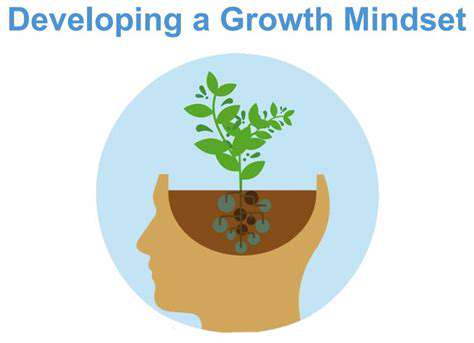
A Growth Mindset refers to the belief that abilities and intelligence can be developed through hard work and dedication. In the context of sports, athletes with a growth mindset view challenges as opportunities for growth rather than obstacles. Research indicates that athletes who embrace this mindset tend to achieve higher levels of performance. They are more resilient in the face of adversity and more likely to bounce back from setbacks.
This mindset also fosters a love for learning, which is invaluable for athletes. By continually seeking feedback and embracing constructive criticism, they can refine their skills and enhance their overall performance on the field or court.
The Role of Gratitude in Developing a Growth Mindset
Gratitude can play a pivotal role in cultivating a growth mindset among athletes. By acknowledging and appreciating their progress, athletes reinforce their resilience and commitment to improvement. When they express gratitude for their training opportunities, supportive teammates, and coaching guidance, they develop a positive outlook toward challenges.
Studies have shown that gratitude practice can enhance psychological resilience. This is crucial for athletes who face intense competition and performance pressure. By integrating gratitude into their routines, they can strengthen their mindset and enhance their mental toughness.
Implementing Gratitude Exercises
To effectively develop a growth mindset, athletes can incorporate gratitude exercises into their daily routines. One approach is keeping a gratitude journal, where they write down three things they are thankful for each day. This practice encourages self-reflection and shifts focus from setbacks to achievements.
- Daily gratitude journaling can improve mental clarity and focus.
- Practicing gratitude can enhance relationships with coaches and teammates.
- Consistent gratitude exercises can contribute to improved overall performance.
Resilience and its Connection to Mental Toughness
Resilience is a cornerstone of mental toughness, enabling athletes to thrive under pressure. Developing a growth mindset, enriched by gratitude, can significantly bolster resilience. Athletes often encounter injuries, losses, and performance slumps; thus, their ability to rebound impacts their long-term success.
Moreover, research from the American Psychological Association emphasizes the role of resilience in athletic performance. Athletes who maintain a positive outlook and express gratitude tend to recover faster from adversities both mentally and physically.
The Impact of Coaching on Mindset Development
Coaching styles significantly influence an athlete's growth mindset. Coaches who promote a positive atmosphere and encourage open discussions about gratitude help athletes navigate their challenges more effectively. It's essential for coaches to model gratitude themselves, demonstrating how it leads to constructive feedback and bonding within the team.
Effective coaches can also implement gratitude training sessions that focus on recognizing achievements, no matter how minor they may seem. By doing so, athletes learn to appreciate their journey, fostering a healthier competitive environment.
Long-Term Benefits of a Growth Mindset
The long-term benefits of cultivating a growth mindset through gratitude extend beyond immediate athletic performance. Athletes develop skills that can enhance their life beyond sports, promoting ongoing personal growth, adaptability, and emotional intelligence. These attributes are critical in their professional and personal lives, aiding them in navigating different life challenges.
Ultimately, the integration of gratitude in a sports regimen can lead to sustainable success and mental toughness. Athletes who adopt this approach not only perform better but also enjoy a more fulfilling and rewarding journey in their athletic careers.
Practical Gratitude Techniques for Athletes
Gratitude Journaling for Performance Reflection
One practical technique athletes can employ is Gratitude Journaling. This involves dedicating a few minutes each day to write down specific things they are grateful for related to their sport. Research indicates that this practice can foster a positive mindset, essential for enhancing mental toughness in competitive environments. By reflecting on both achievements and supportive relationships, athletes can build resilience.
For instance, after a tough training session, instead of focusing solely on what went wrong, an athlete might note the training partner’s encouragement or a personal milestone that was achieved. Not only does this practice redirect focus, but it also reinforces the idea that every experience contributes to growth, thus cultivating a more robust mental framework.
Expressing Gratitude to Coaches and Teammates
Another effective technique is the active expression of gratitude towards coaches and teammates. Verbal acknowledgment of their efforts can have profound effects. According to a study by the Journal of Sport Psychology, when athletes articulate their appreciation, it fosters a more supportive team environment, enhancing collective motivation and resilience. This communicative practice can strengthen bonds and create a team culture that's rooted in appreciation.
Consider implementing a weekly ritual where team members share what they appreciate about each other. This not only increases team cohesion but may also lead to improved performance on the field. By recognizing the support and contributions of others, athletes can maintain a more balanced perspective during high-pressure situations.
Mindfulness Practices to Enhance Gratitude
Incorporating mindfulness into daily routines can significantly enhance athletes' gratitude levels. Mindfulness meditation encourages individuals to focus on the present moment, allowing them to appreciate their current experience without judgment. Research published in the Journal of Clinical Psychology shows that mindfulness can enhance emotional regulation, which is crucial for maintaining a competitive edge.
Athletes might consider ten-minute mindfulness sessions that focus on gratitude—this could involve visualizing successful moments or appreciating the physical ability to compete. Over time, these practice sessions can transform an athlete's mental approach, equipping them with the cognitive tools to handle adversity more effectively and fostering a deeper appreciation for their sporting journey.
Moreover, integrating gratitude into mindfulness can lead to improved emotional well-being, which is directly correlated with better athletic performance outcomes. It’s a full cycle of growth that athletes can harness for competitive advantage.
Utilizing Team Meetings for Gratitude Sharing
Team meetings can offer an excellent opportunity for athletes to engage in gratitude sharing as a collective exercise. Establishing a routine where team members express gratitude can elevate team morale significantly. Research suggests that teams who regularly practice gratitude report higher satisfaction and better performance metrics. By creating a structured environment for appreciation, athletes can build trust and accountability within their group.
A suggestion might be to dedicate the last five minutes of each meeting to this exercise, allowing athletes to highlight recent contributions or support from their teammates. This not only reinforces positive interactions but also encourages a mindset that values solidarity and collaboration, critical elements in achieving success in sports.
Furthermore, fostering a habit of gratitude in team settings can alleviate stress and burnout, common challenges among athletes. As connection strengthens, athletes may find themselves more mentally resilient and better equipped to face both adversities and triumphs in their sport.
Read more about How Gratitude Improves Athlete Mental Toughness