Gratitude
Emotional Well-Being
Mental Health
Psychological Well-being
Positive psychology
Well-being
Positive Psychology

Gratitude and Its Role in Positive Psychology

recognizing that one has obtained a positive outcome and acknowledging the role of others in bringing about that outcome. Understanding this construct is essential because it sets the foundation for its benefits.

Incorporating gratitude into daily life can lead to a tangible shift in one's psychological well-being. By recognizing the interconnectedness with others, individuals can cultivate a sense of community and enhance their social networks, which plays a crucial role in mental health.

Impact on Mental Health

  • Reduction in symptoms of depression and anxiety
  • Improvement in overall life satisfaction and happiness

Numerous studies indicate that gratitude is linked to reduced levels of both depression and anxiety. A study by Wood et al. (2010) found that people practicing gratitude reported higher life satisfaction and lower rates of mental health issues. This highlights the profound impact gratitude can have on mental well-being.

Additionally, cultivating gratitude can also lead to better emotional regulation. Individuals who practice gratitude are found to have a more positive outlook on life, which helps buffer against negative experiences.

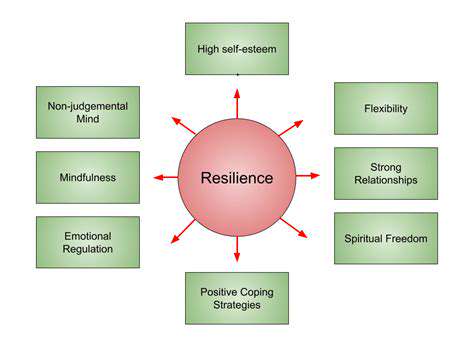
Gratitude and Resilience

Resilience refers to the ability to bounce back from adversity. Research has shown that gratitude can enhance resilience by promoting a positive mindset, enabling individuals to cope better with stressors. For instance, a study by Tugade and Fredrickson (2004) demonstrated that grateful individuals are more likely to maintain positive emotions during challenging times.

Over time, this cultivated resilience can lead to improved optimism and a proactive approach to problem-solving. Incorporating practices such as gratitude journaling can actively boost one’s resilience, allowing for a more robust psychological framework in the face of challenges.

The Science Behind Gratitude

Scientific studies have delved deep into the neuropsychological effects of gratitude. Research has shown that practicing gratitude can activate brain regions associated with emotional processing, such as the prefrontal cortex. This activation not only lights up areas responsible for pleasure and reward but also helps to reinforce positive behaviors.

Moreover, Practicing gratitude can influence hormones related to stress and happiness. For example, elevated levels of oxytocin, often called the bonding hormone, have been observed in individuals who regularly engage in grateful practices, illustrating how gratitude can enhance emotional and social bonds.

Practical Applications of Gratitude

  • Gratitude Journals
  • Thank-you Notes
  • Gratitude Meditation

Implementing practical gratitude exercises can be highly beneficial. Keeping a gratitude journal where one notes down three things they are thankful for each day can foster a shift in perspective. This simple practice can create a routine that reinforces positivity and awareness about one's surroundings.

Furthermore, writing thank-you notes or expressing appreciation can deepen relationships and lead to a broader sense of community. Such practices not only amplify personal feelings of gratitude but also contribute positively to social interactions and well-being.

The Future of Gratitude in Positive Psychology

As positive psychology continues to evolve, the exploration of gratitude's multifaceted benefits is becoming increasingly prominent. Researchers are recognizing that the societal implications of gratitude could foster healthier communities and workplace environments. Future studies may emphasize gratitude interventions in educational settings to promote collective well-being.

With growing interest from psychologists and educators alike, gratitude is poised to be an essential component in mental health curricula. The ability to appreciate others and cultivate a grateful mindset can significantly impact social dynamics, promoting cooperation and understanding in diverse settings.

Gratitude and Its Role in Resilience

GratitudeandItsRoleinResilience

Understanding the Concept of Gratitude

  • Gratitude is a deeply rooted emotional response that supports psychological well-being.
  • Research suggests that practicing gratitude enhances resilience during tough times.
  • Different cultures and traditions have their unique expressions and practices of gratitude.

Gratitude refers to the acknowledgment of the positive aspects of life, particularly those that are often taken for granted. This emotional response not only fosters a feeling of happiness but also builds stronger relationships with others. When we practice gratitude, we are actively shifting our focus from negative events to appreciating the positives.

According to a study published in the journal Emotion, individuals who keep gratitude journals display greater psychological resilience. This means that regularly reflecting on things we are thankful for can significantly mitigate feelings of depression and anxiety.

The Psychological Benefits of Gratitude

Engaging in Gratitude Practices has a multitude of psychological benefits. Research indicates that people who regularly express gratitude have lower levels of stress hormones. This reduction further promotes overall mental health and aids individuals in coping with adversity.

Moreover, a longitudinal study uncovered that gratitude correlates with increased life satisfaction. Individuals who practice gratitude report feeling more optimistic about their futures, creating a more positive outlook during difficult situations.

This psychological uplift is especially relevant in the field of positive psychology, which emphasizes the importance of individual strengths, such as resilience, in promoting overall well-being. By fostering a mindset of gratitude, we cultivate emotional resources that help us navigate life's challenges more effectively.

Incorporating Gratitude into Daily Life

Incorporating gratitude into our everyday lives can be quite straightforward yet profoundly impactful. One effective method is to start a gratitude journal, where individuals can write down three things they are thankful for each day. This practice encourages reflection and reinforces positive thinking.

Additionally, developing a habit of expressing appreciation to others can significantly strengthen social bonds. This could involve writing thank-you notes, verbally expressing thanks, or even participating in community service activities, which also expand social networks.

Ultimately, it is essential to personalize gratitude practices. This might mean sharing outcomes with friends or family, or even linking these practices with goals and aspirations. Finding what resonates most personally can create a lasting impact and sustain a resilient mindset.

Incorporating Gratitude into Daily Life

Understanding the Basis of Gratitude

Gratitude is defined as the quality of being thankful, which can significantly influence mental health and overall well-being. Research shows that Practicing gratitude can lead to an increase in positive emotions, reduced feelings of anxiety, and even improved physical health. In a study conducted by Emmons and McCullough (2003), participants who regularly documented their feelings of gratitude reported better sleep quality and enhanced resilience against stress.

Positive psychology emphasizes the importance of gratitude as a vital component for happiness. It serves not only as a positive emotion but also as a cognitive process that encourages individuals to focus on what they have rather than what they lack. This shift in perspective often leads to increased life satisfaction and deeper interpersonal relationships.

Practical Ways to Cultivate Gratitude

To effectively incorporate gratitude into daily life, individuals can start a gratitude journal. Studies suggest that writing down three things daily for which one is grateful can help strengthen this practice. This simple exercise can alter one's mindset and foster a more optimistic outlook. Setting aside just 10 minutes a day can make a significant impact over time.

Another practical approach is to verbally express gratitude. Taking the time to tell someone you appreciate them, whether in person or through a message, can enrich personal relationships and build a sense of community. Acknowledging the efforts of others fosters a culture of support and kindness that can benefit everyone involved.

Integrating Gratitude into the Workplace

Gratitude can positively affect workplace environments. Organizations that encourage expressions of gratitude often experience more collaborative team dynamics. A study published in the Journal of Applied Psychology highlights that employees who feel appreciated tend to have higher job satisfaction and productivity levels. Implementing a thank you system or a peer recognition program can enhance this practice within corporate culture.

Managers should also model gratitude—acknowledging employees' hard work can breed loyalty and commitment to the organization. Simple gestures such as public acknowledgments in meetings or personalized thank-you emails can make a significant difference in employee morale.

The Broader Implications of Gratitude

Research indicates that gratitude is not only beneficial on an individual level but has broader implications for society. Communities characterized by gratitude tend to exhibit stronger social bonds and a greater sense of togetherness. By cultivating gratitude, we can engage in more compassionate behaviors, reducing instances of conflict and enhancing social cohesion.

Engaging in acts of gratitude on a community level strengthens relationships among residents and fosters an inclusive environment. Initiatives aimed at encouraging acts of kindness, whether through volunteerism or community appreciation events, can create a vibrant culture of gratitude. As communities become more interconnected, the collective well-being improves, leading to a healthier and happier environment for all.

The Future of Gratitude Research in Positive Psychology

Current Trends in Gratitude Research

Recent studies in positive psychology have indicated a growing interest in gratitude as a critical component of mental health. For instance, research published in the Journal of Positive Psychology highlighted how regular expressions of gratitude can boost overall life satisfaction. This trend underscores a shift toward understanding gratitude not just as a personal attitude, but as a measurable psychological phenomenon that influences well-being.

Moreover, investigations into gratitude practices, such as gratitude journaling or gratitude visits, provide insight into their effectiveness. Evidence suggests that these practices can lead to long-term benefits in emotional regulation and resilience. These findings pave the way for more structured interventions within clinical settings aimed at enhancing psychological well-being through gratitude.

The Role of Gratitude in Mental Health Interventions

Gratitude is increasingly being integrated into therapeutic frameworks. For example, cognitive-behavioral therapy (CBT) now often includes gratitude exercises aimed at shifting negative thought patterns toward more positive reflections. This integration is based on substantial evidence indicating that grateful individuals have lower levels of mental distress. Such approaches are vital, especially considering the rising mental health crisis globally.

In practices involving mindfulness, gratitude can complement traditional techniques. Combining these methodologies not only improves patient outcomes but also promotes holistic healing. Therefore, mental health professionals are encouraged to adopt a gratitude-focused stance in their interventions, considering the positive correlations with improved patient morale and reduced anxiety.

Future Directions of Gratitude Studies

Future research is likely to explore the neurobiological underpinnings of gratitude. Initial studies have indicated that gratitude may activate specific brain regions associated with reward processing. This area of research could inform interventions aimed at enhancing gratitude among individuals with mood disorders. Expanding our understanding of the biological aspects will enable a more comprehensive approach to positive psychology.

There is also a significant opportunity for cross-cultural studies on gratitude. Different cultures may express and perceive gratitude differently, and understanding these variations could enhance the applicability of gratitude interventions worldwide. As globalization increases, acknowledging these cultural nuances will be essential for effective psychological practices.

Gratitude and Relationship Outcomes

The impact of gratitude on interpersonal relationships is a critical area for future inquiry. Studies have shown that expressing gratitude can strengthen social bonds and improve relational dynamics. For instance, a landmark study from the University of California revealed that couples who regularly expressed gratitude towards one another reported greater relationship satisfaction. This suggests that fostering gratitude can lead to more robust and fulfilling partnerships.

Furthermore, community-wide gratitude initiatives might enhance social cohesion. Programs that promote collective acts of gratitude could improve community well-being and foster supportive environments. Thus, examining the implications of gratitude in communal and relational contexts presents a significant avenue for future research.

Challenges in Gratitude Research

Despite its potential, gratitude research faces challenges, including methodological issues and the complexity of measurement. Some studies rely on self-reported data, which can be subjective and may introduce bias. Future studies will benefit from employing more rigorous methodologies, such as longitudinal designs, to better understand causal relationships between gratitude and well-being.

Moreover, there is a need for more robust theories that explain why gratitude affects psychological health. Research can be enhanced by examining mediating variables such as hope, optimism, and social connection, which could clarify the mechanisms by which gratitude influences positive outcomes.

Practical Applications for Individuals and Organizations

Individuals can profoundly benefit from incorporating gratitude into their daily lives. Simple practices, such as writing thank-you notes or maintaining a gratitude journal, have been shown to yield significant Mental Health Benefits. These practices encourage a shift in focus from negative experiences to positive aspects of life, fostering a more optimistic outlook.

Organizations, too, can implement gratitude practices in the workplace. Creating a culture that encourages recognition and appreciation among employees can lead to higher job satisfaction and productivity. Research indicates that workplaces characterized by gratitude promote a positive organizational environment, reducing turnover rates and fostering employee loyalty.

Read more about Gratitude and Its Role in Positive Psychology
Understanding the Link Between Gut Health and Mental Health
May 01, 2025
Understanding Post Traumatic Stress Disorder (PTSD)
May 14, 2025
Guide to Practicing Emotional Detachment for Peace of Mind
May 22, 2025
Best Tips for Managing Stress in Your Daily Life
Aug 02, 2025
Best Tips for Creating a Peaceful Bedroom Environment
Aug 05, 2025
Guide to Building Optimism and a Positive Outlook
Aug 08, 2025
- Gratitude Journals: Writing about positive experiences can reinforce a positive mindset.- Expressing Gratitude: Thanking others enhances personal mood and strengthens relationships.- Mindfulness Practices: Incorporating gratitude into mindfulness routines helps maintain a focus on positive experiences. Long-Term Health Benefits of GratitudeGratitude isn’t just beneficial for mental health; it has been linked to improved cardiovascular health as well. Studies indicate that individuals practicing gratitude have better heart rates and lower blood pressure. Encouraging a lifestyle centered on gratitude can lead to healthier choices, like increased physical activity and better dietary habits. Addressing the Stress-Heart Health LinkThe relationship between stress and heart health underscores the importance of managing stress through gratitude. Chronic stress is a risk factor for heart disease, and gratitude may offer a buffer against this risk. Research indicates that individuals practicing gratitude enjoy lower levels of inflammation, healthier heart metrics, and improved emotional resilience—all factors contributing to heart health. Strengthening Personal Connections Through GratitudeGratitude can also reinforce social bonds, which are vital for emotional well-being. A grateful mindset encourages a culture of appreciation in familial and workplace settings, enriching relationships and combating stress. Conclusion: Embracing Gratitude for Holistic HealthIncorporating gratitude into your daily routine is more than a feel-good exercise; it's a path toward better mental and physical health. The cumulative benefits of gratitude—from stress reduction to enhanced heart health and improved relationships—highlight its profound impact on overall well-being. As we navigate a world filled with stressors, embracing gratitude may serve as a powerful tool for creating healthier, happier lives.
Mar 03, 2026
Enhance Your Self-Esteem Through Daily PracticesGratitude journaling, meditation, acts of kindness, appreciation letters, and visualization are powerful practices that can profoundly enhance your self-esteem and emotional well-being. Engaging in these activities helps individuals to shift their focus towards positivity, creating a ripple effect that touches their personal and interpersonal worlds. Daily Gratitude JournalingGratitude journaling involves regularly noting things you're thankful for, ranging from small daily joys to major accomplishments. This practice can lead to a significant reduction in stress, as it encourages self-awareness and positivity. By simply writing down three things you appreciate each day, you can foster a mindset that combats negative self-talk and enhances your sense of accomplishment, ultimately increasing your self-esteem. Gratitude MeditationIncorporating gratitude meditation into your daily routine allows you to reflect on the positive aspects of your life. By regularly focusing on what you are thankful for, you'll cultivate a mindset that appreciates both the significant and subtle blessings of life. This mindfulness method promotes emotional resilience, helping you to build a positive self-image while reducing feelings of anxiety and depression. Acts of KindnessPerforming acts of kindness not only improves the lives of those around you but also enhances your own self-esteem. Engaging in simple gestures, volunteering, or even sending positive messages can elicit a 'helper's high', leading to increased happiness and a sense of belonging. Studies indicate that those who actively practice kindness report significantly greater self-worth. Appreciation LettersWriting appreciation letters is an impactful way to strengthen emotional connections and elevate your self-esteem. By articulating specific reasons behind your gratitude toward someone, you foster deeper relationships and a positive feedback loop that encourages acknowledgment and appreciation within your community. This practice has been scientifically linked to increased happiness and life satisfaction. Gratitude VisualizationGratitude visualization involves mentally picturing the things you appreciate in your life, helping to reinforce an attitude of thankfulness. Regular practice of this technique has been found to enhance emotional well-being and reduce anxiety levels. Integrating gratitude visualization into your routine, whether through journaling, meditation, or simple mindfulness exercises, can significantly improve your mindset and self-worth over time. Overcoming ChallengesWhile implementing these gratitude practices, you may face challenges like negative thought patterns or difficulty finding things to be grateful for. Acknowledging small victories and employing guided resources can help you stay motivated. Remember, consistency is key, and the journey towards a more grateful and self-assured you is worthwhile. ConclusionEmbrace the transformative power of gratitude by integrating these practices into your daily life. Whether through journaling, meditation, acts of kindness, appreciation letters, or visualization, you can cultivate a more positive outlook, enhance your self-esteem, and foster a community of appreciation and connection. Start your gratitude journey today and watch the positive changes unfold in your life.
Mar 04, 2026
The Science Behind Gratitude and Athletic Performance OverviewGratitude is proving to be more than just a positive emotion; it plays a critical role in sports psychology and athletic performance. Research highlights that athletes who incorporate gratitude into their routines experience lower anxiety levels, increased focus, and an overall improvement in performance. This compelling connection between gratitude and sports is worth exploring for coaches, athletes, and sports organizations aiming to maximize their training effectiveness and mental resilience. Understanding Gratitude in Sports PsychologyGratitude significantly impacts athletes by fostering a positive environment centered around appreciation. Athletes who express gratitude toward coaches and teammates create a culture of collaboration and support, vital for high performance. This positive mindset not only boosts morale but enhances engagement in training and competitive settings. The Biochemistry of GratitudePracticing gratitude releases neurochemicals such as dopamine and serotonin, which are essential for mood regulation and motivation. This biochemical reaction can lead to increased emotional resilience and faster recovery rates from intense workouts, according to neuroscientific studies. Resilience and Gratitude in AthletesHigh-performance athletes face numerous challenges, including injuries and performance slumps. Regularly cultivating gratitude helps build mental resilience, allowing for effective bounce-backs during adverse situations. Athletes who maintain gratitude practices report lower levels of distress, enabling them to navigate challenges more successfully. Implementing Gratitude PracticesIncorporating simple gratitude practices into daily routines can yield significant mental benefits. Keeping a gratitude journal, sharing appreciations with teammates, or integrating team huddles can solidify positive experiences. Such practices boost camaraderie and create a collective positive mindset within the team. The Role of CoachesCoaches greatly influence athletes' gratitude practices by fostering an environment of appreciation. When coaches express gratitude to their athletes, it can enhance motivation and team cohesion. This acknowledgment cultivates trust and boosts performance, demonstrating the critical role of gratitude in building strong team dynamics. Mindfulness and GratitudeMindfulness, when combined with gratitude, offers extraordinary benefits for athletes. Mindfulness promotes being fully present, which helps reduce anxiety and enhance focus. Gratitude meditation can elevate emotional health and resilience, leading to improved performance and lower performance anxiety. Gratitude Journaling TechniquesEstablishing a gratitude journaling routine is essential for athletes. Whether opting for traditional handwritten journals or digital applications, athletes can track their mental health and performance metrics over time. Regularly reflecting on specific moments of gratitude helps reinforce a positive mindset and emotional regulation. Long-Term EffectsThe long-term integration of gratitude and mindfulness practices can fundamentally reshape an athlete's mental framework. Sustained practice can lead to lasting improvements in emotional regulation, resilience, and overall satisfaction in their athletic journey. ConclusionRecognizing gratitude's vital role in sports can transform an athlete's experience and performance. By integrating gratitude practices into their daily routines, athletes stand to enhance their resilience, emotional health, and overall athletic performance.
Mar 10, 2026
Overcoming the Wall Understanding Mental Walls in Endurance SportsThe concept of a mental wall describes psychological barriers that individuals often face during strenuous activities, particularly in endurance sports such as long-distance running. A study in the Journal of Sports Sciences highlights the feelings of increased fatigue athletes experience when nearing this threshold. Recognizing this phenomenon is essential for those aiming to enhance their mental toughness. Common Signs of Mental BarriersWhen confronted with a mental wall, individuals may observe a range of signs, including:- Heightened feelings of exhaustion- A compelling desire to reduce intensity or quit- Negative self-talk and self-doubtBy acknowledging these symptoms, athletes can develop coping strategies more effectively, such as focusing on positive reinforcement to counter negative thoughts. Strategies to Break Through Mental BarriersEffective strategies to overcome mental barriers include:1. Practice and Mental Rehearsals: Engage in visualization techniques and mindfulness practices to train your mind for discomfort.2. Setting Incremental Goals: Breaking down larger objectives into manageable milestones can bolster confidence and reshape your perspective on challenges. Nutrition and Hydration as Key FactorsProper nutrition and hydration are critical components of mental endurance. Dehydration can lead to fatigue and cognitive decline, impairing your ability to push through mental walls. Studies indicate that maintaining balanced nutrition and hydration is vital for sustaining mental focus during prolonged exertion. Training for Mental ToughnessRegular and structured training is crucial for building resilience. A consistent workout regime enhances your pain threshold and helps develop an association between discomfort and achievement. Ensure to incorporate recovery periods to prevent burnout and foster long-term mental endurance.--- Practicing Mindfulness and Self-Awareness The Role of Mindfulness in EnduranceMindfulness is a practice that encourages full presence in the moment, which can significantly elevate mental endurance. Findings from the American Psychological Association underscore its benefits in stress management and emotional regulation, particularly when breaking through mental barriers. Enhancing Self-Awareness Being self-aware helps individuals tailor their strategies to better conquer challenges. Engaging in reflective journaling can illuminate thought patterns and triggers, contributing to growth and resilience.--- Setting Achievable Goals Employing SMART CriteriaTo create realistic goals, apply the SMART criteria (Specific, Measurable, Achievable, Relevant, Time-bound). Clearly defined objectives promote better focus and tracking progress. For example, aiming to run 5 kilometers three times a week brings clarity to your fitness journey. Incremental Progress for ResilienceSmall accomplishments significantly enhance psychological resilience. Celebrating minor milestones fosters a positive feedback loop that motivates continued effort toward more significant achievements.--- Building a Support SystemA strong support network can greatly influence your ability to overcome mental barriers. Studies reveal that individuals with robust support systems are better equipped to tackle challenges. Identifying motivating individuals and engaging in communities that resonate with your interests can fortify your perseverance.---By recognizing and addressing mental barriers, employing effective strategies, and fostering a supportive environment, you can enhance your mental endurance and triumph over challenges encountered in both sports and daily life.
Mar 13, 2026
How Altitude Training Affects Running Endurance
Mar 15, 2026
- Positive Mindset: Fosters resilience in the face of adversity.- Emotional Regulation: Enhances the ability to maintain composure.- Social Support: Strengthens bonds with teammates and coaches.These factors contribute significantly to improved performance and emotional well-being for athletes. Practical Ways to Cultivate GratitudeAthletes can implement simple yet effective practices to foster gratitude, such as:- Gratitude Journaling: Write about experiences and support received, promoting reflection and a positive mindset.- Team Gratitude Sessions: Regularly recognize and appreciate teammates’ contributions to build a supportive atmosphere.- Mindfulness Practices: Incorporate gratitude into mindfulness training, enhancing focus and resilience. Impact on Performance OutcomesStudies have shown that athletes who practice gratitude experience lower levels of anxiety and higher self-efficacy, which positively affects performance. Research from the University of California found that those who express gratitude not only improve their competitive edge but also bolster their mental health. Building Team CohesionGratitude helps develop trust and accountability within teams. By creating a culture of appreciation, athletes can enhance their teamwork and collaboration, leading to superior performance. Regular expressions of gratitude during team meetings foster an encouraging environment that supports mutual growth and resilience. The Long-term Benefits of GratitudeIntegrating gratitude practices into athletic training promotes not just immediate performance benefits but also long-term resilience and mental health improvements. Athletes who embrace gratitude generally report greater life satisfaction and emotional intelligence, which are invaluable both on and off the field. ConclusionAdopting gratitude in sports not only cultivates mental toughness but also enhances emotional well-being and team dynamics. By recognizing the significance of gratitude, athletes can navigate the ups and downs of their careers, leading to more fulfilling achievements and overall success.
Mar 15, 2026
View Publications>>

Hot Recommendations