Footwear
Layering
Warm-up
Injuries
Running
Endurance
Hydration
Cold Weather
Performance
Recovery

Running in Cold Weather: How to Maintain Performance

a base layer, an insulating layer, and an outer shell. This strategy helps regulate body temperature and moisture management effectively during your run.

The base layer should be moisture-wicking to keep skin dry and warm. Fabrics like merino wool or synthetic fibers are excellent choices as they excel in drawing moisture away from the body while providing a comfortable fit. For the insulating layer, materials like fleece retain heat without adding excessive bulk, making movements easier. Lastly, the outer layer should be windproof and water-resistant to shield you from harsh elements.

2. Importance of Choosing the Right Footwear

The right footwear can greatly influence performance in cold weather. When temperatures drop, shoes should provide adequate grip for icy surfaces and have some insulation. Many brands offer running shoes specifically designed for winter conditions, which incorporate features like rugged soles and waterproof materials. Choosing shoes with these attributes can reduce your risk of slipping, thereby enhancing safety during your runs.

Additionally, consider wearing thicker socks made from wool or a blend of synthetic materials to keep your feet warm without compromising breathability. It’s also essential to try on shoes with consideration for cold weather; feet tend to swell during exercise, so a little extra room can make a big difference in comfort over longer distances.

3. Accessorizing for Comfort and Safety

  • Wear a hat or headband to retain heat.
  • Invest in gloves that allow for tactile sensitivity.
  • Consider reflective accessories for visibility in low-light conditions.

Accessories can complete your cold-weather running outfit, playing pivotal roles in ensuring both comfort and safety. A hat or a headband is essential, as a significant amount of heat escapes through the head. Protecting this area can help maintain core body temperature, which is vital when running in frigid conditions.

Gloves are another critical accessory; look for a pair that offers dexterity while keeping your fingers warm. Reflective gear is crucial as well, especially during the shorter days of winter.

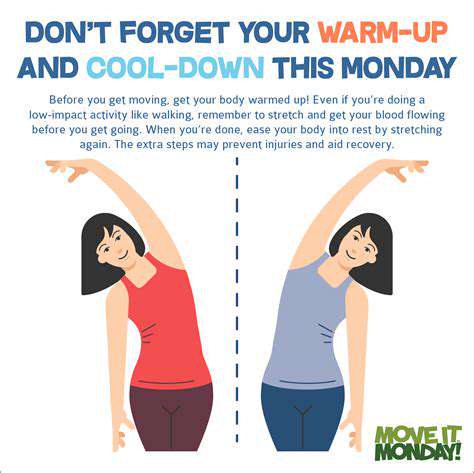
2. Warm-Up Effectively Before Your Run

2.Warm-UpEffectivelyBeforeYourRun

Understanding the Importance of Warming Up

Warming Up Serves critical purposes before any physical activity, especially in cold weather conditions. It increases the blood flow to your muscles, effectively preparing them for more strenuous tasks ahead. Without a proper warm-up, you risk injuries such as strains or sprains, which are notably common when temperatures drop.

Studies have shown that participating in a warm-up can enhance performance by improving flexibility and range of motion. The greater your range of motion, the more efficient your running form will be, which ultimately leads to better stamina and speed.

Specific Warm-Up Techniques for Cold Weather

When running in low temperatures, it's essential to include dynamic stretches in your warm-up routine. Exercises like leg swings, high knees, and butt kicks can effectively raise your body temperature while loosening up key muscle groups. This combination not only enhances muscle elasticity but also prepares your cardiovascular system for increased demands.

  • Leg swings: Increases hip flexibility.
  • High knees: Elevates heart rate and warms up the legs.
  • Butt kicks: Activates hamstrings and prepares your lower body.

Additionally, consider including some light jogging to bridge the gap between your warm-up and the actual run, allowing your body to adapt smoothly to increased exertion.

Duration and Timing of Your Warm-Up

The recommended duration for a warm-up can vary, but a range of 10 to 15 minutes is sufficient for most runners. This timeframe allows your muscles to warm gradually without fatiguing them before you even start your run. In colder temperatures, you may want to extend this time slightly to account for the additional time your body requires to adjust to the chill.

Remember, the warmer your muscles are, the better your performance will be. As a personal suggestion, listen to your body; if you still feel stiff after your initial warm-up, take a few more minutes to focus on areas that feel tight.

Post-Warm-Up Adjustments based on Weather Conditions

Always keep an eye on external factors affecting your warm-up routine. Wind chill can make your muscles feel colder than they actually are, requiring a longer warm-up. If there's snow or ice, you should modify your warm-up to emphasize stability and joint safety.

Consider wearing layers that can be removed once you’ve reached a comfortable body temperature. Effective Warming Up can make a significant difference in how you maintain your running performance during the winter months. Pay attention to your body’s signals to ensure you're adequately prepared before hitting the ground.

3. Adjust Your Pacing and Goals

3.AdjustYourPacingandGoals

Understand the Impact of Cold Weather on Performance

Running in low temperatures can significantly affect your physical performance and endurance. When it's cold outside, your body works harder to maintain its core temperature, diverting energy from your muscles to keep warm. This can lead to quicker fatigue and decreased performance. Blood flow to the extremities may also decrease, causing numbness in the fingers and toes.

It's essential to recognize how temperature alters your pacing. According to research published in the Journal of Sports Sciences, performance can decline as temperatures drop below 40°F (4°C). Therefore, adjusting your expectations based on climatic conditions is crucial. Pay attention to your body's signals, as they can guide your adaptations in pacing and distance on cold days.

  • Monitor how your body responds to cold weather during exercises.
  • Be aware that cold can slow you down due to increased energy use.
  • Adjust your running routine based on temperature and terrain.
  • Consider shorter, high-intensity sessions to optimize training.

Set Realistic Goals for Cold Weather Running

Setting achievable goals during winter months is critical to maintain motivation and performance. Rather than aiming for the same race times you achieved in warmer conditions, consider adjusting your pace and distance. Rather than focusing solely on speed, prioritize building endurance and strength during colder months. This approach will set you up for success as temperatures rise again.

Consider customizing your goals based on personal comfort and ability levels. Joining a local winter running club can provide support and a sense of community. These groups often share tips on effective pacing strategies and cold-weather gear, ensuring you're well-prepared for your runs. Always remember that achieving consistent results often eclipses chasing unattainable benchmarks.

4. Stay Hydrated and Fuel Properly

Importance of Hydration in Cold Weather

Even in cold conditions, it’s crucial to maintain your hydration levels, as the body continues to lose fluids through sweat and respiration. According to the National Athletic Trainers' Association, athletes should consume adequate fluids before, during, and after exercise, even on chilly days. Cold air can also cause respiratory fluid loss, further contributing to dehydration.

Research indicates that dehydration can significantly affect performance and increase the risk of injuries, making it essential to keep your water intake consistent regardless of the season. Many runners underestimate how much they need to drink when temperatures drop, sometimes thinking they don’t need as much water, which is a misconception that can lead to diminished performance.

Signs of Dehydration

Recognizing the Signs of Dehydration is essential for maintaining your running performance in cold weather. Symptoms can include dizziness, dry mouth, fatigue, and dark-colored urine. Additionally, you might experience decreased concentration and cognitive function, which are crucial during outdoor runs. Staying attuned to these signals can help you adapt and hydrate more effectively.

It’s sometimes easy to overlook hydration when your body doesn’t feel hot or sweaty. However, the cold weather can mask signs of dehydration. If you start feeling unusually fatigued or notice a decline in your performance, it might be time to assess your fluid intake.

Effective Drinking Strategies

Having a strategy for hydration is as important as your running plan. Consider setting regular intervals for drinking—every 15 to 20 minutes during your run can be a good rule of thumb. Carrying a water bottle or using a hydration pack can ease this process, ensuring that you’re less likely to forget to hydrate.

Incorporating electrolyte-rich drinks may also benefit your performance. These types of fluids help replenish lost salts when sweating, making it easier for your body to function correctly in cool conditions. You might find it helpful to experiment with different options during training runs to see what works best for your system.

Nourishing Your Body for Endurance

Proper fuel intake goes hand in hand with hydration. Consuming a balanced mix of carbohydrates, proteins, and fats enables your muscles to perform optimally during runs. For workouts in cold weather, consider aiming for high-carb meals about three hours prior to running, followed by a light snack closer to your running time.

Pre-Run Nutrition Guidelines

Before embarking on a cold-weather run, it's essential to plan a meal that provides sustained energy. Foods rich in complex carbohydrates, like oatmeal or whole-grain bread, release energy slowly, helping maintain your stamina throughout your run. Adding a source of protein can also enhance muscle recovery and reduce soreness.

Hydrating first thing in the morning is a good habit to establish, especially on run days. Drinking at least 8-10 ounces of water helps kickstart your metabolism. Additionally, consider warming up with a warm beverage to raise your core temperature before heading out into the cold.

Post-Run Recovery and Hydration

Post-run hydration is as vital as pre-run intake. Consuming water or an electrolyte-rich drink within 30 minutes can assist in recovery. The post-exercise window is critical for restoring fluid levels and starting the recovery process, so be diligent about your intake right away. A good strategy is to consume 16-24 ounces of fluid for every pound lost during the run.

Personal Hydration Preferences

Finding your preferred hydration method can take time. Some runners thrive on flavored electrolyte drinks, while others prefer plain water. The key is to find a balance that keeps you hydrated without causing discomfort during your runs. Experiment with different temperature levels of your beverage, as some may prefer it colder or warmer, especially in frigid temperatures. Keeping hydration fun and personalized can make a significant difference in your running experience and motivation.

5. Be Mindful of Safety and Terrain

Understanding the Impact of Cold on Performance

Cold weather can significantly affect your body's ability to perform during a run. Research shows that lower temperatures can lead to muscle stiffness and reduced flexibility, which might impair your overall performance. A study from the Journal of Applied Physiology indicates that a drop in temperature can decrease enzymatic activity in muscles, affecting their efficiency and output. Therefore, it's essential to consider how cold can uniquely alter your stride and endurance when planning your running routine.

Moreover, the respiratory system also reacts differently in cold weather. You may experience a dry throat or irritation in your lungs, which can hinder breathing. To mitigate these effects, it’s beneficial to cover your mouth with a scarf or a mask, helping to warm and humidify the air before it enters your lungs. Remember, understanding how your body reacts to the cold allows for better preparation and performance adjustments during runs.

Assessing Terrain Conditions

Before heading out for a cold-weather run, analyzing the terrain is critical for maintaining safety and performance. Icy or snowy surfaces can pose risks of falls and injuries, leading to possible interruptions in your training. Flat, groomed paths are generally safer compared to uneven trails, where snow or ice can obscure hazards. When running in snowy conditions, choose shoes with adequate grip to enhance traction and stability.

Gear Up for Safety

Your gear plays a significant role in optimizing performance while safeguarding against cold weather. Investing in high-quality running shoes with insulation and good traction can prevent slips on icy terrain. In addition, layering your apparel helps regulate body temperature while allowing flexibility in movement. Synthetic materials wick moisture away from the body, which is vital to avoid hypothermia or frostbite during extended runs.

Don’t forget about visibility. In the winter, daylight is limited, so wearing reflective gear or headlamps becomes essential. Bright colors and reflective materials not only help you see but also ensure that you remain visible to traffic. Protecting yourself in cold weather goes beyond just physical safety; it’s also about being acknowledged by others on the road.

Building Your Cold Weather Strategy

Planning is fundamental to any successful workout in cold conditions. Consider starting slow to allow your body to acclimatize to the temperature drop. Gradually increasing your pace can help avoid shock to your muscles and joints while improving blood flow. Additionally, awareness of your surroundings is key; slow down around corners or unfamiliar paths where ice may lurk silently.

What works for one runner may not work for another, so be willing to adapt. Keep a running log to track what terrains and temperatures yield the best results for you. Over time, you'll develop a personalized approach suited to your preferences and physical response to cold conditions.

Hydration Matters

It might seem counterintuitive, but staying hydrated is just as important during cold weather runs as it is in warmer conditions. Cold air can be dehydrating, which affects your performance and recovery. A study published in the Nutrition Journal suggests that athletes often overlook hydration in the colder months, leading to impaired performance and increased risk of injury. Aim for at least 16-20 ounces of water before heading out and consider taking a handheld water bottle if you plan a longer distance.

Additionally, drinking water before and after your runs helps mitigate the risk of dehydration. Consider electrolyte drinks if you plan on running longer distances, as they can replenish lost minerals. Hydration Strategies are not one-size-fits-all; adjust your intake based on your personal needs and the intensity of your workout.

Monitoring Recovery in Cold Weather

Recovery is an essential part of any running regimen and can be particularly challenging during the winter months. Cold weather puts extra stress on muscles and joints, making proper recovery methods even more vital. After a cool run, incorporating stretching and foam rolling helps to alleviate muscle tension. Warm up inside and consider using heat therapy to enhance circulation and ease stiffness.

Listening to your body during these recovery periods is critical. If you notice persistent aches or pains, it might be a sign to cut back on mileage or adjust your intensity. Additionally, consult with a healthcare professional if discomfort continues. Staying proactive about recovery allows you to maintain your performance and enjoy the benefits of cold-weather running.

Creating a Support Network

The cold can be daunting when running solo, but creating a support network can help foster motivation and safety. Join a local running group or find a training buddy to share the experience. This not only offers accountability but also enhances social enjoyment during runs. Sharing tips about dealing with cold conditions can also provide invaluable insights from other runners who have navigated similar challenges.

Online communities and forums are excellent for this as well. They provide platforms to discuss strategies, gear recommendations, and personal experiences. The richer your network, the more equipped you will be to face cold weather through shared knowledge and encouragement.

Read more about Running in Cold Weather: How to Maintain Performance

Guide to Training for a Triathlon [Beginner Plan]
May 11, 2025
Best Cool Down Stretches After a Workout
Jun 03, 2025
How to Recover Faster After Workouts [Tips & Techniques]
Jul 05, 2025
Understanding and Solutions Understanding Poor PosturePoor posture is a common issue that affects many, particularly those in sedentary jobs. Prolonged sitting or standing incorrectly can lead to significant discomfort and chronic lower back pain. Research shows that slouched shoulders and hunched backs place undue stress on spinal structures, reducing lung capacity and straining muscles. It is crucial to be aware of the posture as it not only enhances aesthetic appeal but also boosts overall health and productivity. Importance of ErgonomicsErgonomics plays a vital role in designing workspaces that cater to individual needs. By adjusting furniture and tools to fit how you work, you can significantly reduce the risk of developing lower back pain. For instance, using an ergonomic chair that supports the lumbar curve can make a substantial difference in comfort and efficiency. Moreover, proper monitor placement can alleviate neck strain and promote better posture. Practical Solutions to Improve PostureIncorporating specific solutions like regular stretching, strength training, and visual reminders can improve posture. Standing desks or balance ball chairs can create a more active work environment and foster better spinal alignment. Active Lifestyle and Lower Back PainRegular exercise is fundamental for maintaining optimal health and reducing the risk of lower back pain. The World Health Organization advises adults to engage in at least 150 minutes of moderate-intensity exercise weekly. Activities that strengthen core muscles can lessen strain on the lumbar region, making movement an essential component of back health. Injuries Leading to Lower Back PainCommon injuries leading to lower back pain include muscle strains, ligament sprains, and herniated discs. Understanding these injuries and how they occur can help in preventing them. Safe lifting techniques and maintaining proper body mechanics can significantly reduce injury risk. Weight Management IssuesExcess weight is a contributing factor to chronic lower back pain, exerting pressure on the lower back and altering the body's biomechanics. A balanced diet paired with regular physical activity can help in managing weight and alleviating stress on the spine. Consulting professionals to craft a personalized plan might be necessary for those struggling with pain and weight management. Stress and Emotional FactorsStress has a direct impact on back pain. Muscle tension from stress can exacerbate discomfort, creating a vicious cycle. Addressing emotional factors and incorporating stress management strategies, like mindfulness or therapy, can improve both mental health and physical well-being. Long-Term Strategies for PreventionLong-term management of lower back pain involves a multifaceted approach that includes maintaining an active lifestyle, ergonomic awareness, and emotional health. It is essential to understand the interplay between physical strain and psychological factors, leading to effective prevention and management strategies.By prioritizing posture, ergonomics, and a healthy lifestyle, you can significantly reduce the risk of lower back pain and improve your overall quality of life.
Feb 26, 2026
The Importance of Hydration for Spinal and Muscle Healthmeta-description: Discover the vital role hydration plays in maintaining spinal health and muscle function. Learn about the signs of dehydration, its effects on back pain, and practical tips for optimal hydration.--- The Role of Hydration in Spinal HealthProper hydration is essential for your overall health, particularly when it comes to spinal and muscle function. The gel-like substance within intervertebral discs absorbs water, allowing them to cushion your spine during movement. However, dehydration can lead to problems, as losing this vital moisture may cause disc degeneration and increased back pain over time. Understanding Hydration's ImpactWhen tissues are well-hydrated, they maintain their elasticity and flexibility, which supports a full range of motion. Research shows that even slight dehydration can negatively affect your body's function, potentially leading to injury. As you age, your spinal discs lose hydration naturally; however, inadequate water intake can speed up this process. Signs of Dehydration and Their Connection to Back PainIt's crucial to recognize the signs of dehydration, which include dry mouth, fatigue, reduced urine output, and headaches. A lack of hydration doesn't just make you feel thirsty; it can also exacerbate chronic back pain. Pay attention to your water intake, especially if you experience ongoing discomfort, as adequate hydration can be a simple yet effective strategy for pain relief. Benefits of Staying HydratedThe benefits of proper hydration extend beyond just pain management. Adequate water intake improves the transportation of nutrients to your spinal structures and helps prevent muscle cramps and strains. Staying hydrated supports overall metabolic function, leading to better tissue health and improved physical performance. Practical Tips for HydrationTo ensure you maintain proper hydration, consider carrying a reusable water bottle and setting reminders on your phone. Incorporate hydration-rich foods like cucumbers, oranges, and watermelon into your diet. Develop routines, such as drinking water before meals, to reinforce good habits. Individual Hydration NeedsRemember that hydration needs vary based on factors such as age, weight, and activity level. Athletes or individuals engaging in intense workouts will require more fluids. Consulting healthcare professionals can help you determine your specific hydration requirements. The Bigger Picture: Overall WellbeingHydration is linked to more than just spinal health; it affects cognitive function and mood. Taking steps to increase your water intake can improve your quality of life and physical performance. Prioritizing hydration not only helps manage back pain but also enhances overall well-being.---Incorporate these principles into your daily routine to improve your hydration levels and subsequently protect your spine and muscles. By understanding hydration's role in your health, you can take proactive measures to foster a stronger and more resilient body.
Mar 01, 2026
Boost Your PerformanceBreathing is an essential yet often overlooked aspect of running that can significantly impact performance and endurance. This article delves into the mechanics of breathing and various techniques that can help runners optimize their oxygen intake and enhance their overall running experience. Understanding the Mechanics of BreathingEffective running begins with understanding how your breathing works. The diaphragm is a key player in this process, enabling deep breaths that maximize oxygen intake. By practicing proper breathing techniques during runs, such as diaphragmatic and rhythmic breathing, runners can improve stamina, enhance body rhythm, and even boost speed. Breathing Techniques for Runners1. Diaphragmatic Breathing: This technique emphasizes deep belly breaths, promoting relaxation and oxygen absorption. By training your diaphragm, you can sustain longer runs with reduced fatigue. 2. Rhythmic Breathing: Align your breathing with your running cadence. A common pattern is a 2:2 ratio (inhale for two strides, exhale for two), which helps maintain pace and rhythm.3. Nasal Breathing: Inhaling through the nose optimizes oxygen levels and assists in maintaining a consistent pace, which can prove crucial in endurance scenarios. The Importance of Oxygen in Endurance RunningOxygen is essential for converting energy during running, and efficient breathing techniques enhance oxygen delivery to muscles. Studies show that the quality of each breath can significantly improve overall running efficiency and decrease fatigue. Common Breathing Errors to AvoidMany runners commit common breathing mistakes, such as shallow chest breathing and breath-holding during exertion. These errors can lead to poor performance and early fatigue. Moreover, hyperventilation can disrupt proper oxygen and carbon dioxide balance. By identifying these pitfalls, you can enhance your running efficiency. Incorporating Breathing Training into Your RoutineIntegrating specific breathing exercises into your training can lead to remarkable improvements in endurance. Activities like yoga and pilates enhance lung function and support breath control. Additionally, practicing focused breathing pauses during runs can help build lung capacity over time. Monitoring Your ProgressTo refine your breathing techniques, track their correlation with running performance. Wearable technology can help measure key metrics such as heart rate and oxygen levels. This data allows you to adjust your breathing strategies based on your training intensity. ConclusionUnderstanding and implementing effective breathing strategies can lead to significant improvements in running performance. Techniques like diaphragmatic, rhythmic, and nasal breathing, combined with tailored training routines, can enhance your endurance and efficiency. By focusing on your breath, you are not only training your body but also building the mental resilience necessary for competitive running. Embrace these breathing methods, and watch as they transform your running experience.
Mar 02, 2026
Enhance Your PerformanceBreathing is a crucial component of running that significantly impacts performance and endurance. Understanding the mechanics of breathing, along with the application of effective techniques, can lead to improved running efficiency and overall athletic success. Understanding Breathing MechanicsBreathing allows for oxygen delivery to your muscles, replenishing energy and expelling carbon dioxide—a metabolic byproduct. Proper respiratory patterns can enhance endurance, as deep inhalation engages the diaphragm effectively, maximizing oxygen uptake. Focusing on breathing mechanics can dramatically improve your stamina and running experience. Breathing Techniques for Enhanced EnduranceOne recommended method is the 3:2 breathing technique, where you inhale for three strides and exhale for two. This encourages deeper breaths, stabilizes heart rates, and diminishes feelings of fatigue. Avoid common pitfalls such as shallow, quick breaths or relying solely on mouth breathing, both of which can hinder oxygen intake and exacerbate fatigue. Improving Your Breathing Through TrainingIncorporating diaphragmatic breathing into your training can greatly enhance lung capacity. Simple exercises like focusing on your abdomen's movement during breaths can solidify proper breathing patterns. Additionally, including interval training in your regimen can strengthen your respiratory fitness, allowing for better control and management of efforts while running. Diaphragmatic Breathing: A Game ChangerDiaphragmatic (or belly) breathing has been shown to enhance oxygen efficiency and endurance, reduce heart rate, and bolster core stability. To practice, focus on inhaling through your nose and exhaling through your mouth, ensuring your abdomen expands and contracts effectively. Integrating this technique into runs can enhance performance, particularly during endurance events. Understanding Cyclic Breathing TechniquesCyclic breathing involves synchronizing your breath with your running pace, enhancing relaxation and muscle oxygenation. The common pattern is inhaling for three counts and exhaling for two, adaptable based on your running speed. This technique not only promotes efficiency but also mental focus, which is critical during prolonged physical exertion. Fine-Tuning Breathing for Different PacesAdjusting your breathing according to your running speed is essential. At slower paces, practice deep breaths, while quicker paces may require more rapid, shallow breaths. Establishing a consistent breathing rhythm can help maximize performance and reduce fatigue during your runs. Common Breathing Mistakes to AvoidIt's easy to overlook the importance of steady breathing patterns or adaptive techniques during runs. Avoid shallow breathing and the habit of solely mouth breathing, which decreases lung efficiency. Maintain good posture to enhance your lung function, and remember to practice your breathing techniques during lower-intensity sessions for better reflexive responses under exertion. Monitoring Progress and Seeking GuidanceAs you incorporate these breathing techniques, consider journaling your performance or utilizing apps to track your pace and breath rate. Engage with coaches or fellow runners to refine your skills. With intentional practice and mindfulness, mastering proper breathing can take your running performance to new heights.By prioritizing effective breathing strategies, you can significantly enhance your endurance, reduce fatigue, and elevate your overall running experience.
Mar 02, 2026
Mental and Physical Readiness In the days leading to your 10K, focus on both physical and mental preparation. Tapering training routines ensure your body is rested and primed for performance. Visualizing the race and practicing mindfulness techniques can alleviate nerves, enhancing mental focus. Endurance Training for Lasting PerformanceEndurance training is essential for improving stamina and performance. This regimen typically includes various aerobic activities, gradually increasing in intensity and volume. Key workouts such as long runs, interval training, and tempo runs play a significant role in building endurance. Nutrition's Impact on EnduranceNutrition greatly influences endurance capabilities. Adequate carbohydrate intake is vital for fueling endurance activities, while proper hydration prevents dips in performance. Meal timing, particularly post-exercise nutrition, can significantly expedite recovery. Recovery Strategies to Enhance PerformanceIncorporating effective recovery strategies into your training is imperative for performance improvement. Active recovery, proper hydration, and nutrition timing can all facilitate quicker recovery times and maintain muscle function. Mental Preparation and Race Day StrategyMental readiness often mirrors physical preparation in importance. Developing visualization techniques and a structured race strategy equips runners to handle various race scenarios while maintaining focus.In summary, establishing your ideal race pace involves understanding your body, practicing regularly, and preparing mentally and physically. By employing the strategies discussed, you can enhance your performance in your next 10K and achieve your running goals.
Mar 03, 2026
- Warm-up: 10-15 minutes of easy jogging- Intervals: 5-10 bursts of speed lasting 30-90 seconds, interspersed with recovery jogging- Cool down: Finish with 10 minutes of slow joggingChoose landmarks like trees or benches as pacing markers to help guide your intervals. This variability not only keeps your workouts interesting but also engages different muscle fibers, enhancing speed and endurance. Monitoring Progress SafelyTracking your progress is crucial in Fartlek training. Utilize a running app or fitness tracker to monitor your pace, distance, and heart rate. Regular evaluations can give you insights into your fitness improvements. Ensure safety by adequately warming up and paying attention to your body’s signals throughout the workout. If fatigue sets in, scale back on intensity to avoid injuries. Practical Tips for Fartlek Success1. Set Clear Goals: Determine if your focus is on speed, endurance, or simply a more enjoyable running experience.2. Choose the Right Environment: Select areas that allow for varied pacing, such as parks or trails.3. Listen to Your Body: Adapt the workout based on how you feel. Remember, flexibility is key. Addressing Common MistakesAvoid the pitfalls of overexertion during sprints, as maintaining sustainable speeds enhances training quality. Additionally, be mindful of planning your routes to include clear pacing markers to keep your intervals structured and purposeful. Embrace the BenefitsFartlek training not only enhances cardiovascular fitness but also promotes mental toughness and long-term adherence to your running routine. Its adaptability makes it a popular choice for runners of all experience levels. Whether you're aiming for a PR or simply want to enjoy your runs more, incorporating Fartlek can help you achieve your goals while adding variety to your training schedule.Unlock your potential and start enjoying the playful nature of Fartlek training in your routine today!
Mar 04, 2026
A Comprehensive GuideRunning injuries are a common setback for both novice and experienced runners. Understanding how to recognize, treat, and prevent these injuries can make a significant difference in your running journey. This guide explores common running injuries, symptoms to watch for, recovery strategies, and preventive measures to keep you on track. Understanding Common Running InjuriesRunning injuries typically fall into two categories: acute and chronic. Acute injuries, like sprains and fractures, occur suddenly, often due to a specific incident. In contrast, chronic injuries, such as runner's knee and Achilles tendinitis, develop gradually due to repetitive stress. Recognizing these categories helps you identify issues early, preventing long-term consequences. Symptoms to Watch ForBeing vigilant about the signs of injury is essential. Pain that worsens during a run, swelling in the affected area, or decreased range of motion are critical indicators of injury. Ignoring persistent pain can lead to more serious issues, making it important to assess discomfort before it escalates. The Importance of Rest and RecoveryRest is a vital part of injury management. Although you might be tempted to push through discomfort, engaging in active recovery and incorporating rest days into your training can promote healing and prevent further injuries. Studies suggest that many successful runners prioritize recovery in their training regimens. When to Seek Professional HelpIf symptoms continue even after taking a break, consulting a professional is crucial. A sports physician or physical therapist can provide tailored assessments and recommend corrective measures. They may also perform gait analysis to help understand how your running style contributes to injuries. Prevention StrategiesPrevention is often the best treatment. Incorporating strength training into your regimen, investing in quality footwear, and gradually increasing your mileage can significantly reduce the risk of injury. Monitoring your body’s signals and adapting your training can help you be proactive rather than reactive. Guidelines for Returning to RunningAssessing your injury recovery status before resuming running is imperative. A structured return plan that involves low-impact activities and gradual progression will aid recovery. Listening to your body and being flexible with your running plans can help you avoid reinjury. The Role of Mental Health in RecoveryRest isn’t just physical; the psychological benefits of taking breaks are equally important. Engaging in alternative activities and embracing downtime can reenergize your mental focus and motivation when you return to running. Conclusion: A Balanced ApproachRecognizing and addressing running injuries involves understanding the signs, valuing rest, and adopting preventive strategies. By consulting professionals for tailored advice and fostering a balanced training routine, you can enjoy a more fulfilling and injury-free running experience. Always remember: knowledge and preparation are your best allies in staying healthy on the run.---This web page aims to empower runners with the knowledge to prevent and manage injuries effectively. By focusing on symptoms, recovery strategies, and prevention techniques, we hope to enhance your running journey while keeping you safe.
Mar 05, 2026
Boosting Cardiovascular Endurance with Trail RunningUnderstanding Cardiovascular Endurance Cardiovascular endurance is essential for sustaining physical activities, enabling your heart and lungs to efficiently deliver oxygen to your muscles. This endurance is especially vital for trail running, which engages various muscle groups due to its challenging terrains. Studies have shown that improving your cardiovascular capacity not only enhances physical performance but also reduces fatigue during extended exercise sessions.Benefits of Trail Running for Heart Health Trail running offers numerous advantages for cardiovascular health. The uneven surfaces compel your body to engage more muscles, improving balance and strength while supporting a robust cardiovascular system. Regular trail running can lower resting heart rates and improve blood pressure, significantly reducing heart disease risks. Aim for 150 minutes of moderate exercise weekly to enjoy these heart-health benefits.Maximizing Endurance through Training Techniques To harness the full potential of trail running, implement training techniques like interval training and cross-training. These methods will help boost your cardiovascular endurance and prevent injuries. Monitoring your heart rate during runs can optimize your training plan, ensuring you achieve the best results tailored to your fitness level.Enhancing Muscle Strength and Agility Trail running not only builds endurance but also develops muscle strength and agility. The varying terrains require your stabilizing muscles to work harder, enhancing balance and coordination. Regular training improves adaptability and reaction time, benefiting not only your running but also your overall athletic performance.Mental Health Benefits of Trail Running Engaging in trail running offers significant mental health advantages. The natural settings reduce stress and promote a better mood by lowering cortisol levels while enhancing clarity and focus through mindful movement. Social connections through running groups also bolster emotional stability, fostering a sense of community that enriches your running journey.Injury Prevention Through Improved Stability Improving stability is essential for preventing injuries in trail running. Strengtheing core and leg muscles enhances your balance as you navigate uneven terrain. Proper footwear, nutrition, and being attuned to your body's signals can significantly lower the risk of injuries, allowing you to enjoy long-term running benefits.Embracing the Community and Adventure of Trail Running Trail running isn't just about physical improvement; it also cultivates a sense of adventure and community. Join local clubs to connect with fellow runners and discover new trails. Participating in organized events boosts motivation and fosters friendships, making your trail running experience even more rewarding.By incorporating trail running into your fitness regimen, you can elevate your cardiovascular health, enhance muscle strength, and support your mental well-being—all while enjoying the great outdoors. Embrace the trails and discover the numerous benefits this dynamic sport offers!
Mar 08, 2026
- Set Realistic Goals: Break the recovery journey into manageable milestones to track progress and maintain motivation.- Engage in Mindfulness: Techniques such as meditation and yoga enhance emotional regulation and promote positive outlooks during recovery.- Seek Social Support: Connecting with friends, family, or support groups provides emotional encouragement and a reminder that you're not alone.These strategies foster resilience and a positive mindset crucial for effective recovery. The Impact of Mindset on Physical Recovery OutcomesResearch underscores the connection between mindset and physical recovery. A proactive attitude correlates with faster healing and improved health metrics. Embracing Self-Efficacy—the belief in your ability to succeed—can enhance adherence to therapy, ultimately leading to quicker recovery. Integrating Gratitude into the Recovery ProcessPracticing gratitude is instrumental in building a resilient mindset. Regular gratitude practices, such as journaling, can shift focus from difficulties to positive experiences, reinforcing emotional well-being. Studies reveal that grateful individuals report higher resilience and better coping mechanisms. Building Emotional ResilienceEmotional resilience is the ability to adapt to adversity and recover from setbacks. To build this trait:- Develop Self-Awareness: Mindfulness practices can help acknowledge and counter negative thought patterns.- Strengthen Support Networks: Create strong, supportive relationships to share struggles and triumphs.- Adopt a Growth Mindset: View challenges as opportunities to learn and grow. The Role of Community in RecoveryCommunity support is vital for recovery. Engaging with a network of friends, family, and peers can significantly improve mental health outcomes. Effective support systems foster resilience and motivate individuals to adhere to recovery protocols.Integrating gratitude into these community interactions can enhance relationships and provide a deeper sense of belonging, making the recovery process not just about physical healing, but emotional and social well-being too. ConclusionThe interplay between mindset, gratitude, and resilience is profound in the context of recovery. By adopting a growth mindset and integrating gratitude practices into your daily routine, you can significantly improve your recovery journey and build a more resilient approach to life’s challenges. Embrace these tools to transform your experience and outcomes in recovery.Explore more about cultivating a positive mindset and the role of gratitude in healing to enhance your recovery journey today!
Mar 10, 2026
View Publications>>

Hot Recommendations