The Best Healthy Fats for Weight Loss Cooking
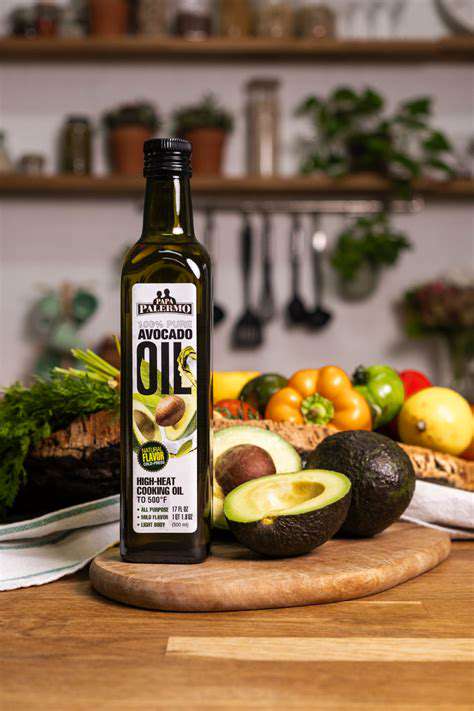
1. Nutritional Profile of Avocado Oil
Avocado oil stands out for its unique blend of Healthy Fats. It is predominantly comprised of monounsaturated fats, particularly oleic acid, which has been linked to heart health benefits and improved cholesterol levels. This oil is not only rich in healthy fats but also contains vitamins E and K, which are known for their antioxidant properties.
Additionally, the oil boasts a high smoke point, approximately 520°F (271°C), making it ideal for various cooking methods. The presence of carotenoids and other phytonutrients adds to its nutritional benefits, helping combat oxidative stress in the body.
2. Cooking with Avocado Oil: Tips and Tricks
When it comes to incorporating avocado oil into your cooking, versatility is the name of the game. Whether you prefer sautéing, grilling, or baking, this oil can easily adapt to your cooking style. For instance, use it as a base for salad dressings to enhance the flavor profile of your greens while adding nutrition.
Some individuals also enjoy a drizzle of avocado oil over roasted vegetables or grilled meats for an extra layer of flavor. Experimenting with avocado oil in marinades will provide a unique taste while retaining its beneficial properties. This oil can truly elevate your dishes without compromising health.
3. Health Benefits for Weight Loss
Including avocado oil in a balanced diet can be a game changer for those focused on Weight Management. The monounsaturated fats present in the oil contribute to satiety, which can lead to reduced overall calorie intake. Studies suggest that diets rich in healthy fats like avocado oil can be more effective for weight loss compared to low-fat diets.
Moreover, the nutrient absorption capabilities of avocado oil mean that consuming it with meals can enhance the bioavailability of other fat-soluble vitamins in your food, such as vitamins A, D, E, and K. Thus, using avocado oil in your cooking not only aids in weight management but also optimizes nutritional intake.
4. Avocado Oil vs. Other Cooking Oils
While many cooking oils claim to be healthy, avocado oil sets itself apart for various reasons. Unlike olive oil, which is often recommended for its Health Benefits, avocado oil has a higher smoke point. This makes it preferable for high-heat cooking methods without the risk of smoking or burning.
- Higher smoke point than most oils
- Rich in healthy monounsaturated fats
- Contains a variety of beneficial nutrients
Furthermore, unlike many vegetable oils, avocado oil is minimally processed. This means it retains more of its nutrients and flavor compounds, allowing it to serve as a superior choice in both health and culinary applications. Choosing avocado oil can deliver both taste and health benefits in every dish.
5. Storage Tips for Optimizing Avocado Oil's Benefits
To ensure you get the most out of your avocado oil, proper storage is essential. Keep it in a cool, dark place to prevent oxidation, which can lead to rancidity. Ideally, use a dark glass bottle to further protect it from light exposure. This simple step can prolong the shelf life of the oil, keeping its nutrients intact.
If you notice any off odors or changes in flavor, it may be a sign that the oil has spoiled. As a rule of thumb, a well-stored bottle of avocado oil should last about six months after opening. Utilizing fresh oil will guarantee that you are deriving all the wonderful benefits this oil has to offer, from cooking to dressing your salads.
2. Olive Oil: A Mediterranean Staple
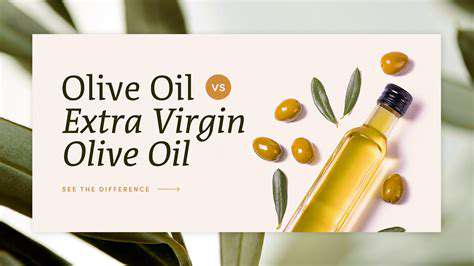
Understanding the Health Benefits of Olive Oil
- Rich in monounsaturated fats, particularly oleic acid
- Loaded with antioxidants that combat inflammation
- May improve heart health and reduce blood pressure
- Promotes better brain function and reduces cognitive decline
Olive oil is primarily composed of monounsaturated fats, specifically oleic acid, which is known to support heart health. Numerous studies suggest that regular consumption of this fat can help reduce the risk of heart disease by lowering bad cholesterol and improving good cholesterol levels. Additionally, its anti-inflammatory properties contribute to overall cardiovascular wellness.
Moreover, olive oil is packed with antioxidants like vitamin E and polyphenols, which are essential for fighting oxidative stress in the body. These compounds are not just beneficial; they also play a vital role in protecting cells from damage, potentially reducing the risk of chronic diseases. The inclusion of olive oil in your daily diet may be a simple yet effective strategy for Enhancing Long-Term Health.
Incorporating Olive Oil into Your Cooking
When it comes to using olive oil in your kitchen, versatility is its hallmark. You can drizzle it over salads for a fresh, fruity flavor or use it as a base for marinades. Remember, the quality of the olive oil matters; extra virgin olive oil is the least processed and retains the most nutrients. Try to store it in a cool, dark place to prevent rancidity—exposure to heat and light can diminish its quality over time.
For those who enjoy cooking, olive oil can also be used for sautéing vegetables or even in baking to replace butter. Its distinctive taste can elevate simple dishes, making them more enjoyable and sustaining. Experimenting with different varieties of olive oil can lead to delightful discoveries and enhance the overall flavor profile of your meals. Don't hesitate to use it as a finishing oil; a drizzle atop finished dishes can impart a rich and savory element that enhances the dining experience.
3. Coconut Oil: Adding a Tropical Twist

Understanding the Composition of Coconut Oil
Coconut oil is made up of a unique blend of fatty acids, predominantly saturated fats. Specifically, around 62% to 65% of its fatty acid content comprises medium-chain triglycerides (MCTs), which are known for providing quick energy and boosting metabolism. This makes coconut oil an ideal fat for those looking to lose weight while still enjoying the benefits of healthy cooking oils.
The primary MCT in coconut oil is lauric acid, which has been shown to possess antimicrobial properties and may support immune health. In addition, the high levels of saturated fat in coconut oil do not appear to negatively affect cardiovascular health when consumed in moderation, contrasting with the effects seen with long-chain fatty acids.
Metabolism Boosting Benefits of Coconut Oil
One of the standout benefits of coconut oil is its potential to enhance metabolic rates. Studies suggest that consuming MCTs can lead to a higher energy expenditure compared to longer-chain fats. By incorporating coconut oil into your diet, you might be able to increase your daily calorie burn, which can contribute significantly to weight loss efforts.
Moreover, some research indicates that MCTs can promote fat oxidation over carbohydrate oxidation, particularly during exercise, which can further aid in managing body weight and improving overall fitness. This makes coconut oil a favored choice among fitness enthusiasts and those aiming to manage their weight effectively.
How to Use Coconut Oil in Cooking
- Coconut oil can be used for sautéing, baking, or even as a base for salad dressings.
- Due to its high smoke point, it is suitable for frying and roasting without losing its nutritional properties.
When it comes to incorporating coconut oil into your daily cooking routine, versatility is one of its strongest traits. Whether you're sautéing vegetables or whipping up a creamy smoothie, adding a spoonful of coconut oil can enhance both flavor and nutritional value. Its subtle coconut flavor makes it an excellent addition to tropical dishes and baked goods alike.
The Role of Coconut Oil in Keto and Paleo Diets
Coconut oil has found a special place in popular diet plans like Keto and Paleo due to its high-fat content and low-carb compatibility. For individuals following these diets, the use of coconut oil can seamlessly fit into their nutritional guidelines while providing necessary energy. Additionally, its unique fat profile aligns well with the goal of maintaining a state of ketosis, where the body burns fat for fuel instead of carbohydrates.
Users of these diets often report increased satiety when utilizing coconut oil, potentially reducing their overall caloric intake. This can be particularly beneficial for weight control, making it a staple in many Keto and Paleo meal plans.
Potential Health Risks to Consider
While coconut oil does offer many health benefits, it’s worth noting that its high saturated fat content can be a double-edged sword. Some nutrition experts caution against excessive consumption, especially for individuals with pre-existing heart conditions, as it may raise LDL cholesterol levels. Balancing coconut oil consumption with other sources of fats, such as monounsaturated and polyunsaturated fats, is often recommended for heart health.
In addition, not all coconut oil products are created equal. It is essential to choose virgin or cold-pressed coconut oil to avoid unhealthy additives and ensure that you are reaping the full health benefits associated with high-quality coconut oil.
Alternatives to Coconut Oil
Though coconut oil is a popular choice, other healthy fats can also provide similar benefits in cooking. Olive oil, for instance, is rich in monounsaturated fats and antioxidants that support heart health. Avocado oil, another alternative, offers a high smoke point and a variety of beneficial nutrients. Each of these oils has its unique flavor profile and health advantages.
Incorporating a range of healthy fats is vital, as it ensures a balanced intake of nutrients. Experimenting with different oils not only enhances the taste of your dishes but also contributes to overall health.
Conclusion: Embracing Coconut Oil in a Healthy Diet
In summary, coconut oil comes with a plethora of potential health benefits, especially when used judiciously within a balanced diet. Its unique composition supports energy metabolism and can enhance your cooking experience. It’s important to consider integrating various healthy fats to maintain nutritional diversity. The key takeaway is to enjoy coconut oil as part of a broader strategy for healthy cooking and weight management.
Whether you're an advocate of Paleo, Keto, or simply looking for healthful cooking options, coconut oil stands out as a versatile and beneficial fat. Always remember, moderation is essential to maximize health benefits while minimizing potential risks.
4. Nut Butters: Creamy and Satisfying
What Are Nut Butters?
Nut butters are spreadable foods made from ground nuts, which can vary from almond and peanut to cashew and hazelnut. They are often used in sandwiches, smoothies, or simply enjoyed on their own. The process involves grinding the nuts into a creamy consistency, which enhances their flavor and nutritional absorption. Nut butters are a versatile food source appreciated by health enthusiasts due to their rich nutrient profile.
From a nutritional standpoint, nut butters are excellent sources of healthy fats, protein, and essential vitamins and minerals. For instance, almond butter is particularly high in vitamin E, while peanut butter contains significant amounts of niacin and magnesium. This makes them not just a tasty option but also a beneficial one, contributing positively to a balanced diet.
Health Benefits of Nut Butters
Nut butters offer numerous health benefits, which include supporting heart health, weight management, and promoting satiety. The monounsaturated fats in these butters can help reduce bad cholesterol levels. Studies have shown that incorporating nut butters into your diet may lower the risk of heart disease and enhance overall cardiovascular health.
They also play a role in weight management, as their combination of healthy fats, fiber, and protein helps increase feelings of fullness. A study from the American Journal of Clinical Nutrition found that participants who included nut butters in their diet felt more satisfied and consumed fewer calories overall.
Choosing the Right Nut Butter
Not all nut butters are created equal, and it’s essential to choose those with minimal added ingredients. Ideally, look for products that contain only nuts and perhaps a pinch of salt. Many commercial brands add sugars, oils, or preservatives, which can detract from the health benefits and add unnecessary calories. Reading nutrition labels is crucial to ensure you’re making a healthy choice.
A great option is to consider purchasing nut butters in their natural form, either fresh-ground at specialty stores or via brands that prioritize quality. These tend to maintain their natural oils and nutrients, delivering better health benefits than processed varieties.
Incorporating Nut Butters into Your Diet
Nut butters can be a fantastic addition to various meals. A common way to consume them is through breakfast; spreading almond butter on whole grain toast or adding peanut butter to oatmeal can elevate the nutritional value of the first meal of the day. Not only does it enhance taste, but it also boosts protein and healthy fat intake.
Additionally, nut butters can serve as an ingredient in smoothies, lending creaminess and a nutrient boost. They can also be used in sauces, salad dressings, or as a dip for fruits and vegetables. This versatility enables you to enjoy them in various dishes without becoming monotonous. They can indeed change the game in your culinary routine.
Nut Butter Alternatives
If you’re allergic to nuts or simply looking to diversify your fat sources, consider alternatives such as seed butters like sunflower seed or pumpkin seed butter. These options are typically free from common allergens and still provide healthy fats along with a good mix of vitamins and minerals. Sunflower seed butter, for example, is rich in vitamin E and magnesium, making it a highly nutritious substitute.
Coconut butter also provides a different flavor profile and is rich in medium-chain triglycerides (MCTs), which can boost energy levels. While these alternatives may not replicate the exact taste of their nut counterparts, they can be just as satisfying and beneficial when added to meals in creative ways.
Nutritional Considerations
While nut butters are nutritious, portion control is vital. Their calorie density makes it easy to overconsume, which can lead to unwanted weight gain, especially if not balanced with other dietary components. Keep servings limited to one or two tablespoons and pair them with high-fiber foods to maximize satiety while remaining in a healthy caloric range.
Modifying the way nut butters are integrated into your cooking can also help maintain their health benefits without excess calories. For instance, using them as a balance in sauces rather than the primary ingredient can provide flavor without overwhelming your dish’s nutritional profile. Being mindful of serving sizes is part of utilizing nut butters effectively for weight loss.
Final Thoughts on Nut Butters
In conclusion, nut butters can be a delectable and healthy addition to your cooking, offering an array of essential nutrients beneficial for weight loss and overall well-being. Their versatility and range of flavors allow for exciting meal options that can maintain interest in your diet.
Remember, when integrating nut butters into your meals, focus on quality and moderation. By being selective and balanced in your approach, nut butters can indeed be part of a well-rounded, healthy eating plan while also providing the satisfaction you crave.
5. Omega-3 Fatty Acids: Fish, Flaxseeds, and Chia Seeds
Understanding Omega-3 Fatty Acids
Omega-3 Fatty Acids are vital nutrients that play a crucial role in maintaining overall health. These essential fats are not produced by the body, meaning they must be obtained through dietary sources. The primary types of omega-3s include alpha-linolenic acid (ALA), found in plant sources like flaxseeds and chia seeds, and eicosapentaenoic acid (EPA) and docosahexaenoic acid (DHA), which are mainly sourced from fatty fish. Research has indicated that adequate intake of omega-3s can lower the risk of chronic diseases such as heart disease and stroke.
Studies indicate that populations with higher omega-3 fatty acid consumption tend to have a lower incidence of cardiovascular issues. A meta-analysis published in the *American Journal of Clinical Nutrition* found that higher omega-3 intake was associated with a reduced risk of heart attacks and other cardiovascular events. These findings underscore the significance of incorporating omega-3-rich foods into one's diet, particularly for individuals aiming for weight loss and improved cardiac health.
Incorporating Omega-3s into Your Diet
There are numerous ways to include omega-3 fatty acids in your daily meals. Fatty fish like salmon, mackerel, and sardines are excellent sources of EPA and DHA. Just a couple of servings per week can significantly boost your omega-3 levels. For vegetarians or those less inclined toward fish, flaxseeds and chia seeds serve as great alternatives, rich in ALA. Adding a tablespoon of ground flaxseed or chia seeds to your morning smoothie or yogurt can be a simple yet effective way to enhance your nutrient intake.
Moreover, consider experimenting with omega-3-enriched oils for cooking. Choices like flaxseed oil or walnut oil can add flavor and nutritional value to salads and cold dishes. Transitioning to these beneficial oils not only improves the quality of your meal but also aligns with weight-loss goals by fostering healthier fat consumption. As with all dietary changes, it’s crucial to balance omega-3 intake with other nutrients to maintain overall health, so integrating a variety of wholesome foods is key.
Read more about The Best Healthy Fats for Weight Loss Cooking

![Best Snacks for Diabetics [Approved List]](/static/images/26/2025-05/HealthyFatsandComplexCarbohydrates.jpg)







Hot Recommendations
-
*Meal Planning for Beginners: Weight Loss Made Simple
-
*Why Strong Abdominals are the Best Defense for Your Back
-
*The Link Between Gratitude and Increased Productivity
-
*Training for Your First Half Marathon: Endurance 101
-
*The Relationship Between Gratitude and Body Image
-
*The Power of "Thank You": Improving Mental Health Daily
-
*The Psychological Benefits of Expressing Gratitude to Others
-
*Why Gratitude is the Missing Piece in Your Wellness Routine
-
*Developing a Mental Strategy for Ultra Endurance Running
-
*Gratitude Practices for High Performance Athletes