Exercises to Improve Posture and Lower Back Support
Table of contents
Good posture is essential for spinal health and pain prevention.
Sedentary lifestyles increase the risk of lower back pain and discomfort.
Core-strengthening exercises enhance stability and reduce back injury risk.
Stretching improves flexibility and mobility for better posture.
Postural awareness helps prevent injuries and promotes overall health.
1. The Importance of Posture for Lower Back Health

Understanding the Mechanics of Posture
To grasp the significance of posture on lower back health, it’s essential to understand the mechanics involved. Good posture entails the alignment of the spine in a way that evenly distributes weight across the body. This alignment helps Prevent unnecessary strain on the spinal structures, which can lead to chronic pain and discomfort. Studies indicate that individuals with poor posture are more susceptible to lower back injuries and pain.
The spine has natural curves that contribute to stability and balance. When these curves are exaggerated or flattened due to improper posture, it can lead to muscle imbalances. This imbalance may cause specific muscle groups to work harder, potentially leading to fatigue and discomfort over time. Therefore, maintaining an optimal posture is not merely about aesthetics but is crucial for overall spinal health.
The Impact of Sedentary Lifestyles
- Increased risk of back pain.
- Reduced muscular endurance.
- Altered spinal alignment.
Modern lifestyles often promote prolonged sitting, which directly correlates with increased instances of lower back pain. Research shows that individuals who sit for extended periods without breaks are at a higher risk of developing musculoskeletal disorders. When seated incorrectly, the lumbar spine loses its natural curve, leading to undue pressure on the discs.
To combat this, it's advisable to incorporate movement into your daily routine. Short walks or simple stretches during work breaks can significantly alleviate the strain caused by extended periods of sitting. Committing to using ergonomic furniture can also make a difference by encouraging better alignment and support for the spine.
Exercises for Improved Posture
Engaging in specific exercises designed to enhance posture is vital for maintaining lower back health. Core Strengthening exercises, like planks and bridges, aid in stabilizing the spine and pelvis. Incorporating strength training not only builds muscle, but it also promotes better alignment of the body. Many health professionals advocate for at least 150 minutes of moderate weekly exercise to combat the effects of poor posture.
Additionally, flexibility exercises, including yoga and Pilates, can improve mobility and promote awareness of body alignment. These exercises help in stretching tight muscles and strengthening weak ones, creating a balanced musculoskeletal system. Achieving this balance is instrumental in preventing injuries and enhancing overall functional movement. Practicing these exercises regularly can lead to significant improvements in your posture and, consequently, your lower back health.
2. Core Strengthening Exercises for Better Support
Understanding the Role of Core Muscles
Core muscles play a crucial role in providing stability and support to the spine. These muscles include not only the abdominal muscles but also the back, hips, and pelvis. Research indicates that a strong core can enhance athletic performance and reduce the risk of injuries. For instance, the American Council on Exercise (ACE) highlights that core strength is directly linked to improved balance and posture, which is essential for everyday activities.
Moreover, strengthening these muscles can alleviate back pain, which affects a significant portion of the population. In fact, studies show that about 80% of individuals experience back pain at some point in their lives. Engaging in core strengthening exercises can significantly lower this statistic, promoting a healthier lifestyle overall.
Essential Core Strengthening Exercises
Some effective exercises to consider include planks, bridges, and abdominal crunches. Planks, in particular, engage multiple muscle groups simultaneously, making them a time-efficient option for core workouts. Research from the Journal of Strength and Conditioning Research notes that individuals who perform planks regularly see improved stability and strength.
Bridges are another great exercise that targets the glutes and lower back, thereby enhancing Core stability. To perform a bridge, lie on your back, bend your knees, and lift your hips towards the ceiling, creating a straight line from your shoulders to your knees. This exercise also activates the pelvic floor, which is vital for overall support.
Abdominal crunches are perhaps the most well-known core exercise. They primarily target the rectus abdominis and can be modified to increase intensity depending on fitness levels. For best results, incorporate these exercises into a balanced routine along with cardio and flexibility training.
Tips for Effective Core Workouts
To maximize your core training, focus on quality over quantity. It's better to perform fewer repetitions with proper form than to rush through several repetitions poorly. Additionally, incorporating variations of standard exercises can prevent plateaus while keeping workouts engaging. For example, try side planks or reverse crunches to target different muscle areas.
Don't forget to listen to your body; rest as needed and avoid excessive strain, which can lead to injury. Integrating flexibility exercises such as yoga or Pilates can also enhance core strength by improving flexibility and balance. Remember, consistency is key, so aiming for a few sessions each week will yield the best results.
How Core Strength Affects Posture
Core strength has a profound effect on posture. A strong core stabilizes the spine, which is essential for maintaining good alignment. Research published in the Journal of Physical Therapy Science confirms that core stability training can lead to better posture awareness and reduced instances of slouching or leaning.
Many people overlook the importance of core strength in day-to-day activities, but simple tasks like sitting for long periods or lifting objects can become easier with a strong core. When we sit for long durations, core muscles can weaken, leading to muscle imbalances that affect our posture. Therefore, focusing on core strengthening exercises regularly can help combat these issues.
Incorporating Core Exercises Into Daily Life
Incorporating core strengthening exercises into your daily routine doesn't have to be daunting. Simple adjustments, such as performing leg raises while watching TV or practicing seated twists during breaks, can make a big impact without overwhelming your schedule. Aim to integrate at least 10 minutes of core-focused activity into your day.
Additionally, consider using active sitting options like stability balls or balance discs. These tools require the core to engage, promoting better posture throughout your workday. Many fitness professionals suggest standing desks as a way to encourage active engagement from core muscles while working.
Another recommendation is to join group fitness classes that focus on core strength, as these can provide motivation and may introduce you to new exercises that you wouldn't try on your own. Following online tutorials or utilizing fitness apps can also provide variety in your core workouts, making them more enjoyable.
3. Stretching for Flexibility and Alignment

Understanding the Importance of Stretching
Stretching plays a crucial role in enhancing flexibility, especially for those who spend long hours sitting. It encourages blood flow to the muscles, which can help reduce soreness and stiffness. Without regular stretching, muscles can become tight, leading to discomfort and lack of mobility.
Research by the American Council on Exercise highlights that incorporating stretching into your routine can lead to greater overall performance in physical activities. Greater flexibility in the muscles aids in achieving better alignment, which is key for those focusing on posture improvement.
Effective Stretching Techniques for Flexibility
- Static stretching for muscle elongation
- Dynamic stretching for functional mobility
- Foam rolling to relieve muscle tension
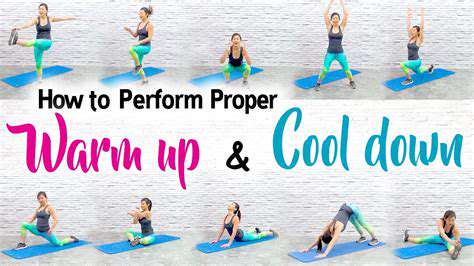
Static stretching, where you hold a position for 15 to 30 seconds, is highly beneficial for improving flexibility. This form helps lengthen the muscle fibers, while dynamic stretching incorporates controlled movements to prepare your body for more vigorous physical activities.
Foam rolling is another technique that helps with muscle tension release. It utilizes self-myofascial release to break down knots and improves blood flow, aiding in muscle recovery post-exercise.
Integrating Stretching into Your Routine
To effectively improve flexibility and alignment, it is essential to integrate stretching into your daily routine. Whether you dedicate a few minutes each morning or incorporate it into your workout sessions, consistency is key. Aim for at least 3-4 times a week for optimal results. This routine can help mitigate the effects of prolonged sitting, which is often linked to poor posture.
Consider setting reminders or designing a schedule that includes specific stretching exercises tailored to your needs. This can make a significant difference in your flexibility over time, positively impacting your overall physical well-being.
Common Stretching Mistakes to Avoid
When stretching, it’s important to avoid common pitfalls that can hinder progress or even cause injury. One major mistake is bouncing while stretching, as it can lead to muscle strains. Always hold your stretches rather than bouncing, allowing your muscles to relax and elongate effectively.
Another error occurs when people stretch to the point of pain. Remember that stretching should feel comfortable and slightly challenging, but never painful. Pay attention to your body’s signals and adjust your routine accordingly to prevent issues.
Stretching for Specific Benefits
Different types of stretches can target specific areas for improvement. For example, if you struggle with lower back pain, focusing on hip-opening stretches can greatly relieve tension. These stretches, such as the pigeon pose or seated forward bend, allow more mobility in the hip joints, consequently easing strain on the lower back.
Moreover, yoga has been shown to enhance flexibility and core strength. Regular practice can foster not only physical benefits but also improve posture and alignment. Engaging in yoga for just a few sessions weekly can create a profound change in your body’s flexibility and stance over time.
4. Strengthening Exercises for the Back
1. Importance of Core Stability in Back Exercises
Core stability is foundational for supporting the lower back during physical activities. When the core muscles are strong and activated, they provide a solid base from which the back can operate effectively. Research indicates that a weak core can lead to poor posture, resulting in increased strain on the lumbar spine.
Incorporating exercises that target core stability, such as planks and bridges, can significantly reduce the risk of lower back injuries. Studies show that individuals who engage in regular core stability training report fewer instances of back pain and improved overall posture.
2. Recommended Strengthening Exercises
Several effective exercises can help strengthen the back and supporting muscles. The deadlift, for example, is highly regarded for its ability to engage multiple muscle groups, including the back, glutes, and hamstrings, making it a comprehensive strengthening move. Proper form is crucial here to avoid injuries.
The superman exercise is another excellent choice, targeting the erector spinae muscles along the back. Lying face down and lifting the arms and legs off the ground mimics the motion of flying, hence the name. This engages the lower back while also activating surrounding muscles for balanced strength development.
Furthermore, incorporating rows using resistance bands can be beneficial. Rows reinforce upper back strength, helping counteract the effects of prolonged sitting, which often leads to slumped shoulders and poor alignment.
3. Integrating Flexibility and Mobility Work
While strengthening is critical for back health, integrating flexibility and mobility work is equally important. Stretching exercises, such as the cat-cow stretch and spinal twists, help maintain flexibility in the back, which can counteract stiffness caused by sedentary lifestyles. A flexible back is more resilient to injury.
Additionally, yoga can play a significant role in improving both flexibility and strength in the back. Certain yoga poses, like downward-facing dog and child’s pose, provide gentle stretching combined with strength building. Engaging in yoga not only enhances physical capabilities but also promotes mental relaxation, contributing to overall wellness.
5. Incorporating Postural Awareness into Daily Routine
Understanding Postural Awareness
Postural Awareness refers to the conscious recognition of body position in space. It's essential for maintaining a healthy spine and preventing injuries. Engaging each muscle group in maintaining good posture not only improves physical appearance but also enhances the function of the musculoskeletal system. Studies have shown that individuals who cultivate postural awareness are less prone to pain associated with poor posture, highlighting the role of mindfulness in physical health.
To effectively develop postural awareness, one can begin by practicing simple exercises. For instance, the body scan technique can be useful. It involves mentally scanning your body from head to toe, noticing areas of tension or imbalance, and consciously adjusting them. This practice not only increases your awareness but encourages the habit of correcting postural mistakes throughout daily activities.
Practical Tips for Daily Integration
Integrating postural awareness into your daily life doesn't have to be strenuous. Small adjustments, such as setting reminders on your phone or sticky notes on your workspace, can serve as cues to check your posture. For example, position your monitor at eye level to avoid slumping or straining your neck. Create an ergonomic workspace that promotes comfort and supports good posture—this has been shown to enhance productivity and reduce discomfort.
Moreover, incorporating short posture breaks can be invaluable. Stand up, stretch, or perform a few basic exercises every hour to combat the effects of prolonged sitting. Research indicates that even brief movements can revive muscles and improve circulation, thus averting fatigue and postural misalignment. Together, these small habit changes contribute significantly to overall posture improvement over time.
Long-Term Benefits of Postural Awareness
Investing in postural awareness brings myriad long-term benefits, particularly concerning Physical Health. Improved posture can alleviate chronic back and neck pain, conditions that affect a significant percentage of the population according to recent health surveys. Maintaining proper alignment reduces strain on your muscles and ligaments, potentially decreasing the risk of injury in the long run.
Additionally, good posture influences not just physical health but also mental well-being. Research suggests that upright posture can boost confidence levels and enhance mood, which can be particularly beneficial in high-stress environments. Making a commitment to postural awareness can foster a more positive outlook and improve overall quality of life.
Read more about Exercises to Improve Posture and Lower Back Support



Hot Recommendations
-
*Running Gear Guide: Compression Socks and Sleeves
-
*Overcoming Running Burnout and Regaining Speed
-
*Why Consistency is Key to Running Endurance
-
*High Fiber Breakfasts to Kickstart Your Weight Loss
-
*How Running Endurance Varies Between Men and Women
-
*Finding Gratitude in Your Fitness Journey
-
*Why Your Hamstrings are Tighter Than You Think
-
*Healthy Stir Fry Sauces Without Added Sugar
-
*Speed Development for Master Runners (40+)
-
*Why Walking Can Sometimes Be Better for Your Back