Endurance Training
Mental Health
Habit Development
Fitness Goals
Goal Setting
Progress Tracking
Burnout
Training

Why Consistency is Key to Running Endurance

cue, routine, and reward. Research indicates that it takes an average of 66 days for a behavior to become automatic, as per a study conducted by Phillippa Lally et al. (2010). Focusing on these stages can help runners create a sustainable training routine that enhances endurance over time.

Creating a cue to signal your training time—be it a specific part of your day or a visual cue like your running shoes—can significantly increase the likelihood of following through. Reinforcing your new routine with a reward, such as relaxing with a favorite TV show following a run, helps solidify the behavior. This cycle not only aids in habit formation but also ensures that your progress stays consistent, which is vital for endurance improvement.

Setting Realistic Goals

Goal setting is crucial for any training program. Start by establishing small, achievable targets that build up to your long-term objectives. For instance, if your ultimate aim is to run a marathon, consider preparing for a 5K first. Achievements, no matter how minor, provide motivational boosts and affirm your dedication to the process, thus promoting running as a habitual activity.

Using the SMART criteria—Specific, Measurable, Achievable, Relevant, and Time-bound—can steer your goal-setting process. This framework provides clarity and increase accountability, specifically tailored to fit within your lifestyle, making it easier to embed running into your daily routine. Remember, the progress you make today directly impacts your preparedness for tomorrow's challenges in endurance training.

Tracking Progress Effectively

Monitoring your training is essential for understanding what works best for you. Utilizing a running app or a fitness tracker can help you keep tabs on your distance, pace, and training frequency. This quantitative data helps highlight patterns, enabling you to pinpoint aspects of your training that may need adjustment. Tracking not only provides insights but also contributes to that all-important sense of accomplishment as you see numbers improve over time.

Additionally, consider maintaining a training journal where you log your thoughts, feelings, and even your condition before and after runs. This qualitative data provides context to the quantitative metrics and can sometimes reveal what numbers alone cannot. For example, if you felt exceptionally fatigued one day, you might correlate that with a lack of sleep, helping you make more informed decisions about your training routine moving forward.

Tracking Progress and Setting Achievable Goals

Establishing Measurable Goals

To effectively track progress, it is vital to establish Measurable Goals. This may entail aiming to run a specific distance or complete a designated number of workouts each week. For instance, a common approach is to start training for a 5K by setting a goal to run three times a week, gradually increasing the duration and distance. Research indicates that measurable goals can significantly boost motivation, helping runners to stay committed to their training regimen.

Employing the SMART criteria—Specific, Measurable, Achievable, Relevant, and Time-bound—can help streamline goal setting. By aligning each goal with these criteria, runners can create a clear roadmap that defines both short-term milestones and long-term objectives. Whether it's increasing weekly mileage or improving lap times, these goals become the benchmarks through which progress can be gauged.

Utilizing Technology for Progress Tracking

In today's digital age, numerous applications and gadgets can assist runners in tracking their progress. Wearable devices, such as smartwatches and fitness trackers, monitor metrics like heart rate, pace, and distance. This technology not only provides real-time feedback but helps to identify trends over time. According to a study published in the Journal of Sports Sciences, using wearables can enhance adherence to training plans and encourage accountability.

Beyond fitness apps, online platforms often offer communities where users can share their goals and achievements. These platforms can serve as additional motivation, as feedback from peers can instill a sense of camaraderie and support. Sharing progress publicly may also push individuals to remain consistent in their running routine.

Adjusting Strategies Based on Progress Evaluation

Tracking progress should not merely be a passive observation; it calls for active engagement with the data collected. It’s essential to regularly evaluate your progress to determine whether your set goals remain realistic and achievable. If the data reveals stagnation in improvement or increasing fatigue, reassessing your training strategy may be necessary. This could involve adding rest days, incorporating cross-training, or adjusting your pace.

Moreover, conducting periodic assessments, such as monthly time trials or distance runs, allows for a better understanding of performance levels. Analyzing results from these assessments not only highlights areas for improvement but also reinforces commitment to consistent training. Individuals may also consider seeking advice from coaches or experienced runners to refine their training approaches based on data insights.

Maintaining Motivation Through Celebrating Milestones

As crucial as it is to set and track goals, Celebrating Milestones is equally important for maintaining motivation. Recognition of achievements, whether it's completing a long run or achieving a personal best, fosters a positive mindset and reinforces commitment to ongoing training. It could be something simple, like treating yourself to a new pair of running shoes, or sharing the achievement with friends and family.

Celebrating milestones serves not just as a reward but as a tool for reflecting on progress. Consider keeping a running journal to document these significant moments, where you can articulate the hard work put in and the journey taken. This reflection can inspire further commitment and consistency, pushing runners to continue striving towards their goals.

Avoiding Burnout and Injuries Through Steady Training

AvoidingBurnoutandInjuriesThroughSteadyTraining

Understanding Burnout in Runners

Burnout is a common challenge faced by runners, especially those striving for higher endurance. It often manifests as fatigue, decreased performance, and a lack of motivation. This can lead not only to physical injuries but to a mental block as well. Recognizing the signs of burnout early can make a significant difference in a runner's ongoing training regimen.

Research indicates that about 50% of endurance athletes experience burnout at some point in their careers. This statistic underscores the importance of mental framing in physical training. An athlete's mindset can influence their training outcomes and overall well-being.

Structuring a Sustainable Training Plan

  • Set realistic goals based on your current fitness level.
  • Incorporate rest days to facilitate recovery.
  • Gradually increase mileage to avoid overexertion.
  • Pay attention to your body’s signals during workouts.

When creating a training plan, sustainability should be the foremost consideration. A well-structured plan balances intensity and recovery, preventing any risk of injuries. This balance is essential not just for performance improvements, but also for maintaining enthusiasm over time.

The Importance of Rest and Recovery

Rest days are not just beneficial; they are vital to a training program. Athletes who neglect recovery may find themselves sidelined due to injuries that develop from overuse. Incorporating active recovery strategies, such as light stretching or cross-training, can help mitigate this risk.

Research supports the notion that incorporating rest can enhance training benefits. A study from the Journal of Sports Medicine indicates that athletes who effectively manage their rest experience significant improvements in performance compared to those who don't.

Nutritional Considerations for Endurance Training

A strong nutritional foundation can significantly affect training results. Endurance athletes need a balanced intake of carbohydrates, proteins, and fats to fuel their workouts and facilitate recovery. Staying hydrated is equally important, as dehydration can lead to poor performance and increased risk of injury.

Consulting with a sports nutritionist can provide tailored advice beneficial for avoiding burnout and injuries. Proper nutrition complements training efforts and enhances overall endurance performance, making it a crucial aspect of training.

Benefits of Cross-Training

Cross-training offers a refreshing change of pace for runners while maintaining fitness levels. Engaging in different activities not only reduces the physical stress placed on running-specific muscles but can also keep your mind sharp and engaged. Activities like swimming or cycling can enhance cardiovascular strength without the repetitive impact on joints that running entails.

According to a study in the Journal of Sports Science, athletes who incorporated cross-training into their routine showed improved endurance levels while experiencing fewer injuries. This method not only diversifies training but also helps in active recovery, promoting a longer athletic career.

Listening to Your Body: A Practical Approach

One of the best strategies for avoiding burnout and injuries is to remain attuned to what your body is telling you. Pain is often a warning sign that something is amiss. Ignoring these signals can lead to more severe complications, including chronic injuries.

Keeping a training journal can help document your physical and mental state before, during, and after workouts. This record allows you to identify trends and modify your training accordingly, ensuring a healthier and more enjoyable running experience.

Setting Realistic Performance Goals

Establishing achievable performance goals is essential for maintaining motivation and preventing burnout. Set specific, measurable, and attainable objectives rather than vague aspirations. For instance, instead of aiming to run faster, consider setting a target pace for a specific distance.

Consulting with a coach or an experienced runner can provide insights into Setting Realistic Goals and achieving them without overwhelming yourself. Celebrating small victories along the way can keep your spirits high and your training consistent.

Read more about Why Consistency is Key to Running Endurance
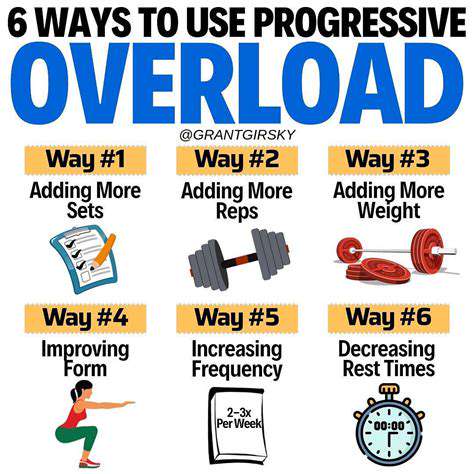
Guide to Progressive Overload in Your Training
May 28, 2025
How to Make Healthy Eating a Habit [Tips & Tricks]
Jul 12, 2025
Best Exercises for Building Strong Calves
Jul 18, 2025
A Comprehensive Guide to Establishing a Consistent Running RoutineAre you ready to transform your mornings and elevate your fitness routine? Creating a consistent schedule for your morning runs can be a game-changer, enhancing both your motivation and performance. Studies show that habits formed through repetition lead to greater success, as your body and mind adapt to the rhythm of an early wake-up call. Let’s dive into how establishing a structured plan for your runs can ignite your passion for fitness! Create Your Personalized Running ScheduleCrafting a personalized running schedule requires understanding your lifestyle, work commitments, and energy levels. Start by evaluating your daily commitments and carve out a time to run that aligns with your natural rhythms. Whether you’re an early riser or a night owl, setting a specific time significantly increases your chances of sticking to your routine. Remember to consider short distances at first, gradually increasing your mileage while factoring in essential rest days for recovery. Leverage Technology to Stay on TrackIn today’s digital world, utilizing apps like Strava or Runkeeper can streamline your running journey. These platforms not only track your progress but also connect you with a community of fellow runners, offering motivation and accountability. Wearable tech like smartwatches provides real-time feedback and insights on your performance, helping you set realistic goals and celebrate achievements along the way. Prepare the Night Before for Seamless MorningsPreparation is key! Organizing your running gear, including shoes, clothes, and accessories, the night before can save time and reduce morning stress. Planning your route ahead of time ensures you’re all set to go, eliminating indecision that can deter you from heading out. Setting a realistic alarm is crucial—aim for 7-8 hours of sleep to avoid morning fatigue and make waking up a smoother process. Set Achievable Goals and Celebrate ProgressUnderstanding your fitness levels is essential when setting goals. Avoid overwhelming yourself by breaking larger objectives into manageable milestones. Celebrate each achievement, no matter how small—it could be as simple as logging your runs in a journal or treating yourself after reaching specific targets. Sharing your accomplishments with friends or social media communities can enhance that celebratory feeling, forming connections that keep you motivated. Find a Running Buddy or Join a GroupRunning with a buddy not only enhances motivation levels through mutual encouragement but also enriches your social life. With platforms like Meetup, you can find group runs that match your pace and goals, making your running experience more enjoyable. Engaging in a group also introduces structured workouts, like interval training sessions, to keep your runs fresh and exciting. Reflect and Evolve Your Running JourneyAs you progress, take time to reflect on your journey and adjust your goals as necessary. Life is unpredictable, and flexibility in your running routine allows you to remain committed without the pressure of overwhelming targets. Periodically assessing your achievements builds awareness of how you’ve evolved, both physically and mentally, reinforcing your resolve to maintain a morning running routine.In conclusion, crafting a consistent running schedule fosters discipline and enriches your life beyond just fitness. With determination, preparation, and support, you can embark on a rewarding journey filled with milestones, accountability, and cheer. Dive into your mornings with energy and watch as your passion for running grows!
Feb 27, 2026
- Enhanced emotional resilience- Improved interpersonal relationships- Increased well-being and job satisfaction Physical Health AdvantagesThe benefits of gratitude extend beyond the mind to the body. Individuals who frequently express gratitude often report fewer health complaints and better sleep quality. This can lower stress levels due to reduced cortisol production, paving the way for a healthier lifestyle and decreased risk of stress-related illnesses. Fostering a Culture of Gratitude at WorkCreating an environment that promotes gratitude can significantly improve workplace dynamics. Simple rituals, such as starting meetings with expressions of gratitude or maintaining a thank-you wall, offer employees opportunities to recognize each other’s efforts. Conducting gratitude-focused team-building activities can deepen relationships and foster a sense of belonging. Leadership’s RoleLeadership plays a pivotal role in establishing gratitude as part of workplace culture. Leaders who model gratitude enhance employee morale and encourage a supportive environment. Research reveals that organizations that embrace gratitude witness higher productivity, reduced turnover, and increased employee engagement. Overcoming BarriersDespite its advantages, implementing gratitude practices faces challenges such as time constraints and negative workplace atmospheres. Leaders can surmount these hurdles by actively recognizing achievements and encouraging open dialogues about gratitude. Regularly scheduled gratitude initiatives create a consistent atmosphere of appreciation. ConclusionIntegrating gratitude into daily practices is not just beneficial but essential for fostering a positive, productive workplace. By cultivating a culture of appreciation, organizations can enhance employee mental health, strengthen relationships, and ultimately drive success. The journey of gratitude should be continuous, supported by feedback and training so that it becomes an intrinsic part of the company’s identity.Explore actionable strategies to enhance your organization’s well-being and productivity by embracing gratitude today!
Mar 07, 2026
The Long-Term Benefits of GratitudeInvesting in gratitude practices reaps long-term benefits, not only for emotional well-being but also for relationship health. Gratitude reduces feelings of isolation and fosters a sense of belonging, enhancing social ties. As research shows, regularly engaging in these practices offers a win-win scenario, positively impacting both the giver and receiver.By embedding gratitude into daily routines—through simple acknowledgments, reflective journaling, or cultivating a culture of appreciation at work—individuals can significantly elevate their emotional resilience and promote positive behaviors that enrich both their personal and professional lives.
Mar 10, 2026
A Practical Recovery ToolJournaling serves as a powerful tool in recovery, providing structured routines for reflection. Even beginning with small entries can significantly impact mental health, making it easier to acknowledge and appreciate positive experiences. As individuals explore deeper sentiments, they may find strength and hope essential for their journey. Challenges and Solutions in Practicing GratitudeWhile keeping a gratitude journal offers numerous benefits, it can also pose challenges for those healing from eating disorders. Individuals may struggle with recognizing positive feelings; hence, reframing gratitude in more accessible terms can be beneficial. Exploring guided journal prompts allows for easier engagement, reducing pressure during practice. Future Directions for Gratitude in Recovery ProgramsThe integration of gratitude practices within therapeutic approaches holds great promise for enhancing recovery experiences. Future research can delve into different journaling techniques and their effects on recovery trajectories, paving the way for holistic treatment solutions that combine gratitude with other therapeutic methods. Combatting Negative Thoughts with GratitudeNegative thoughts can be pervasive in recovery, but gratitude acts as a powerful countermeasure. By focusing on the positive, individuals can challenge cognitive distortions that hinder healing. Practical strategies, such as regular journaling and mindfulness meditation centered on gratitude, can help shift perspectives and improve overall mental well-being.---Explore the profound psychological benefits of gratitude today and learn how to integrate these practices into your recovery journey. Embrace positivity and foster a healthy relationship with food and body image through the transformative power of gratitude.
Mar 12, 2026
Spend a few minutes each night noting down things you appreciate. This cognitive shift reinforces positive emotions and can decrease anxiety. 2. Mindful Reflection: Take time to intentionally think about the positive aspects of your day. Mindfulness exercises, including gratitude-focused meditations, can lead to reduced sleep disturbances. 3. Share Your Appreciation: Verbally expressing gratitude strengthens relationships and reinforces positive feelings, promoting better emotional health. 4. Limit Negative Inputs Before Bed: Curate your evening environment by reducing exposure to negative content, fostering a calming atmosphere conducive to sleep.5. Engage in Gratitude-centric Activities: Write letters of appreciation or perform acts of kindness before bedtime to enhance feelings of connectedness and improve relaxation. Long-Term Benefits of Gratitude Incorporating gratitude into your daily routine results in not only immediate psychological benefits but also long-term improvements in mental health and life satisfaction. Individuals who habitually practice gratitude often enjoy better relationships, heightened emotional regulation, and resilience in the face of stress.By cultivating gratitude as part of your health regimen, you not only enhance your sleep quality but also embark on a journey towards improved mental clarity and emotional stability. Embrace gratitude today for a fulfilling life and peaceful nights!
Mar 16, 2026
A Comprehensive GuideUnlock the potential of your workouts! Discover the transformative power of gratitude in fitness—research shows that a grateful mindset can improve physical performance, enhance mental health, and foster resilience. In this guide, you'll learn how to start your workouts with a thankful heart, employ positive affirmations, and appreciate your progress, all while elevating your entire fitness journey. Start with a Grateful MindsetGratitude is more than an emotion; it's a tool for improved well-being and resilience in fitness. By reflecting on what you are thankful for before training, you create a positive atmosphere that enhances physical performance and enjoyment. Scientific studies indicate that gratitude can lower blood pressure and promote overall heart health, which in turn can elevate your workout capacity. Incorporate Positive AffirmationsUsing positive affirmations during your workouts boosts self-efficacy and motivation, allowing you to push through challenges more effectively. Simple phrases like I am strong and capable can reduce stress and anxiety, making every session more enjoyable and productive. Celebrate Your ProgressRecognizing small wins—whether it's lifting heavier weights or running longer—reinforces motivation and encourages long-term commitment. Maintain a workout journal or utilize fitness apps to track your achievements, thereby highlighting your growth over time. Gratitude in Group WorkoutsGroup workouts can greatly enhance motivation through accountability. Introduce moments of gratitude to strengthen bonds among participants, creating an enriching and supportive environment. This can include sharing what you’re thankful for before sessions or celebrating collective milestones afterward. Reflect with Gratitude Post-WorkoutAfter exercising, take a moment to acknowledge what you accomplished. Writing down your thoughts can enhance your gratitude practice, making it an integral part of your routine. This reflection not only praises your hard work but also fosters a sense of fulfillment and encourages consistency. Personalizing Your PracticesAdapting gratitude techniques to fit your unique fitness journey will make the practice more meaningful. Use personalized affirmations and involve your fitness community in expressing appreciation to create a strong supportive network.In conclusion, integrating gratitude into your workout routine can transform your physical and mental well-being. Keep expressing thanks, actively reflect on your progress, and embrace a joyful approach to fitness. Stay committed to this fulfilling practice for long-lasting benefits in your health journey!Start reshaping your fitness experience today!
Mar 17, 2026
The Importance of Gratitude in Childhood DevelopmentGratitude plays a crucial role in the emotional and social development of children. Studies have shown that incorporating gratitude practices in schools leads to significant boosts in emotional well-being, social relationships, and academic success. By fostering an environment that prioritizes appreciation and thankfulness, educators can enhance both the academic and personal growth of their students. Understanding Gratitude's Impact on Emotional Well-BeingResearch indicates that children who practice gratitude experience lower levels of anxiety and depression. Utilizing simple exercises, such as gratitude journals or thank-you notes, can serve as effective tools for emotional growth. These practices encourage children to reflect on their lives positively, fostering a resilient mindset that is invaluable during challenging times. Boosting Social Relationships and EmpathyTeaching gratitude helps children build stronger social connections. Studies reveal that gratitude promotes prosocial behavior, allowing children to acknowledge the kind actions of others. This acknowledgment cultivates empathy, which is essential for nurturing harmonious interactions among peers. Educators can facilitate group activities that promote appreciation, enhancing cooperation and relationships in the classroom. Enhancing Academic Performance Through GratitudeIntegrating gratitude practices not only fortifies emotional intelligence but also correlates with improved academic outcomes. Students engaging in gratitude express heightened focus and motivation, which enhance cognitive functions. Establishing structured gratitude programs in schools aids in creating a positive culture that supports both personal and academic achievements. Fostering a Positive School CultureAn inclusive school culture is foundational for effective emotional and social learning. Celebrating diversity through cultural awareness programs fosters acceptance and critical thinking. Additionally, building strong relationships among students through collaborative learning enhances emotional resilience and academic success, creating an environment where students feel safe and valued. Implementing Gratitude PracticesEducators can incorporate daily gratitude sessions into their teaching, encouraging students to express appreciation for their lives and peers. Community involvement in gratitude initiatives, such as 'Gratitude Days', strengthens community bonds, further benefiting students' emotional well-being. Integrating gratitude across various subjects and engaging in service-learning projects cultivates a deeper understanding of appreciation and its impact on community, enhancing students' social responsibility. Long-Term Benefits of Gratitude EducationThe immediate effects of teaching gratitude—improved academic performance and better behavior—pave the way for long-term emotional resilience. Children who practice gratitude are better equipped for future challenges, leading to overall life satisfaction. In summary, fostering gratitude in educational settings not only enhances classroom dynamics but also lays the groundwork for students' ongoing success and emotional health throughout their lives. Schools that prioritize gratitude cultivate an atmosphere of support, cooperation, and resilience—ingredients essential for effective childhood development.
Mar 17, 2026
A Comprehensive Guide for RunnersAs you grow older, maintaining your running speed requires a strategic approach that combines consistent training, effective recovery, and sound nutrition. This guide provides essential strategies designed to help aging runners excel while minimizing injury risks. Emphasize Consistency in Training Establish a Regular Running ScheduleCreating a consistent running routine is vital. Aim for three to four sessions weekly, ideally scheduled in the morning to jumpstart your day. Use running apps or journals to track progress and celebrate milestones for motivation. Prioritize Recovery Time Between SessionsRecognizing the importance of recovery is crucial. Incorporate rest days and low-impact activities like walking to prevent injuries and promote longevity in your running journey. Incorporate Strength TrainingAdding strength training can significantly improve running efficiency. Focus on core stability and leg strength with exercises like squats and lunges. This approach not only enhances performance but also prevents age-related muscle loss. Focus on NutritionNutrition plays a critical role in your running ability. Fuel your body with balanced meals including complex carbohydrates, lean proteins, and healthy fats. Stay hydrated to support performance and recovery. Set Realistic GoalsEstablish achievable running goals tailored to your current fitness level. Whether it's completing a 5k or improving your pace, clear objectives can keep you focused and motivated. Engage with a Running CommunityJoining a running group can bolster commitment and motivation. The camaraderie and support from fellow runners provide a motivational boost and can introduce new training methods. Listen to Your BodyBeing attuned to your body’s signals is key. Recognize signs of fatigue and adapt your training intensity accordingly. Adjusting your regimen based on how you feel can prevent injuries and enhance performance. Prioritize Recovery StrategiesUnderstanding that older athletes need more recovery time can shape your training approach. Implement active recovery techniques and ensure you're getting sufficient sleep for maximum repair and performance. Meal and Hydration StrategiesPost-workout nutrition, particularly protein intake, aids muscle repair. Maintain hydration before, during, and after runs to improve performance. ConclusionApplying these principles can help you not only maintain but also improve your running speed as you age. By focusing on consistent training, recovery, nutrition, and community support, you'll enhance your overall performance while enjoying the journey of running at any age.
Mar 27, 2026
Physiological and Psychological InsightsEndurance running, a demanding sport, showcases distinct physiological and psychological differences between men and women, profoundly influencing performance. This comprehensive analysis delves into hormonal influences, muscle composition, cardiovascular capabilities, and tailored training techniques to empower athletes in optimizing their endurance potential. Hormonal Influences on PerformanceHormones like testosterone and estrogen crucially shape endurance capabilities. Men benefit from increased testosterone levels, enhancing muscle mass and recovery. In contrast, estrogen in women aids in fat metabolism, presenting unique advantages during prolonged exercises. Notably, studies indicate that women can feel more energetic during certain phases of their menstrual cycle, enabling optimized training schedules. Muscle Composition and EnduranceMen typically possess a higher ratio of fast-twitch muscle fibers, giving them explosive strength at shorter distances. However, women generally have more slow-twitch fibers, ideal for endurance sports. Research supports the idea that female athletes excel in ultra-endurance events, often demonstrating superior recovery post-race, thanks to their unique muscle adaptations. Cardiovascular DifferencesIn terms of cardiovascular efficiency, men have larger hearts and higher stroke volumes, allowing for powerful blood circulation. Conversely, women generally exhibit greater capillary density, enabling enhanced oxygen delivery during aerobic activities. This efficiency allows women to sustain performance in longer races, a crucial factor in designing effective training programs tailored to gender-specific strengths. Body Composition and Endurance ImpactDifferences in body composition further define endurance ability. While men have generally lower body fat and higher muscle mass, women's higher body fat percentage can serve as an energy reserve during extensive activities. This understanding offers a strategic advantage when managing energy resources during long-duration events. Training Techniques for Optimal PerformanceTailored training approaches are essential for maximizing endurance potential. Men may benefit from higher intensity workouts focused on strength and speed, while women might thrive with moderate-intensity exercise combined with adequate recovery. This gender-responsive training acknowledges physiological variances and harnesses strengths to improve overall performance. The Psychological Edge in EnduranceMental resilience is a critical component of endurance running, affecting how athletes handle obstacles and maintain focus during races. Mental toughness, cultivated through techniques like visualization and goal setting, allows runners to surpass their physical limits. Moreover, fostering a supportive community encourages motivation, enhancing both endurance and mental well-being. Importance of Recovery and NutritionRecovery strategies should also cater to specific gender needs—women may require more comprehensive recovery routines due to hormonal fluctuations, while men benefit from strategies enhancing muscle recovery. Equally, proper nutrition emphasizes gender-specific requirements, such as higher iron intake for women and increased protein consumption for men to support muscle health and endurance. ConclusionUnderstanding the intricacies of endurance performance through the lenses of physiological and psychological differences enables athletes to optimize their training and fueling strategies. By recognizing individual needs based on gender, runners can unlock their full potential and enhance their endurance journey.---By integrating these insights into training, nutrition, and recovery strategies, both male and female endurance runners can achieve improved performance and longevity in the sport.
Mar 30, 2026
View Publications>>

Hot Recommendations